20 Best Types of Skirts Every Woman Should Know

Skirts come in countless shapes, lengths, and fabrics, and every style creates a different look. Some feel relaxed and casual, while others add structure, movement, or elegance to an outfit. Understanding the different types of skirts makes it much easier to choose pieces that suit your personal style, your comfort level, and the occasion you are dressing for.
Types of skirts refer to the different skirt designs classified by their silhouette, length, construction, fabric, or decorative details. An a line skirt, for example, is defined by its shape, while a mini skirt is identified by its length. types of skirts A denim skirt (also called a jean skirt) describes the material, and a pleated skirt is recognized by its folds.
These categories often overlap. A skirt can be a pleated midi skirt, a denim maxi skirt, or a satin mini. Knowing the difference helps you describe exactly what you want, search for it online, and build outfits with greater confidence. types of skirts Whether you are shopping for skirts for women to wear every day, updating your work wardrobe, or looking for ladies skirts for a special event, these 20 styles will help you understand the options available.
1. A-Line Skirt
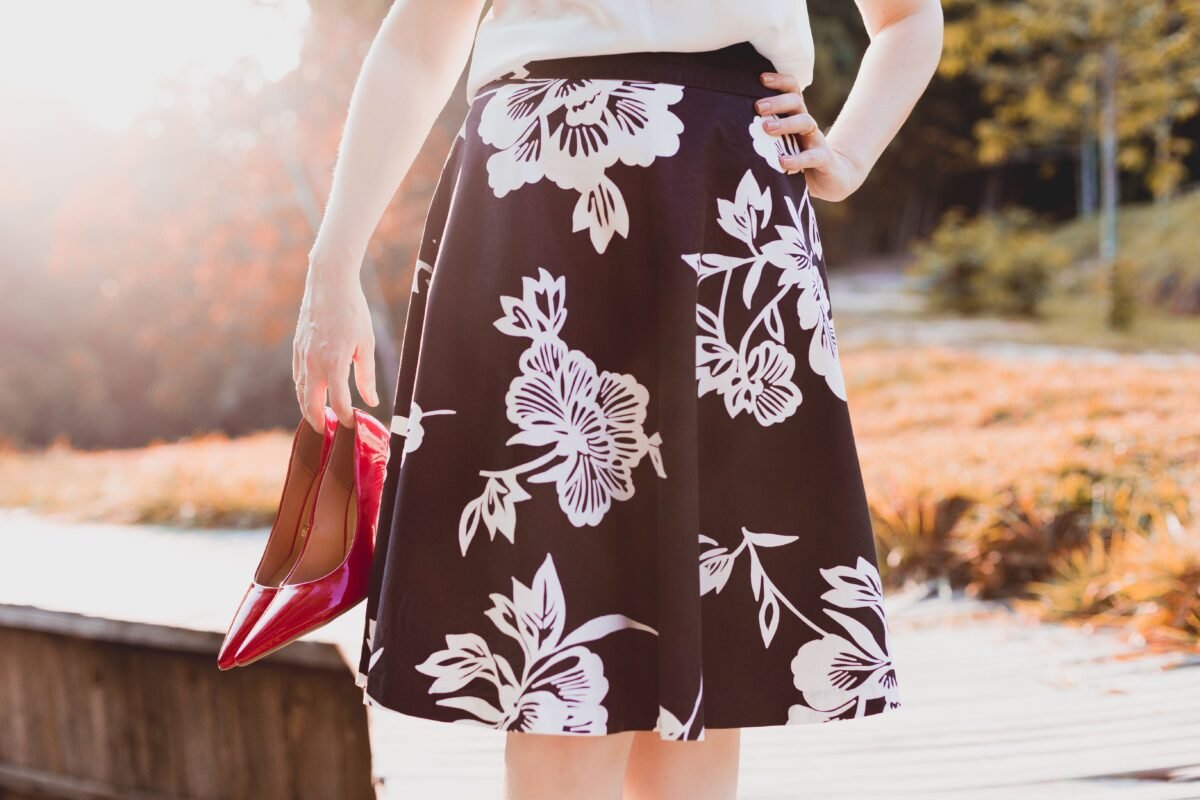
An a line skirt is fitted close to the body at the waist and gradually widens toward the hem. Its outline resembles the letter A, giving it a balanced shape that works across a wide range of personal styles.
This is one of the most useful wardrobe staples because it can look casual, professional, or dressy depending on its fabric and length. Cotton and denim versions suit everyday outfits, while wool blends and structured fabrics work well for office clothing. types of skirts A black a line skirt is especially versatile: it pairs with almost any top, hides small marks, and moves easily from the office to dinner.
For a simple outfit, pair an a line skirt with a fitted T-shirt, a tucked-in blouse, or a lightweight knit top. Add flats for daytime or heels for a more formal look. types of skirts A-line skirts are available in mini, knee-length, midi, and maxi versions, so choose the length based on where you plan to wear it and how much movement you prefer.
2. Pencil Skirt
A pencil skirt has a narrow, straight silhouette that follows the body’s natural shape from the waist toward the hem. Many designs finish around the knee or slightly below it, although longer and shorter variations are available.
This style is especially common in professional wardrobes because it creates a clean, tailored appearance. types of skirts A black pencil skirt is the classic choice for interviews and meetings, while a white pencil skirt feels fresh and polished in warmer months. Fabrics such as suiting wool, stretch cotton, ponte knit, and polyester blends provide structure while allowing comfortable movement. Many pencil skirts for women also include a back, side, or front slit, which makes walking and sitting far easier.
A pencil skirt pairs naturally with button-down shirts, fitted blouses, fine-knit sweaters, and tailored jackets. types of skirts For a casual outfit, wear a knit pencil skirt with a relaxed T-shirt and simple sneakers. The contrast between the fitted skirt and an easygoing top creates a balanced look. For something bolder, a leather pencil skirt adds an edgier finish while keeping the same clean line.
3. Pleated Skirt
A pleated skirt features folds of fabric arranged around part or all of the garment. types of skirts The pleats may be narrow or wide, pressed sharply or designed to move freely, and their arrangement affects the skirt’s volume, texture, and overall appearance.
Knife pleats generally fold in one direction, while box pleats create a more structured appearance through opposing folds. Sunray pleats are narrow near the waist and fan outward, producing a flowing effect. Lightweight polyester, cotton blends, and chiffon are common choices because they hold or support folds well.
The style comes in many forms. A pleated mini skirt has a youthful, school-inspired feel, while a pleated midi skirt or a long pleated skirt looks graceful and modern. types of skirts A black pleated skirt is easy to style for work, and a white pleated skirt gives a soft, clean look for daytime. There are even a few leather pleated skirt designs for people who want movement with a bit of attitude.
Style a pleated skirt with a fitted top to highlight the waist, or wear it with a relaxed sweater for a softer silhouette. Sneakers create a casual finish, while loafers, ballet flats, or ankle boots make the outfit feel more polished.
4. Maxi Skirt
A maxi skirt is a long skirt that generally reaches the ankles or extends close to the floor. It offers substantial coverage and comes in fitted, straight, flared, tiered, and flowing designs. types of skirts If you are searching for long skirts for women, maxi skirts for women are usually the first category to explore.
The silhouette depends on the cut and fabric. A cotton maxi skirt is practical for warm weather, while chiffon and lightweight viscose create fluid movement. A satin maxi skirt or silk maxi skirt feels elegant and works well for evening plans, and a denim maxi skirt gives you structure and a relaxed, everyday attitude. A floral maxi skirt is a natural fit for holidays and garden parties, while a black maxi skirt or white maxi skirt is a simple base for endless outfits. If you want extra room, plus size maxi skirt options in stretch fabrics and elastic waistbands are widely available.
A flowing maxi skirt works well with a simple tank top, fitted T-shirt, or cropped knit. For cooler weather, add a denim jacket, cardigan, or tailored coat. Pay attention to the hem length: a skirt that drags on the ground can be difficult to walk in and may wear out quickly.
5. Midi Skirt
A midi skirt usually falls between the knee and ankle, often around the middle of the calf. The exact length varies by design and by the wearer’s height. types of skirts This length offers a balance between the shorter mini skirt and the longer maxi skirt, which is why midi skirts for women are so popular for both work and weekends.
Midi skirts can be straight, pleated, fitted, flared, or gathered. Cotton poplin creates a crisp daytime look, while a satin midi skirt or silk midi skirt offers a more fluid finish. A black midi skirt is a wardrobe essential, and a white midi skirt looks bright and elegant in spring. A floral midi skirt adds personality, and a leather midi skirt gives a modern, polished edge. A denim midi skirt sits comfortably between casual and smart.
For a casual outfit, pair a midi skirt with a tucked-in T-shirt and sneakers. A fitted blouse and loafers create a smart everyday look, while a dressy top and heels suit evening plans. types of skirts Because midi hems sit at different points on the calf, try a few lengths if possible and choose the one that lets you walk naturally.
6. Mini Skirt
A mini skirt is a short skirt that typically ends above the knee, exposing much of the thigh. The exact length varies, and some designs are considerably shorter than others. Mini skirts for women come in many silhouettes, including a-line, straight, pleated, fitted, and wrap designs.
Material changes the mood completely. A denim mini skirt or jean skirt is the classic casual option. A black mini skirt is a timeless piece for nights out, and a white mini skirt looks crisp and summery. types of skirts A plaid mini skirt brings a preppy, vintage feel, while a pink mini skirt or red mini skirt makes a playful statement. For evenings, a leather mini skirt or black leather mini skirt looks sharp with boots, and a silver mini skirt adds shine for parties. If you prefer a little detail, a black mini skirt with slit combines a short length with extra movement.
For daytime styling, wear a mini skirt with a basic T-shirt, a lightweight shirt, or a relaxed sweater. In cooler weather, add opaque tights, boots, and a jacket. Comfort matters with shorter lengths, so check that the skirt stays in place when you sit, walk, and climb stairs. Built-in shorts or a separate fitted pair can provide extra coverage if you prefer it.
7. Wrap Skirt
A wrap skirt is designed with one section of fabric that overlaps another and fastens around the waist. Depending on the design, it may use ties, buttons, snaps, or a concealed fastening to keep the skirt secure.
The overlapping construction makes the waist fit more flexible than a fixed waistband. Some wrap skirts are fully adjustable, while others only imitate a wrap and have a permanently sewn front. types of skirts Cotton, linen, viscose, and lightweight woven fabrics are common options. A flowing wrap skirt is one of the best summer skirts for hot days, while a structured wrap design can suit office or evening outfits.
Pair a wrap skirt with a fitted tank, tucked-in blouse, or simple knit top. For a relaxed look, choose sandals or flat shoes. Before wearing a wrap skirt out, check the overlap and fastening while walking and sitting. types of skirts If the front opens more than you prefer, consider a discreet snap or a style with additional overlap.
8. Circle Skirt
A circle skirt is constructed from a circular or partially circular piece of fabric with a waist opening cut into the design. This cut allows the fabric to spread outward from the waist, producing a flared shape and noticeable movement.
A full-circle skirt generally creates more volume than a half-circle version. types of skirts Lightweight materials move fluidly, while cotton twill and other firmer fabrics produce a more sculptural outline. Circle skirts are often associated with vintage-inspired outfits, but modern versions can look casual or formal, and many appear as a high waisted skirt that defines the waistline beautifully.
Pair one with a fitted T-shirt or knit top to balance the volume. A tucked-in blouse creates a more polished outfit, while a cropped jacket emphasizes the waist. types of skirts If you prefer less volume, look for a half-circle design or a lighter fabric. This style works especially well for people who enjoy movement and a defined, flared silhouette.
9. Asymmetrical Skirt
An asymmetrical skirt has a hemline, panel arrangement, or overall shape that is intentionally uneven. types of skirts One side may be longer than the other, the front may be shorter than the back, or angled layers may create a distinctive outline.
Because the design itself adds visual interest, the rest of the outfit can stay simple. Pair an asymmetrical skirt with a plain top, understated jewelry, and shoes that suit the occasion. Materials vary from lightweight jersey and chiffon to satin and structured woven fabrics. Soft fabrics emphasize draping, while firmer materials make the angles more noticeable.
For evening wear, a satin version looks lovely with a fitted blouse and heeled sandals. types of skirts A casual cotton version works well with a T-shirt and flat shoes. Check how the hem moves when walking, since some designs have a dramatic train or extended panel that may catch underfoot, especially on stairs.
10. Tiered Skirt
A tiered skirt consists of two or more horizontal sections of fabric joined together. Each tier may be the same width or become wider toward the hem, creating a layered, gathered appearance. types of skirts The number and size of the tiers determine how much volume the skirt has.
A tiered skirt is a favorite among summer skirts for women because breathable cotton, linen blends, and viscose keep you cool. A tiered maxi skirt is especially popular for holidays and outdoor events, as it offers movement, coverage, and a relaxed bohemian feel. Heavier fabrics can give tiered skirts more structure.
For a balanced outfit, pair a tiered skirt with a simple fitted top or a shirt tucked into the waistband. Flat sandals and sneakers create a relaxed look, while heeled shoes make the outfit more polished. types of skirts If you prefer less volume, look for fewer tiers or minimal gathering. The defining feature is construction: a tiered skirt is identified by its horizontal sections rather than by a particular length.
11. Mermaid Skirt
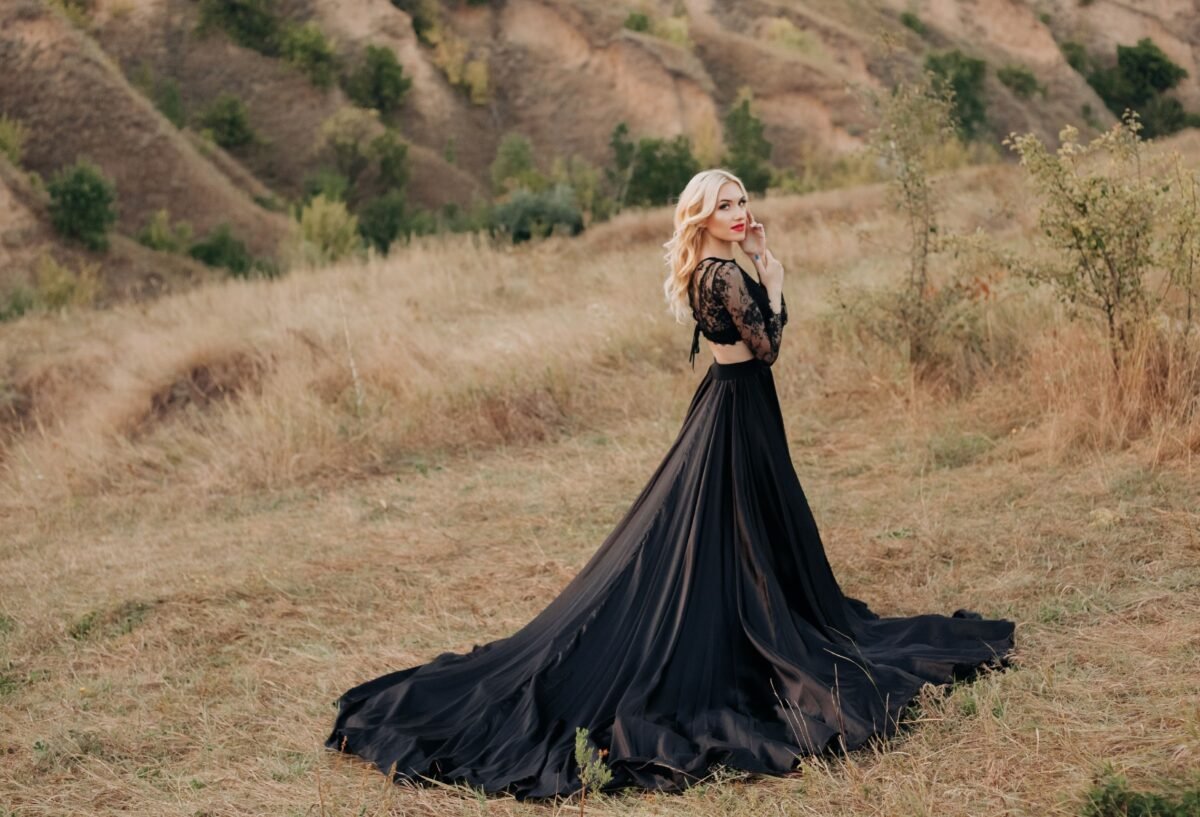
A mermaid skirt is fitted through the waist and hips, then flares out toward the lower leg or hem. The expanded lower section creates a shape similar to a mermaid’s tail. types of skirts The flare may begin near the knee or lower down, and some versions use separate panels or godets to add movement.
Stretch satin, crepe, and ponte knit are often used for fitted mermaid skirts, and formal designs typically feature smooth materials that emphasize the silhouette. A black satin skirt in a mermaid cut can look dramatic and refined, while a sequin skirt or metallic skirt in this shape is made for parties and weddings.
For an evening outfit, pair a mermaid skirt with a fitted blouse or elegant top. A cropped jacket can complement the shape without covering too much of the design. Movement should guide your choice, because a very fitted mermaid skirt may restrict long strides, especially if the flare begins low. Look for enough stretch or a suitable slit if you need greater mobility.
12. Bubble Skirt
A bubble skirt has a rounded, puffed silhouette created by gathering or attaching the outer fabric to a shorter lining or inner hem. types of skirts The construction turns the hem inward, giving the skirt its distinctive bubble-like shape.
The amount of volume varies. Some bubble skirts have a subtle rounded hem, while others create a dramatic, sculptural appearance. Lightweight taffeta, satin, and structured synthetic fabrics help hold the shape, while softer materials create a more relaxed version with less definition.
Because a bubble skirt has volume, a fitted top provides balance. A simple sleeveless top or slim knit keeps the outfit from feeling crowded, and minimal shoes and accessories let the skirt remain the main feature. types of skirts Bubble skirts suit fashion-forward casual outfits and parties. Check the lining and hem construction before buying, since these details largely determine how the skirt sits and moves.
13. Denim Skirt
A denim skirt is made from denim fabric, a sturdy cotton-based textile commonly associated with jeans, and it is often called a jean skirt. Unlike many other styles in this list, denim describes the material rather than one specific silhouette.
Denim skirts can be mini, midi, maxi, straight, a-line, button-front, or slit designs. A denim mini skirt is a casual classic, a denim midi skirt feels more grown-up and versatile, and a denim maxi skirt gives a relaxed, long-line look. Dark denim often looks more polished, while faded washes and distressed finishes create a casual appearance.
For a relaxed outfit, combine a denim skirt with a white T-shirt, striped top, or casual shirt. Sneakers, flat sandals, and ankle boots all work depending on the weather. Consider the fabric weight: stiff denim holds its shape but may feel restrictive when sitting, while stretch denim provides additional comfort. types of skirts Choosing the right cut matters more than choosing a particular wash.
14. Leather or Faux-Leather Skirt
A leather skirt is made from animal hide, while a faux leather skirt uses an alternative material designed to resemble leather. Both create a smooth, structured, or slightly edgy appearance depending on the finish. Genuine leather may soften with wear and requires appropriate care, while faux leather varies widely in flexibility, breathability, and surface quality.
These skirts are available in many shapes. A black leather skirt is the most popular choice, and it works equally well as a leather mini skirt, a leather midi skirt, or a leather pencil skirt. Browns and reds add warmth: a brown leather skirt looks earthy and stylish with knits, and a red leather skirt is a bold statement piece. types of skirts Searching for a leather skirt women can wear year-round? A straight midi is usually the most flexible option. For a softer texture, a suede skirt offers a similar mood with a matte, velvety finish.
For a balanced daytime outfit, pair a leather or faux-leather skirt with a cotton T-shirt, fine-knit sweater, or simple blouse. Boots and loafers create a grounded look, while heels make it feel more formal. Check the lining, waistband, and how comfortably you can sit, since some coated materials feel stiff or warm.
15. Godet Skirt

A godet skirt uses triangular or tapered fabric inserts added to seams, usually toward the lower part of the garment. These inserts create extra flare at the hem while allowing the upper section to remain relatively fitted.
The result is a skirt that combines a streamlined shape with movement at the bottom. Depending on the number and size of the godets, the flare can be subtle or dramatic. types of skirtsCrepe, woven cotton, satin, and other fabrics that drape or hold a clean shape work well. Softer fabrics create fluid movement, while firmer fabrics make the added panels more noticeable.
A godet skirt pairs nicely with a fitted blouse, simple knit top, or tailored shirt. Since the hem adds movement, uncomplicated tops usually create the most balanced outfit. This style suits office wear, dinner outings, and formal occasions, and it is particularly useful if you want a skirt that follows the body through the hips but allows more room around the legs.
16. Tulip Skirt
A tulip skirt has overlapping or curved fabric panels that create a shape resembling an inverted tulip. The fabric often appears fuller around the hips and narrows toward the hem, although individual designs vary.
Some tulip skirts use a wrap-like front, while others create the effect through shaped seams and overlapping panels. types of skirts The construction gives the skirt a distinctive outline without requiring a wide, flared hem. Structured cotton, crepe, tweed, and suitable woven blends help preserve the curved shape, and stretch fabrics may be used in fitted versions.
Pair a tulip skirt with a fitted blouse, tucked-in top, or simple knit. A short jacket complements the silhouette, while understated accessories keep attention on the garment’s shape. types of skirts Check the hem opening and hip fit, because a narrow lower section may limit movement if the skirt is too tight. Tulip skirts are useful for smart-casual outfits, workwear, and occasions when you want a distinctive alternative to a straight skirt.
17. Handkerchief-Hem Skirt
A handkerchief-hem skirt has an uneven hem that forms pointed corners, often resembling the hanging edges of a handkerchief. The points may be subtle or pronounced depending on the cut.
Many handkerchief skirts use lightweight fabrics that let the corners swing as you move. Chiffon, soft jersey, and lightweight viscose are common options, although more structured materials can create a sharper shape. types of skirts A floral skirt in a handkerchief cut looks especially pretty in spring and summer.
The flowing outline works well with a fitted tank top, plain T-shirt, or simple blouse. For summer, add flat sandals and a small bag. For an evening look, choose a dressier fabric and more refined footwear. Before buying, consider the length of the pointed corners: they should not drag on the ground or make walking difficult. A handkerchief hem is defined by its irregular, pointed edges, not by whether the skirt is short or long.
18. High-Low Skirt
A high-low skirt has a hemline that is shorter in one area and longer in another. Many designs are shorter at the front and longer at the back, although the difference can vary significantly.
The shape offers some of the movement of a longer skirt while revealing more of the legs at the shorter end. High-low skirts may be flowing, layered, fitted, or designed with a dramatic extended back. Chiffon, satin, lightweight cotton, and other draping fabrics are common choices. types of skirts A green skirt, blue skirt, or purple skirt in a high-low cut makes a vivid choice for a party or wedding guest outfit.
Pair a high-low skirt with a fitted top to keep the silhouette balanced. Flat sandals work for daytime wear, while heels complement a dressier design. Pay attention to the longest part of the hem, particularly on stairs or uneven ground, since a long back panel can catch underfoot.
19. Sarong Skirt
A sarong skirt is inspired by a traditional wrapped garment made by draping fabric around the body. Modern versions may use adjustable ties, buttons, snaps, or a fixed wrap-inspired design.
Lightweight cotton, linen blends, rayon, and other breathable fabrics are common choices. Prints, stripes, tropical patterns, and a bright yellow skirt or orange skirt are popular for vacations, though plain colors are just as versatile. types of skirts A sarong skirt works naturally with a tank top, fitted T-shirt, or simple blouse. Flat sandals and a woven bag create an easy warm-weather outfit.
Some sarong skirts are designed as beachwear, while others provide more coverage for everyday use. types of skirts Check whether the garment is fully secured or relies on a loose tie, because a secure fastening is more practical for walking and sitting. The term describes different garments across cultures, so construction and intended use vary.
20. Pencil-Midi Hybrid Skirt

A pencil-midi hybrid combines the narrow outline of a pencil skirt with a midi-length hem. It is a useful example of how skirt categories overlap: pencil describes the silhouette, while midi describes the length.
This design usually follows the body more closely than a flared midi skirt. It can be made from stretch knit, ponte, crepe, suiting fabric, or other materials suited to a straight, fitted shape. For a professional outfit, pair it with a tucked-in blouse, lightweight sweater, or tailored blazer. types of skirts A simple T-shirt and sneakers create a more relaxed combination, while a dressy top and heeled shoes work for an evening event.
The fit around the hips and hem is especially important. A skirt that is too narrow may make walking uncomfortable, so look for stretch, a back slit, or another feature that allows natural movement. This style is practical for people who want the refined look of a pencil skirt with the additional coverage of a midi length.
Skirts by Fabric: Satin, Silk, Tweed, and More
Beyond silhouette, fabric defines how a skirt looks and feels. A satin skirt has a smooth sheen that suits evening wear. types of skirts A black satin skirt is a dependable party option, a white satin skirt feels bridal and elegant, and a black satin midi skirt pairs beautifully with a simple knit and heels.
A silk skirt feels luxurious and drapes softly. A black silk skirt can be dressed up or down, and a silk midi skirt is a graceful alternative to a slip skirt. In fact, the slip skirt is its own category: a bias-cut, lightweight skirt that skims the body. A black slip skirt looks effortless with a T-shirt and sneakers by day and a camisole and heels by night.
For colder months, a tweed skirt adds texture and a classic, tailored feel, while a plaid skirt gives a school-inspired or vintage look. types of skirts For sparkle, a sequin skirt, silver sequin skirt, metallic skirt, silver skirt, or gold skirt turns a simple top into a party outfit. Finally, if you like the comfort of shorts with the look of a skirt, a leather skort offers a modern, practical option.
Skirts by Color and Print
Color changes the mood of any skirt. A black skirt is the most dependable base in any wardrobe, which is why black skirts for women are always in demand. A long black skirt feels elegant and lengthening, while a white skirt and a long white skirt look clean and fresh, especially in summer.
Bold shades make a statement. A pink skirt feels playful, a red skirt is confident and festive, and a navy skirt offers a softer alternative to black for work. A brown skirt pairs well with cream, olive, and earthy tones, while a blue skirt, green skirt, or purple skirt adds color without needing much else. types of skirts For prints, a floral skirt suits spring and summer, a plaid skirt feels classic, and a leopard print skirt turns a plain top into a conversation piece.
Quick Comparison: Which Skirt Style Should You Choose?
| Skirt style | Best for | Key benefit | Limitation |
| A-line | Everyday wear and work | Balanced, versatile shape | Volume varies by cut |
| Pencil | Professional and polished outfits | Clean, tailored silhouette | May restrict movement if too narrow |
| Pleated | Casual, smart, and dressy looks | Texture and movement | Pleats need careful maintenance |
| Maxi | Relaxed outfits and events | Full-length coverage | Hem may need adjustment |
| Midi | Everyday and office wear | Flexible middle length | Calf placement affects the look |
| Mini | Casual and fashion-led outfits | Short, easy-to-style shape | May offer less coverage |
| Wrap | Casual and smart-casual outfits | Adjustable-looking waist | Overlap may shift |
| Circle | Vintage-inspired and dressy looks | Full, flowing movement | Can add substantial volume |
| Asymmetrical | Statement outfits | Distinctive hemline | Uneven edges need attention |
| Tiered | Casual and warm-weather outfits | Layered texture | Gathering may add bulk |
| Mermaid | Formal occasions | Dramatic fitted shape | May limit long strides |
| Bubble | Parties and fashion-led outfits | Rounded volume | Harder to style casually |
| Denim | Everyday wear | Durable, versatile material | Heavy denim may feel stiff |
| Leather or faux leather | Polished casual and evening looks | Strong visual texture | Care and breathability vary |
| Godet | Work and dressy outfits | Flare with a fitted upper shape | Panel construction varies |
| Tulip | Smart-casual and workwear | Curved, distinctive silhouette | Narrow hems may restrict movement |
| Handkerchief hem | Casual and flowing outfits | Movement and uneven points | Corners may catch underfoot |
| High-low | Events and statement looks | Contrasting hem lengths | Longer section needs checking |
| Sarong | Warm weather and holidays | Wrapped, relaxed appearance | Fastening and coverage vary |
| Pencil-midi hybrid | Work and polished everyday outfits | Tailored shape with more coverage | Fit and walking ease matter |
How to Choose the Right Type of Skirt
Knowing the names of different skirts is helpful, but choosing one depends on more than the silhouette. Length, fabric, fit, and intended use all affect how a skirt feels and looks.
1. Start With the Occasion
Think about where you plan to wear the skirt. For work, an a line skirt, pencil skirt, pleated skirt, or straight midi skirt may be appropriate, depending on your workplace dress code. For casual outings, a denim skirt, tiered skirt, mini skirt, or maxi skirt offers many easy combinations. For formal events, consider satin, crepe, or other polished fabrics in a silhouette suited to the occasion. A mermaid or flowing maxi skirt creates a dramatic look, while a simple midi feels understated and elegant.
2. Understand Skirt Lengths
Mini, midi, and maxi describe length rather than construction. A mini skirt ends above the knee, a midi usually falls between the knee and ankle, and a maxi generally reaches the ankles or lower. Choose a length based on your preferences, planned activities, and footwear. If you walk a lot, check that the hem does not restrict your stride.
3. Choose a Suitable Fabric
Fabric changes the way a skirt drapes, holds its shape, and feels against the skin.
- Cotton: Breathable and practical for everyday wear.
- Linen: Airy, with natural creasing.
- Denim: Offers structure and durability for casual designs.
- Chiffon: Lightweight and fluid, often used for layered or dressy skirts.
- Satin and silk: Smooth with a sheen that creates a polished appearance.
- Leather, faux leather, and suede: Structured with strong texture.
- Wool blends and tweed: Ideal for tailored skirts and cooler weather.
- Knit fabrics: Provide stretch and comfort.
4. Pay Attention to Fit and Movement
A skirt should fit comfortably at the waist and allow you to sit, stand, and walk without constant adjustment. Many people love a high waisted skirt because it defines the waist and stays put, while plus size skirts with stretch panels and soft waistbands offer comfort without losing style. A narrow skirt may benefit from a slit or stretch material, while a fuller skirt needs enough room to move without becoming cumbersome. Look at the waistband, lining, closures, seams, and hem finish, since these details affect comfort and durability just as much as the overall design.
If you are choosing a skirt for a full day outside, prioritize secure fastenings, comfortable fabric, and a hem that will not interfere with walking. A striking silhouette is only useful when you can move in it easily.
5. Balance the Outfit
A useful styling principle is to consider the amount of volume in the skirt. A full circle or tiered skirt often pairs well with a relatively simple top, while a pencil skirt can balance a relaxed sweater or a slightly looser blouse. This is a guideline, not a strict rule. Shoes, accessories, and outerwear also influence the overall look: sneakers and flat sandals make a skirt feel casual, while loafers, boots, or heels shift the outfit toward a more polished style.
Five Frequently Asked Questions About Types of Skirts
1. What are the main types of skirts?
Common types of skirts include a-line, pencil, pleated, maxi, midi, mini, wrap, circle, tiered, denim, and mermaid skirts. Other styles include asymmetrical, bubble, godet, tulip, high-low, and sarong skirts. Each is identified by its silhouette, length, construction, or fabric.
2. What are the three main skirt lengths?
The three widely recognized skirt lengths are mini, midi, and maxi. Mini skirts end above the knee, midi skirts generally fall between the knee and ankle, and maxi skirts typically reach the ankles or lower. Exact measurements vary by design and wearer.
3. Which skirt styles are best for everyday wear?
An a line skirt, denim skirt, midi skirt, pleated skirt, and simple maxi skirt are versatile choices for everyday wear. The best option depends on your routine, preferred coverage, local weather, and comfort needs. Choose breathable fabrics and a fit that allows you to move easily.
4. What is the difference between an A-line skirt and a pencil skirt?
An a line skirt gradually widens from the waist toward the hem, creating a flared shape. A pencil skirt has a narrower, straighter silhouette that follows the body more closely. A-line styles generally offer more room at the hem, while pencil skirts create a more tailored appearance.
5. How do I choose the right fabric for a skirt?
Choose fabric according to the skirt’s intended use and shape. Cotton and linen are common options for casual warm-weather clothing, denim offers structure, and chiffon creates a flowing appearance. Satin, silk, and crepe suit dressier outfits, while wool blends and tweed are often used for tailored skirts.
Final Thoughts
Learning the different types of skirts makes shopping and outfit planning easier. The names describe several distinct features: mini, midi, and maxi refer to length; a-line, pencil, and mermaid describe silhouettes; pleated, tiered, and godet refer to construction; and denim, satin, or leather identifies the material.
Those categories overlap, giving you many combinations to explore. A pleated midi skirt has both a construction type and a length, while a denim a-line combines a material with a silhouette. Start with the skirts that fit your daily routine, such as a black skirt, a denim skirt, or a simple midi, then explore other designs for work, special occasions, or personal expression. Focus on comfortable construction, suitable fabric, and a silhouette you enjoy wearing. The right skirt is not necessarily the trendiest one; it is the one that fits your life and helps you feel confident.