What Is a Maxi Dress? Ultimate Guide to Best Length & Style
You have probably seen a maxi dress in a shop or an online store and wondered what actually separates it from a midi dress or a long dress. The answer is simple, but the details are where most people go wrong. What Is a Maxi Dress Length changes with height and shoes, fabric changes comfort and care, and the style you choose changes how the dress moves.
This guide starts with a direct answer and then goes further. You will find a length guide, a mini vs midi vs maxi table, popular types, a height and fit guide with measuring steps, a fabric comparison, outfit ideas for different occasions, shoe and layering advice and a fix-it table for common problems. What Is a Maxi Dress Fit and styling are personal, so treat every suggestion as a starting point, not a rule.
What Is a Maxi Dress?
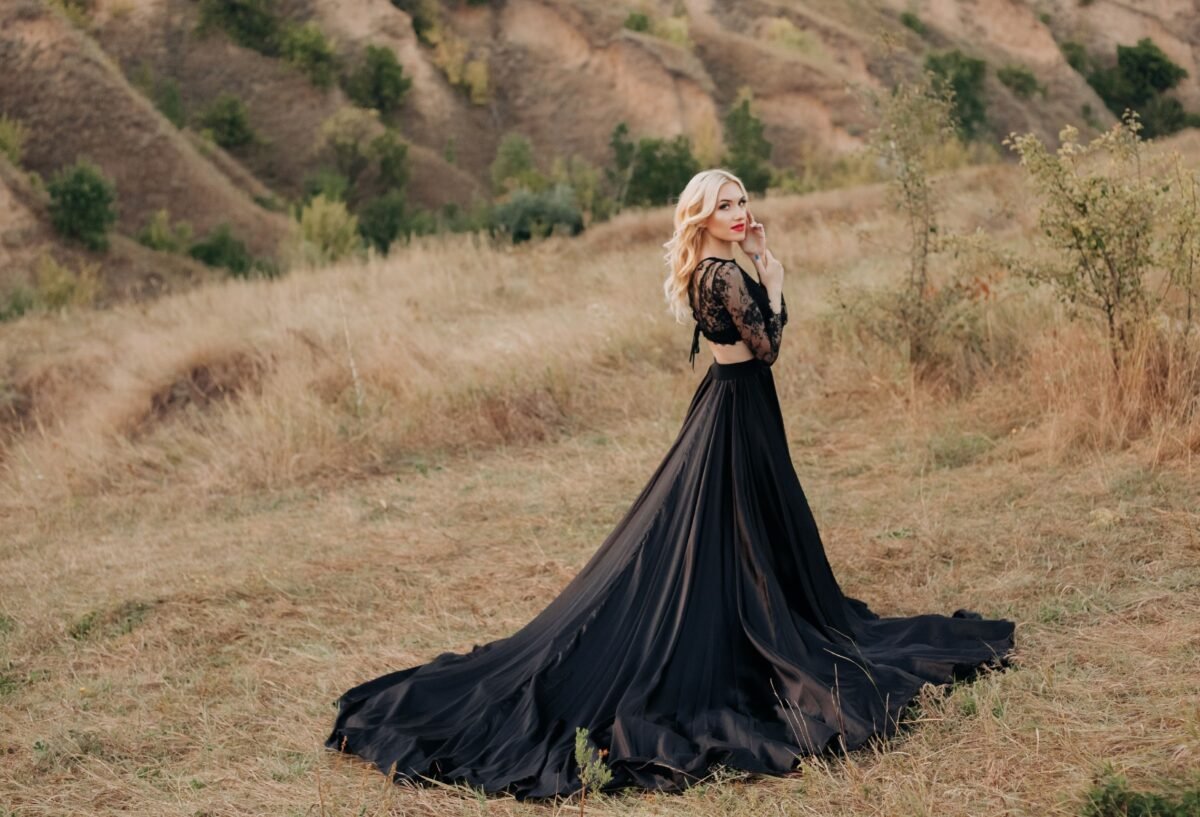
A maxi dress is a long dress with a hemline that reaches the ankle or the floor. It can be sleeveless or have sleeves, fitted or loose, casual or formal, depending on the cut and fabric. What Is a Maxi Dress The defining feature is length: the skirt covers most or all of the legs.
The word “maxi” describes the hemline, not the shape, so maxi dresses come in many silhouettes and fabrics. What Is a Maxi Dress Some brands use “maxi” and “floor-length” interchangeably, while others treat ankle-length as a separate category, so always read the product measurements.
What Length Is a Maxi Dress?

Maxi dresses commonly fall into one of three length bands:
- Ankle-length maxi: The hem sits around the ankle bone. It is easy to walk in and shows off your shoes.
- Floor-skimming maxi: The hem just touches or hovers slightly above the floor when you wear your usual shoes.
- Floor-length or sweeping maxi: The hem reaches the floor and may trail slightly. This length is common for formal and occasion dresses.
The same dress can look different on different people. A dress that skims the floor on someone of average height may end at the ankle on someone taller and puddle on the floor for someone shorter. What Is a Maxi Dress Shoes matter too, because a heel raises you and changes where the hem lands.
How to measure your ideal maxi length
A size chart is more reliable than judging from a model’s photo. To find your own length:
- Stand barefoot on a flat surface with your natural posture.
- Ask someone to measure from the top of your shoulder (or your natural waist, if you are buying a skirt) down to the floor, or to the point where you want the hem to end.
- Adjust for the shoes you plan to wear. Heels may call for a longer dress so your ankles stay covered, while flat sandals suit a hem that clears the floor.
- Compare this figure with the dress’s listed length, if the retailer provides it.
If no length is listed, see whether the product page gives the model’s height and the size she is wearing. What Is a Maxi Dress That is a rough reference, not a guarantee of how the dress will fit you.
Maxi vs Midi vs Mini Dresses
The categories overlap slightly between brands, but this table shows how they are commonly described.
| Dress type | Typical hem position | Overall feel | Often suits |
| Mini dress | Above the knee | Short, playful, light | Warm weather, parties, casual outings |
| Midi dress | Below the knee to mid-calf | Balanced, versatile | Work (where allowed), lunches, events |
| Maxi dress | Ankle to floor | Flowing, relaxed or elegant | Holidays, weddings, evening events, everyday wear |
Not every hem fits neatly into one of these. Dresses that end between the lower calf and the ankle are often sold as “tea-length” or “ankle-grazing” styles, and brands may label them midi or maxi. What Is a Maxi Dress If you are unsure, look at where the hem falls on your legs. If it covers your calves entirely and reaches the ankle or floor, it is generally a maxi. If it stops around the middle of the calf, it is usually a midi.
Popular Types of Maxi Dresses

The silhouette decides how the dress feels and moves. What Is a Maxi Dress These are the most common styles:
- A-line maxi: Fitted at the top and gradually wider towards the hem. It is comfortable and easy to move in.
- Wrap maxi: The bodice crosses over and ties at the waist, so you can adjust the fit.
- Empire-waist maxi: The seam sits just under the bust, and the skirt falls loosely from there.
- Fitted or bodycon maxi: Follows the shape of the body. It often has a stretchy fabric and suits evening or dressier settings.
- Tiered maxi: Several gathered layers create volume and movement.
- Shirt maxi: A button-up style with a collar, which can feel smart or relaxed depending on the fabric.
- Slip maxi: A slim, lightweight dress with thin straps, often in satin or similar fabrics.
- Sleeved or modest-cut maxi: Long sleeves and higher necklines give coverage in any season or for settings where more coverage is preferred.
Choose the style that suits the way you move and the places you will wear it. A tiered skirt looks lovely in a garden, but it can be cumbersome on a crowded train.
How to Choose a Maxi Dress for Your Height and Fit Preferences

No shape or height is off-limits for maxi dresses. What Is a Maxi Dress The goal is to find proportions you feel comfortable in, and these ideas can help.
Petite
- Watch the length closely, since a hem can pool on the floor. Some people choose a dress that clears the floor by a small amount, or have it hemmed.
- Higher or defined waistlines may help the dress sit in proportion.
- A slim or A-line shape can feel easier than a very full or heavily tiered skirt, though this is a matter of preference.
- A small heel or platform can adjust where the hem lands.
Average height
- Most standard lengths will work for you, but think about shoes, because flats and heels change where the hem falls.
- You have the most flexibility with necklines and sleeve lengths, so try several.
Tall
- Look for brands that list the dress length or offer tall sizes, because a standard maxi may end at the ankle or above.
- A longer bodice can suit a longer torso, though it will not add length to the skirt, so check the full length too.
- Tiered or flared styles often have a little extra sweep at the hem, which can help a dress that sits slightly short.
- A side slit will not lengthen a dress, but it can make a narrow skirt easier to walk in.
Fit checklist for any height
- Shoulders and bust: The dress should sit comfortably without gaping or pulling.
- Waist: You should be able to sit, bend and breathe without discomfort.
- Hips: The skirt should not pull when you walk.
- Hem: It should clear the floor enough that you will not trip, unless it is a formal dress meant to sweep.
- Movement: Walk, sit and climb a few stairs, because a narrow skirt can restrict your stride.
Best Maxi Dress Fabrics for Different Seasons
The fabric affects breathability, drape, wrinkles and how you care for the dress. What Is a Maxi Dress Follow the garment’s care label, because blends and finishes vary.
| Fabric | Feel and look | Often good for | Things to watch |
| Cotton | Breathable, soft, matte | Warm weather, everyday wear | Can crease; may shrink if washed incorrectly |
| Linen | Light, airy, textured | Hot, humid weather | Wrinkles easily; often needs ironing |
| Viscose or rayon | Fluid, smooth drape | Warm weather, flowing styles | Can be delicate; often needs gentle washing |
| Jersey | Stretchy, comfortable | Travel, everyday wear | May cling; quality varies |
| Satin | Smooth, shiny, formal | Evenings, weddings | Shows marks and creases; some can feel warm |
| Chiffon | Light, sheer, floaty | Occasions, layered styles | Delicate; usually needs a lining |
| Wool or knit | Warm, structured or soft | Cold weather | Some need hand washing or dry cleaning |
In hot, humid weather, lightweight, breathable fabrics and loose cuts are often more comfortable. What Is a Maxi Dress In cold weather, a knit maxi dress or a layered outfit may suit you better. If a fabric is partly see-through, find out whether the dress is lined.
How to Style a Maxi Dress for Different Occasions
You can dress a maxi dress up or down with accessories and shoes. What Is a Maxi Dress These outfit formulas are starting points.
Everyday and casual: Choose a cotton or jersey maxi in a relaxed shape. Pair it with flat sandals or clean sneakers, a simple bag and light jewellery. A denim jacket or lightweight cardigan adds a layer when needed.
Holiday and warm weather: A lightweight linen or viscose maxi, flat sandals, sunglasses and a hat make an easy holiday outfit. Pack a thin scarf or wrap for cool evenings or sun protection.
Work (where the dress code allows): A long-sleeved or structured maxi in a solid colour can look polished with a blazer and closed shoes. Some workplaces specify lengths or necklines, so confirm what is expected.
Wedding guest: Satin, chiffon or other dressy fabrics suit wedding events. Add heels or elegant flats, a clutch and statement earrings. What Is a Maxi Dress Read the invitation for the dress code and any cultural expectations, and avoid colours the couple has asked guests not to wear.
Formal evening: A floor-length maxi in a rich fabric with minimal accessories works well. Consider heels and a wrap or jacket for the venue’s temperature.
Defining the waist: If a loose maxi feels shapeless, a belt over the dress gives it structure. Skip it if you prefer the relaxed, flowing look.
What Shoes to Wear With a Maxi Dress
The right shoes depend on the hem length and the occasion.
- Flat sandals: Easy for casual and warm-weather outfits, particularly with ankle-length hems.
- Sneakers: A relaxed, modern look with cotton or jersey maxi dresses.
- Wedges: Add height without the instability of a thin heel, and are comfortable at outdoor events.
- Heels: Often used for evening or formal wear. Make sure the hem clears the floor, or hold the skirt while walking.
- Boots: Ankle or knee-high boots work well with ankle-length dresses in colder weather, especially with knits or heavier fabrics.
- Elegant flats: A comfortable choice for long events, since a long hem hides much of the shoe anyway.
Before you commit, try the dress with your shoes and walk around. The hem should not trap your heel or drag along the ground.
What to Wear Over a Maxi Dress
Layers help you adapt a maxi dress to weather, dress codes and personal comfort.
- Denim jacket: Casual and balanced against a flowing skirt.
- Cardigan: Soft and comfortable for cool evenings and offices.
- Blazer: Adds structure for work or smart events.
- Coat: Both longer and shorter coats work in winter, as long as the dress hem is not squashed or bunched underneath.
- Shawl or wrap: Suitable for weddings, evenings and cultural events, and easy to carry.
How to Care for a Maxi Dress
A long dress has a lot of fabric, so a little care keeps it looking good.
- Read the care label first. Fibre content and finishes decide whether you can machine wash, hand wash or dry clean the dress.
- Wash gently if allowed. A cool, gentle cycle or a laundry bag can protect delicate fabrics.
- Dry flat or hang as directed. Heavy knits may stretch if hung wet, and some fabrics lose shape in a dryer.
- Iron or steam carefully. Use the temperature on the label. Satin and other delicate fabrics are often best steamed, or ironed on low heat on the reverse side, because many satins are polyester and can melt or shine under high heat.
- Store with care. Hang lightweight dresses on a padded hanger and fold heavy knits, so shoulders and straps do not stretch.
- Look after the hem. Long hems pick up dirt. Spot-treat marks early, as stains set over time.
Common Maxi Dress Problems and How to Fix Them
| Problem | Likely cause | What you can try |
| Hem drags on the floor | Dress too long for your height or shoes | Wear slightly higher shoes, have it hemmed or choose a shorter length |
| Dress feels too short | Standard length on a taller frame | Look for tall sizes, listed lengths or fuller tiered styles with extra hem sweep |
| Skirt clings or rides up | Lightweight fabric, static or no lining | Wear a slip or use anti-static spray |
| Dress feels overwhelming | Too much volume or length for your preference | Add a belt or try a slimmer silhouette |
| Feels hot | Heavy or non-breathable fabric | Choose cotton, linen or viscose, and loose cuts |
| Fabric is see-through | Thin fabric without lining | Wear a slip or choose a lined dress |
| Wrinkles easily | Linen, cotton or satin | Steam it, or choose a blend that wrinkles less |
| Hard to walk | Narrow skirt or high heels | Choose a slit or A-line skirt and test it before the event |
Frequently Asked Questions About Maxi Dresses
What is a maxi dress in simple words?
It is a dress long enough to reach your ankles or the floor. Style, sleeves and fabric vary, but the long hemline is what makes it a maxi.
What is the difference between a maxi dress and a long dress?
The terms overlap, and brands use them in different ways. “Maxi” generally refers to a hem at the ankle or floor, while “long dress” can describe a wider range of lengths, including some that stop at mid-calf.
How long should a maxi dress be?
It depends on your height, your shoes and the look you want. For everyday wear, most people prefer a hem that clears the floor so they can walk safely. For formal wear, a floor-length hem is common, usually with heels.
Can petite people wear maxi dresses?
Yes. Check the length, try higher shoes or consider alterations. A tailor can shorten most hems.
Can I wear a maxi dress to a wedding?
Often, yes, particularly in dressy fabrics such as satin or chiffon. Check the invitation for the dress code and any cultural expectations.
Can I wear a maxi dress in winter?
Yes. Choose knit or heavier fabrics, add tights or thermal layers if needed, and wear boots with a coat.
How do I stop my maxi dress dragging?
Wear shoes with a little more height, hold the skirt on stairs or get the hem altered. Check the length before you buy.
What fabric is best for a summer maxi dress?
Lightweight, breathable fabrics such as cotton, linen and viscose are popular, but the weave, lining and cut matter as much as the fibre name.
Final Thoughts
A maxi dress is a long dress that reaches the ankle or the floor, but the best one for you depends on your height, your shoes, the fabric and the occasion. Start with length and fit, then choose a fabric that suits the weather and a silhouette that feels comfortable when you move.
Once you have a dress you like, you can style it many ways: flats for daytime, heels for evenings and a jacket or wrap when the weather changes. Try a few combinations and keep the ones that make you feel comfortable and confident.