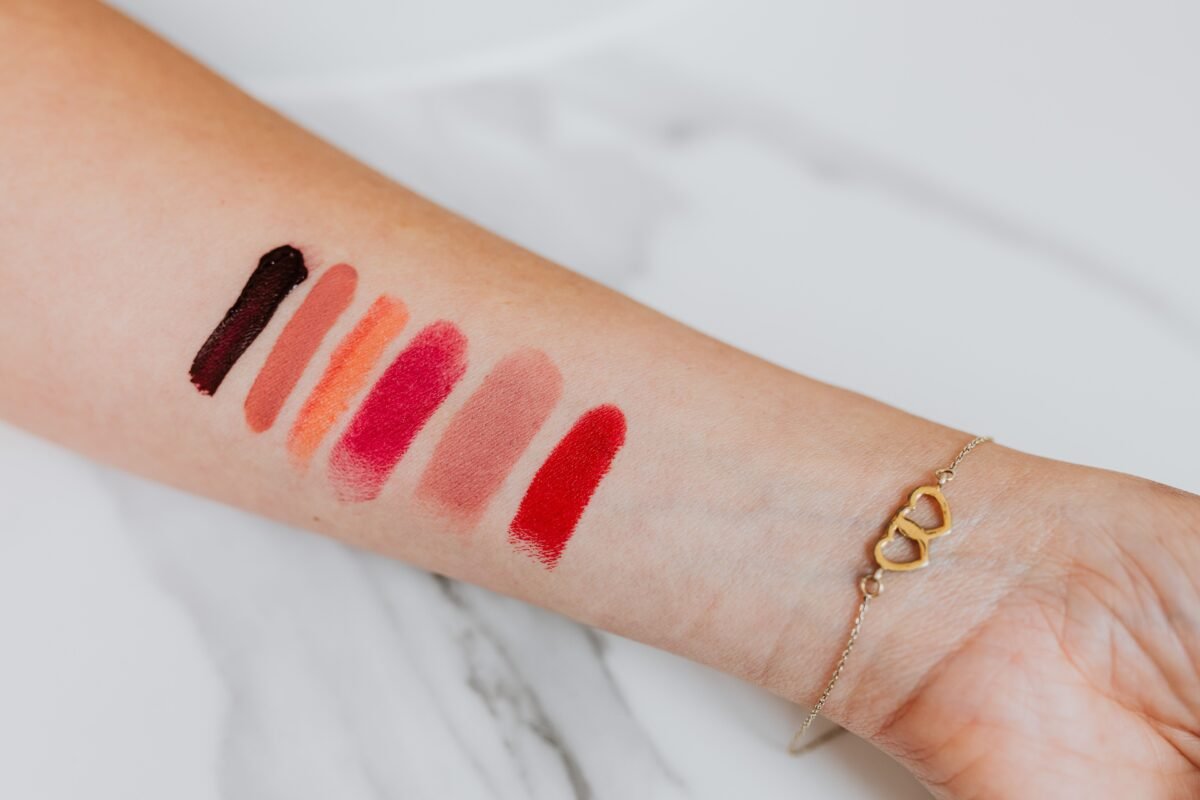
How to Apply Eyeshadow for Beginners: Easy & Natural Look
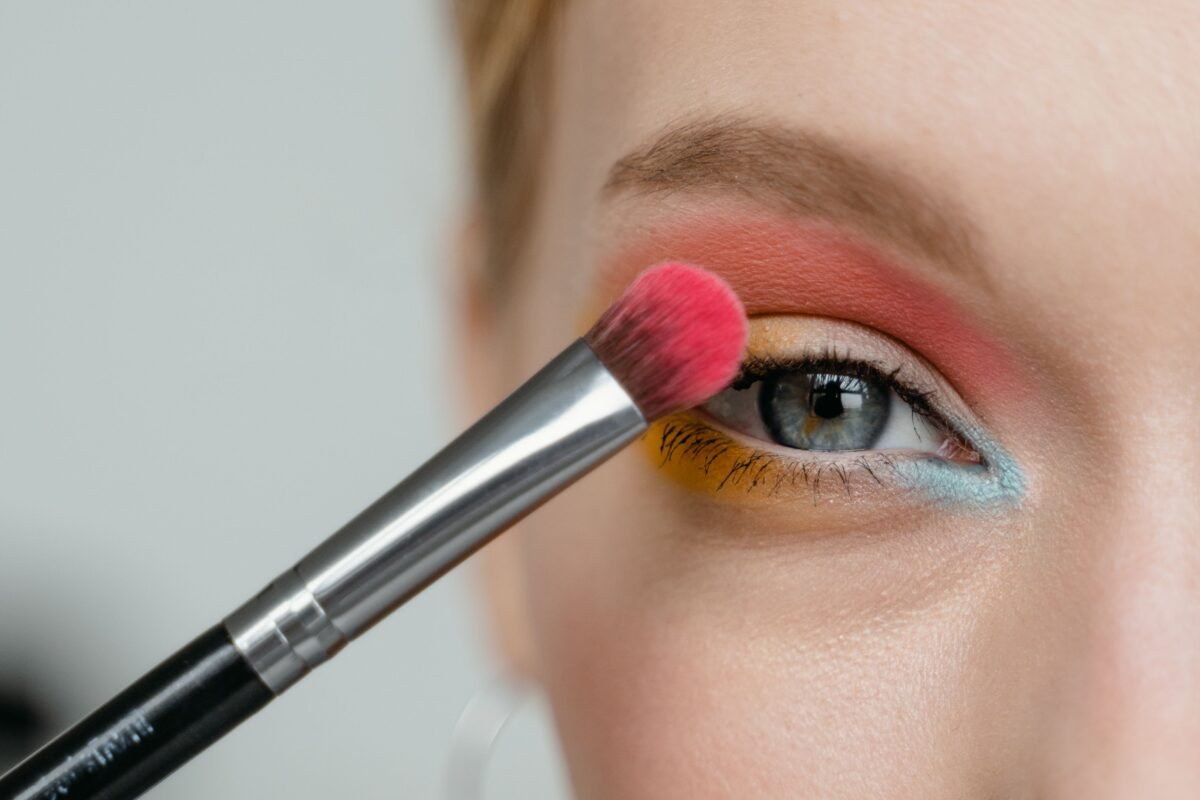
Learning how to apply eyeshadow for beginners can feel confusing when you have a palette full of colors but no clear idea where each shade belongs. You might put a color on your eyelid, try to blend it, and end up with harsh lines or a patchy finish. The good news is that you do not need expensive products or advanced skills to create a beautiful everyday look.
The easiest approach is to start with three coordinated shades: a light color for the base, a medium shade for definition, and a darker color for depth. how to apply eyeshadow With a few basic tools and the right application order, you can create soft, blended eye makeup that suits your personal style.
This guide covers everything from choosing brushes and understanding eyelid placement to how to apply eyeshadow step by step, how to use cream, stick, liquid, and glitter formulas, how to adapt your look for hooded or mature eyes, and how to make eyeshadow stay.
What You Need to Apply Eyeshadow

You do not need a large brush collection or a professional kit to begin. how to apply eyeshadow A small neutral palette, one or two brushes, and a little practice are enough to learn how to do eyeshadow properly.
1. Choose a Beginner-Friendly Eyeshadow Palette
A palette with light, medium, and dark shades makes color placement easier to understand. Neutral colors are especially useful because they work for everyday makeup and are easy to combine. When you are learning how to apply an eyeshadow palette, a small one or even an eyeshadow trio or quad is easier to manage than a large one.
Look for shades such as:
- Light beige or cream: Creates an even base and softens the edges of other colors.
- Medium brown or taupe: Ideal for adding gentle definition to the crease or transition area.
- Deep brown or charcoal: Helps create depth at the outer corner of the eye.
- Optional shimmer: Adds a reflective finish to the eyelid or inner corner.
You can also try rose, peach, bronze, mauve, or soft gold. Choose colors you enjoy wearing rather than following strict rules about which shades suit everyone. how to apply eyeshadow A three-shade palette is an excellent starting point because it teaches the fundamentals without making the process complicated.
2. Use the Right Brushes
The right brush makes eyeshadow easier to control and blend. Beginners do not need to buy an entire collection. Start with these tools:
- Fluffy blending brush: A soft, rounded brush that spreads color through the crease and softens harsh edges. It is especially useful for medium and darker shades.
- Flat shader brush: Picks up pigment and places it onto the eyelid. It works well for a light base shade or a more intense color.
- Small detail brush: Optional. It helps apply darker colors to the outer corner or a light shade near the inner corner.
Clean fingers also work well with certain cream and shimmer formulas. If you prefer to use your fingers, wash your hands first and avoid touching your eye with dirty fingers.
3. Decide Between Powder, Cream, Stick, and Liquid Eyeshadow
Eyeshadow comes in several formulas, and each one feels different to apply.
Powder eyeshadow is versatile and easy to layer. You can build color gradually, which makes it a good choice for learning blending techniques. Some powder formulas create fallout, meaning loose particles fall onto the skin under your eyes.
Cream eyeshadow often spreads easily with a clean finger or brush. It is convenient when you want a quick wash of color without using several products. how to apply eyeshadow If you are wondering how to apply cream eyeshadow, the basic method is to dab a small amount onto the lid, then pat and blend it before it sets. Some cream formulas may crease, especially on oily eyelids.
Stick eyeshadow offers portable, direct application. If you are learning how to use an eyeshadow stick, or how to apply a cream eyeshadow stick, draw a small amount of color onto your eyelid and blend it with a finger or brush before it sets. how to apply eyeshadow The available blending time depends on the product. An eyeshadow crayon works in a similar way.
Liquid eyeshadow is applied with a doe-foot wand or a brush and usually dries down. If you are learning how to apply liquid eyeshadow, use a small amount, spread it quickly across the lid, and avoid going back over it once it starts to set.
The best formula depends on your preferences, the finish you want, and how the product behaves on your eyelids.
Quick Comparison
| Option | Best for | Key benefit | Limitation |
| Powder eyeshadow | Layering and gradual color building | Versatile shades and finishes | May create fallout if too much product is used |
| Cream eyeshadow | Quick application and a soft wash of color | Can be applied with a clean finger or brush | Some formulas may crease or need setting |
| Stick eyeshadow | Convenient, portable application | Easy to apply directly to the lid | Blending time and finish vary by formula |
| Liquid eyeshadow | A concentrated, smooth lid color | Often dries to a long-wearing finish | Sets quickly, so less time to blend |
For your first few attempts, choose a formula that feels comfortable and easy to control. You can explore other options once you understand basic placement and blending.
Understand Where to Apply Eyeshadow
Before applying color, learn the basic areas of the eye. Knowing where the lid ends, where the crease sits, how to apply eyeshadow and where to add depth makes the whole process easier. If you search for a diagram of how to apply eyeshadow, you will see the same zones that are described below.
The Eyelid
The eyelid is the area that moves when you blink. It is usually where you place your light base shade, a medium color, or shimmer. how to apply eyeshadow For a simple daytime look, use a light or medium shade across the lid. You can keep it matte for a soft finish or choose a subtle shimmer for extra brightness.
The Crease and Transition Area
The crease is the fold that forms where the eyelid meets the area beneath the brow bone. Its position and visibility vary from person to person.
A transition shade is a medium color that connects the lighter lid shade with darker colors. It is often applied slightly above the natural crease or along the crease itself. how to apply eyeshadowBlend it with gentle back-and-forth movements so you create a soft transition instead of a clearly defined stripe.
If you have hooded eyes or a less visible crease, you may need to apply the transition shade slightly higher than the fold so the color stays visible when your eyes are open.
The Outer Corner
The outer corner is the area near the outside edge of the eye. A small amount of deeper eyeshadow here adds dimension and makes a simple look appear more defined. how to apply eyeshadow Start with a little product and build gradually, since applying too much dark eyeshadow immediately makes blending harder.
You can keep the darker shade close to the outer lash line or blend it slightly upward and outward for a soft, lifted effect.
The Inner Corner and Brow Bone
The inner corner is the area nearest your nose. A small amount of light, reflective eyeshadow can add brightness, although this step is optional. The brow bone is the area beneath the eyebrow. how to apply eyeshadow A soft matte or satin shade close to your skin tone can blend the upper edge of your eyeshadow.
Avoid applying a very bright highlight across the whole brow bone unless that is the finish you want. how to apply eyeshadow A subtle shade usually creates a more natural everyday result.
A Simple Placement Guide
If you are unsure where each shade goes, picture the eye in five zones:
- Lid: the movable part of the eyelid.
- Crease: the fold above the lid.
- Outer corner: the outer third of the lid and crease.
- Inner corner: the area nearest the nose.
- Brow bone: the area under the eyebrow.
Then use this as a starting point:
- Light shade: across the lid or on selected highlight areas.
- Medium shade: through the crease or transition area.
- Dark shade: near the outer corner or outer lash line.
- Highlight shade: at the inner corner or beneath the brow, if desired.
These are starting points, not fixed rules. Your eye shape, available lid space, product formula, and preferred style can all affect placement.
How to Apply Eyeshadow Step by Step
The easiest routine follows a simple sequence: prepare the lid, apply a light base, add a medium transition shade, deepen the outer corner, how to apply eyeshadow add an optional highlight, and blend the edges. You can finish with eyeliner and mascara for a more defined look.
Follow these seven steps to create an easy everyday eye makeup look. If you have ever asked “how do I apply eyeshadow?” this is the basic method.
Step 1: Prepare Your Eyelids
Begin with clean eyelids and clean hands. If you have skin care products on your eyelids, let them settle before applying makeup.
If your eyelids get oily or your eyeshadow often fades, try an eyeshadow primer. Primer can create a more even surface and may help some formulas last longer. If you are wondering how to apply eyeshadow primer, how to apply eyeshadow dab a small amount on the lid with a clean fingertip, spread it into a thin, even layer, and let it settle according to the product instructions before adding powder eyeshadow. Likewise, if you are learning how to apply makeup primer to the face, the same principle applies: use a thin layer and give it time to settle.
You do not need primer every time. Some eyeshadows work well directly on clean, dry skin, so experiment to see what suits your routine. Avoid using so much concealer or moisturizer on the lids that the surface becomes slippery, because an overly creamy base can make some powder formulas harder to blend.
Step 2: Apply a Light Base Shade
Choose a light matte shade close to your skin tone. With a flat shader brush or a fluffy brush, apply a thin layer over the lid. You can extend a little color toward the crease to create a soft base for the next shade. how to apply eyeshadow Keep the layer light instead of packing on pigment.
A light base helps you see where the other shades will sit, and it gives you a simple starting point if you are using a palette for the first time. If you are using a cream eyeshadow as your main color, how to apply eyeshadow you may not need a separate powder base. Follow the formula’s instructions and avoid layering too many products.
Step 3: Add a Medium Transition Shade
Pick a medium shade such as taupe, soft brown, peach, or muted rose. Load a small amount onto your fluffy blending brush and tap off the excess powder. how to apply eyeshadow Place the brush near your crease or transition area and move it gently from side to side, using small windshield-wiper motions to distribute the color.
Keep your pressure light. Pressing too firmly can deposit too much product in one place and make the edges harder to soften. If you cannot see the color after blending, add another thin layer. Building color slowly usually gives you more control than applying a heavy layer at the start. how to apply eyeshadow Look straight ahead into the mirror while you check placement, especially if your crease becomes partly hidden when your eyes are open.
Step 4: Deepen the Outer Corner
Use a smaller blending brush, or the tip of your existing brush, to pick up a little darker eyeshadow. If you are learning how to apply brown eyeshadow, how to apply eyeshadow a deep brown is often easier for beginners to manage than black, because it creates definition without looking as intense.
Place the color at the outer corner of the lid. Blend it slightly inward along the outer lash line, or upward toward the crease, depending on the effect you want. Keep most of the pigment near the outer edge, so the color becomes softer as it moves toward the middle of the lid.
If the outer corner looks too dark, use a clean blending brush to soften the edges. You can also add a little of the medium transition shade around the border. how to apply eyeshadow A highly pigmented application is not automatically a better one. A small amount of dark eyeshadow is easier to blend and control.
Step 5: Add Shimmer or a Highlight
This step is optional. If you like a little shine, choose a shimmer shade that complements your base and transition colors. Apply it to the center of the eyelid using a flat brush or a clean fingertip, depending on the formula, and press it into place rather than sweeping it back and forth.
For a subtle daytime look, use a small amount. For evening makeup, build the shimmer gradually until you reach your preferred intensity. how to apply eyeshadow You can also place a tiny amount of highlight at the inner corner. Avoid using a large amount near the tear duct, and keep cosmetic products out of the eye itself. If you prefer matte makeup, skip shimmer entirely. A fully matte look can be just as polished.
A note on glitter eyeshadow. If you are learning how to apply glitter eyeshadow, look for products made for use around the eyes, since not all glitter is safe near the eyes. Press the glitter onto the lid with a clean fingertip or a flat brush, how to apply eyeshadow often over a sticky base made for that purpose, and avoid dragging it across the skin. Use only a small amount, keep it away from the waterline, and remove it carefully at the end of the day.
Step 6: Blend the Edges
Blending is what helps separate colors look like one coordinated look instead of distinct patches. Take a clean, fluffy brush and lightly sweep around the outer edges of the eyeshadow, using small circular movements or gentle side-to-side strokes.
Focus on the boundary where the medium shade meets your skin and where the dark shade meets the transition color. You do not need to blend until all the colors disappear. how to apply eyeshadow Too much blending can make shades muddy or remove the definition you have created. Use short, controlled movements and pause regularly to check the result. If the colors have become too soft, apply a small amount of the relevant shade again, then blend only the edges.
Step 7: Finish With Eyeliner and Mascara
Once your eyeshadow looks balanced, you can add eyeliner and mascara if you wish. For a beginner-friendly finish, try a thin line of brown or black eyeliner close to the upper lashes. You do not need a dramatic wing to complete the look.
You can also use a little eyeshadow as eyeliner. If you are wondering how to use eyeshadow as eyeliner, press a small angled or detail brush into a dark shade, then draw a thin line along the lash line. how to apply eyeshadow Using a slightly damp brush may deepen the color for some formulas, but only use clean water or a product made for the purpose, and let it dry before you open your eyes fully. Apply mascara according to its instructions, taking care not to touch the eye with the wand, and let any wet product settle before checking your makeup.
If you prefer a very natural look, stop after blending your eyeshadow. There is no requirement to use every eye makeup product in one routine.
An Easy Three-Color Eyeshadow Look for Beginners
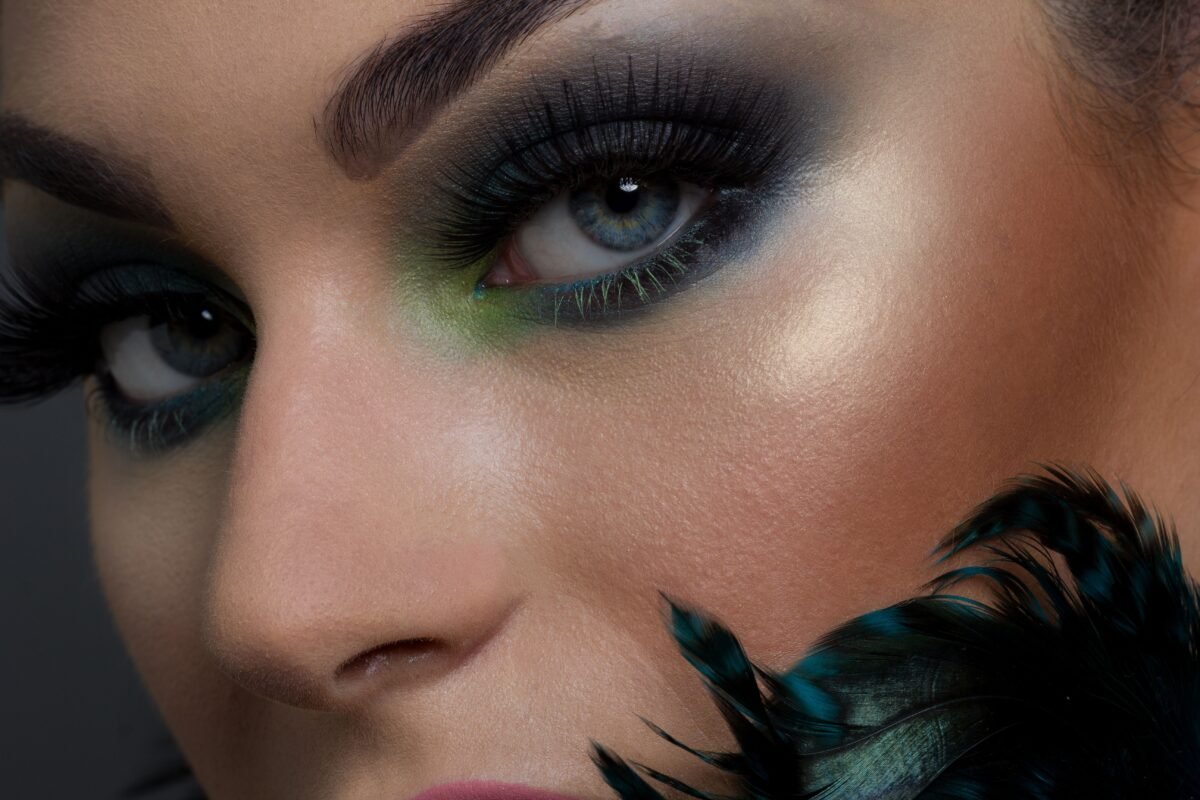
If you want a routine that is easy to repeat, start with just three shades. This method teaches you how to build dimension without complicated techniques. how to apply eyeshadow It is also the simplest answer to “3 shades of eyeshadow, how to apply them?”
Choose Your Three Shades
Select colors from the same general family:
- Light shade: a soft beige, cream, pale peach, or light taupe.
- Medium shade: a medium brown, rose, warm taupe, or muted bronze.
- Deep shade: a darker brown, plum, or charcoal.
The shades do not need to match your skin tone. The most useful combination gives you enough contrast to see where the colors blend.
Apply the Colors in Order
- Start with the light shade. Apply it across the eyelid as a soft base.
- Add the medium shade. Blend it through the crease or transition area.
- Place the deep shade. Concentrate it at the outer corner.
- Blend the boundaries. Soften the edges without removing all the definition.
- Adjust the intensity. Add another thin layer if you want more depth.
This sequence works well as a starting point because it moves from the lightest color to the darkest, which makes it easier to correct mistakes before darker shades become too intense. Some routines apply the crease color before the lid color, how to apply eyeshadow and others start with a light base. Both orders can work depending on the formula and desired finish. As a beginner, pick one order and practice until it feels comfortable.
A One-Color Eyeshadow Look
If three shades still feel like a lot, try a one-color look. This is a good way to learn how to apply one color eyeshadow for beginners. Choose a shade that is slightly deeper than your skin tone, such as a soft brown, rose, or taupe. Apply a thin layer across the lid, then use a clean fluffy brush to blend it softly up toward the crease. how to apply eyeshadow Add a little extra color at the outer corner if you want more depth. This approach is quick, forgiving, and easy to repeat.
Make It Work for Day or Evening
For daytime makeup, keep the medium shade soft and use only a little dark color at the outer corner. A matte finish can look natural and suit school, work, or casual outings. For evening makeup, build the deeper shade gradually and add shimmer to the center of the lid. You can also apply more eyeliner if you want a stronger finish. You do not need to change the entire routine. Small adjustments in color intensity and finish make the same technique work for different occasions.
How to Do a Natural Eyeshadow Look
If you want to know how to apply eyeshadow for a natural look, think soft and close to your skin tone. Here is a simple approach:
- Choose neutral shades such as beige, soft brown, peach, or rose.
- Use matte or satin finishes, and keep shimmer to a minimum.
- Apply a thin layer across the lid, then blend a slightly deeper shade through the crease.
- Add a small amount of color at the outer corner only if you want extra definition.
- Finish with mascara, and skip eyeliner if you prefer a very light look.
Natural eye makeup is less about the specific shades and more about keeping the layers thin and the edges well blended.
How to Do a Smokey Eye for Beginners
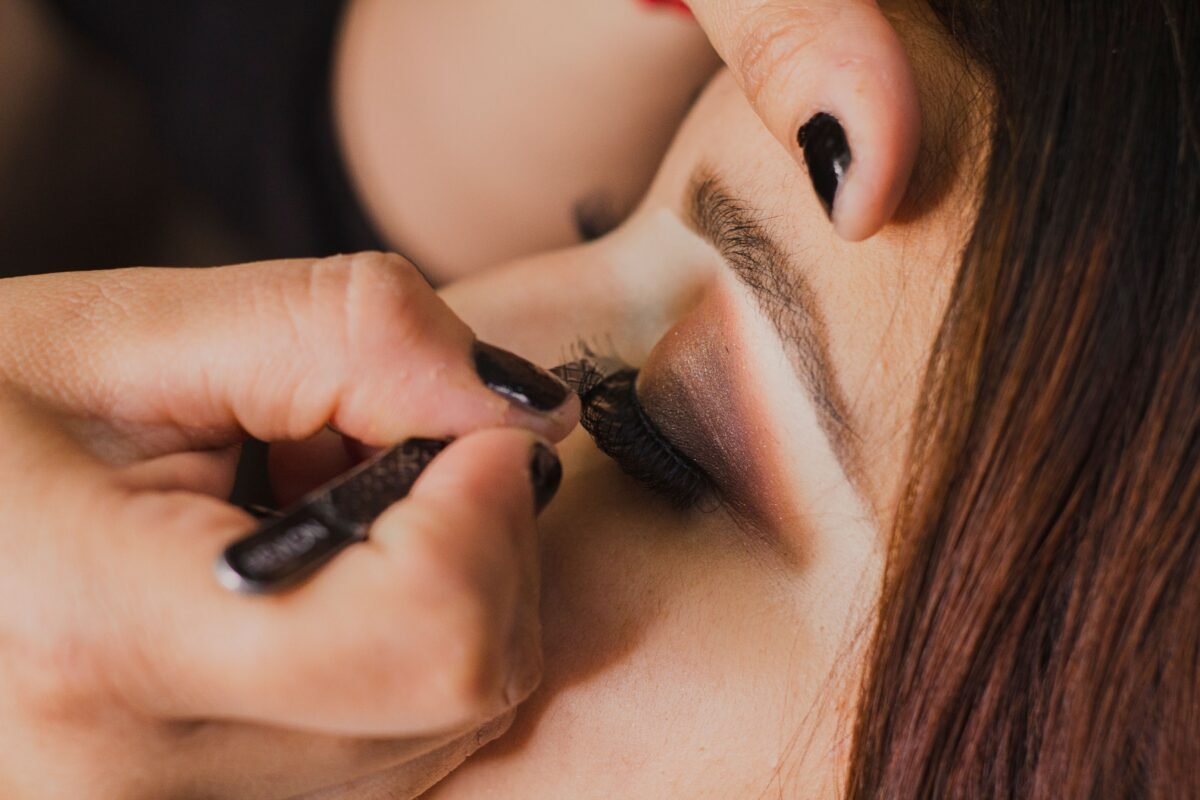
Many beginners want to learn how to do a smokey eye. The principle is the same as the three-color look, just with deeper shades and more blending.
- Prime the lid and apply a light shade as a base.
- Apply a medium shade through the crease.
- Place a darker shade, such as deep brown or charcoal, at the outer corner and along the upper lash line.
- Blend the dark shade upward and inward until the edges look like soft smoke rather than distinct lines.
- Add a little dark shadow along the lower outer lash line, blending it into the upper shade.
- Finish with mascara.
Build the dark shade in thin layers. A smokey eye is easier to control when you start small and add more, and brown tones are often easier to blend than black. how to apply eyeshadow If the look becomes too heavy, a clean blending brush can soften the edges.
How to Choose Eyeshadow Colors and Adapt Them to Your Eye Shape
Choosing colors is easier when you focus on the effect you want instead of looking for a single shade that supposedly suits everyone.
Choose Colors You Enjoy Wearing
Neutral palettes are popular for beginners because the shades are easy to combine. Brown, beige, taupe, bronze, and soft rose can create many everyday looks. If you prefer colorful makeup, start with one accent shade and pair it with neutral colors. how to apply eyeshadow For example, you might combine a muted green lid shade with a brown transition color, or use soft purple with taupe.
Consider the occasion, your outfit, and the finish you enjoy. Matte shadows give a softer look, while shimmer and metallic finishes reflect more light. how to apply eyeshadow Skin tone and undertone can help guide your choices, but they should not limit them. Testing a color in natural light can help you decide if you like it.
Eyeshadow for Brown Eyes and Blue Eyes
Many people look for how to apply eyeshadow for brown eyes or blue eyes. These are style suggestions, not rules, since any shade can look good on any eye color.
- Brown eyes: Many colors work well, including bronze, gold, plum, green, navy, and soft pinks. Some people like a purple or teal shade to add contrast, while others prefer warm browns for a tonal look.
- Blue eyes: If you are learning how to apply blue eyeshadow, or how to apply eyeshadow for blue eyes, note that some people like warm shades such as bronze, copper, peach, or soft brown for contrast, how to apply eyeshadow while others enjoy cool or blue shades for a more matching look. Try a few and see which you prefer.
Eyeshadow Tips for Hooded Eyes
Hooded eyes have skin that partly covers the eyelid when the eyes are open. Depending on the visible lid space, some eyeshadow may disappear into the fold. how to apply eyeshadow If you are wondering how to apply eyeshadow to hooded eyes, or how to put eyeshadow on hooded eyes for beginners, try these tips:
- Check your placement while looking straight ahead.
- Blend the transition shade slightly above the fold if needed.
- Keep the deepest color near the outer corner.
- Use shimmer on the area that stays visible when your eyes are open.
- Avoid applying so much product that it transfers onto the skin above the crease.
The same ideas apply to eye makeup for hooded eyes in general. There is no single correct way to do it. The most useful placement is the one that gives you the result you want when your eyes are naturally open.
Eyeshadow Tips for Monolids
Monolids have little or no visible crease fold, so the usual crease-placement technique may look different. Try blending a medium shade across the area where you want definition to appear, and keep the deeper shade near the outer lash line or outer portion of the lid. You can also try a gradient, how to apply eyeshadow moving from a lighter inner area to a darker outer area. Check your makeup with your eyes open to see how much color is visible. Avoid forcing a crease where you do not naturally have one. Your eyeshadow does not need to imitate another eye shape to look balanced.
Eyeshadow Tips for Deep-Set or Downturned Eyes
For deep-set eyes, consider keeping the lid color visible and using a medium transition shade with a light hand. A very dark shade across the entire crease can sometimes create more depth than you want. For downturned eyes, how to apply eyeshadow you may prefer to concentrate the deeper color near the outer lash line and blend it gently upward, which can create a more lifted look if that is your goal. These are optional styling ideas, not rules. People can have several features at once, so adjust placement to your own eyes.
Eyeshadow Tips for Mature Eyes and Over 50
If you are looking for how to apply eyeshadow for mature eyes, or how to apply eye makeup for over 50, the most useful advice focuses on texture, comfort, and blending, not on age-based restrictions.
- Prepare gently. Start with clean, lightly moisturized lids, and let products settle before applying makeup.
- Consider finish. Matte and satin shades are often comfortable choices, while very glittery or heavy shimmer may emphasize texture for some people. Preferences vary.
- Use thin layers. Build color slowly, and avoid packing product into creases.
- Tap and press. Gentle pressing can help powder sit on the lid without dragging the skin.
- Try cream formulas carefully. If you are curious about how to apply cream eyeshadow for mature eyes, choose a formula that glides on and blends easily, use a very small amount, and set it lightly if it tends to crease.
There is no rule that mature eyes must avoid certain colors or techniques. Choose the shades and finishes that you enjoy and that feel comfortable throughout the day.
Common Eyeshadow Mistakes, Longevity, and Hygiene
A few small adjustments can make eyeshadow easier to apply and help the finished look appear smoother.
Mistake 1: Applying Too Much Product
Using too much pigment at once is one of the most common beginner problems. Heavy layers are hard to blend and may create uneven patches. Pick up a small amount of product, tap off any excess powder, apply one thin layer, how to apply eyeshadow blend it, and then decide if you need more. This is especially useful with dark or highly pigmented shades.
Mistake 2: Skipping Blending
Applying separate shades without softening their boundaries can leave visible stripes or harsh edges. Use a fluffy brush to blend where the colors meet, with gentle and controlled movements so you do not remove too much pigment. how to apply eyeshadow If the colors become muddy, stop blending and reassess the placement. Adding a small amount of the original shade may restore definition.
Mistake 3: Using Too Many Shades at Once
A large palette can make it tempting to try several colors right away, but more shades mean more placement and blending decisions. Practice with two or three colors until you understand how they work together, how to apply eyeshadow then add more one at a time. A simple, well-blended look often seems more intentional than a complicated one with poorly blended colors.
Mistake 4: Ignoring Fallout
Fallout refers to loose eyeshadow particles that fall onto the skin under the eyes or onto the cheeks during application. To reduce it:
- Tap excess powder from your brush before applying.
- Press shimmer shades onto the lid instead of sweeping them aggressively.
- Use a small amount of product and build gradually.
- If convenient, apply eyeshadow before foundation so you can clean away loose particles afterward.
If powder lands beneath your eyes, gently remove it with a clean, soft brush or another suitable makeup-removal method. Avoid rubbing particles into the eye.
Mistake 5: Using the Wrong Base
Eyeshadow may look patchy or fade unevenly when the lid is very oily, overly moisturized, or coated with a base that does not work well with the formula. Allow skin care products to settle before applying makeup. how to apply eyeshadow Try primer if you need a more even surface, but avoid a thick layer of several different base products. If a product consistently becomes patchy, experiment with a different formula or application method instead of assuming your technique is always the problem.
How to Make Eyeshadow Stay
Eyeshadow longevity depends on the formula, skin type, environmental conditions, and how the product is applied. No single technique guarantees a specific wear time, how to apply eyeshadowbut these steps may help you make eyeshadow stay:
- Begin with clean eyelids.
- Use a small amount of primer if your eyeshadow tends to crease or fade.
- Apply thin layers rather than one heavy layer.
- Let cream products settle before layering other formulas.
- Avoid rubbing your eyes after application.
- Follow the product’s instructions for use and removal.
If you have oily lids, a primer designed for eyeshadow may be worth trying. If your lids are dry, choose a formula that applies smoothly without emphasizing dryness. how to apply eyeshadow Do not keep adding powder to a heavily creased area without checking the cause, because too many layers can create a thicker finish instead of solving the problem.
Keep Eye Makeup Clean and Safe
Eye makeup hygiene deserves attention, especially when products are used close to the eyes. According to the U.S. Food and Drug Administration, contaminated eye cosmetics can cause infections. Clean hands, clean tools, and careful product handling help reduce contamination risks.
- Wash your hands before applying eye makeup.
- Clean brushes regularly and let them dry properly.
- Avoid sharing eyeshadow, mascara, applicators, and other eye cosmetics.
- Keep products closed when not in use and follow storage instructions.
- Follow the manufacturer’s guidance on how long a product should be kept after opening.
- Do not add water or saliva to makeup to change its consistency.
- Avoid applying products inside the eye unless they are specifically intended for that use.
- Stop using a product that causes irritation, redness, or discomfort.
If you develop persistent eye irritation or other concerning symptoms, seek appropriate medical advice instead of trying to cover the problem with makeup.
A Note on Making Your Own Eyeshadow Palette
Some people enjoy building a custom palette by placing their favorite shades into an empty magnetic palette. If you are curious about how to make your own eyeshadow palette, follow the instructions that come with the palette and the shades you choose, keep tools clean, how to apply eyeshadow and be careful with anything that involves heat or adhesives near products that go on your eyes. Not every product is designed to be removed from its original pan, so check the manufacturer’s guidance first. For a beginner, a ready-made three-shade palette is usually simpler and safer to start with.
Frequently Asked Questions
How do you apply eyeshadow for beginners?
Start with clean eyelids and apply primer if needed. Sweep on a light base shade, blend a medium color through the crease or transition area, and add a little deeper color at the outer corner. Blend the edges and finish with optional shimmer, eyeliner, or mascara.
What is the easiest eyeshadow look for a beginner?
A three-shade neutral look is an easy starting point. Use a light shade on the lid, a medium shade through the crease or transition area, and a darker shade at the outer corner. Blend the colors gently for a soft finish. A one-color look is even simpler.
Should you apply light or dark eyeshadow first?
Applying a light base followed by medium and darker shades is a simple sequence for beginners, because it lets you build definition gradually. Other sequences can also work, depending on your formula, technique, and preferred result.
How many eyeshadow colors should a beginner use?
Two or three colors are enough to learn basic placement and blending. Start with a light shade, a medium transition shade, and an optional deeper shade. Add more colors once you feel comfortable.
Do beginners need eyeshadow primer?
No. Primer is optional. It can help create an even base and may improve wear for some formulas, particularly on oily lids. If your makeup applies smoothly and lasts well without primer, you may not need another product.
Can you apply eyeshadow with your fingers?
Yes. Clean fingers work well with many cream and shimmer formulas. Use a gentle pressing motion to place the product on the lid. Brushes are often more useful for blending powder eyeshadow through the crease and softening edges.
How do you apply cream eyeshadow?
Dab a small amount onto the lid with a clean fingertip or a brush, then pat and blend it before it sets. Use thin layers, and set it lightly with a matching powder if your lids tend to crease.
How do you use an eyeshadow stick?
Draw a small amount of color onto the lid, then blend it right away with a clean finger or a brush. Work quickly, since some formulas set fast, and avoid pressing too hard on the delicate skin of the eyelid.
Why does my eyeshadow look patchy?
Patchiness can result from applying too much product, uneven lid preparation, or using a formula that is hard to blend. Try thinner layers, a clean brush, and a suitable base. Check the product instructions if the problem continues.
How do you apply eyeshadow to hooded eyes?
Look straight ahead while applying your transition shade so you can see where the color remains visible. You may need to blend the shade slightly above the natural fold and keep darker colors near the outer corner. Adjust the placement to your eye shape.
Is powder or cream eyeshadow better for beginners?
Both can work. Powder eyeshadow is versatile for layering and blending, while cream eyeshadow can be convenient for quick application. Choose the formula you find easiest to control, and consider whether you prefer a matte, satin, or shimmery finish.
How can you stop eyeshadow from creasing?
Start with clean eyelids and avoid too much skin care or base product. Try an eyeshadow primer if needed, use thin layers, and let cream formulas settle. If creasing continues, test a different formula that suits your lids.
What is a transition shade in eyeshadow?
A transition shade is a medium color that softens the boundary between lighter and darker eyeshadow. It is usually blended through the crease or just above it, depending on your eye shape and desired look.
Should you apply eyeshadow before or after foundation?
Applying eyeshadow before foundation can make it easier to remove fallout without disturbing your base makeup. However, either order can work. Choose the sequence that fits your products and makes your routine easier.
Final Tips for Applying Eyeshadow With Confidence
Learning how to apply eyeshadow for beginners is mainly about understanding placement, using a small amount of product, and blending patiently. You do not need a complicated palette or expensive brushes to create a polished look.
Start with three shades. Apply the light color first, blend a medium shade through the transition area, and add a little depth at the outer corner. Keep your brush movements gentle, check your makeup with your eyes open, and adjust the placement to suit your features.
If your first attempt looks uneven, do not feel you need to start over immediately. A clean blending brush can soften harsh edges, and a small amount of additional color can restore definition where it is needed.
Practice the same simple routine several times before trying elaborate techniques. Once you understand how the shades work together, you can explore colorful palettes, shimmer finishes, eyeliner styles, smokey eyes, and looks for special occasions.
The goal is not to follow every makeup rule perfectly. It is to learn a few reliable techniques, discover what works for your eyes, and create a look that makes you feel comfortable and confident.