How to Choose the Right Lipstick Shade: Essential Easy Guide
A simple, step-by-step guide to finding lipstick colours that suit your undertone, skin depth and natural lip colour, whether you shop in a store or online.
You pick up a gorgeous lipstick, swatch it on your hand, love it, and then it looks completely different on your lips. how to choose the right lipstick shade Sound familiar? You are not alone. Choosing a lipstick shade feels like guesswork because the final look depends on several things at once: your skin undertone, your skin depth, your natural lip colour, the formula and even the lighting around you.
The good news is that how to choose the right lipstick shade is a skill you can learn in four steps: identify your undertone, consider your skin depth, factor in your natural lip colour, and test the shade properly. how to choose the right lipstick shade This guide walks you through each step, with practical tables, examples and mistakes to avoid, so you can shop with confidence and stop wasting money on shades that end up in a drawer.
Quick Answer: How to Choose the Right Lipstick Shade in 4 Steps
If you only have a minute, here is the whole process:
- Find your undertone (cool, warm, neutral or olive) using several clues, not just one test.
- Match your skin depth (fair, light, medium, tan, deep) to the right level of brightness or richness.
- Check your natural lip colour, because it changes how the lipstick looks, especially with sheer formulas.
- Test in natural light before you buy, on your lips if possible, and compare more than one finish.
The rest of this article explains each step in detail.
Why the Same Lipstick Looks Different on Different People

A lipstick is a mix of pigment, oils, waxes and sometimes shimmer. When it sits on your lips, three things change what you see:
- Your skin tone around the lips. The colour of your face frames the lipstick. A coral that glows on one person can look orange on another.
- Your natural lip pigmentation. Lips are naturally pink, brown, mauve or deeper in tone. Sheer and semi-sheer formulas let that colour show through and blend with the lipstick.
- The formula and finish. A matte opaque lipstick covers your natural colour, while a gloss or sheer balm only tints it.
This is why colour theory alone is not enough. how to choose the right lipstick shade A shade that looks perfect in a bullet or on a model may behave differently on you. Understanding these three factors puts you in control.
Step 1: How to Identify Your Skin Undertone
Your skin tone (or depth) is how light or dark your skin looks on the surface. Your undertone is the subtle hue beneath it: cool (pink, red or blue), warm (yellow, peachy or golden), neutral (a mix of both) or olive (a green or grey-gold cast). how to choose the right lipstick shade Two people with the same depth can have completely different undertones, which is why undertone matters so much for lipstick.
Here is the important part: no single test gives a guaranteed answer. Use several clues together and look for the pattern.
The Vein Test (Use It as a Clue, Not Proof)
Look at the veins on the inside of your wrist in natural light.
- Veins that look blue or purple can suggest a cool undertone.
- Veins that look green or olive can suggest a warm undertone.
- If you cannot tell, or see both, you may be neutral.
Many people find this test confusing because skin thickness, lighting and depth all affect how veins look. Treat it as one clue only.
The Jewellery Test
Hold gold and silver jewellery against your skin in daylight.
- Silver looks more flattering: often cool.
- Gold looks more flattering: often warm.
- Both look good: often neutral.
The White vs Cream Fabric Test
Hold a plain white cloth and then an off-white or cream cloth near your face, without makeup, in daylight.
- If pure white makes your skin look brighter and cleaner, you may lean cool.
- If cream or off-white looks better, you may lean warm.
- If there is little difference, you may be neutral.
How Your Skin Reacts to the Sun
Skin that burns easily and turns pink or red often leans cool, while skin that tans easily and looks golden often leans warm. how to choose the right lipstick shade This is a hint, not a rule, since sun reaction also depends on your skin type and genetics.
The Lipstick Swatch Comparison (The Most Practical Test)

This is the test most guides skip, and it is often the most reliable. Pick two or three lipsticks from different colour families, for example a blue-leaning berry, a yellow-leaning coral and a balanced rose. how to choose the right lipstick shade Put each on your lips (or, in a store, use a clean applicator) and look in natural light.
- If the blue-toned shades make your skin look fresh and your teeth look brighter, you probably lean cool.
- If the orange or golden shades look the most natural and harmonious, you probably lean warm.
- If both families work, you are probably neutral.
What If You Are Olive?
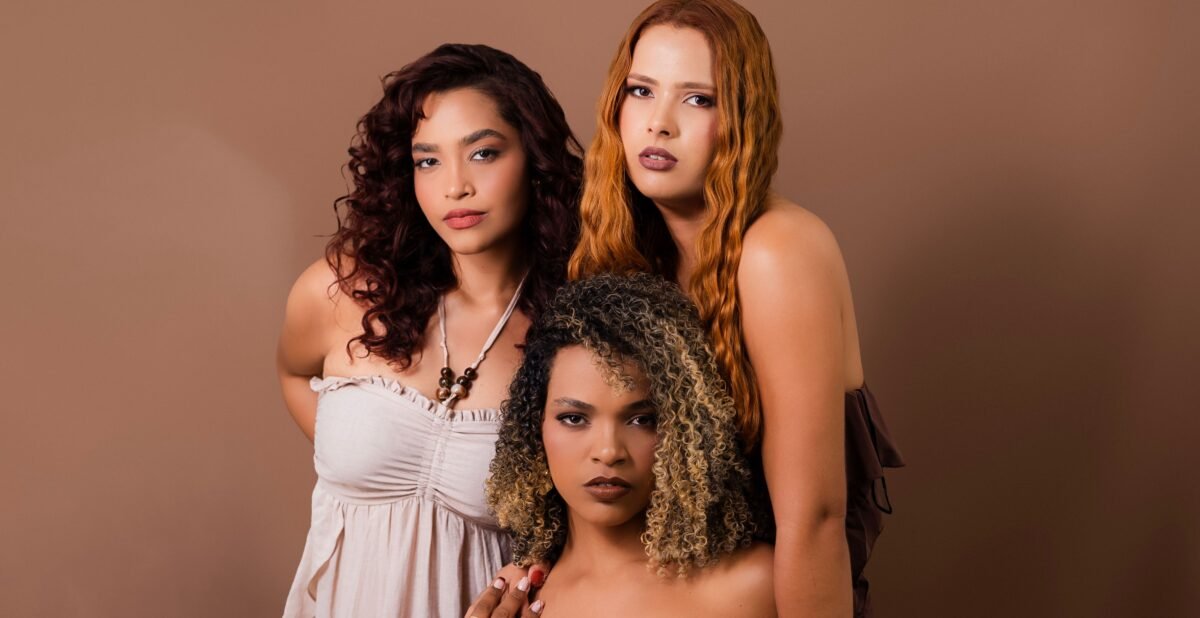
Olive undertones have a greenish or grey-gold cast and are often mistaken for warm or neutral. A common sign is that very pink shades look harsh or ashy, while very orange shades can look muddy or too yellow. how to choose the right lipstick shade Olive skin often looks best in colours with a balanced, slightly muted richness: warm berries, terracotta, brick red, deep rose and earthy nudes. Do not worry if you cannot place yourself perfectly; olive often overlaps with neutral and warm.
Undertone Summary Table
| Clue | Cool | Warm | Neutral | Olive |
|---|---|---|---|---|
| Veins | Blue or purple | Green | Mix of both | Often greenish-looking |
| Jewellery | Silver flatters | Gold flatters | Both flatter | Gold or bronze often flatters |
| Fabric | White looks better | Cream looks better | Little difference | Muted tones look better than stark white |
| Sun reaction | Burns, turns pink | Tans easily | Varies | Tans easily, rarely looks pink |
| Best lipstick direction | Blue-based pinks, berries, cool reds | Coral, peach, orange-red, warm brown | Rose, soft red, balanced nude | Brick, terracotta, warm berry, deep rose |
These are guidelines, not strict rules. how to choose the right lipstick shade If your results point in different directions, you are likely neutral, and that gives you the widest range of shades.
Step 2: How to Choose Lipstick by Skin Depth
Once you know your undertone, skin depth decides how light, bright or deep a shade should be so that it shows up well without overpowering your face.
Fair Skin
Fair skin shows contrast easily. Very dark, heavy shades can look dramatic, while soft shades look delicate. Sheer pinks, peachy nudes, rosy mauves and classic reds all work. For a bolder look, choose a bright red or a berry stain. how to choose the right lipstick shade If you lean cool, try blue-based pinks. If you lean warm, try peach or soft coral.
Light to Medium Skin
This range is flexible. Rose, raspberry, warm pink, mauve, brick red and caramel nudes all tend to work. Adjust the colour family to your undertone and the level of intensity to the occasion.
Medium to Tan Skin
Skin in this range often suits richer, more saturated colours. Think terracotta, cinnamon, deep coral, warm berry, rosewood and chocolate-brown nudes. how to choose the right lipstick shade Very pale nude lipsticks can look chalky, so go a few shades deeper than your instinct suggests, or choose a nude with a little warmth.
Olive Skin
As mentioned above, look for colours that are slightly muted or earthy rather than extremely neon or icy. how to choose the right lipstick shade Brick red, burnt orange, plum, wine and dusty rose often look striking, and a nude with a touch of brown or caramel looks natural.
Deep Skin
Deep skin tones suit strong, saturated and rich colours beautifully. Plum, burgundy, deep berry, bold red, fuchsia, terracotta and warm brown are all excellent. how to choose the right lipstick shade Very light or chalky nudes can look washed out, so pick nudes that are a shade or two deeper than your skin, or add a warm or berry tint.
Skin Depth and Undertone Together: Quick Shade Examples
| Skin depth and undertone | Natural everyday look | Bolder look |
|---|---|---|
| Fair, cool | Soft rose, pink nude | Blue-red, raspberry |
| Fair, warm | Peach nude, soft coral | Orange-red, bright coral |
| Light, neutral | Warm rose, muted pink | Classic red, berry |
| Medium, warm | Caramel nude, warm pink | Brick red, deep coral |
| Olive, medium | Dusty rose, caramel-brown | Terracotta, wine |
| Tan, neutral | Rosewood, mauve-brown | Berry, deep red |
| Deep, cool | Plum-brown, berry stain | Burgundy, fuchsia |
| Deep, warm | Chestnut brown, warm nude | Deep orange-red, rich terracotta |
Use this table as a starting point and trust the mirror over the chart.
Step 3: How Natural Lip Colour Affects Your Lipstick Shade
This is the step most people forget. Your lips are not a blank canvas, and their natural pigment changes the final result, especially with lighter or sheer formulas.
- Naturally pink lips will add a rosy tone under sheer lipsticks, which can make a beige nude look pinker.
- Naturally brown or deeper lips can make light nudes look greyish or muddy, and can make a plum look even deeper.
- Naturally pale lips tend to show the lipstick colour more truthfully.
- Darker or uneven pigmentation may need a more opaque formula or a thin layer of concealer or lip primer to show the true shade.
Sheer vs Opaque: What Changes
Sheer or tinted formulas blend with your natural lip colour. They give a soft, natural result but vary the most from person to person. how to choose the right lipstick shade Opaque formulas cover your natural colour and look closer to what you see in the tube.
If you want the exact colour you see in the bullet, choose a creamy opaque or matte formula. If you want a “your lips but better” look, choose a balm, tint or sheer lipstick, and remember that the result will be unique to you.
Step 4: Choose the Right Finish
Finish changes how a colour looks and feels, so it is worth thinking about early.
| Finish | Look | Best for | Things to keep in mind |
|---|---|---|---|
| Matte | Flat, bold, long-lasting | Bold colours, defined edges, long wear | Can emphasise dryness and lip lines |
| Satin | Soft sheen, comfortable | Everyday wear, most lip types | Slightly less lasting than matte |
| Cream | Rich, creamy and hydrating | Dry lips, classic colour payoff | May feather without liner |
| Sheer or balm | Natural, translucent tint | A soft, effortless look | Shows natural lip colour; needs reapplication |
| Gloss | Shiny, plump look | Fuller-looking lips, casual looks | Less long-lasting; can feel sticky |
Matte makes a bold shade look dramatic, cream makes the same shade look polished and softer, and sheer makes it look like a wash of colour. So the same red can feel formal, classic or casual depending on the finish.
Best Lipstick Colours for Different Undertones
Cool Undertones
Cool undertones suit shades with blue or pink bases. Look for raspberry, cool pink, rose, mauve, plum, burgundy and blue-toned reds. Very orange or golden shades can clash.
Warm Undertones
Warm undertones look beautiful in peach, coral, apricot, brick red, orange-red, warm brown and caramel nudes. Very icy pinks and blue-based berries can look harsh.
Neutral Undertones
If you are neutral, you are lucky: most colours work. Rose, true red, balanced nudes, soft berry and mauve are safe bets. Try both cool and warm shades and see which you prefer.
Olive Undertones
Go for earthy, balanced and slightly muted shades: terracotta, brick, warm plum, deep rose and brown-based nudes. how to choose the right lipstick shade Test extremely bright pink or neon shades carefully before buying.
How to Choose Red, Nude and Pink Lipstick
These three families are the most popular, and each has a good match for each undertone.
Choosing a Red
- Cool: blue-red or cherry red
- Warm: orange-red or tomato red
- Neutral: true red with balanced undertones
- Olive: brick red or a slightly deeper, earthy red
A tip: a red that looks too bright can often be toned down by choosing a satin finish or blotting the colour for a stained effect.
Choosing a Nude
The best nude is not the colour of your skin. how to choose the right lipstick shade It is usually slightly deeper or warmer than your skin, so that your lips still look defined.
- Fair: peachy, rosy or soft beige-pink
- Medium and olive: caramel, tan, rosy brown
- Deep: chestnut, mocha, warm brown with a hint of berry or rose
Choosing a Pink
- Cool: blue-pink, raspberry pink, orchid
- Warm: coral-pink, salmon, peach-pink
- Neutral: rosy pink, bubblegum with a soft base
- Olive: dusty rose, muted pink with a hint of brown
How to Test Lipstick Before Buying
Testing properly saves money. Follow this checklist whenever you can.
- Look in natural light. Store lighting can be yellow, white or unflattering. Step near a window or bring the tester outside if the store allows it.
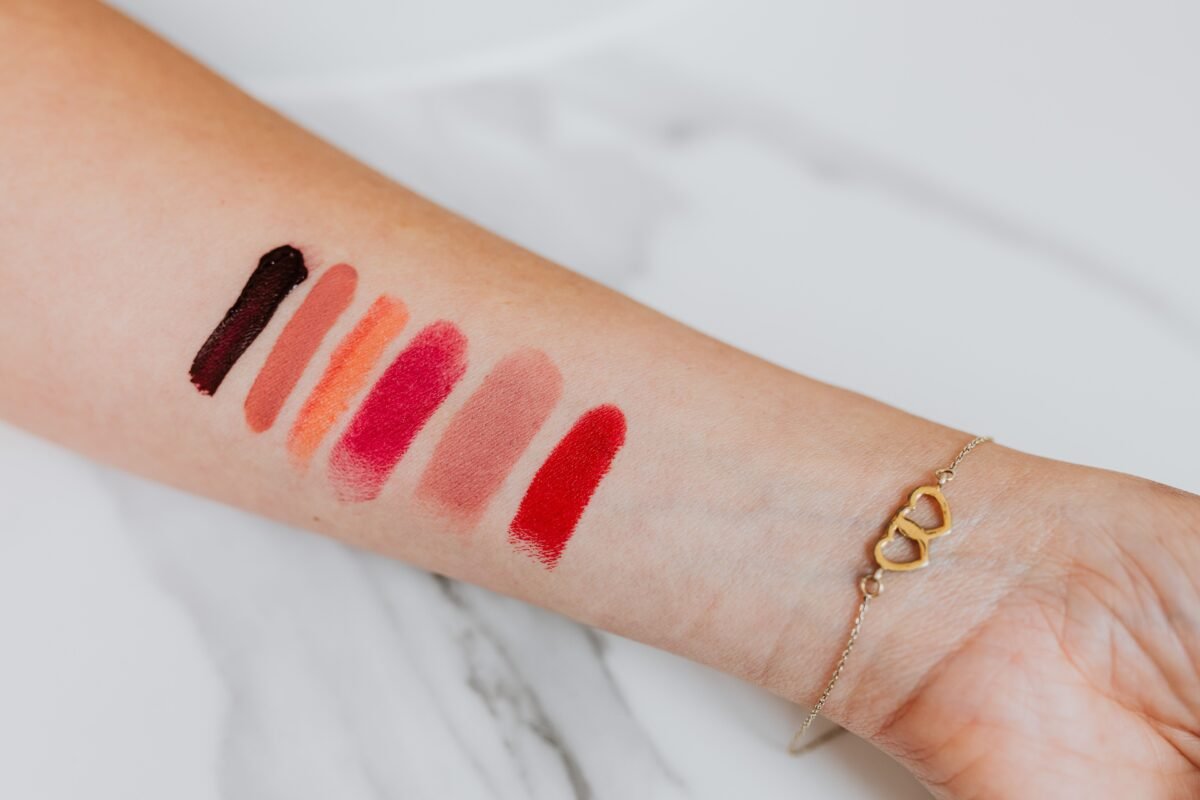
- Do not rely on the hand swatch alone. The skin on your hand has a different tone and no lip pigment, so the result can mislead you. Use it only to compare colours, not to make the final decision.
- Test on your lips when hygiene allows. Use a clean disposable applicator, or ask a staff member to apply it for you. Many stores offer these.
- Test on your fingertip or the inside of your lower lip edge if you cannot apply it to your lips. Fingertip skin often has a pinkish tone that is closer to lip colour than the back of your hand.
- Wait a few minutes. Some lipsticks change as they settle and oxidise. A shade can look different after five minutes.
- Compare finishes. Try the same colour family in a matte, satin and sheer version if possible. You may love the colour but dislike the finish.
- Check your teeth and your face. A good shade makes your face look fresh and your teeth look bright, not dull or yellow.
- Take a quick photo. Check the photo in daylight and see how the colour appears on camera as well as in the mirror.
How to Choose Lipstick Online
Online shopping is convenient, but screens can change colours. These steps help you avoid disappointment.
- Read the shade description. Look for words like cool, warm, neutral, berry, brick or rose, plus the finish (matte, sheer, cream).
- Look for swatches on multiple skin tones. Brand photos are often edited. Real customer photos and swatch videos on different skin depths are much more useful.
- Compare the shade with a lipstick you already own. If a reviewer says it is similar to a shade you have, you can predict the result.
- Choose photos taken in natural light when you can, since indoor flash can change the colour.
- Remember your screen is not perfect. Brightness, filters and display settings all shift colour.
- Check the return or exchange policy. Some stores do not accept returns on opened cosmetics, so read the terms before you buy.
- Start with safer shades. If you are unsure, buy a shade in the colour family that matched your undertone test and a finish you are comfortable with.
- Consider a mini or sample size first, when available.
Quick Lipstick Shade Finder Chart
Use this chart when you are in a hurry.
| Undertone | Natural-look shades | Bold-look shades | Shades to test carefully |
|---|---|---|---|
| Cool | Rose, pink nude, soft mauve | Raspberry, plum, blue-red | Strong orange or golden coral |
| Warm | Peach, caramel nude, warm pink | Coral, brick red, orange-red | Icy blue-pink, cool berry |
| Neutral | Balanced nude, soft rose | True red, berry, deep rose | Extreme neons (depends on the person) |
| Olive | Dusty rose, brown-nude | Terracotta, wine, brick | Very icy pink, bright neon |
Common Lipstick Shade Mistakes to Avoid
- Relying on a single undertone test. Veins, jewellery and fabric are only clues. Combine them with real lipstick comparisons.
- Choosing a nude that matches your skin exactly. This can wash you out. Go slightly deeper, warmer or pinker.
- Ignoring your natural lip colour. Sheer lipstick blends with your lip pigment, so the result may differ from the swatch photo.
- Testing only on the back of your hand. The hand does not show how a colour looks near your face.
- Judging a shade in bad lighting. Store lights and bathroom lights can mislead you.
- Forgetting about finish. A colour you love in cream may feel too harsh in matte.
- Following rules too strictly. Colour guidelines are helpful, but personal preference matters. If you love a shade that “should not” suit you, try it with a different finish or a softer application.
- Buying online without checking real swatches. Brand photos are not always accurate.
- Skipping lip care. Dry or flaky lips can make any shade look patchy. Exfoliate gently and use a balm before applying.
- Never updating your shade. Your skin changes with seasons, sun exposure and age. A shade that suited you last year may need a tweak.
Tips to Make Any Lipstick Shade Look Better
- Prep your lips. A light layer of balm, blotted before lipstick, gives a smoother finish.
- Use a lip liner close to your shade, which keeps colour from feathering and gives definition.
- Apply in thin layers. Build the colour rather than applying one heavy coat.
- Blot for a softer look. Press a tissue gently on your lips for a stained effect.
- Soften a bold shade. Dab it on with your finger and blend outwards for a gradient look.
- Match your makeup. If you wear a bold lip, keep your eye and blush makeup lighter, and the reverse for a natural lip.
Frequently Asked Questions
How do I know which lipstick shade suits me?
Start with your undertone (cool, warm, neutral or olive), then consider your skin depth and natural lip colour. Test two or three shades from different colour families in natural light and see which one makes your face look fresh and your teeth look brighter.
Does skin tone or undertone matter more for lipstick?
Both matter. Undertone decides the colour family (blue-based versus orange-based), while depth decides how light, bright or rich the shade should be. If you must prioritise, start with undertone, then adjust for depth.
What lipstick colour suits olive skin?
Earthy, balanced shades like terracotta, brick red, warm berry, dusty rose and caramel-brown nudes often work well. Very icy pinks or extremely bright neons can look harsh, so test them carefully.
What is the best nude lipstick for my skin tone?
Choose a nude slightly deeper or warmer than your skin, not an exact match. Fair skin often suits peachy or rosy nudes, medium and olive skin suit caramel or rosy brown, and deep skin suits chestnut, mocha or berry-tinged browns.
Can I wear a lipstick that is not recommended for my undertone?
Yes. These guidelines are not strict rules. You can often make a “wrong” shade work by changing the finish, applying it more sheer, or balancing it with your makeup. What matters is that you like how it looks.
Why does lipstick look different on my lips than in the tube?
Your natural lip pigment, the opacity of the formula and the lighting all change the result. Sheer and creamy formulas let your lip colour show through, while opaque formulas look closer to the bullet.
Should I test lipstick on my hand or lips?
A hand swatch is fine for comparing colours quickly, but it does not predict how the shade looks on your lips. If possible, test on your lips with a clean applicator, or use your fingertip as a closer substitute.
How can I buy lipstick online without testing it?
Look for swatches on several skin tones, read the finish description, check photos taken in natural light, compare with shades you already own and confirm the return policy before ordering.
Final Thoughts on How to Choose the Right Lipstick Shade
Choosing the right lipstick shade does not have to be a guessing game. Follow the four steps: identify your undertone, match your skin depth, consider your natural lip colour and test the shade in natural light. Use the tables as starting points, not strict rules, and remember that the best lipstick is the one that makes you feel confident.
When you are unsure, start with a shade in your undertone’s colour family, choose a finish you enjoy wearing and adjust from there. With a little practice, you will quickly learn which colours flatter you and walk past the shelves with confidence.
Planning an outfit for a special evening? See what is a maxi dress and how to style it, then pick a lipstick shade to match.