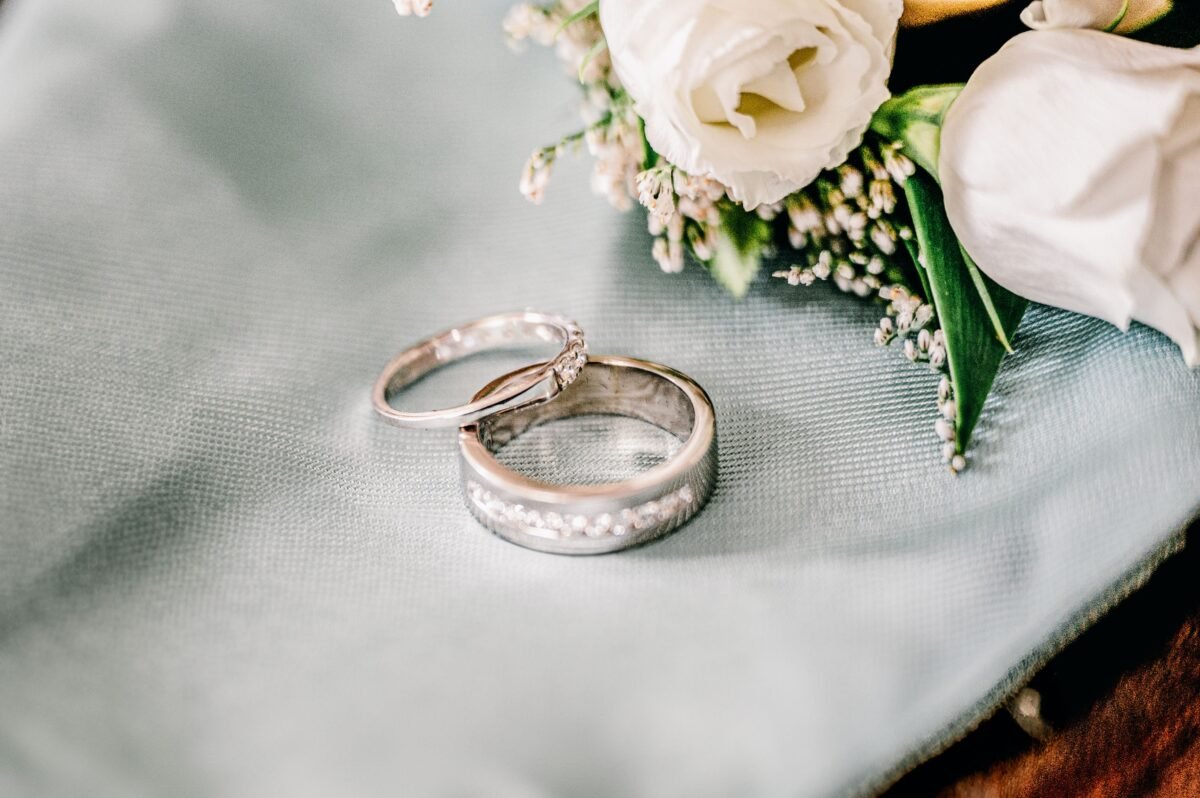
Permanent Jewelry 101: The Beautiful Guide to Forever Jewelry
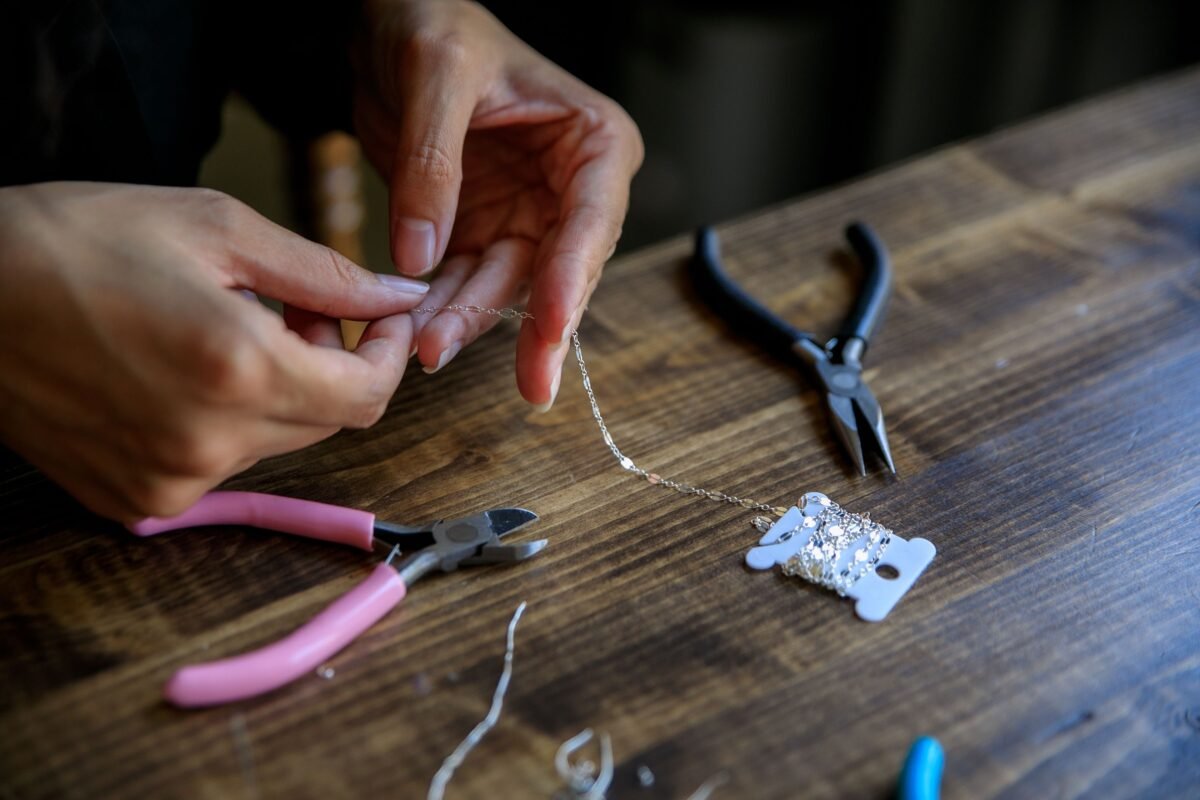
Permanent jewelry has become a popular choice for people who love simple accessories with personal meaning. From delicate chains worn every day to matching bracelets shared by couples and friends, this style offers a way to keep a favorite piece close without dealing with a traditional clasp. A permanent bracelet, necklace, or anklet can represent a relationship, a special occasion, or simply a personal fashion preference.
Despite the name, permanent jewelry is not impossible to remove. It usually consists of a chain fitted around the wrist, ankle, or neck and joined with a small weld instead of a conventional clasp. The result is a piece designed for continuous wear, although it can generally be removed when necessary.
Before choosing forever jewelry, it helps to understand the available materials, the fitting process, the expected cost, and the practical considerations of wearing a welded chain every day. Knowing how to care for the jewelry and what to do if it breaks can also help you decide whether this trend suits your lifestyle.
What Is Permanent Jewelry?
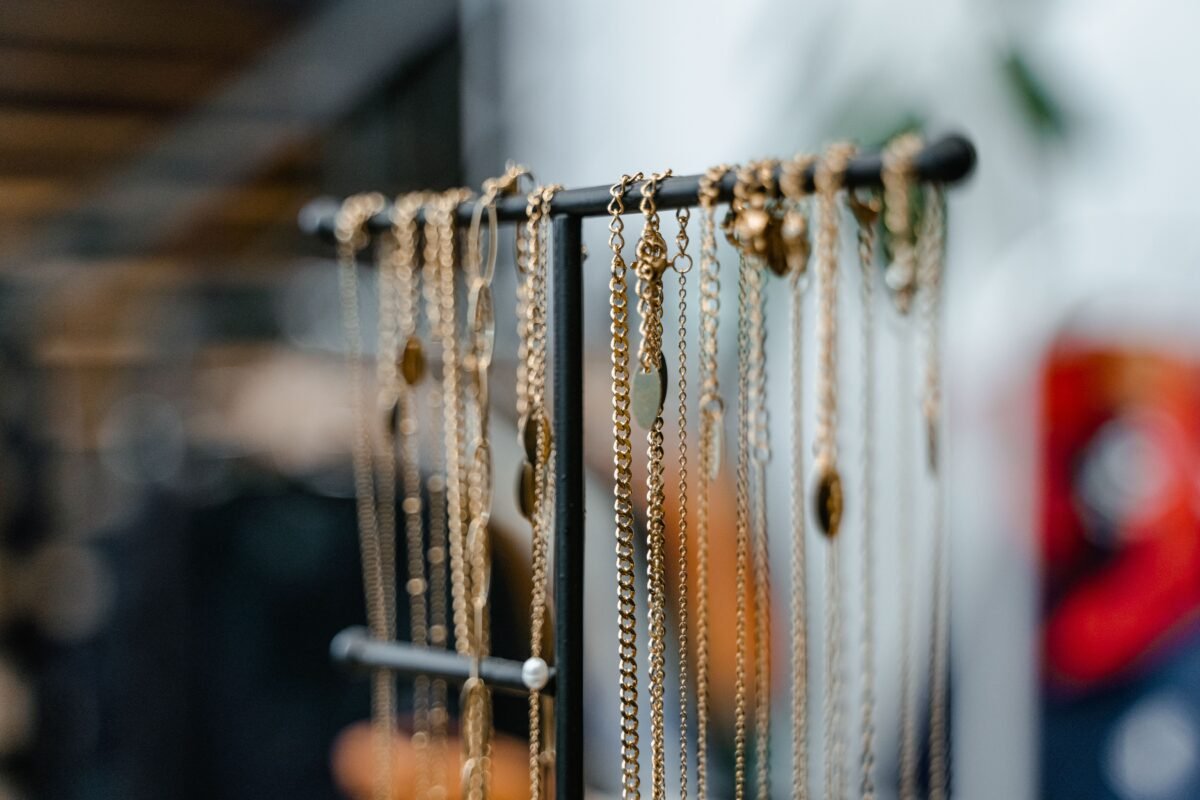
Permanent jewelry is a type of clasp-free jewelry that is fitted to the wearer and closed with a small weld. The most common options include bracelets, anklets, and necklaces, although some jewelers offer other designs.
Unlike a conventional bracelet that opens and closes with a clasp, a permanent bracelet forms a continuous loop around the wrist. A jeweler measures the chain, adjusts it for comfort, and connects its ends using specialized equipment. The chain is not welded to the skin.
The word “permanent” describes the intention to wear the jewelry continuously rather than remove it every day. It does not mean the piece can never be taken off. A chain can usually be cut at an appropriate point if the wearer needs to remove it.
Some people call this style forever jewelry, while others use terms such as welded jewelry, fused jewelry, or zapped jewelry. These expressions commonly refer to the same general concept, although individual businesses may use different terminology for their services.
Why Is It Called Forever Jewelry?
Forever jewelry is named for its design and symbolism. Because the chain has no conventional clasp, it can remain on the wearer during normal daily activities without needing to be fastened each morning.
For some people, a forever bracelet represents a friendship, relationship, family connection, or meaningful life event. Others choose it because they enjoy wearing minimalist accessories without changing their jewelry regularly.
However, a bracelet that stays on every day still requires care. Chains can break, metal can tarnish, and certain situations may require removal. The sentimental meaning can last even if the physical piece eventually needs repair or replacement.
Permanent Jewelry vs. Traditional Jewelry
Traditional jewelry usually has a clasp, hook, or closure that allows the wearer to take it off easily. Permanent jewelry replaces that closure with a joined connection.
The main difference is convenience. A traditional bracelet offers flexibility, while a permanent bracelet is designed to stay in place. Neither option is automatically better. Someone who likes changing accessories or needs to remove jewelry frequently may prefer a conventional design.
How Does Permanent Jewelry Work?
Getting permanent jewelry is generally a straightforward appointment. The exact process varies by jeweler, chain design, and the type of equipment used, but most appointments follow a similar sequence.
Choosing a Chain and Metal
First, choose a chain style and material. Popular options include delicate gold, gold-filled chains, sterling silver, and other metal alloys. Some studios also offer charms, small connectors, or decorative details.
Think about where you plan to wear the piece. A thin chain may provide a subtle appearance, while a more substantial design may suit someone who prefers a noticeable accessory. Ask about the chain’s metal composition and care requirements before making a decision.
Measuring for a Comfortable Fit
The jeweler measures the intended area and selects a suitable chain length. The fit should allow comfortable movement without excessive looseness or tightness.
A chain that is too tight may cause discomfort, while an overly loose chain may catch on clothing or objects more easily. Tell the jeweler if you prefer a close-fitting bracelet or a little extra movement.
The correct fit also matters for necklaces and anklets. Your jeweler should explain how the design will sit on your body and whether it is appropriate for your everyday activities.
Joining the Chain With a Small Weld
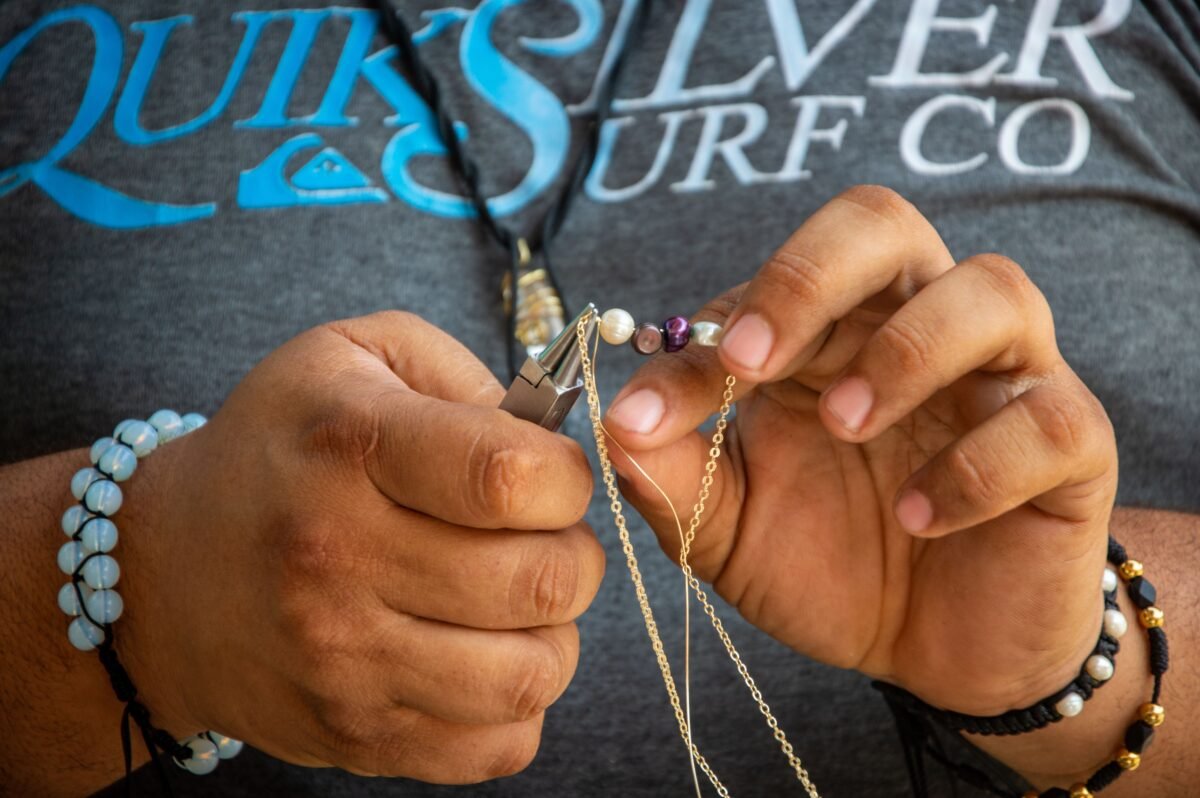
Once the chain is positioned, the jeweler brings the ends together and uses specialized equipment to create a small connection. Protective measures are used to reduce the risk of accidental exposure to the welding spark.
The jewelry itself is not welded onto the body. The weld joins the chain ends to create a continuous loop.
Ask the provider to explain the procedure before it begins, particularly if you have questions about the equipment, protective eyewear, or how the process is performed.
What to Expect During the Appointment
Most appointments involve selecting the chain, measuring it, confirming the fit, and completing the connection. The length of the appointment depends on the design, the provider, and whether you are having more than one piece fitted.
You can ask questions about future repairs, removal, and whether the chain can be reconnected after it is cut. These details are worth understanding before you commit to wearing the piece every day.
What Types of Permanent Jewelry Are Available?
Permanent jewelry comes in several styles, allowing people to choose a design that matches their taste and budget.
Permanent Bracelets
A permanent bracelet is one of the most recognizable options. It sits around the wrist and can be worn alone or layered with other accessories.
Some people prefer a simple chain, while others choose a permanent jewelry bracelet with decorative links or a small charm. A permanent chain bracelet can provide a minimalist look that works with casual and formal clothing.
A welded bracelet is simply a bracelet whose ends have been joined through welding. The terms welded bracelet, fused bracelet, soldered bracelet, and zapped bracelet are sometimes used interchangeably in everyday conversation, although the exact joining method can vary by provider.
Permanent Anklets
A permanent anklet follows the same general concept but is fitted around the ankle. A permanent anklet may appeal to people who enjoy understated accessories with sandals, sneakers, or warm-weather outfits.
A permanent ankle bracelet should fit comfortably and leave room for normal movement. Consider footwear, exercise habits, and activities that might cause the chain to rub or catch.
Because an anklet is exposed to movement and contact with footwear, ask the jeweler whether the chosen chain is appropriate for your routine.
Permanent Necklaces
A permanent necklace offers another way to wear a clasp-free chain. Some people prefer a fine chain worn alone, while others choose a necklace with a small decorative element.
A permanent jewelry necklace should be fitted carefully so it does not sit uncomfortably or interfere with clothing. Ask whether the chain is designed for continuous wear and what the recommended removal procedure would be.
Matching and Friendship Jewelry
Matching permanent bracelets are popular among friends, couples, and family members. Each person can choose a similar chain, creating a shared symbol without requiring identical personal styles.
Forever friendship bracelets can mark birthdays, graduations, anniversaries, trips, or other milestones. Couples may choose matching permanent bracelets or different designs that share a similar metal or charm.
A permanent friendship bracelet does not need to be expensive or elaborate to carry meaning. The important consideration is that everyone understands the practical limitations of wearing jewelry that is designed to stay on.
Permanent Jewelry With Charms or Connectors
Some providers offer initials, small charms, decorative links, or other customization options. A permanent bracelet with initials can make the piece more personal, while a custom permanent jewelry design can reflect a favorite symbol or important date.
Ask whether additional elements affect the price, comfort, or durability of the chain. Larger charms may change how the jewelry moves and may require extra attention during daily wear.
What Materials Are Used in Permanent Jewelry?
Material choice affects appearance, cost, maintenance, and potential skin reactions. Before choosing a chain, confirm exactly what metal it contains rather than relying on the color or marketing name alone.
Gold and Solid Gold
Solid gold permanent jewelry is often selected for its appearance and material value. A 14k gold permanent bracelet contains gold mixed with other metals to create an alloy suitable for jewelry making.
A 14k gold permanent bracelet may cost more than some alternative materials because of its gold content, chain design, and weight. Gold jewelry can still scratch or suffer damage, so it is not completely maintenance-free.
Solid gold permanent jewelry is different from gold-plated jewelry. Solid gold describes the material throughout the piece, while plating refers to a surface layer of gold over another material.
Gold-Filled Jewelry
Gold-filled jewelry has a bonded layer of gold over a base metal. It is not the same as gold plating, and the amount of gold in the outer layer differs from that of typical plated jewelry.
Gold-filled chains may offer a middle ground for shoppers who want a gold appearance without choosing a solid gold chain. Their suitability depends on construction, care, and the wearer’s preferences.
Ask the jeweler to explain the material and its care requirements rather than assuming all gold-colored chains are equivalent.
Sterling Silver
Sterling silver is another common jewelry material. It can offer a bright, versatile appearance and may cost less than solid gold, depending on the design and market conditions.
Silver permanent jewelry can tarnish over time when exposed to certain environmental conditions or substances. Regular, material-appropriate cleaning can help maintain its appearance.
If you are considering sterling silver permanent jewelry, ask how often it may require cleaning and whether the provider recommends a particular care method.
Other Metals and Alloys
Some chains use other metals or alloys. Their properties vary, so ask for the exact material information before booking.
The terms permanent gold bracelet, welded gold bracelet, silver permanent bracelet, and gold permanent bracelet describe appearance or material preferences, but they do not guarantee a specific composition. Confirm the actual metal content with the jeweler.
How to Choose Jewelry for Sensitive Skin
Metal sensitivity is an important consideration for anyone planning to wear jewelry continuously. Nickel is a common cause of allergic contact dermatitis, although other substances can also trigger reactions.
Ask whether the chain contains nickel or other metals that may cause problems for you. No material can guarantee that every wearer will avoid irritation.
If you develop redness, itching, swelling, or a rash beneath the jewelry, stop wearing it if possible and seek appropriate medical advice. Do not assume persistent skin irritation is simply part of adjusting to a new accessory.
How Much Does Permanent Jewelry Cost?
The permanent jewelry cost varies according to the material, chain style, length, location, and provider. A simple silver chain and a heavier solid gold chain will not necessarily have comparable prices.
Instead of relying on a single advertised figure, request a quote for the specific chain you want. Ask whether the quoted amount includes fitting, welding, charms, taxes, and future repairs.
Factors That Affect the Price
Several factors influence permanent jewelry pricing:
- Metal composition: Solid gold, gold-filled material, sterling silver, and other alloys have different material costs.
- Chain design: The thickness, link pattern, and complexity affect the amount of material and labor required.
- Length: Longer chains may require more material.
- Customization: Initials, charms, and decorative details may increase the final amount.
- Location and service: Providers may have different operating costs and pricing policies.
- Aftercare: Some businesses offer repair or reconnection services under specific conditions.
The cost of permanent jewelry should be assessed alongside the material quality and service offered, not simply the chain’s appearance.
Questions to Ask Before Paying
Before agreeing to the permanent bracelet price, confirm the metal composition, fitting procedure, and removal policy. Ask whether the provider offers repairs if the chain breaks and whether reconnecting it involves an additional fee.
If you are comparing permanent bracelet cost options, request prices for similar materials and chain styles. This makes it easier to compare like with like.
Search phrases such as permanent jewelry price, permanent jewelry prices, permanent jewelry pricing, permanent bracelet price, and cost of permanent jewelry can help you discover advertised options. However, online prices may not include every service or customization charge.
Is Permanent Jewelry Safe?
Permanent jewelry is not automatically suitable for every person or situation. The main considerations include the welding process, chain fit, metal sensitivity, and whether the jewelry can be removed when necessary.
Does Permanent Jewelry Hurt?
The welding process joins the chain ends rather than attaching the jewelry to your skin. A properly conducted appointment should use appropriate protective measures.
Tell the provider if you feel uncomfortable or have questions about the process. Ask how the equipment is used and what precautions are taken to protect your skin and eyes.
Skin Sensitivity and Metal Allergies
Continuous contact with a metal can make irritation easier to notice. If you have a known metal allergy, discuss it with the jeweler before selecting a material.
A chain should not cause ongoing pain, swelling, or a persistent rash. If symptoms develop, seek appropriate advice and arrange removal when necessary.
Fit, Snagging, and Everyday Activities
A chain can catch on clothing, bags, equipment, or other objects. The risk depends on its location, thickness, fit, and the activities you perform.
Consider whether you frequently work with machinery, handle equipment, participate in contact sports, or perform tasks where jewelry could become caught. A clasp-free chain is not necessarily the safest option for every workplace or activity.
MRI Scans and Medical Procedures
Never assume that permanent jewelry can remain in place during an MRI or another medical procedure. Requirements depend on the facility, the equipment, the type of jewelry, and the circumstances.
Tell your healthcare team and imaging staff about the jewelry before a procedure. Follow their instructions regarding removal. If you are considering permanent jewelry, ask the jeweler how the piece can be removed quickly if a medical need arises.
How Long Does Permanent Jewelry Last?
There is no universal lifespan for permanent jewelry. A well-maintained chain may remain wearable for a long time, but its durability depends on the metal, chain construction, fit, and everyday use.
Factors That Affect Durability
Chain thickness, link design, material quality, exposure to chemicals, and repeated pulling can all affect how long a piece lasts.
A delicate chain may suit someone who prefers a fine appearance, but a thinner design can be more vulnerable to damage under certain conditions. A thicker chain may feel more substantial, although no design is completely immune to breaking.
Can Permanent Jewelry Break?
Yes. A permanent bracelet or necklace can break if the chain or joining point is damaged. Catching the chain on an object or applying excessive force may cause it to separate.
If a chain breaks, keep the loose piece in a safe place and contact the jeweler. Ask whether the chain can be repaired and whether its condition allows reconnection.
Can a Jeweler Repair or Reconnect It?
Some providers can reconnect a chain after removal or repair a damaged connection. Whether this is possible depends on the chain’s condition, the amount of material remaining, and the provider’s policies.
Before booking, ask whether the business offers this service and what fees may apply. Knowing the policy in advance can prevent confusion later.
How to Care for Permanent Jewelry
Daily wear does not mean you can ignore maintenance. A simple care routine helps you keep the chain clean and identify possible damage before it becomes more serious.
Cleaning Your Jewelry
Clean your jewelry according to the material and the jeweler’s recommendations. A soft cloth may be suitable for routine cleaning, but specific products and methods differ by metal and finish.
Avoid applying harsh chemicals or abrasive cleaners without checking whether they are appropriate for the chain. If residue collects around the links, ask the provider how to clean it safely.
Showering, Swimming, and Exercising
Whether you can shower or swim while wearing a piece depends partly on its material and exposure conditions. Water alone does not affect every metal in the same way, but soaps, chlorine, saltwater, and other substances may affect some finishes or materials.
During exercise, consider whether equipment, clothing, or repeated movement could catch the chain. Remove the jewelry when required for safety, even if that means cutting the chain and arranging reconnection later.
Preventing Tarnish and Damage
Avoid pulling the chain to test its strength. Check periodically for bent links, rough edges, discoloration, or changes in fit.
If the chain begins to feel uncomfortable or appears damaged, contact the jeweler rather than trying to repair the weld yourself. Proper care cannot eliminate every risk, but it can help you notice problems early.
How to Remove Permanent Jewelry
Despite its name, permanent jewelry can generally be removed. Removal may be necessary for medical procedures, workplace requirements, safety concerns, skin irritation, or personal preference.
Can You Remove Permanent Jewelry at Home?
A permanent bracelet may be cut at an appropriate point using a suitable tool. However, trying to cut a chain close to the skin can create an injury risk.
When practical, contact the jeweler for guidance or professional removal. Ask in advance how the chain can be opened and whether it can be reconnected afterward.
How to Remove It in an Emergency
If jewelry becomes caught in equipment or creates an immediate safety problem, prioritize personal safety over preserving the chain. Seek assistance from an appropriate professional or emergency responder when necessary.
Do not delay urgent care because you are worried about damaging an accessory. The chain can be assessed for repair or replacement afterward.
Can It Be Reconnected After Removal?
In many cases, a cut chain may be reconnectable if enough material remains and the chain is in suitable condition. Some providers offer reconnection services, while others may have limitations.
Ask whether the original chain can be reused and whether the process requires a new appointment or additional payment.
Pros and Cons of Permanent Jewelry
Permanent jewelry offers convenience and personal meaning, but it also has limitations.
| Feature | Potential advantages | Potential disadvantages |
| Convenience | No daily fastening or unclasping | Less convenient when removal is required |
| Appearance | Minimalist, continuous design | Fewer opportunities to change the look |
| Sentimental value | Can represent a friendship or milestone | The symbolic meaning may outlast the physical chain |
| Cost | Can provide a personalized experience | Customization and precious metals may increase the price |
| Maintenance | Can be worn as part of a regular routine | Still needs cleaning and inspection |
| Flexibility | Available in different chain styles | May be unsuitable for certain jobs or activities |
| Repair | Some chains can be reconnected | Repairs may involve extra time or fees |
Is Permanent Jewelry Worth It?
Whether permanent jewelry is worth the cost depends on your preferences, daily routine, and expectations. If you enjoy wearing the same accessory consistently and appreciate the meaning behind a welded chain, it may be a satisfying choice.
It may be less suitable if you frequently change jewelry, need to remove accessories for work, participate in activities where chains could snag, or prefer an easy-to-open clasp.
Before choosing a piece, compare the material, fit, price, and aftercare policy. Consider the long-term practicality rather than focusing only on the appointment itself.
How to Find Permanent Jewelry Near You
If you are looking for permanent jewelry near me, start by searching for providers that clearly describe their materials, appointment process, pricing, and removal policy. Read recent customer feedback carefully and look for specific information about the service rather than relying only on photographs.
Someone searching for a permanent bracelet near me may want a simple chain, while a person searching for a forever bracelet near me may be interested in a sentimental gift. Search terms such as permanent jewelry shops near me, permanent bracelet shops near me, and welded jewelry near me can help identify local options.
For a permanent welded jewelry near me search, check whether the provider explains how the chain is fitted and connected. You can also search for welded bracelet near me, soldered bracelet near me, zapped jewelry near me, or zapped bracelet near me. Businesses may use different terms for similar services, so confirm exactly what they offer.
If you want an ankle design, searches such as permanent anklet near me, permanent ankle bracelet near me, and forever anklet near me may be useful. For necklaces, try permanent necklace near me or forever necklace near me. Someone interested in rings may search permanent rings near me, but should verify whether the provider actually offers permanent ring designs.
Before booking, ask about available materials, fitting appointments, customization, repairs, and removal. Confirm the final price and whether the service is suitable for your intended use.
Questions to Ask Before Getting Permanent Jewelry
A little preparation can make the appointment easier. Ask the provider:
- What metal is the chain made from?
- Is the material suitable for someone with my known metal sensitivities?
- How should the chain fit?
- What is included in the quoted price?
- Are charms or initials available?
- What should I do if the chain breaks?
- Can the chain be reconnected after removal?
- How should I care for this particular material?
- What is the recommended removal procedure?
- Are there circumstances in which you recommend removing the jewelry?
Clear answers help you make a decision based on practical details rather than appearance alone.
Frequently Asked Questions About Permanent Jewelry
1. What is permanent jewelry?
Permanent jewelry is a clasp-free chain fitted around the wrist, ankle, or neck and joined with a small weld. It is designed for continuous wear but can generally be removed.
2. Is permanent jewelry welded onto your skin?
No. The weld joins the ends of the chain, not the chain to your skin. The jewelry forms a loop around the chosen area.
3. Does getting permanent jewelry hurt?
The welding process is intended to connect the chain rather than touch or weld the skin. Ask the provider about protective measures and speak up if you feel uncomfortable.
4. How much does permanent jewelry cost?
The price depends on the metal, chain design, length, customization, location, and provider. Request a quote for the specific piece you want.
5. How long does permanent jewelry last?
It may remain wearable for a long time, but there is no guaranteed lifespan. Materials, fit, maintenance, and daily activities affect durability.
6. Can permanent jewelry get wet?
That depends on the material and the substances it encounters. Ask the jeweler whether showering, swimming, and exposure to chlorine or saltwater are appropriate for your chosen chain.
7. Can you sleep with permanent jewelry on?
Some people wear their chains overnight, but comfort and safety depend on the fit, design, and sleeping habits. A chain that catches or causes irritation should be assessed.
8. Can permanent jewelry break?
Yes. The chain or joining point can become damaged. Contact the provider to find out whether it can be repaired or reconnected
Final Thoughts
Permanent jewelry combines a simple design with the personal meaning of an accessory intended for everyday wear. Whether you choose a bracelet, anklet, necklace, or matching piece with someone special, the best option is one that fits comfortably and suits your routine.
Take time to understand the chain’s material, compare the total price, and ask about care, repair, and removal before booking an appointment. A reputable provider should be willing to explain the process and answer questions clearly.
Forever jewelry can be a meaningful addition to a jewelry collection, but it is not literally impossible to remove and does not last forever under every circumstance. With realistic expectations and appropriate care, you can choose a piece that balances personal style, comfort, and practicality.