How to Take Care of Nails: The Complete Guide to Healthy Fingernails and Toenails


Your nails say a lot about your overall health, and they also take a lot of daily abuse. They type, open cans, scrub dishes, and get squeezed into shoes. Yet most people only think about them when something goes wrong: a split, a hangnail, a stubborn discoloration, or a painful ingrown toenail. Learning how to take care of nails is not complicated, and it does not need expensive products. It needs a few steady habits, the right tools, and knowing when a problem needs a doctor.
This guide covers everything in one place: daily routines, cuticle care, damaged and brittle nails, broken and ripped nails, artificial nails like acrylic, gel and dip, how to take care of nails and toenail problems including ingrown nails and fungus. It is practical and informational, so you can follow it at home and know when to get professional help.
How to Take Care of Nails: Understanding What Healthy Nails Look Like
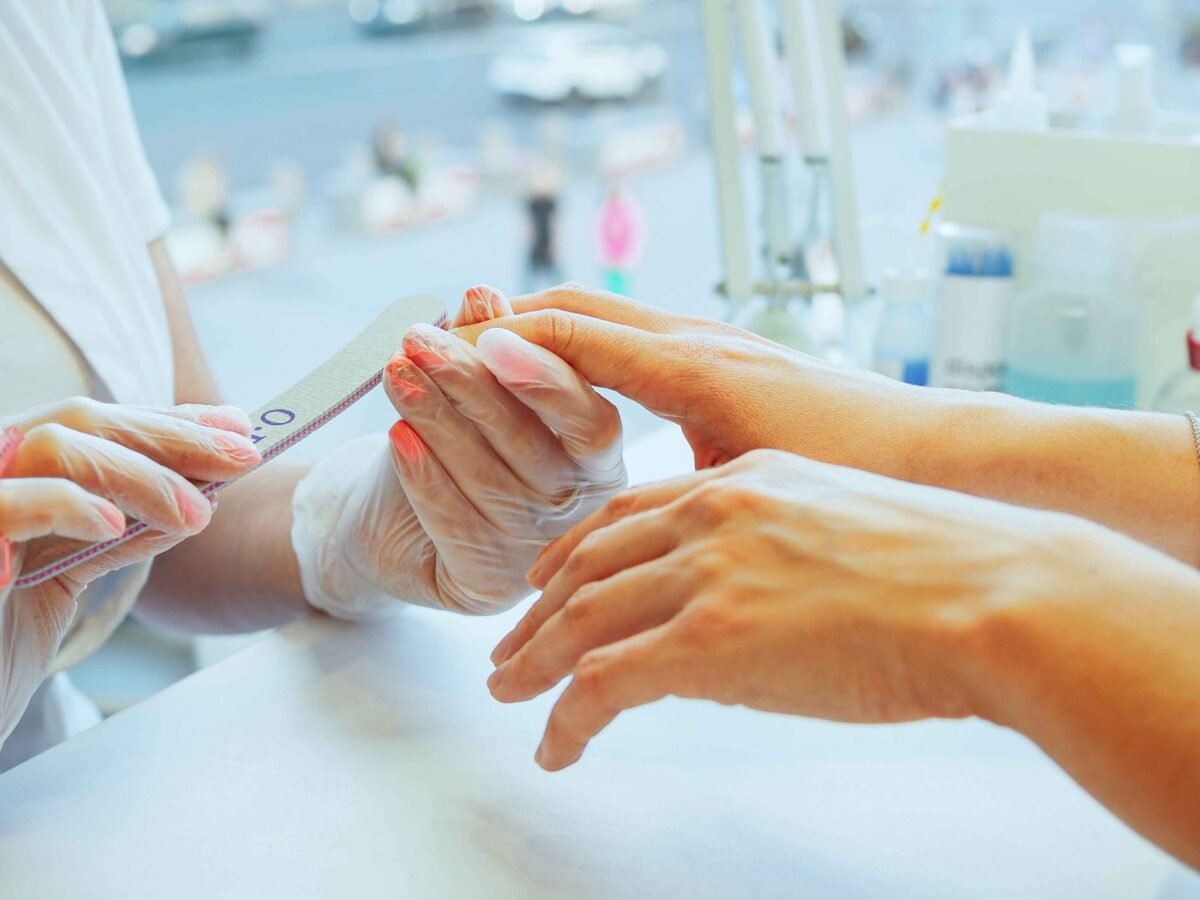
Before you can care for your nails, it helps to know what a healthy nail looks like. Nails are made of layers of a hard protein called keratin, the same protein found in hair and skin. how to take care of nails They grow from the nail matrix, an area under the skin at the base of the nail, just below the cuticle.
Healthy nails are generally:
- Smooth, with an even surface and no deep pits or grooves
- One consistent color, usually pale pink with a white tip
- Firm but slightly flexible
- Free from swelling, pain, or bleeding around the edges
Some changes are harmless. Faint vertical ridges become more common with age. how to take care of nails Small white spots or lines often appear after a minor knock and grow out over time. However, a nail that suddenly changes color, shape or thickness, lifts from the nail bed, or becomes painful deserves attention.
Fingernails grow roughly 3 millimeters per month, while toenails grow much more slowly. A fingernail can take around four to six months to fully regrow, and a toenail twelve to eighteen months. That is why consistent, patient care matters more than quick fixes.
How Do You Take Care of Your Nails Every Day?

If you have ever asked “how do you take care of your nails?” or “how can i take care of my nails?”, how to take care of nails the honest answer is a short daily routine that protects them from water, chemicals and rough handling.
- Keep nails clean and dry. Moisture trapped under and around the nails encourages bacteria and fungus. Dry your hands and feet thoroughly, including between the toes.
- Wear gloves for wet or messy jobs. Long contact with water softens nails and makes them split and peel. Cotton-lined rubber gloves protect your hands when washing dishes or handling harsh chemicals.
- Moisturize your hands, nails and cuticles. Every time you apply hand cream, massage it into the nails and the skin around them. A few drops of cuticle oil at night is even better.
- Use your hands as hands, not tools. Do not pry open cans or scrape stickers with your nails.
- Protect nails from harsh products. Detergents, sanitizers and strong polish removers dry nails out.
These five habits alone prevent many common nail problems.
How to Properly Care for Your Nails: Trimming and Filing
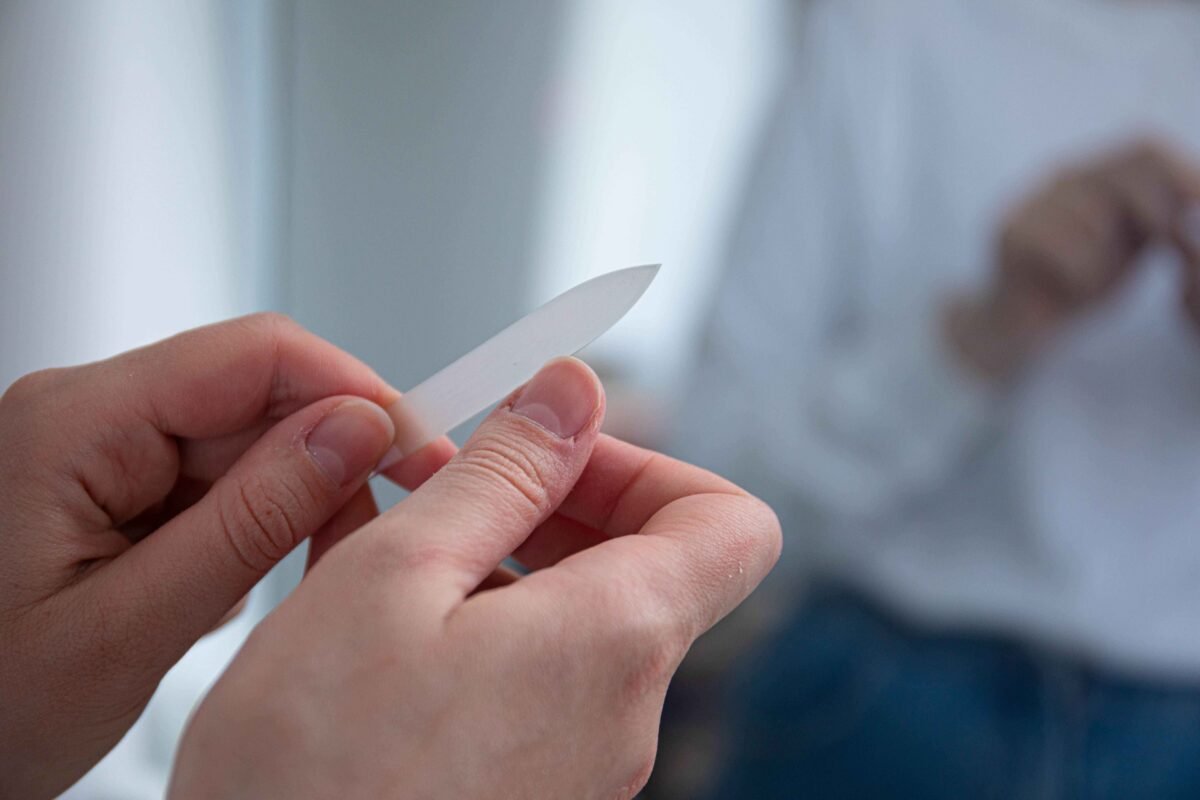
If you want to know how to properly care for nails, start with the way you cut them. how to take care of nails Poor trimming is a main cause of splits, snags and ingrown nails.
For fingernails:
- Use sharp, clean clippers or manicure scissors. Dull tools tear the nail.
- Trim straight across, then gently round the tips in a soft curve.
- Trim after a shower, when nails are softer and less likely to crack.
- File in one direction rather than sawing back and forth.
- Use a fine-grit or glass file, which is gentler than a coarse emery board.
For toenails:
- Cut straight across and do not curve the corners down into the skin.
- Leave the nail slightly longer than the tip of the toe.
- Never dig into the corners.
Clean your tools with rubbing alcohol after each use, especially if you share them.
How to Take Care of Your Nails at Home: A Simple Weekly Routine
You do not need a salon to keep your nails in good shape. how to take care of nails Here is an easy plan for how to take care of nails at home:
- Remove old polish with a gentle, preferably acetone-free remover.
- Soak your fingertips in warm water for a few minutes.
- Gently push back the cuticles with a soft cuticle stick or washcloth.
- Trim and shape the nails.
- Buff lightly if there are ridges, but not often, since over-buffing thins the nail.
- Moisturize with hand cream and cuticle oil.
- Apply a base coat before polish, plus a strengthening treatment if nails are weak.
- Give nails a break from polish for a few days every month.
Done once a week, with a few seconds of daily moisturizing, this visibly improves nails within a couple of months.
How Do You Take Care of Your Hair and Nails? Nutrition and Lifestyle
Hair and nails are both made of keratin, so they respond to many of the same things. how to take care of nails When people ask “how do you take care of your hair and nails?”, they are usually looking for the overlap: good nutrition, hydration and gentle handling.
- Eat enough protein. Eggs, fish, poultry, beans, lentils, nuts and dairy all support growth.
- Get key nutrients. Iron, zinc, vitamin C, vitamin D and B vitamins play a role. A varied diet usually covers them.
- Stay hydrated. Dehydration can make hair and nails dry and brittle.
- Consider biotin carefully. Some research suggests biotin may help weak or brittle nails, but ask a healthcare professional first. High-dose biotin can interfere with some lab tests.
- Avoid smoking and manage stress.
If your nails and hair are both suddenly weak or thinning, how to take care of nails it can point to a nutrient deficiency, thyroid issue or another condition. Talk to a doctor rather than guessing.
How to Take Care of Cuticles
The cuticle is the thin layer of skin at the base of the nail. how to take care of nails It seals the area and protects the nail matrix from bacteria and moisture. That is why learning how to take care of cuticles matters more than most people realize.
How to Properly Care for Your Cuticles
The golden rule: protect them, do not remove them. Cutting cuticles can open the door to infection and may cause ridges in the new nail.
- Soften cuticles in warm water for a few minutes.
- Use a soft rubber-tipped tool or damp cloth to gently push them back.
- Trim only visible, loose bits of dead skin, not the living cuticle.
- Moisturize daily with a cuticle oil or balm.
How to Take Care of Cuticles Without Cutting
If you want to know how to take care of cuticles without cutting:
- Use a cuticle softener only if needed, and rinse it off quickly.
- Push back gently after a shower, when the skin is soft.
- Use oils such as jojoba, almond or vitamin E to keep skin flexible.
- Never bite or tear at the skin.
How to Take Care of Dry Cuticles
Dry, cracked cuticles are common in cold weather and for people who wash their hands often. To take care of dry cuticles:
- Apply cuticle oil twice a day, especially at night.
- Use thick hand cream or petroleum jelly under cotton gloves while you sleep.
- Limit very hot water and harsh soaps.
- Avoid over-using hand sanitizer.
How Do I Take Care of My Cuticles at Home?
Combine a warm soak, a gentle push back, and oil two or three times a week. how to take care of nails The same method works for how to take care of fingernails and cuticles together, since they depend on each other.
How to Take Care of Hangnails
A hangnail is a small piece of torn skin beside the nail. It is not actually a problem with the nail itself. It is usually caused by dry skin, nail biting or picking.
How to take care of a hangnail:
- Wash your hands and soften the area in warm water.
- Sterilize clean clippers with alcohol.
- Gently clip off the loose skin only. Do not pull it, since that can rip live tissue.
- Apply antibiotic ointment and cover with a small bandage if it is sore.
- Moisturize daily to prevent new ones.
How to Take Care of an Infected Hangnail
A hangnail can become infected if bacteria get in. Signs include redness, swelling, warmth, throbbing pain, or pus. For mild cases, soak the finger in warm water a few times a day and keep it clean. how to take care of nails If redness spreads, there is a lot of pus, or you have a fever or diabetes, see a doctor promptly. This infection (paronychia) sometimes needs drainage or antibiotics.
How to Take Care of Brittle, Damaged and Bitten Nails
How to Take Care of Brittle Nails
Brittle nails split, peel or break easily. how to take care of nails Common causes include frequent water exposure, harsh chemicals, aging and nutrient deficiency. To take care of brittle nails:
- Keep them short while they recover.
- Moisturize several times a day and wear gloves for chores.
- Avoid acetone and aggressive buffing.
- Use a nail strengthener, but give nails a break from it occasionally.
- Review your diet, and ask about biotin if the problem continues.
How to Take Care of Damaged Nails
Nails can be damaged by injury, harsh products, how to take care of nails artificial nails or health conditions. For damaged nails, trim off broken parts, file smooth, keep them hydrated, and avoid polish or enhancements until the surface recovers. They grow out slowly, so give them time.
How to Take Care of Bitten Nails
Biting damages the nail bed, cuticle and skin, and can lead to infection. To take care of bitten nails:
- Clean the area gently and apply antibiotic ointment to broken skin.
- Keep nails trimmed and filed so there is nothing to bite.
- Try bitter-tasting nail products, or keep your hands busy with a stress ball.
- Apply cuticle oil to restore the skin.
- Use polish or a manicure as a reminder not to bite.
How to Take Care of a Broken, Split or Ripped Nail
How to Take Care of a Broken Nail
For a broken nail that is only cracked at the edge, how to take care of nails clip the broken portion with clean clippers, file smooth, and moisturize. If the break reaches the nail bed or bleeds, clean it, apply pressure, and cover with a bandage.
How to Take Care of a Split Nail
A split nail can be caused by dryness, trauma or repeated water exposure. how to take care of nails Trim the split portion, file gently, and use a clear base coat or nail glue (or a tea bag patch for deeper splits) to hold it while it grows out. Keep the nail short and moisturized.
How to Take Care of a Ripped Nail
A ripped nail can hurt a lot. Wash the area, trim loose parts you can remove without pulling, apply antibiotic ointment, and cover with a clean bandage. Change it daily and watch for infection.
How to Take Care of a Nail That Fell Off
If a nail fell off after an injury, infection or severe fungus:
- Wash gently with mild soap and water.
- Apply antibiotic ointment and a non-stick bandage.
- Keep the area clean and covered until the skin hardens.
- Do not glue a fake nail over an open or tender nail bed.
- See a doctor if there is heavy bleeding, a deep injury, or no sign of regrowth after several months.
How to Take Care of a Finger Without a Nail
For a finger without a nail, the answer is protection and patience. how to take care of nails The skin where the nail used to be is sensitive. Keep it clean, covered and moisturized, avoid picking, and protect it from knocks. The nail usually regrows slowly, though it may look a little different at first.
How to Take Care of an Exposed Nail Bed
An exposed nail bed is tender and prone to infection. Clean it with mild soap and water, apply a thin layer of petroleum jelly or antibiotic ointment, and cover with a non-stick dressing. Change it daily. If you see spreading redness, pus, increasing pain or a bad smell, see a doctor.
How to Take Care of Artificial Nails: Acrylic, Gel, Dip and Fake Nails
Enhancements look great, but they can weaken natural nails if not cared for or removed properly.
How Do You Take Care of Acrylic Nails?
If you want to know how to take care of acrylic nails:
- Keep them dry, since constant moisture can loosen the product.
- Moisturize skin and cuticles with oil, avoiding heavy buildup under the edges.
- Do not use your nails as tools.
- Get fills every two to three weeks instead of letting growth pile up.
- Never peel or pull acrylics off, which takes layers of natural nail with it.
How to Take Care of Acrylic Nails at Home
To take care of acrylic nails at home, wear gloves for cleaning, use acetone-free products around the edges, and apply cuticle oil daily. If one lifts or chips, don’t bite it. how to take care of nails File it gently and see your technician for repair. The same tips answer how to take care of my acrylic nails and how to take care of acrylics in general.
How to Take Care of Acrylic Nail Brushes
For those who do their own acrylics, how to take care of acrylic nail brushes matters too. Clean the brush in monomer after use, wipe it on a lint-free towel, reshape the tip, and store it flat or bristles up with a cap. Never leave it soaking for long.
How to Take Care of Gel Nails and Gel Nail Extensions
For gel nails and gel nail extensions, avoid long hot soaks, wear gloves for chores, how to take care of nails moisturize daily, and don’t pick at the edges. Gel is flexible but can peel if it lifts. Have it removed professionally or soaked off properly.
How to Take Care of Dip Nails
Dip powder lasts a few weeks, which makes it popular. To take care of dip nails, dip powder nails or dipped nails (including dip nails at home):
- Apply cuticle oil daily.
- Keep nails away from hot water for long periods.
- Wear gloves for cleaning.
- Avoid using nails as tools.
- Do not pick or peel the powder, which can pull away layers of natural nail.
How to Take Care of Fake Nails
For press-ons and fake nails, follow the glue instructions, how to take care of nails avoid water for the first hour, and remove them gently with warm soapy water or an oil soak. Do not rip them off.
How to Remove Dip Polish Safely
Many people ask how to remove dip polish at home:
- File the shiny top layer with a coarse file to break the seal.
- Soak cotton balls in pure acetone and place one on each nail.
- Wrap each fingertip in foil or use a clip, and wait 10 to 15 minutes.
- Gently push off softened powder with a wooden stick.
- If it doesn’t slide off easily, rewrap for a few more minutes. Do not scrape forcefully.
- Wash your hands, buff lightly, and apply cuticle oil and hand cream.
How Do I Remove Gel Nail Polish From My Nails?
The method for how do i remove gel nail polish from my nails is similar: lightly file the top coat, soak cotton in acetone, wrap with foil for 10 to 15 minutes, then gently slide the softened gel off. Do not peel it. Afterward, hydrate with oil and cream.
How to Care for Nails After Removing Acrylics
If you want to know how to care for nails after removing acrylics or how to get my nails healthy after acrylics, think rehydration and rest:
- Trim nails short to prevent breakage while they are weak.
- Apply cuticle oil several times a day.
- Use a gentle strengthening base coat and avoid thick polish for a couple of weeks.
- Give nails a break from enhancements if possible.
- Eat a balanced diet and stay hydrated.
- Don’t buff aggressively. Nails may feel thin, so be gentle.
It can take several months for the nail to grow out fully healthy.
How to Take Care of Toenails and Feet
Toenails get less attention than fingernails, but they need the same care.
How to Look After Your Toenails
To look after your toenails and learn how to take care of feet and toenails:
- Wash and dry your feet daily, especially between the toes.
- Cut toenails straight across and keep them short but not too short.
- Wear shoes with enough room in the toe box.
- Change socks daily and choose breathable materials.
- Wear sandals in public showers and pools.
- Moisturize feet, but not between the toes.
The same steps apply to how to take care foot nails, feet nails and how to take care of leg nails (which usually means toenails).
How to Take Care of Thick Toenails
Thick toenails can come from age, injury, fungus, how to take care of nails tight shoes or conditions like psoriasis. To take care of thick toenails, soften them in warm water, file the surface gently, and trim after bathing. If they are very thick, discolored or painful, a podiatrist can trim them and check for fungus.
How to Take Care of a Broken Toenail
For a broken toenail, clean the area, trim any jagged edge, apply antibiotic ointment and cover with a bandage if needed. Avoid tight shoes until it is comfortable.
How to Take Care of a Split Toenail
For a split toenail, trim the split portion straight across if possible, keep the nail moisturized and avoid tight shoes. If the split reaches the skin or bleeds, clean well and cover it.
How to Take Care of a Dead Toenail
A dead toenail (often black or purple after injury) may loosen over time. how to take care of nails Do not rip it off. Let it detach naturally as the new nail grows beneath. Keep it clean, trim it carefully if it catches on socks, and see a doctor if it is painful or oozing.
How to Take Care of a Toenail Falling Off
When a toenail is falling off, or a toenail that fell off leaves a sore spot, wash gently, apply ointment, bandage, and wear roomy shoes. Do not pull it. It may take up to a year for the new nail to fully replace it.
How to Take Care of a Ripped Off Toenail
For a ripped off toenail, control bleeding with gentle pressure, rinse with clean water, apply antibiotic ointment, and cover with a non-stick dressing. If bleeding is heavy or you suspect the toe is fractured, get medical attention.
How to Take Care of a Toe Without Nail
A toe without a nail needs the same gentle approach as a finger without a nail: keep it clean, covered, and protected from friction until the skin firms up and the new nail grows in.
How to Take Care of an Ingrown Nail or Ingrown Toenail
An ingrown nail happens when the edge of the nail grows into the surrounding skin, usually on the big toe. Causes include poor trimming, tight shoes, injury and curved nails.
How to Take Care of an Ingrown Toenail Yourself
For mild cases, here is how to take care of an ingrown toenail yourself:
- Soak the foot in warm water, with or without Epsom salt, for 15 to 20 minutes, a few times a day.
- Gently massage the skin beside the nail.
- Dry well, then apply antibiotic ointment.
- Wear open shoes or roomy footwear.
- Do not cut a V shape in the nail and do not dig at the corner.
How to Take Care of an Ingrown Fingernail
An ingrown fingernail (or ingrown nail) can be treated with warm soaks and by keeping the area clean. Avoid cutting deeply into the corners, and see a doctor if it becomes infected.
How to Take Care of an Infected Ingrown Toenail
If you want to know how to take care of an infected ingrown toenail, an infected toenail or an infected toe, watch for redness, swelling, pus, warmth and increasing pain. Home soaks can help mild irritation, but an infected ingrown toenail usually needs professional care, since it may require antibiotics or a minor procedure. People with diabetes, poor circulation or nerve damage should not wait.
How to Take Care of Toenail Fungus and Foot Fungus
Toenail fungus is common, especially in older adults, people who sweat a lot, and those who wear closed shoes for long periods. The nail may turn yellow, brown or white, thicken, crumble or smell.
How to Take Care of Toenail Fungus
For anyone asking how to take care of toenail fungus, toenails with fungus, toe fungus, fungus toenail or a fungus toenail:
- Keep feet clean and completely dry.
- Trim nails short and file thick areas gently.
- Use an over-the-counter antifungal product as directed, and be patient, since results take months.
- Change socks often and choose moisture-wicking materials.
- Disinfect clippers and files after each use.
- Alternate shoes and let them dry fully.
- Do not share towels or nail tools.
Home remedies like tea tree oil or vinegar soaks are popular, but the evidence for them is limited. If the fungus is spreading, painful or not improving, a doctor can prescribe stronger treatments, including oral or topical medication.
How to Take Care of Foot Fungus
To take care of foot fungus (such as athlete’s foot) and fungus on feet, wash and dry your feet daily, apply antifungal cream or powder as directed, wear sandals in damp public areas, and treat your shoes. Treating skin fungus early also protects your nails from catching it.
How to Take Care of Fungus Nails
For fungus nails of any kind, early treatment is easier. A nail with mild discoloration responds better than one that is thick and crumbly. See a healthcare professional if you have diabetes, a weak immune system, or if the infection is spreading.
Quick Reference Table: Common Nail Problems and What to Do
| Nail Problem | Main Cause | What to Do | See a Doctor If |
|---|---|---|---|
| Dry cuticles | Dry air, frequent washing | Cuticle oil, hand cream, gloves | Cracks bleed or look infected |
| Hangnail | Dry skin, picking | Clip gently, ointment, moisturize | Pus, spreading redness |
| Brittle nails | Water, chemicals, aging | Moisturize, gloves, short nails | Persists for months |
| Broken or split nail | Injury, dryness | Trim, file, protect | Deep injury or heavy bleeding |
| Bitten nails | Habit, stress | Trim, ointment, oils | Infection around the nail |
| Nails after acrylics | Removal, glue | Oils, short nails, rest | Pain, discoloration |
| Ingrown toenail | Poor trimming, tight shoes | Warm soaks, roomy shoes | Infection or diabetes |
| Toenail fungus | Moisture, fungal infection | Antifungal, dry feet, clean tools | Spreading or painful |
| Dead or fallen toenail | Trauma, infection | Keep clean, don’t rip off | Oozing or severe pain |
| Exposed nail bed | Injury, nail loss | Ointment, non-stick dressing | Signs of infection |
Do’s and Don’ts for Healthy Nails
Do:
- Keep nails clean, dry and trimmed
- Moisturize nails and cuticles daily
- Wear gloves for wet or harsh tasks
- Use sterilized tools
- Choose acetone-free remover when you can
Don’t:
- Bite nails or pick at cuticles
- Pull off hangnails, polish or enhancements
- Cut your cuticles
- Ignore ongoing nail changes
- Share nail tools
If you go to a salon, choose one that is licensed, uses sterilized tools, and cleans foot baths between clients. Don’t let technicians cut your cuticles, since they protect you from infection.
When to See a Doctor About Your Nails
Nails can reflect your health. Contact a doctor or dermatologist if you notice:
- A color change in the whole nail or a dark streak under the nail
- Nails that become thicker, thinner or curled
- Pits or deep grooves
- A nail pulling away from the skin
- Bleeding, swelling or pain around the nail
- Nails that stop growing
- A nail problem that doesn’t improve with home care
A new dark streak, in particular, should always be checked.
Frequently Asked Questions (FAQs)
1. How do you take care of nails naturally?
To take care of nails naturally, keep them clean and dry, moisturize with natural oils like jojoba or almond oil, eat a balanced diet with enough protein, and avoid harsh chemicals. Gentle filing and wearing gloves for chores also help.
2. How can you take care of your nails if they are weak?
Keep them short, moisturize several times a day, avoid acetone and aggressive buffing, and use a nail strengthener. If the weakness continues, ask a healthcare professional about possible causes.
3. How often should I trim my nails?
Most people trim fingernails every one to two weeks and toenails every four to six weeks, depending on growth.
4. Is it okay to cut cuticles?
It is better not to. Cuticles protect against infection. Push them back gently and only trim loose dead skin.
5. How do I take care of my nails after gel or dip polish?
Remove the polish safely, keep nails short, apply cuticle oil, and let them rest for a few days before applying new polish.
6. Can I treat toenail fungus at home?
Mild cases may improve with antifungal products and good foot hygiene, but results take months. See a doctor if it spreads or is painful.
7. How long does it take for a nail to grow back?
Fingernails take around four to six months to grow back, and toenails can take twelve to eighteen months.
8. Do nail vitamins really work?
Some people find biotin helpful, but evidence is limited, and a balanced diet is the best foundation. Talk to a healthcare professional before taking supplements.
Final Thoughts: How to Take Care of Nails for the Long Term
Healthy nails come from small, consistent habits rather than special treatments. Keep your nails clean and dry, trim them properly, moisturize nails and cuticles, protect them from water and harsh products, and never pull, bite or rip at them. Treat injuries gently, remove gel, dip and acrylic nails safely, and give your nails breaks from enhancements.
For toenails, good hygiene, well-fitting shoes and quick attention to ingrown nails or fungus make a big difference. Most importantly, listen to your nails. If you notice a change that doesn’t go away, or something painful, swollen or discolored, don’t wait. A doctor or dermatologist can find the cause early.
Now that you know how to take care of nails, pick two or three habits from this guide, start today, and build from there. Your nails will thank you.
This article is for general information and is not a substitute for professional medical advice.