Kids Winter Outfits: The Complete Guide to Layering, Fabrics and Styles (2026-27)

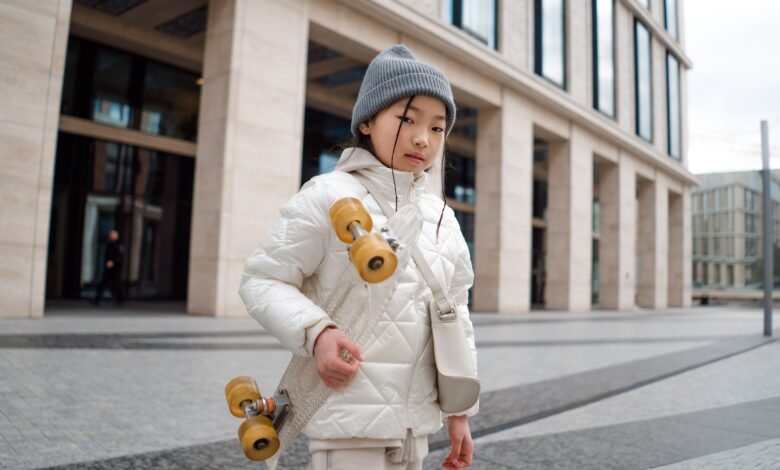
Choosing kids winter outfits sounds simple until you stand in front of a wardrobe at 7 a.m. with a child who is either shivering or sweating. Children lose heat faster than adults, they move more, and they cannot always tell you what they need. The right outfit is not the thickest one. It is the one that keeps your child warm, dry and comfortable from the car or bus to the classroom, the playground and back home.
This guide gives you everything in one place: a temperature chart in both Celsius and Fahrenheit, a simple three-layer system, outfit ideas by age and for boys and girls, fabric advice, kids winter outfits safety rules, sizing tips, care instructions and the winter trends of 2026-27. It works whether your winter is mild and breezy or deep-freeze snowy.
What to Dress Kids In for Winter: The Basics for Kids Winter Outfits
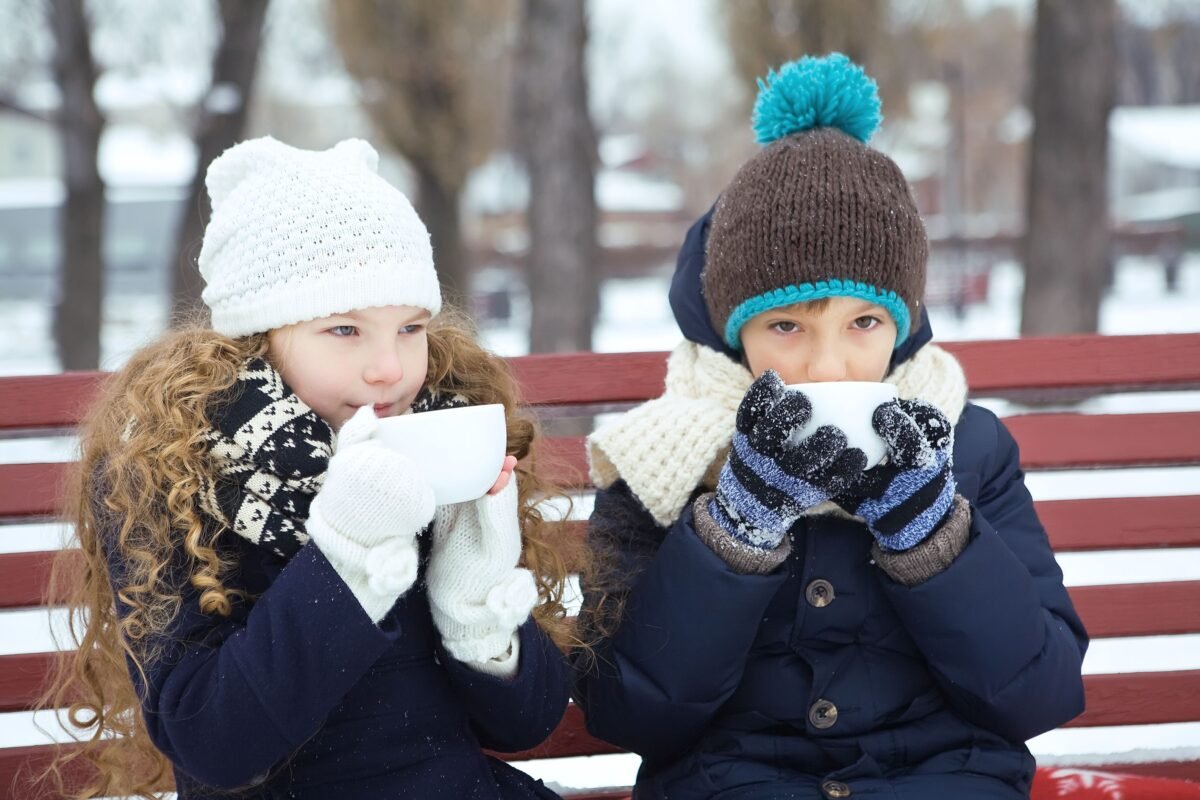
Every good set of kids winter outfits is built on four ideas. Keep them in mind and you can dress a child in any climate.
1. Dress in layers, not in bulk. Several thin layers trap warm air between them and let you remove one when your child gets hot. A single heavy sweater cannot do that.
2. Keep skin dry. Wet clothing pulls heat from the body quickly. Sweat, rain, snow and spilled drinks all count. A dry child is a warm child.
3. Protect the extremities. Hands, feet, ears and cheeks get cold first. A hat, gloves or mittens, warm socks and a scarf or neck warmer do more than most people expect.
4. Match the outfit to the activity. A child sitting in a stroller needs more insulation than a child running around at recess. A child sledding needs waterproof outer layers, while a child walking to school on a dry, cold day may not.
A useful starting point for most children is this: kids winter outfits dress your child in about the same layers you would wear yourself, then adjust for how much they will move. Babies who cannot move on their own are the exception, and we cover them in the age section below.
Kids Winter Outfits by Temperature (Celsius and Fahrenheit)

Parents often ask what to put on a child at a specific temperature. kids winter outfits The chart below is a practical guide, not a strict rule. Wind, humidity, rain and how long your child will be outside all change what feels comfortable.
| Temperature (C) | Temperature (F) | What it feels like | Recommended outfit |
|---|---|---|---|
| 20 to 15 | 68 to 59 | Cool, mild | Long-sleeve top, light sweater or cardigan, trousers, closed shoes |
| 15 to 10 | 59 to 50 | Cool | Long-sleeve base, fleece or sweater, trousers or lined leggings, light jacket, socks and shoes |
| 10 to 5 | 50 to 41 | Chilly | Thermal base layer, sweater or fleece, medium-weight coat, warm socks, light hat |
| 5 to 0 | 41 to 32 | Cold | Thermal base, fleece or wool mid layer, insulated coat, hat, gloves, scarf, warm lined trousers, boots |
| 0 to -10 | 32 to 14 | Freezing | Thermal top and bottoms, wool or fleece mid layer, insulated waterproof coat, snow pants, thick socks, insulated boots, hat, mittens, neck warmer |
| Below -10 | Below 14 | Very cold | Full snow gear, two pairs of socks (not too tight), insulated mittens, face and neck cover, short outdoor sessions with indoor warm-up breaks |
Wind chill matters. A calm day at 0 C (32 F) feels very different from a windy one. On windy days, move up one row in the chart and choose a windproof outer layer.
Mild winters need smart dressing too. In places where winter days sit between 15 and 25 C (59 to 77 F) but mornings and evenings are cool, a cardigan, kids winter outfits hoodie or light jacket that can come off easily is often enough. Many families in South Asia, the Middle East, the Mediterranean and Australia deal with this pattern, and a three-piece layered outfit usually works better than one heavy coat.
The 3-Layer System for Kids Winter Outfits

The three-layer system is the easiest method to get kids winter outfits right. Each layer has one job.
Base Layer: Keep the Skin Dry
The base layer sits against the skin. Its job is to stay comfortable and move sweat away. Good choices include thermal tops and leggings, merino wool or synthetic wicking fabrics, and soft, kids winter outfits fitted long-sleeve bodysuits for babies. For everyday cool-weather wear, a soft cotton long-sleeve is fine, but cotton holds moisture, so avoid it as a base layer for snow play or long outdoor time.
Mid Layer: Hold the Warmth
The mid layer traps warm air. Fleece pullovers, wool or knit sweaters, quilted vests and zip-up hoodies all work. Choose a mid layer that is easy to remove, since your child may need to take it off in a warm classroom or car.
Outer Layer: Block Wind, Rain and Snow
The outer layer protects against the weather. In dry, cold places an insulated, windproof coat is enough. In wet or snowy places, choose a waterproof or water-resistant shell, kids winter outfits and add snow pants and waterproof boots. Hoods should be attached safely, and children should not wear jackets with drawstrings around the neck (see the safety section).
A quick check: after dressing your child, make sure they can lift their arms, bend their knees and move naturally. If the clothes restrict movement, they are too bulky.
Kids Winter Outfits by Age: Babies, Toddlers, Kids and Tweens
Children of different ages have different needs. A newborn cannot regulate temperature well, while a ten-year-old will refuse anything that looks uncool. Here is how to handle each stage.
Babies (0 to 12 Months)
Babies cannot move around to warm up, and they cannot tell you they are cold. kids winter outfits A common rule of thumb from health authorities is to dress a baby in one more layer than you would wear yourself when you are outdoors. Indoors, dress them in the same number of layers as you are comfortable in.
- Indoors: soft bodysuit, footed sleepers or a long-sleeve top with pants, and socks. Skip hats indoors.
- Outdoors: add a fleece or knit layer, a warm bunting or pram suit, a snug hat that covers the ears, mittens and booties.
- In the stroller: check your baby’s neck or chest often. If the skin feels hot or sweaty, remove a layer. Cold hands and feet alone do not always mean a baby is cold.
- Sleeping: use a sleep sack or wearable blanket suited to the room temperature instead of loose blankets, and keep the baby’s head uncovered.
Toddlers (1 to 3 Years)
Toddlers run, climb, fall and refuse to wear things. Pick toddler winter outfits that are comfortable, stretchy and easy to put on and take off.
- Choose leggings, jogger-style trousers or stretch corduroy, rather than stiff jeans.
- Use two-piece outfits for easier diaper changes and toilet training.
- Pick one-piece snowsuits for snow play. They stay in place and keep snow from sneaking in at the waist.
- Use mittens instead of gloves, since mittens keep fingers warmer and are far easier to put on a toddler. Waterproof mittens with a wrist cuff are best for snow.
- Avoid scarves with long tails. A neck warmer or snug cowl is safer.
Kids (4 to 7 Years)
This age group wants independence. Choose clothes your child can handle alone: kids winter outfits zips instead of tiny buttons, velcro or easy-lace boots, and coats with large zip pulls. Pack spare socks and mittens in the school bag, because wet gloves and cold fingers are the most common winter complaint at this age.
Kids and Tweens (8 to 12 Years)
Older children care about how they look, and that is fine. Let them take part in choosing their kids winter outfits within some guidelines: warm enough, dry enough and safe. Puffer vests over hoodies, quilted jackets, jeans with fleece lining and chunky knit sweaters all give older children the style they want with the warmth they need. Remind them that a beanie in the bag is better than frozen ears at the bus stop.
Winter Outfit Ideas for Boys and Girls
Below are ready-to-use outfit formulas. Each one follows the same pattern: kids winter outfits top, bottom, outer layer, shoes and accessories. Mix and match to fit your climate and budget.
Winter Outfits for School
Boys:
- Long-sleeve thermal, crew-neck sweater, chinos or lined trousers, padded jacket, warm socks, sneakers or short boots, beanie.
- Collared shirt, knit vest, corduroy trousers, wool-blend coat and leather shoes for schools with a uniform or a smart dress code.
Girls:
- Fitted long-sleeve top, knit cardigan or pullover, lined leggings or corduroy trousers, quilted coat, ankle boots, headband or beanie.
- Pinafore or skirt with thick tights or fleece-lined leggings, a turtleneck, a wool coat and warm boots.
Winter Outfits for Play and Everyday
Boys:
- Fleece hoodie, jogger pants, puffer vest, water-resistant jacket, sturdy sneakers with warm socks.
- Denim jacket over a hoodie with fleece-lined jeans on dry cold days.
Girls:
- Teddy fleece pullover, stretch leggings, puffer jacket, hat and gloves, comfortable boots.
- Knit dress with warm leggings and a long cardigan for relaxed weekends.
Winter Outfits for Parties and Special Occasions
Boys:
- Button-up shirt, sweater vest or blazer, dress trousers, polished shoes, and a smart wool coat for the journey.
Girls:
- Velvet or knit dress with thick tights, a cardigan or small blazer, dressy boots or flats, and a coat over the top.
Party clothes are usually thinner, so pack a warm coat and bring the child’s hat and gloves along. kids winter outfits Indoor venues are often warm, so layered pieces that can come off are more practical than one heavy outfit.
Winter Outfits for Snow and Outdoor Play
For boys and girls alike, the formula is the same and function comes first:
- Thermal base top and leggings
- Fleece or wool mid layer
- Waterproof, insulated jacket and snow pants (or a one-piece snowsuit for younger kids)
- Waterproof insulated boots with room for thick socks
- Hat that covers the ears, waterproof mittens and a neck warmer
- Spare mittens and socks in a bag
Bright colours such as red, yellow, orange and cobalt blue also make children easier to spot against white snow and in low winter light.
Best Fabrics for Kids Winter Clothes
Fabric affects warmth, comfort and how well clothes handle moisture. Here is a quick guide to the most common options.
| Fabric | Best for | Pros | Things to watch |
|---|---|---|---|
| Merino wool | Base and mid layers | Warm, breathable, stays warm when slightly damp, resists odour | Costs more, needs gentle washing |
| Regular wool and wool blends | Sweaters, coats | Excellent insulation, durable | Can itch on sensitive skin; use a soft layer underneath |
| Fleece (polyester) | Mid layers, hats, liners | Light, warm, dries fast, affordable | Not windproof, so pair it with an outer shell |
| Thermal knit | Base layers | Fitted, warm, easy to layer | Check the tag for skin-friendly fabric |
| Down | Puffer jackets | Very warm for its weight | Loses warmth when wet unless water-resistant |
| Synthetic insulation | Puffers, snow gear | Stays warm when damp, easier to wash | Slightly heavier than down |
| Cotton | Everyday tops, dresses | Soft, breathable, good for sensitive skin | Holds moisture, so it is poor for snow or heavy sweating |
| Corduroy and lined denim | Trousers | Durable and stylish | Not waterproof; choose fleece-lined versions for cold days |
| Waterproof shell (nylon or polyester) | Outer layer | Blocks wind, rain and snow | Less breathable; wear breathable layers beneath |
For sensitive skin or eczema: choose soft, smooth fabrics next to the skin, such as fine cotton or merino, and remove tags that scratch. Wash new clothes before wearing them. Wool and some synthetics can irritate, so keep a soft layer between the skin and the garment.
Must-Have Winter Accessories for Kids
Accessories turn a basic outfit into a complete winter set. Many of them also decide whether a child enjoys being outside or begs to go home after five minutes.
- Hats and beanies: a large share of body heat can escape through an uncovered head and ears, so choose a hat that covers the ears. Fleece-lined hats are the warmest.
- Gloves and mittens: mittens are warmer, gloves are better for dexterity. For snow, buy waterproof ones with long cuffs that tuck into or over the sleeves.
- Scarves and neck warmers: a snug neck warmer or cowl is safer than a long scarf, especially for young children.
- Socks: wool or wool-blend socks keep feet warm even when slightly damp. Avoid cramming thick socks into tight shoes, because that cuts circulation and actually makes feet colder.
- Boots: pick insulated, waterproof boots with good grip. Check that your child can wiggle their toes inside.
- Tights and leggings: fleece-lined or thick knit tights add warmth under dresses and skirts.
- Earmuffs or ear bands: a good option for children who dislike hats.
Packing checklist for a cold day: hat, gloves or mittens, neck warmer, spare socks, spare mittens, a warm layer for the car or bus, and a bag for wet clothes.
Winter Safety for Kids: Car Seats, Overheating and Cold Signs
Safety is the part of kids winter outfits that most guides skip, and it matters more than any style choice.
Car Seats and Bulky Coats
Thick coats and padded snowsuits can leave extra space between the harness and your child’s body. In a crash, that space can compress and loosen the harness. kids winter outfits Car seat safety experts, including the American Academy of Pediatrics, advise against putting children in puffy coats under a car seat harness.
- Dress your child in thin, warm layers such as a fleece or thin sweater.
- Buckle the harness snugly. The straps should lie flat and you should not be able to pinch any webbing at the collarbone.
- Place a coat or blanket over the buckled harness, or put the coat on backwards over the straps.
- Never place thick padding under or behind your child unless it comes with the car seat.
Overheating
Overdressing is as risky as underdressing, especially for babies. Overheating is linked to a higher risk of sudden infant death syndrome when babies sleep. Watch for these signs: flushed or sweaty skin, damp hair, fast breathing, fussiness. If you notice them, remove a layer. For sleep, use a sleep sack rather than loose blankets, and keep the baby’s face and head uncovered.
Signs Your Child Is Too Cold
Cold hands and noses are normal, but these signs mean your child should go indoors and warm up:
- Persistent shivering or very pale, cold skin
- Complaints of pain, numbness or tingling in fingers, toes, ears or nose
- Unusual sleepiness, clumsiness or slurred speech (possible hypothermia, which needs urgent medical care)
Frostbite appears first as skin that looks red, then pale, grey-white or waxy, and feels hard or numb. Shivering and chattering teeth are the body’s way of warming up, kids winter outfits but they are not frostbite themselves. If you suspect frostbite, move your child indoors, remove wet clothes, warm the area gently with warm (not hot) water and seek medical advice. Do not rub the skin.
Other Safety Tips
- Avoid drawstrings around the hood and neck of children’s jackets, since they can catch on playground equipment and other objects.
- Keep hats, scarves and anything near the face clear of a baby’s nose and mouth.
- Check that boots and gloves are not too tight.
- Limit outdoor time in extreme cold and bring children inside regularly to warm up.
How to Choose Size, Fit and Quality
Buying winter clothes for fast-growing children is a balancing act. Too small restricts movement and reduces warmth. Too large lets cold air in.
- Fit: leave room for layers, but sleeves and trouser legs should not hang over hands or shoes. A little growing room is fine, but avoid buying more than one size up.
- Check movement: ask your child to raise their arms, squat and walk. If they struggle, try the next size or a thinner layer.
- Look at the seams and zips: strong stitching and smooth, durable zips mean the coat will last the season, and maybe the next one.
- Look for adjustable features: elastic cuffs, snap or velcro closures and adjustable hems adapt to your child’s growth.
- Try before you buy: where possible, test clothes with the layers your child will actually wear underneath.
- Think cost per wear: a well-made coat that lasts through two winters and can be passed to a sibling often costs less in the long run than a cheap coat that fails halfway through the season.
- Check care labels: machine-washable clothing is easier to manage for busy families.
Sizing note: sizes vary between brands and countries. Always use the brand’s own size chart, with your child’s height, chest and weight, rather than guessing from age alone.
How to Wash and Store Kids Winter Clothes
Good care keeps clothes warm, soft and ready to pass on.
Washing
- Always follow the care label.
- Wash wool and merino on a gentle or wool cycle with a wool-safe detergent, and dry flat.
- Wash fleece in cool water without fabric softener, which can reduce its warmth and ability to wick moisture.
- Wash down jackets on a gentle cycle with a down-safe detergent and tumble dry on low with clean tennis balls or dryer balls to restore loft.
- Re-treat waterproof outerwear with a suitable waterproofing product when water stops beading on the surface.
- Turn clothes inside out to reduce pilling.
Drying
- Dry gloves, hats and boots fully before the next wear, since damp accessories chill little hands and feet quickly.
- Keep a second pair of mittens and socks in rotation during snowy weeks.
Storing at the end of winter
- Wash everything before storing, because food stains and body oils attract moths.
- Store clothes in breathable cotton bags or boxes rather than sealed plastic, and add cedar blocks or lavender sachets for wool.
- Sort by size and label the boxes so younger siblings can use them next winter.
- Donate or pass on outgrown items. Children’s winter clothes often have plenty of life left.
Kids Winter Fashion Trends for 2026-27
Function should come first, but there is no reason winter clothes cannot look good. These are the style directions you will see in children’s winter wardrobes this season.
- Earthy and natural colours: camel, olive, rust, chocolate brown and cream continue to lead, often mixed with one bright accent such as red or mustard.
- Puffer vests and quilted jackets: easy to layer over hoodies and sweaters, and practical for school.
- Teddy and sherpa fleece: soft, cosy textures in jackets, pullovers and hats.
- Corduroy and lined denim: timeless fabrics that work for boys and girls.
- Chunky knits and cable patterns: a classic that works with almost everything.
- Retro and outdoor-inspired looks: colour-blocked jackets, ski-style details and hiking boots, which also suit active children.
- Matching sets: coordinated hoodie-and-jogger sets are easy, warm and popular with parents of young children.
- Festive and holiday pieces: knitted sweaters, plaid shirts and velvet dresses for seasonal gatherings.
How colour affects practical choices: bright colours help adults spot children outdoors in snow and in dull light, while neutral colours make it easier to mix and match, so a small wardrobe goes a long way. kids winter outfits A capsule wardrobe of neutral staples plus one or two bright accents gives you the best of both.
A simple capsule wardrobe for one child (cold climate):
- 1 heavy insulated coat and 1 lighter jacket
- 2 to 3 sweaters or fleece pullovers
- 2 to 3 thermal base sets
- 3 to 4 pairs of warm trousers or leggings
- 1 pair of snow pants (for snowy regions)
- 6 to 7 pairs of warm socks
- 2 hats, 2 pairs of gloves or mittens, 1 neck warmer
- 1 pair of insulated waterproof boots and 1 pair of indoor-outdoor shoes
For mild winters, you can cut this list down to one medium jacket, two sweaters or cardigans, a few long-sleeve tops and warm trousers.
Frequently Asked Questions About Kids Winter Outfits
What should a child wear in winter?
A child should wear a base layer, a mid layer and an outer layer, adjusted for the temperature. Add a hat, gloves or mittens, warm socks and suitable shoes or boots. Choose breathable, comfortable fabrics and make sure the clothes allow free movement.
How many layers should kids wear in winter?
Three layers work for most children in cold weather: a base layer, an insulating mid layer and a protective outer layer. In mild weather, two layers may be enough. Babies usually need one more layer than an adult would wear when outdoors.
What is the best fabric for kids winter clothes?
Merino wool and fleece are excellent for warmth, while synthetic or down-filled jackets provide strong insulation. Cotton is soft and good for indoors and mild weather, but it is not ideal for snow or heavy sweating because it stays damp.
How do I know if my child is warm enough?
Check the back of the neck or the chest. Warm and dry skin is the goal. Cold hands and noses alone are not a reliable sign. If the neck feels sweaty, remove a layer. If it feels cold, add one.
Can my child wear a winter coat in a car seat?
It is safer not to. Bulky coats can create space between the harness and your child. Dress your child in thin layers, buckle the harness snugly and put the coat or a blanket over the top of the harness.
What should babies wear in winter?
Indoors, a bodysuit, sleeper and socks are usually enough. Outdoors, add a fleece or knit layer, a warm suit, a hat, mittens and booties. For sleep, use a sleep sack and avoid loose blankets, hats and heavy bedding.
What should kids wear in 10 C (50 F) weather?
At around 10 C (50 F), a long-sleeve base layer, a sweater or fleece, trousers and a medium coat are usually enough. Add a light hat and warm socks if it is windy or your child will be outdoors for a long time.
How do I keep kids warm for snow play?
Use a thermal base layer, a fleece mid layer, a waterproof insulated jacket and snow pants, waterproof boots, a hat, waterproof mittens and a neck warmer. Bring spare mittens and socks, and take regular warm-up breaks indoors.
How many winter outfits does a child need?
For most families, five to seven everyday outfits, one or two dressier outfits and a rotation of base layers, socks and accessories is plenty. Washing every few days is more practical than buying a huge wardrobe.
Final Thoughts
The best kids winter outfits are simple: layered, dry, comfortable and safe. Use the temperature chart to pick the right amount of warmth, build every outfit from a base, mid and outer layer, and choose fabrics that fit the weather and your child’s skin. Pay attention to safety, especially car seats and overheating, and let your child have a say in the style so they actually enjoy wearing what you choose.
With a small, well-chosen wardrobe, a few reliable accessories and good care, your child can stay warm and look good all season, wherever in the world winter finds you.