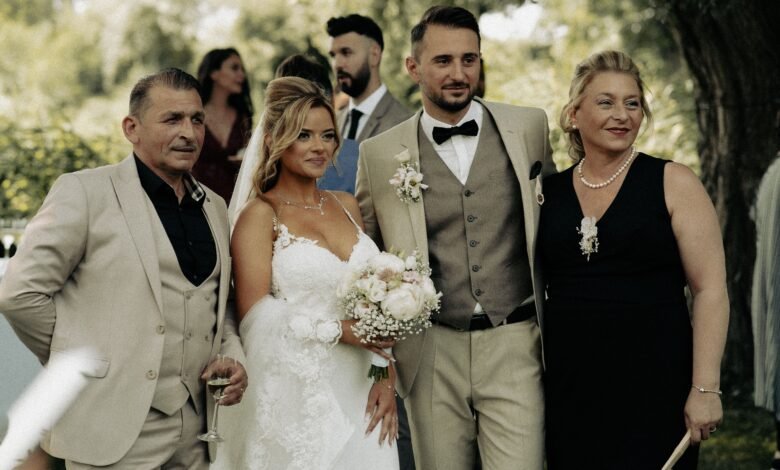
Mother of groom dresses have one job with three parts: look elegant, feel comfortable from the first photo to the last dance, and suit the wedding without competing with the bride. That sounds simple, yet shopping for one is often harder than it should be. The old advice to wear beige and stay quiet is outdated, and most guides cover the etiquette of only one country. This guide puts everything in one place: modern etiquette, colors, silhouettes, fabrics, fit for every body type and age, a realistic budget, one clear shopping timeline, and how mother of the groom attire differs across South Asia, the Middle East, East Asia, Europe, Africa and the Americas.
It is written for any mother, stepmother or parent of the groom, whether the wedding is a black-tie ballroom evening, a garden lunch, a beach ceremony or a multi-day celebration with several outfits. mother of groom dresses If the couple is two grooms, or the groom’s partner is not a bride, the same advice applies: coordinate with the couple and the other parents.
Key Takeaways
- Choose mother of the groom dresses that match the formality on the invitation, in a color that complements the wedding palette without copying it.
- Avoid white, ivory and anything that reads as bridal in photos, unless the couple clearly asks for it.
- You do not need to match the mother of the bride. Coordinate level of formality and colors, and share photos early.
- Traditionally you pay for your own outfit, but ask the couple if they have offered to help.
- Start looking six to eight months before the wedding and book alterations before the dress arrives.
- Customs differ widely around the world. When in doubt, ask the couple’s family and follow local dress guidance for religious venues.
What Are the Best Mother of Groom Dresses?
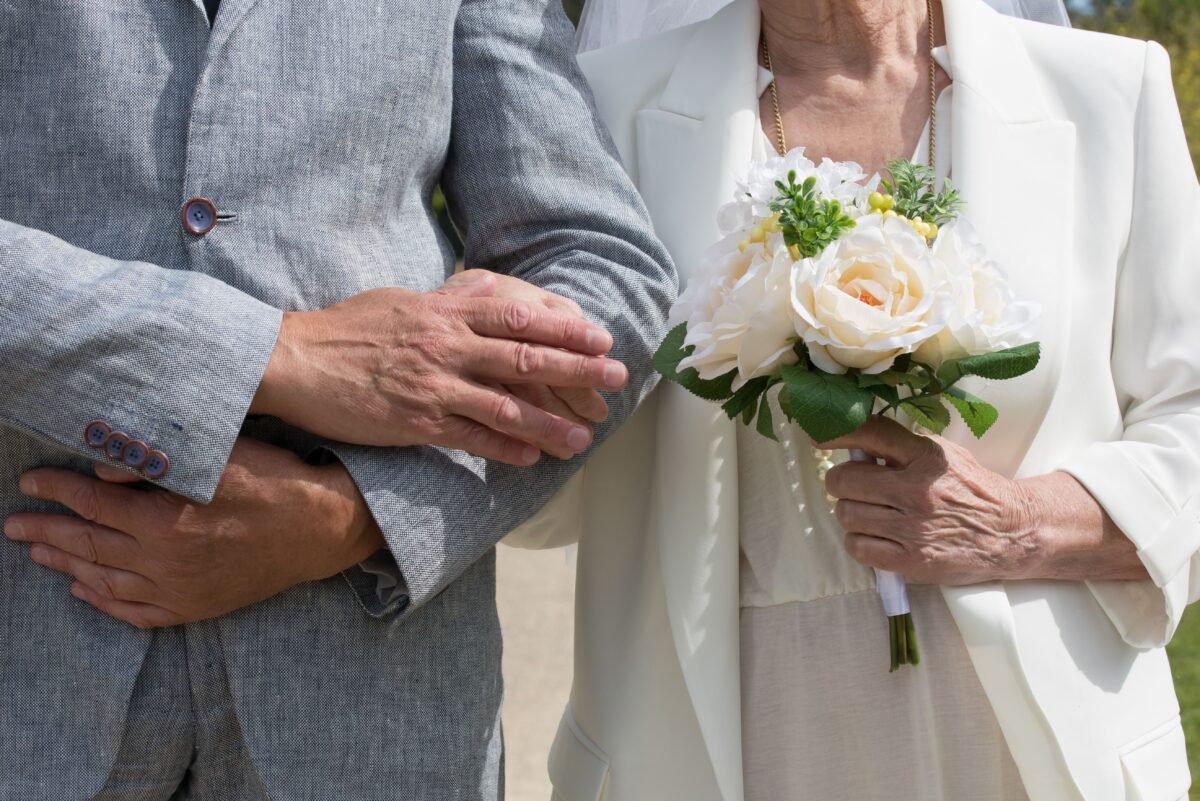
The best mother of groom dresses are the ones that fit the wedding’s formality, flatter you in photos and stay comfortable for many hours. There is no single best style, mother of groom dresses because a heavy velvet gown is perfect for a winter evening and wrong for a beach ceremony. The quick answer by setting is below.
- Formal or black-tie evening: a floor-length gown in satin, crepe, velvet or beaded fabric, in a deep jewel tone or soft metallic.
- Semi-formal or cocktail: a knee-length, midi or tea-length dress, or an elegant two-piece set.
- Daytime, garden or outdoor: a flowing midi or maxi dress in chiffon or lightweight crepe, in a soft color.
- Beach or destination: a breathable maxi dress, a kaftan or a light jumpsuit, with shoes that work on sand or uneven ground.
- Traditional or cultural celebration: formal traditional wear such as a sari, embroidered shalwar kameez, qipao, hanbok or kimono, chosen with the families.
A five-step shortcut
- Read the invitation and the wedding website for the dress code and venue.
- Ask the couple for their color palette and anything they want you to avoid.
- Share your plan with the mother of the bride, or ask what she is wearing.
- Pick a silhouette and fabric that suit the season and your comfort.
- Order early, book alterations and test your shoes before the day.
Mother of Groom Dresses Etiquette: The Modern Rules
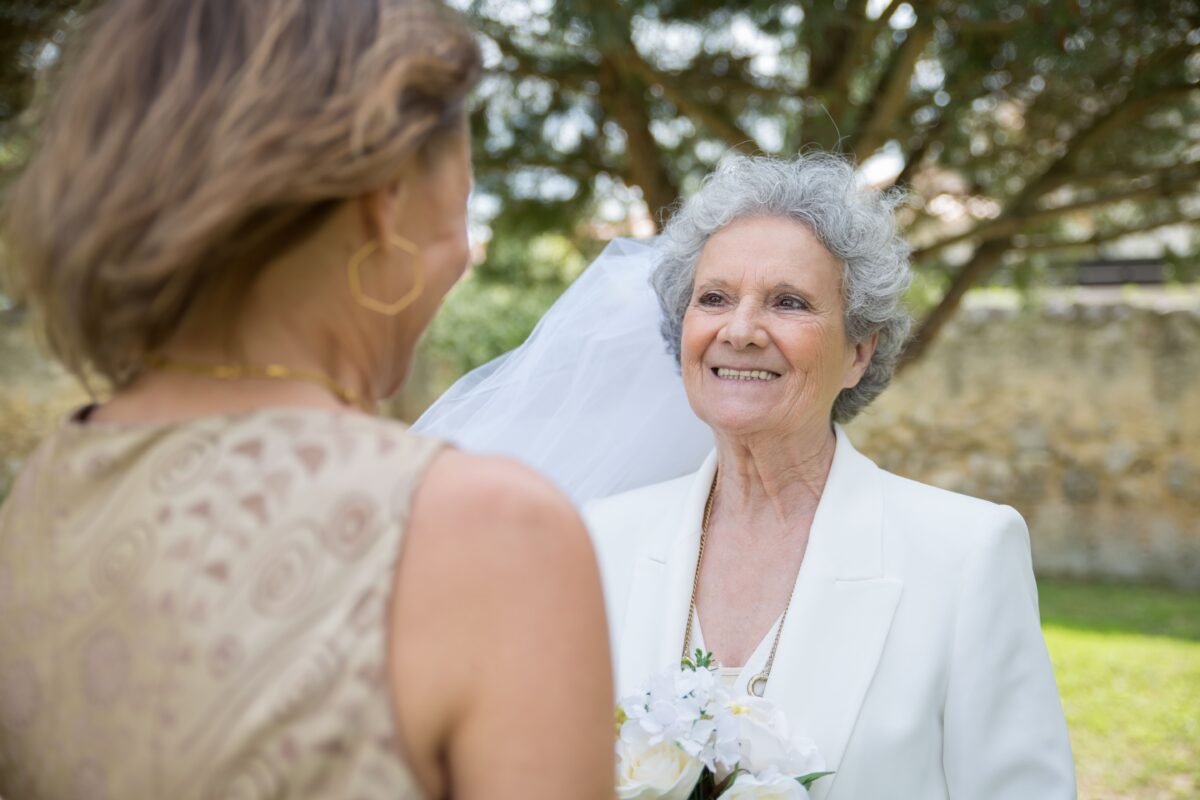
Etiquette for mother of the groom dresses has relaxed. mother of groom dresses The aim is not to hide in the background but to look polished and let the couple be the center of attention. Most of the rules below are customs, not laws, so treat them as a starting point and let the couple’s wishes come first.
Who chooses the dress?
You do. It is your outfit, and you should feel like yourself in it. mother of groom dresses The couple’s preferences still matter, so ask them about formality, colors and any family theme before you shop. A short message with two or three photos of your top choices avoids surprises.
Who pays for the dress?
Traditionally each mother pays for her own outfit, including alterations and accessories. Some couples or families offer to contribute, especially when a specific color or a matching fabric is requested. Unless this is offered, plan to cover it yourself and set a budget first.
Does the mother of the groom match the mother of the bride?
No. You should coordinate, not match. Aim for a similar level of formality (both long, or both knee-length or midi) and colors that sit well side by side. mother of groom dresses Traditionally the mother of the bride chooses first and shares her color with you, but many families now shop together or send each other photos at the same time. If you end up in similar silhouettes, different colors and accessories keep the look balanced.
Can the mother of the groom wear white?
It is best to avoid white, ivory, cream and pale champagne, because they can look bridal on camera. Wear them only if the bride asks, for example for an all-white wedding party. Even then, ask about the exact shade.
Can the mother of the groom wear black?
Yes, in many places black is acceptable, especially for evening and black-tie weddings. mother of groom dresses In some cultures and families, black is linked to mourning, so check with the couple. If you choose black, add color or texture with a wrap, jewelry or a bag so the look feels festive.
Should you get ready with the bride?
There is no rule against it. It depends on your relationship with the bride and the schedule of the day. If you do get ready together, wear a comfortable button-front top or robe so you can change into your dress without disturbing hair and makeup, and arrive at the ceremony in your full outfit.
Best Colors for Mother of Groom Dresses
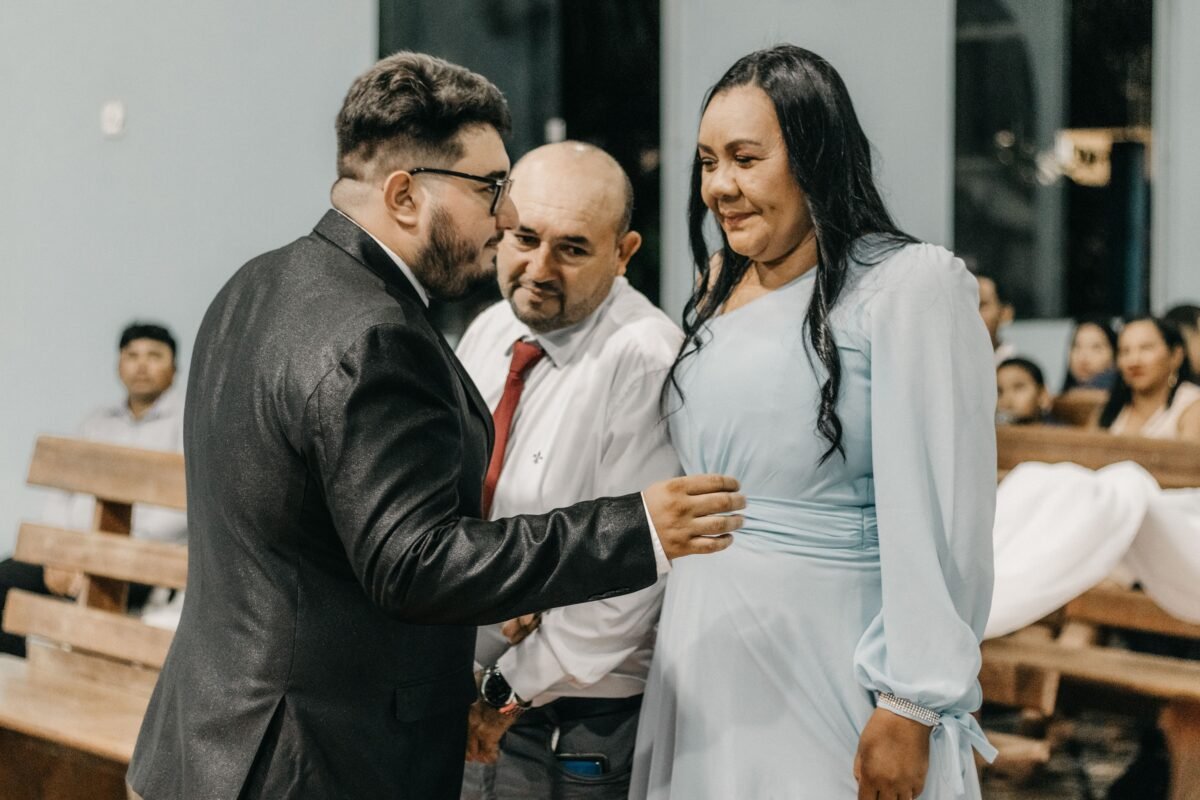
The best colors for mother of groom dresses flatter your skin tone, mother of groom dresses suit the season and complement the wedding palette. Complement does not mean copy: wearing exactly the bridesmaids’ color can make you blend into the group instead of standing out as family.
| Setting | Colors that work well | Why they work |
|---|---|---|
| Spring and daytime | Dusty blue, sage, lavender, soft rose | Light and fresh, photograph well in daylight |
| Summer and outdoor | Pastel blue, coral, soft green, light gray | Cool-looking in the heat, easy to coordinate |
| Autumn | Burgundy, rust, olive, deep teal, plum | Warm tones suit the season and gold jewelry |
| Winter and evening | Navy, emerald, deep plum, charcoal, silver | Rich and formal, look elegant under evening lighting |
| Neutral and timeless | Taupe, dove gray, slate, mocha | Easy to accessorize, avoid bridal shades |
Colors to avoid
- White, ivory and anything bridal.
- The exact bridesmaid color, unless the bride asks for it.
- Colors that clash with the mother of the bride’s dress, such as two bright but opposing shades.
- Very large, loud prints that will dominate family photos.
- Colors linked to mourning in the couple’s culture. Ask before you buy.
Photo tips
Simple, solid colors and small prints photograph best. mother of groom dresses Very shiny fabrics can reflect the flash, and very pale colors can wash out in bright sun. If you are unsure, hold the fabric next to your face in daylight and check how it looks in a photo before you decide.
Mother of Groom Dresses by Silhouette and Length
The right silhouette is the one that lets you walk, sit, hug and dance without adjusting your dress. These are the most common options and what each does best.
| Silhouette | Best for | Good to know |
|---|---|---|
| A-line | Almost every body type and formality level | Fitted at the top, flowing skirt, easy to move in |
| Empire waist | Comfort, warm weather, outdoor weddings | Seam under the bust, skims the middle |
| Sheath or column | Formal and modern looks | Sleek, needs a slit or stretch fabric for walking |
| Fit-and-flare | Defining the waist | Good for cocktail and daytime lengths |
| Wrap dress | Adjustable fit, daytime and semi-formal | The V-neckline suits many shapes |
| Two-piece set | Mixing sizes top and bottom, staying cool | Matching top and skirt or trousers, very versatile |
| Pantsuit or jumpsuit | Modern formal looks, mobility | See the section on alternatives below |
Length guide
- Floor-length: the most formal choice. Check the hem with your real shoes and heel height.
- Tea-length: falls mid-calf, elegant for daytime and semi-formal weddings.
- Midi: just below the knee to mid-calf, a safe middle ground.
- Knee-length: best for cocktail and casual weddings, and for warm climates.
For a formal evening, floor-length or a very dressy midi is the safest choice. For a casual daytime wedding, a knee-length or midi dress will feel more natural than a long gown.
Mother of Groom Dresses by Season and Fabric
Fabric affects comfort, movement and how the dress looks in photos. Match it to the season and the venue.
| Season or setting | Good fabrics | Fabrics to avoid |
|---|---|---|
| Spring | Chiffon, light crepe, lace overlay, organza | Heavy velvet, thick brocade |
| Summer | Chiffon, georgette, light linen blends, cotton lace | Dense polyester that traps heat, thick satin |
| Autumn | Crepe, satin, jacquard, lace, light brocade | Thin fabrics without a lining or wrap |
| Winter | Velvet, heavy crepe, brocade, long-sleeve lace | Very sheer, sleeveless styles without a jacket |
| Evening or black-tie | Satin, mikado, silk, beaded or sequin fabric | Casual cotton or jersey |
| Beach or tropical | Chiffon, cotton blends, light viscose | Heavy fabrics, long trains that drag in sand |
A lining matters as much as the outer fabric. mother of groom dresses A good lining keeps you comfortable, helps the dress hang well and stops fabric from clinging. Check care labels too: some dresses need dry cleaning, and a stain before the wedding is harder to fix than a missing button.
Mother of Groom Dresses for Every Body Type and Age
Most guides show one kind of model. In reality, mothers of grooms come in every size, height and age, and the goal is the same: a well-fitting dress that you forget about once you put it on.
Plus-size mother of groom dresses
Look for structured seams, supportive linings, stretch crepe and wrap or A-line shapes. V-necks and three-quarter sleeves are popular for comfort and coverage. mother of groom dresses Many specialist and department-store brands offer extended sizing, but the range is often smaller in stores, so start early and allow time for ordering and alterations.
Petite mother of groom dresses
A dress that is too long or too heavy can overwhelm a petite frame. Midi and tea-length styles usually work well, as do slim A-lines, vertical details and a waist at the right height. Plan on hemming so the length looks intentional, not borrowed.
Tall mother of groom dresses
Check sleeve and hem length before you fall in love with a dress, because standard sizes can be short. Floor-length gowns, wide-leg trousers and maxi dresses often look especially elegant on tall frames. Ask whether the hem can be let down.
Mother of groom dresses for women over 50 and 60
There is no age limit on style. Comfort, fit and confidence matter more than any rule about what is appropriate. Many women prefer three-quarter or lace sleeves, necklines that feel comfortable, mother of groom dresses fabrics with a little stretch, and shoes with real support. Choose the color and cut you love, not what you think looks older or younger.
Sleeves and coverage
If you prefer more coverage, there are plenty of options: cap and flutter sleeves, sheer lace sleeves, long sleeves, a tailored jacket, a cape or a wrap. Keep a light layer in your bag, because venues can be cold or very warm.
Mother of Groom Dresses Around the World
The idea of what to wear as mother of the groom changes from country to country, and even from family to family. The examples below are broad, not rules. If you attend a wedding outside your own culture, ask the couple’s family what is expected.
- South Asia (Pakistan, India, Bangladesh): Mothers often wear formal traditional wear such as a sari, an embroidered shalwar kameez, a lehenga or a gharara, usually with a dupatta. Rich jewel tones, gold embroidery and heavy jewelry are common. Weddings often have several events, such as a mehndi, a baraat or a valima, each with a different color theme, so ask which colors are planned for each day. In some communities, white and black are linked to mourning, so confirm before you choose.
- The Middle East and North Africa: Formal modest dress is common, including embroidered kaftans, long-sleeve evening dresses and abayas with detailed work. Hijab-friendly outfits often pair a long dress with a matching scarf. In some communities celebrations are separate for women and men, and the dress code can be more glamorous at the women’s event, so ask.
- China and East Asia: In Chinese weddings, red and gold are lucky colors, and a qipao is a popular formal choice for mothers. White and black are linked to mourning in many families, mother of groom dresses so ask before choosing them. In Korea, the traditional hanbok is worn by both mothers, and the groom’s mother is commonly dressed in blue while the bride’s mother is in pink. In Japan, mothers of the couple traditionally wear a formal black kimono, or a formal western dress.
- Europe and the UK: Hats and fascinators are common at British and Irish church weddings, often with a tailored dress or a dress and jacket. In Mediterranean countries, elegant, light fabrics suit the heat. In many churches, shoulders and sometimes knees should be covered, so pack a wrap.
- Africa: In Nigeria, families often choose a matching fabric (called aso ebi), and mothers commonly wear lace or Ankara with a gele headwrap. In Ghana, kente cloth is often used for accents or full outfits. Bright, bold colors and structured gowns are common across West Africa.
- The Americas: In the United States and Canada, the range is wide, from long evening gowns to midi dresses and pantsuits, usually following the invitation’s dress code. In Mexico and Latin America, elegant long dresses are common for evening weddings. For Caribbean or beach weddings, light fabrics and comfortable shoes are the priority.
Religious venues and modest dress
Churches, mosques, temples and synagogues often have their own dress guidance. mother of groom dresses Common requests include covered shoulders and knees, a scarf or head covering, and removing shoes. Ask the couple or the venue in advance, and carry a shawl so you can adapt.
Mother of Groom Dresses by Dress Code and Venue
The invitation is your best clue. This table translates the common terms.
| Dress code | What it means | Mother of the groom outfit idea |
|---|---|---|
| Black-tie | Most formal | Floor-length gown, evening fabric, dressy accessories |
| Formal or black-tie optional | Formal, slightly flexible | Floor-length gown, elegant midi or a formal pantsuit |
| Cocktail | Dressy, not full formal | Knee or midi dress, or a dressy two-piece set |
| Semi-formal | Between cocktail and formal | Midi dress, tailored set or elegant jumpsuit |
| Garden or daytime | Relaxed and elegant | Flowing midi or maxi in a soft color, block heels or wedges |
| Beach or destination | Comfortable and breezy | Maxi dress or kaftan in light fabric, sandals or flat dressy shoes |
| Traditional or cultural | Set by the families | Traditional formal wear in colors agreed with the family |
The venue matters too. A grand hotel ballroom suits a gown and heels. mother of groom dresses A rustic barn or a vineyard works better with a lighter dress and sturdy shoes. At a church or a place of worship, make sure your shoulders are covered.
Beyond Dresses: Pantsuits, Jumpsuits and Two-Piece Sets
Mother of the groom outfits are no longer limited to dresses. If you prefer trousers or want more freedom to move, these are all appropriate when they match the formality.
- Pantsuits: a tailored jacket with matching trousers in crepe, silk or satin can look very formal, especially with elegant jewelry.
- Jumpsuits: a wide-leg jumpsuit in a flowing fabric is modern and comfortable. Check that it is easy to use the restroom in.
- Two-piece sets: a matching top and skirt or trousers lets you buy different sizes for the top and bottom and often feels cooler.
- Separates: a sequined top with a satin skirt, or a lace top with silk trousers, gives you a custom look.
- Traditional wear: formal saris, kaftans, qipao and other traditional outfits are fully appropriate when they fit the occasion.
Budget Guide for Mother of Groom Dresses
Prices vary by country, brand and fabric, so treat the ranges below as typical guides in US dollars, not rules. Check local prices and allow extra for alterations, shoes and accessories.
| Level | Typical range | What to expect |
|---|---|---|
| Budget | Under about $150 | Online and high-street dresses, simple fabrics, may need tailoring |
| Mid-range | About $150 to $400 | Better fabric and lining, more occasion-wear choices |
| Premium | About $400 to $800 | Designer or bridal-boutique styles, detailed beading or lace |
| Luxury and custom | Above $800 | Made-to-measure, couture or traditional handwork |
Ways to save without looking cheap
- Rent a designer dress for one event.
- Buy preloved or consignment pieces and have them tailored.
- Choose a classic silhouette you can wear again, such as a navy midi or a tailored jumpsuit.
- Spend more on fit than on embellishment. A mid-range dress with good tailoring beats an expensive dress that fits badly.
- Reuse your shoes and bag from other events.
Shopping and Alterations Timeline for Mother of Groom Dresses
Use one timeline from start to finish. It leaves enough time for ordering and fittings and still allows a safe margin if something goes wrong.
| When | What to do |
|---|---|
| 6 to 8 months before | Confirm the date, venue and dress code. Ask the couple for their color palette. Start browsing |
| 5 to 6 months before | Talk to the mother of the bride and share photos. Try dresses in person |
| 4 to 5 months before | Order your dress, allowing for made-to-order times |
| 2 to 3 months before | First fitting. Bring the exact shoes and undergarments you will wear |
| 4 to 6 weeks before | Finalize accessories, shoes, hair and makeup plan |
| 2 to 4 weeks before | Final fitting |
| 1 week before | Steam or press, break in shoes, pack an emergency kit |
If the wedding is less than six weeks away, shop in stores for in-stock dresses, consider rental, and book a tailor immediately.
Accessories, Shoes, Hair and Makeup
Accessories should finish your look, not compete with it. Choose one hero piece and keep the rest quiet.
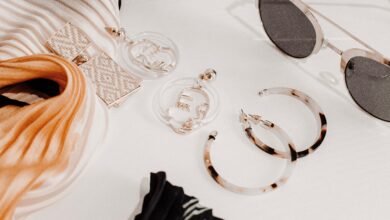
- Jewelry: match it to the neckline. A V-neck or scoop suits a pendant, while a high or embellished neckline works with statement earrings and no necklace.
- Shoes: comfort is essential because you will stand, walk and dance. Choose block heels, wedges or dressy flats for grass and uneven ground, and pumps or heeled sandals for indoor venues.
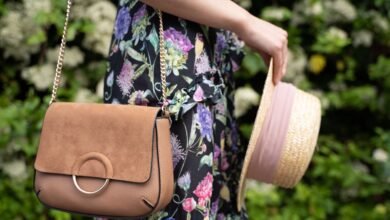
- Bag: a small clutch or structured bag holds the essentials: phone, lipstick, tissues, a mini sewing kit.
- Wrap or jacket: useful for cool evenings, air conditioning and religious venues.
- Hair and makeup: keep it polished and comfortable. Try your hair and makeup look at least once before the day.
- Hats and fascinators: common for many UK and Irish weddings. Make sure they do not block the view of those behind you.
A simple emergency kit
Pack fashion tape, safety pins, blister plasters, stain remover wipes, tissues, a small sewing kit, mints and a phone charger.
Rehearsal Dinner, Bridal Shower and Other Events
You may need more than one outfit. The rehearsal dinner and engagement party are usually less formal than the wedding, so follow the dress code on the invitation or the wedding website. mother of groom dresses A midi dress, a nice jumpsuit or a dressy set works for most rehearsal dinners. A bridal shower is often lighter and daytime, so a simple dress in a soft color is a good choice.
For multi-day weddings, ask for a schedule and the dress code for each event. Many cultures have different colors and outfits for each day, so a quick message to the couple or the family saves you from last-minute shopping.
Common Mistakes to Avoid
- Waiting too long to shop. Late shopping limits sizes, colors and tailoring time.
- Skipping the conversation. A short chat with the couple and the mother of the bride prevents most problems.
- Wearing white or bridal shades. Avoid anything that could be mistaken for the bride’s dress.
- Buying for the photo, not the day. A dress you cannot sit or dance in will make the day harder.
- Ignoring the venue. Stilettos on grass or heavy velvet at a beach wedding rarely end well.
- Choosing the wrong fit. Fit matters more than the label, and alterations are normal.
- Overdoing the accessories. One statement piece is enough.
- Forgetting cultural expectations. Ask about colors, coverage and customs, especially for religious and traditional weddings.
FAQs About Mother of Groom Dresses
What should the mother of the groom wear?
Wear an outfit that matches the formality of the wedding, flatters you and feels comfortable all day. That could be a long gown, a midi dress, a pantsuit or traditional formal wear. Check the dress code and the couple’s color palette first.
What color should the mother of the groom wear?
Choose a color that suits you and complements the wedding palette, such as dusty blue, navy, sage, burgundy, plum, champagne-gray or soft metallics. Avoid white, ivory and the exact bridesmaid color unless the couple asks for it.
Can the mother of the groom wear black?
Often yes, especially for evening and black-tie weddings. In some cultures black is linked to mourning, so ask the couple first and add a bright accessory to keep the look festive.
Can the mother of the groom wear white or ivory?
It is best to avoid them, because they can look bridal. The exception is a couple who ask for an all-white or neutral palette. In that case, confirm the exact shade.
Who pays for the mother of the groom dress?
Traditionally the mother pays for her own outfit. Some couples or families offer to help, but do not assume this. Set a budget and include alterations and accessories.
When should the mother of the groom buy her dress?
Start looking six to eight months before the wedding and order about four to five months before, so there is time for fittings. For short notice, shop in-stock dresses or rent.
Should the mother of the groom and the mother of the bride match?
No. They should coordinate formality and colors, not wear identical outfits. A quick photo exchange is usually enough.
Can the mother of the groom wear a pantsuit or jumpsuit?
Yes. A tailored pantsuit or a flowing jumpsuit in an elegant fabric is appropriate for most weddings, as long as it matches the formality.
What can a mother of the groom wear to a modest or hijab-friendly wedding?
Choose a long-sleeve, ankle-length dress or an embellished kaftan or abaya in a rich color, and pair it with a matching scarf if you wear one. Check for any specific guidance from the couple’s family or venue.
Final Thoughts
The best mother of groom dresses are not the most expensive or the most dramatic. They are the ones that fit the wedding, suit you and let you enjoy every moment of your son’s day. Start with a conversation with the couple, choose a color and silhouette that suit the season and formality, follow one realistic timeline and respect the customs of the families involved. When you feel comfortable and confident, it shows in every photo, and that is the best accessory you can wear.