Formal Wear for Men: The Complete 2026 Guide to Dress Codes, Outfits and Styling

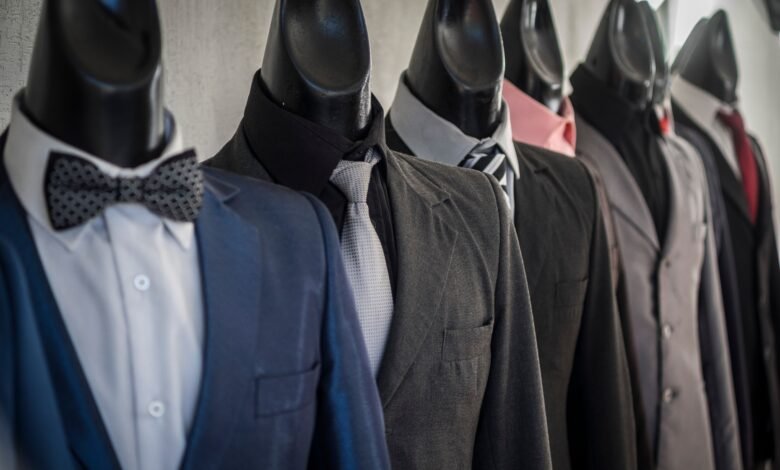
Formal wear for men has one job: to make you look polished, respectful of the occasion and comfortable enough to enjoy it. The problem is that invitations rarely explain what “formal” actually means. Does it mean a tuxedo? A dark suit? Is a tie enough, or do you need cufflinks and a pocket square?
This guide answers those questions in plain language. You will learn how the formal dress code ladder works, which pieces every man needs, what to wear to weddings, interviews, galas and Eid gatherings, how to choose fabrics for hot and cold weather, how a suit should fit, how to dress well on a budget, and which mistakes to avoid. It also covers South Asian formal wear such as the sherwani and prince coat, which most international guides ignore.
Key Takeaways
- Formal wear for men usually means a dark suit with a white shirt, silk tie and leather dress shoes, or a tuxedo when the invitation says black tie.
- Dress codes work like a ladder: white tie, black tie, black tie optional, business formal, then semi-formal. Each step down relaxes the rules.
- A tuxedo is required for black tie. A dark suit is the safe choice for almost everything else formal.
- Fit matters more than price. A well-tailored mid-range suit beats an expensive one that does not fit.
- In hot climates, choose lightweight wool or wool blends in dark colours. Dark does not have to mean heavy.
- A sherwani or a waistcoat with a prince coat is perfectly formal for many South Asian weddings and festive events. Check the invitation and the family’s expectations.
- When unsure, dress up. It is far easier to remove a tie than to add a jacket you did not bring.
What Is Formal Wear for Men?
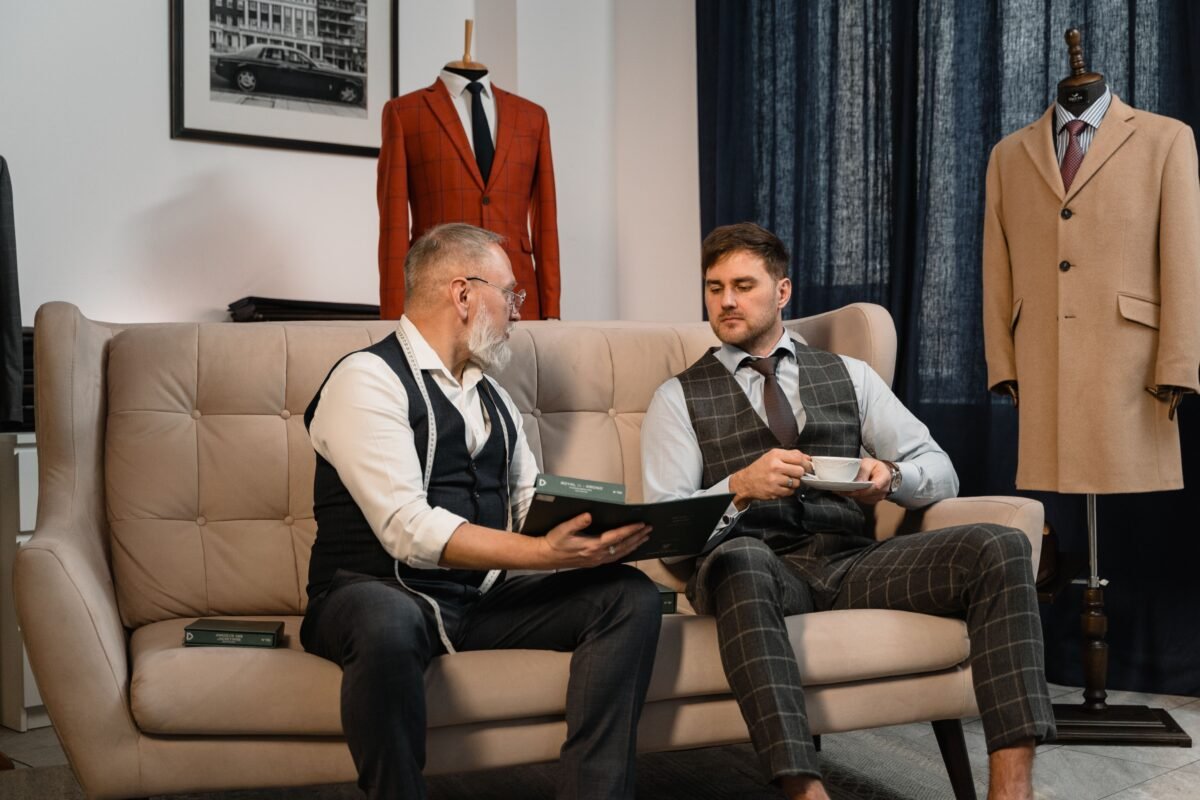
Formal wear for men is clothing worn to events where a high standard of dress is expected: weddings, galas, award ceremonies, formal dinners, religious and cultural ceremonies, and some business occasions. It is defined by tailoring, dark or neutral colours, clean lines and quality fabrics.
At its simplest, a formal outfit includes:
- A suit or tuxedo in a dark colour, with matching jacket and trousers
- A dress shirt, usually white
- A tie or bow tie
- Leather dress shoes
- Dark dress socks
The word “formal” on an invitation can mean different things depending on the host, the time of day and the culture. In many Western settings, “formal” allows either a dark suit or a tuxedo, while “black tie” specifically requires a tuxedo. In South Asian settings, “formal” may mean a suit, a sherwani, or a waistcoat with traditional clothing. The safest approach is to read the invitation carefully and, if the wording is vague, ask the host.
Types of Formal Wear for Men: The Dress Code Ladder

The easiest way to understand formal wear for men is to think of it as a ladder. White tie is at the top, the strictest and rarest. Semi-formal is at the bottom, with the most flexibility. Here is the full picture at a glance:
| Dress code | Core outfit | Typical events | Tuxedo needed? |
|---|---|---|---|
| White tie | Black tailcoat, white waistcoat, white bow tie, white shirt, black trousers | State dinners, royal and diplomatic events | No, tailcoat instead |
| Black tie | Black or midnight blue tuxedo, white shirt, black bow tie, black dress shoes | Galas, formal evening weddings, award nights | Yes |
| Black tie optional | Tuxedo or a very dark suit with white shirt and dark tie | Formal weddings, charity dinners | Optional |
| Business formal | Dark two-piece or three-piece suit, dress shirt, tie, leather shoes | Interviews, corporate events, conferences, court | No |
| Semi-formal | Suit in a wider range of colours, or blazer with dress trousers, tie optional | Cocktail parties, daytime weddings, business dinners | No |
White Tie
White tie is the most formal dress code in the world and also the rarest. The outfit consists of a black tailcoat, matching trousers, a white wing-collar shirt, a white waistcoat and a white bow tie, finished with black patent or highly polished shoes. You are unlikely to see it outside state occasions, diplomatic dinners and a few traditional balls. If you receive a white tie invitation, renting is the practical option for most men.
Black Tie
Black tie is the standard for formal evening events. It means a tuxedo (also called a dinner suit), which differs from a regular suit in a few specific ways: satin or grosgrain on the lapels, a stripe of the same material down the trouser leg, and no need for a belt. Pair it with a white dress shirt, a black bow tie and black patent leather shoes or well-polished black oxfords. Black and midnight blue are the classic colours.
Black Tie Optional
Black tie optional gives you a choice: wear a tuxedo, or wear a dark, well-fitted suit instead. Many hosts use this wording to be welcoming to guests who do not own a tuxedo. formal wear for men If you go with a suit, choose charcoal, navy or black, a white shirt, a dark silk tie and black leather shoes. A black suit is not a tuxedo, so do not add a bow tie and expect it to count as black tie.
Business Formal
Business formal is the most conservative everyday formal dress code. Think a dark two-piece or three-piece suit in navy or charcoal, a pressed white or light blue shirt, a silk tie and leather lace-ups. It is the right choice for job interviews, board meetings, legal settings and formal corporate events.
Semi-Formal
Semi-formal wear for men sits just below formal. It allows lighter colours such as mid-grey, tan or lighter blue, patterns such as subtle checks, and sometimes a blazer with contrasting trousers. A tie is common but not always required, and loafers or brogues are acceptable. This is a typical choice for cocktail parties, daytime weddings and business dinners.
Essential Pieces of Formal Wear for Men

You do not need a huge wardrobe. A small set of well-chosen pieces covers almost every formal situation.
Suits and Tuxedos
If you buy only one formal item, make it a single-breasted suit in dark navy or charcoal. These colours work for business, weddings and evening events, and they flatter most skin tones. A two-button jacket is the most versatile cut. Choose a notch lapel for a classic look. A peak lapel is more dramatic and common on tuxedos and double-breasted jackets.
A tuxedo is worth owning only if you attend black tie events regularly. For occasional use, renting is more economical. When you do need one, look for a black or midnight blue tuxedo with a shawl or peak lapel and satin facings.
A waistcoat (vest) turns a two-piece suit into a three-piece and adds formality. It is useful in winter and for evening events, and it keeps you looking composed when you take your jacket off.
Formal Shirts
White is the standard for formal wear for men. It frames the face, works with every tie and is accepted at every dress code from semi-formal to white tie. Light blue is acceptable for business formal and semi-formal, but not for black tie.
Collar choice matters. A spread collar suits a wider tie knot, while a point collar suits a smaller, slimmer knot. For black tie, a turndown collar is the conventional option. French cuffs (double cuffs) are worn with cufflinks, which suit formal evening events. Button cuffs are perfectly fine for business formal.
Formal Trousers
Trousers should match the jacket and sit comfortably at the natural waist. They should have a clean line with a slight break or no break at the shoe. If you wear a belt, it should match your shoes. With a tuxedo, trousers are traditionally held up by side adjusters or braces, so no belt is needed.
Formal Shoes
Shoes finish the outfit, and wearing the wrong pair is one of the most common formal mistakes. The simple rules are:
- Black oxfords go with navy, charcoal and black suits and are the safest option.
- Dark brown oxfords or derbies work with navy and grey in business formal and semi-formal settings.
- Black patent leather or highly polished black shoes are correct for black tie.
- Loafers are acceptable for semi-formal wear but not for black tie or strict business formal.
Always polish your shoes and wear dark dress socks long enough to cover your calves when you sit.
Ties and Bow Ties
A silk tie in a solid colour or a small pattern is the standard. Navy, burgundy, dark green and charcoal are reliable choices. The tie should reach your belt line and be roughly as wide as your lapel. A black bow tie is required for black tie. Both self-tie and pre-tied bow ties are acceptable to most hosts, though self-tie shows more confidence and tends to look more natural.
Pocket Squares, Cufflinks and Watches
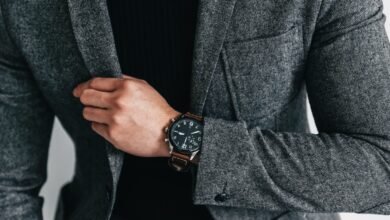
Accessories should be restrained. A white linen pocket square folded flat is always correct. Cufflinks are an elegant touch with French cuffs. A slim dress watch with a leather strap suits formal wear for men best, while a bulky sports watch does not. The rule is one or two accessories, not six.
A Simple Belt Rule
To avoid confusion: with a business suit, wear a belt that matches your shoes. With a tuxedo, skip the belt and use side adjusters or braces. That one rule clears up most belt questions.
Formal Wear for Men by Occasion
Formal Wear for Men at Weddings
The couple sets the dress code, so read the invitation first. For a formal wedding, a dark suit with a white or light shirt and a silk tie is a dependable choice. For black tie, wear a tuxedo. Consider the following:
- Daytime weddings allow slightly lighter suits such as mid-grey or navy with a lighter tie.
- Evening weddings call for darker tones, and a tuxedo if specified.
- Outdoor and summer weddings suit lightweight fabrics, but the dress code still applies. A casual setting does not cancel a formal invitation.
- Do not upstage the groom. Avoid white or cream suits unless the invitation says so.
Formal Wear for Men for Work and Interviews
For a job interview or a formal office, aim for business formal. A navy or charcoal suit, a white or light blue shirt, a conservative tie and polished black or dark brown lace-up shoes make the right impression. Keep accessories minimal, make sure everything is pressed, and carry a slim portfolio or bag in a matching colour.
Formal Wear for Men at Galas and Dinners
If the invitation says black tie, wear a tuxedo. If it says formal or black tie optional, a dark suit is fine, but a tuxedo is also appropriate in the evening. Add a white pocket square and keep the rest classic. Evening events reward darker colours and a polished shoe.
Formal Wear for Men at Eid and Festive Gatherings
Eid, Diwali and family celebrations often blend formal and traditional dress. A tailored shalwar kameez, a sherwani or a waistcoat over a kurta can be just as formal as a suit. Choose rich but refined colours, keep embroidery tasteful, and match your footwear (peshawari chappals, kolhapuris, loafers or leather dress shoes) to the level of the event.
Colours and Fabrics: What to Choose
Colours
Dark, solid colours are the foundation of formal wear for men:
- Navy is the most versatile. It works for business, weddings and evening events.
- Charcoal grey is serious and flattering, and works with almost every shirt and tie.
- Black is best for evening events, black tie and solemn occasions such as funerals. A black business suit is not a tuxedo, and it can look heavy in daylight.
- Midnight blue looks almost black indoors and slightly richer under light, which is why it is a classic tuxedo colour.
- Lighter shades such as mid-grey, tan and light blue are better for semi-formal and daytime events.
If you want to add colour, do it through the tie, pocket square or socks rather than the suit.
Fabrics
- Worsted wool is the standard for formal suits. It drapes well, resists wrinkles and looks smart.
- Wool blends (wool with polyester or mohair) are durable, affordable and widely available.
- Flannel is soft and warm, good for winter weddings and cold climates.
- Tropical or lightweight wool is woven for breathability, and it is excellent for hot weather while keeping its shape.
- Linen and cotton are comfortable in heat but crease easily. Use them for semi-formal and daytime events, not for black tie.
- Velvet works for evening dinner jackets in colours such as deep burgundy or green, though it is better for creative evening events than conservative black tie.
Seasonal Guide: Formal Wear for Men in Hot and Cold Weather
Hot and Humid Weather
In cities like Karachi, Lahore and Dubai, a heavy suit can be miserable for most of the year. Solutions that keep you formal and comfortable:
- Choose lightweight wool or a breathable wool blend in navy or charcoal.
- Pick a half-lined or unlined jacket to reduce heat.
- Wear a cotton or breathable poplin shirt in white or light blue.
- Carry a spare shirt for outdoor events, and keep your jacket on a hanger between photographs.
- Remove the waistcoat in heat unless the event requires it.
Cold Weather
For winter weddings and events in northern regions:
- Choose flannel or heavier worsted wool.
- Add a waistcoat for warmth and formality.
- Wear a tailored overcoat in navy, charcoal or camel, sized so it fits over your jacket.
- Wear leather-soled shoes with a good polish, and carry gloves and a scarf in neutral colours.
How Formal Wear Should Fit
Fit is what separates formal wear that looks expensive from formal wear that looks borrowed. Use this checklist when trying on a suit or jacket:
- Shoulders: the shoulder seam should end where your shoulder ends. If it droops or pulls, the jacket is the wrong size. Shoulders are the hardest part to alter.
- Jacket length: the jacket should cover your seat. A good rule is that the hem ends around the middle of your hand when your arms hang down.
- Chest and waist: you should be able to button the jacket without pulling or creating an X-shaped crease.
- Sleeves: about a centimetre or half an inch of shirt cuff should show beyond the jacket sleeve.
- Trousers: they should sit at your natural waist and hang cleanly, with a slight break at the shoe or no break.
- Shirt collar: you should be able to fit one finger between the collar and your neck, and the collar should sit smoothly under the jacket.
Fit by Body Type
- Slim build: choose a slim or tailored fit and avoid jackets with too much shoulder padding.
- Athletic build: look for a cut that allows room in the chest and shoulders while tapering at the waist. Ask a tailor to adjust the trousers.
- Broader build: a regular or classic fit with a slightly longer jacket looks balanced. Avoid cuts that are too tight at the waist.
- Shorter men: choose a shorter jacket length and trousers without too much break to avoid cutting your height.
- Taller men: a slightly longer jacket and trouser leg gives better proportions.
A good tailor can change sleeve length, trouser length, waist and jacket taper. In Pakistan and across South Asia, made-to-measure tailoring is widely available and often affordable, which makes a custom-fit suit a realistic option rather than a luxury.
Pakistani and South Asian Formal Wear for Men
Most formal wear guides focus only on Western suits. In reality, formal wear for men in South Asia includes some of the most elegant clothing in the world.
- Sherwani: a long, tailored coat worn over a kurta and churidar or trousers. It is the classic choice for grooms and formal wedding events. Ivory, gold, maroon, black and deep green are popular colours.
- Prince coat: a short, fitted jacket with a mandarin collar, worn with trousers. It is a more modern and versatile option than a sherwani.
- Waistcoat with kurta or shalwar kameez: an easy way to make traditional clothing more formal at Eid, mehndi, walima and dinner events.
- Achkan: a knee-length coat similar to a sherwani with a simpler cut.
- Three-piece suit: a standard choice for walima, receptions and corporate events in cities.
Choosing Between a Suit and Traditional Wear
Use the event and the family’s expectations as a guide:
- Barat and nikah: sherwani or prince coat is often the right choice for the groom and close family. Guests may wear a suit or traditional dress.
- Walima and receptions: a three-piece suit, tuxedo or elegant sherwani all work.
- Mehndi and dholki: brighter colours and lighter kurtas with a waistcoat are common.
- Eid: a clean, fresh shalwar kameez or kurta, optionally with a waistcoat.
- Corporate events: a dark suit and tie are the default.
Be careful with fabric in summer. Wash-and-wear cotton, fine cotton-silk and lightweight blends feel better than heavy embroidered fabrics, and a good tailor will line the garment properly so it sits well on you.
Common Mistakes in Formal Wear for Men
- Poor fit. Baggy shoulders, trousers that bunch at the ankle and sleeves that cover your hands ruin even an expensive suit. Budget for tailoring.
- Wearing the wrong dress code. A black suit is not a tuxedo, and a sports coat is not appropriate for black tie. Check the invitation.
- Mismatched leather. Belt and shoes should match. With a tuxedo, skip the belt entirely.
- Underdressing. Jeans, chinos, sneakers and casual blazers do not belong at a formal event. It is much easier to be slightly overdressed than underdressed.
- Too many accessories. A tie bar, pocket square, lapel pin, watch and bracelet all at once looks cluttered. Choose one or two.
- Ignoring the weather. Wearing heavy wool in the heat or a thin suit in winter leaves you uncomfortable, and discomfort shows.
- Wrinkled clothes. Press your shirt and steam your jacket the day before, not the hour before.
- Scuffed shoes. Polish your shoes and replace worn heels. People notice shoes more than you think.
- Leaving the jacket’s sewn pocket flaps and vent stitching. Remove any basting stitches, and any tags, before wearing.
- Buttoning incorrectly. On a two-button jacket, fasten only the top button. On a three-button jacket, fasten the middle one, and never fasten the bottom button on any single-breasted jacket.
Formal Wear for Men on a Budget
Looking sharp does not require a luxury budget. These steps give you the best results for your money:
- Start with one navy or charcoal suit. It covers most events. A single well-fitted suit is better than three average ones.
- Spend on fit, not on labels. Set aside part of your budget for alterations. A tailored mid-range suit nearly always looks better than an untailored premium one.
- Consider made-to-measure. In many South Asian cities, a local tailor can make a suit from a fabric you choose at a reasonable price, and the fit is often better than ready-to-wear.
- Rent for rare events. If you need a tuxedo or white tie outfit once, renting is far more sensible than buying.
- Choose timeless pieces. A white shirt, a navy tie, black oxfords and a plain leather belt will serve you for years.
- Buy shoes carefully. Good leather shoes can be resoled and last a decade with care, so they are one of the best places to spend.
- Shop sales at the end of seasons, and look for wool blends rather than pure luxury wool to save money.
How to Care for Your Formal Clothes
Good care makes formal clothing last and look better.
- Suits: use a wide wooden or padded hanger. Do not dry clean more than necessary, usually once or twice a season, since cleaning chemicals wear down the fabric. Brush the jacket after wearing and steam out wrinkles.
- Rotation: do not wear the same suit two days in a row. Resting it lets the fabric recover.
- Shirts: wash according to the label, and iron or steam while slightly damp. Use collar stays to keep collars sharp.
- Shoes: use shoe trees to hold the shape, clean and polish regularly, and rotate pairs.
- Storage: keep suits in a breathable garment bag, not plastic, and away from damp and direct sunlight.
- Ties: untie them after use and hang or roll them. Never leave them knotted.
- Travel: fold the jacket inside out, shoulder to shoulder, or use a garment bag, then steam on arrival.
Frequently Asked Questions About Formal Wear for Men
What counts as formal wear for men?
Formal wear for men usually means a dark suit with a white dress shirt, a silk tie and leather dress shoes, or a tuxedo for black tie events. In South Asian settings it can also include a sherwani, prince coat or a waistcoat with traditional dress.
Is a tuxedo required for formal events?
Not always. A tuxedo is required for black tie and white tie events. For formal and black tie optional invitations, a dark suit and tie is generally accepted. If unsure, ask the host.
What is the difference between a suit and a tuxedo?
A tuxedo has satin or grosgrain details on the lapels, buttons and a stripe down the trousers, and it is worn with a bow tie. A suit has plain fabric lapels and is worn with a tie in most cases. A tuxedo is for evening formal events, while a suit is more versatile.
Can I wear a black suit to a formal event?
Yes, in most formal and black tie optional situations. For black tie, a tuxedo is expected. A black suit also works for evening events and solemn occasions, but it can look heavy in daytime, so navy or charcoal is often more flexible.
Do I wear a belt with formal wear?
Yes, in most formal and black tie optional situations. For black tie, a tuxedo is expected. A black suit also works for evening events and solemn occasions, but it can look heavy in daytime, so navy or charcoal is often more flexible.
Conclusion
Formal wear for men comes down to five things: knowing the dress code, choosing dark and well-fitted tailoring, getting the details right (shirt, tie, shoes and accessories), dressing for the weather, and respecting the culture and occasion. If you own one navy or charcoal suit that fits you properly, a white shirt, a silk tie and a pair of polished black oxfords, you are ready for most formal invitations. For South Asian events, add a waistcoat or a sherwani to your options.