Picture two people in the same plain black outfit. One looks like they got dressed in a hurry. The other looks like they know exactly who they are. The difference is rarely the clothes. It is the watch on one wrist, the scarf at one neck, the way a bag hangs from one shoulder. That is the quiet power of fashion accessories, and it explains why people on every continent have used them for centuries to show taste, status, belief and personality.
This guide explains what fashion accessories are, where they came from, how they differ across cultures and seasons, and how to choose, style and care for them. It is written for beginners and style lovers alike, with examples from Asia, the Middle East, Europe, Africa and the Americas rather than from one country only.
Key Takeaways
- Fashion accessories are items worn or carried with clothing to complete, complement or contrast a look.
- They fall into worn and carried groups, and into soft and hard groups.
- Every region has its own signature accessories, from the South Asian dupatta to the Japanese obi and the Maasai beaded collar.
- The best approach is one strong piece per outfit, chosen for the season, the occasion and your comfort.
- Quality, care and repair matter more than quantity, both for your budget and for the planet.
What Are Fashion Accessories?
Fashion accessories are items worn or carried alongside clothing to complete, complement or contrast an outfit. They are not the main garment. A dress, a shirt or a pair of trousers forms the base of what you wear, while an accessory adds detail, colour, texture, function or meaning on top of it.
The word comes from the Latin accessorius, meaning something that accompanies. The term has been used in English fashion writing since around the sixteenth century. That origin is a useful reminder that accessories play a supporting role without being unimportant. Fashion designer Oscar de la Renta is often quoted as saying that a woman makes an outfit her own with accessories, and the same is true for anyone of any gender.
Fashion accessories do two jobs, and the best ones do both at once:
- Practical jobs: a handbag carries your belongings, sunglasses protect your eyes, a belt holds trousers in place, gloves and scarves keep you warm, a hat shields you from sun or rain.
- Expressive jobs: jewellery, brooches, hair ornaments and watches signal taste, culture, religion, occupation or social standing.
Where is the line between clothing and accessories?
The line is sometimes blurry. A silk scarf tied at the neck is an accessory, but worn as a top it becomes clothing. A hat can be protective headwear on a building site and a purely decorative piece at a wedding. Shoes are usually counted as clothing, yet many stylists treat them as accessories when they are chosen to finish a look. A simple rule helps: ask what the item is doing. If it covers the body as the main layer, it is clothing. If it accompanies the main layer, it is an accessory.
A Short History of Accessories
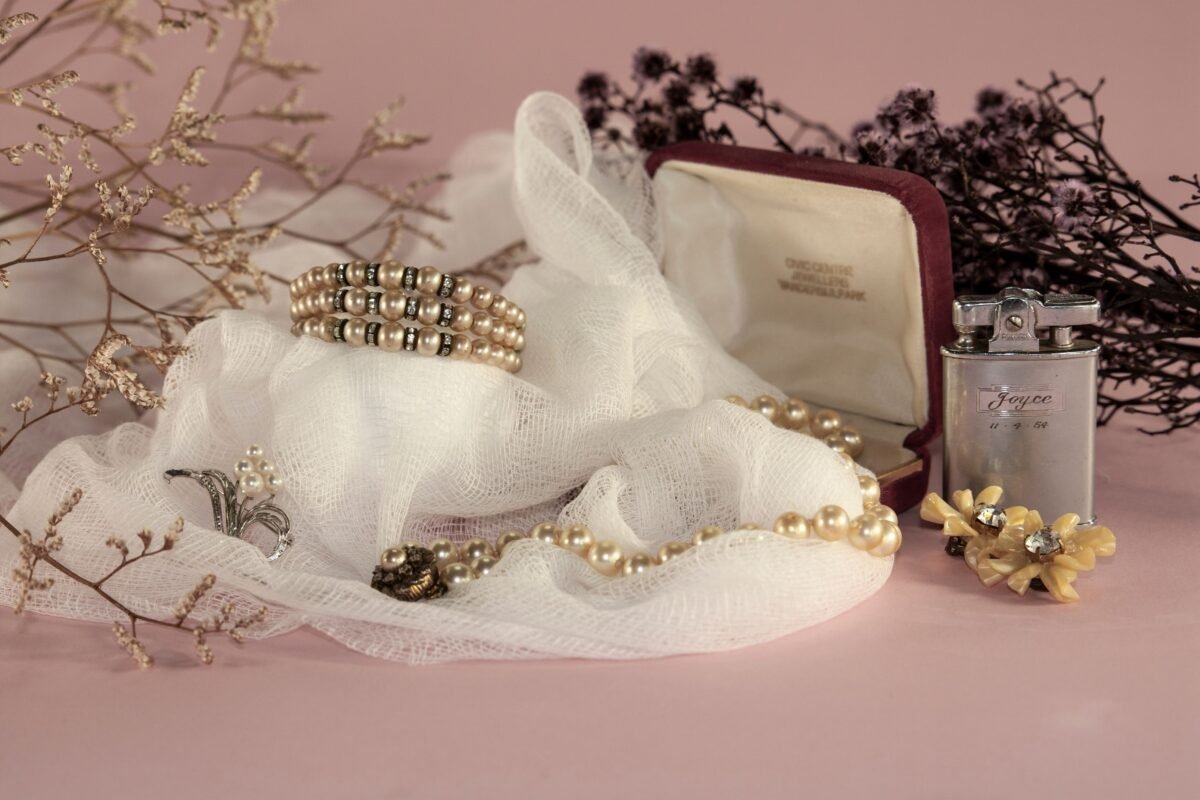
Long before fashion became an industry, accessories were tools. Gloves kept hands warm, hats protected skin from sun and weather, and belts held garments and tools in place. Over time, many of these useful objects became carriers of meaning. Who could afford fine materials, who wore which colour and who covered their head in which way all began to say something about rank, belief and belonging.
In the Renaissance and in later European courts, gloves, fans, jewels and decorated belts were closely linked to wealth and status. In Victorian fashion, items such as fans, parasols and gloves carried messages about gender, class and race, and about the leisurely life many women were expected to aspire to. In the early nineteenth century, shawls and small drawstring handbags called reticules became important elements of women’s dress. The arrival of the wristwatch later gave jewellery makers a new product, and accessories made for it, such as slide bracelets, followed.
The twentieth century changed the picture again. Designers such as Coco Chanel helped make costume jewellery and strings of pearls fashionable for everyday wear, and affordable accessories let more people take part in style. By the late 1980s, fashion houses were building entire identities around bags and small goods. fashion accessories Prada’s backpack in 1987 and Tom Ford’s reinvention of Gucci are often named as turning points, after which collections and advertising campaigns could hardly be imagined without accessories.
Today the story continues in two directions. On one side are luxury and designer pieces treated as investments. On the other are fast, affordable and secondhand accessories that let people experiment with trends cheaply. Both exist because accessories are the cheapest and fastest way to change what an outfit says.
Types of Fashion Accessories
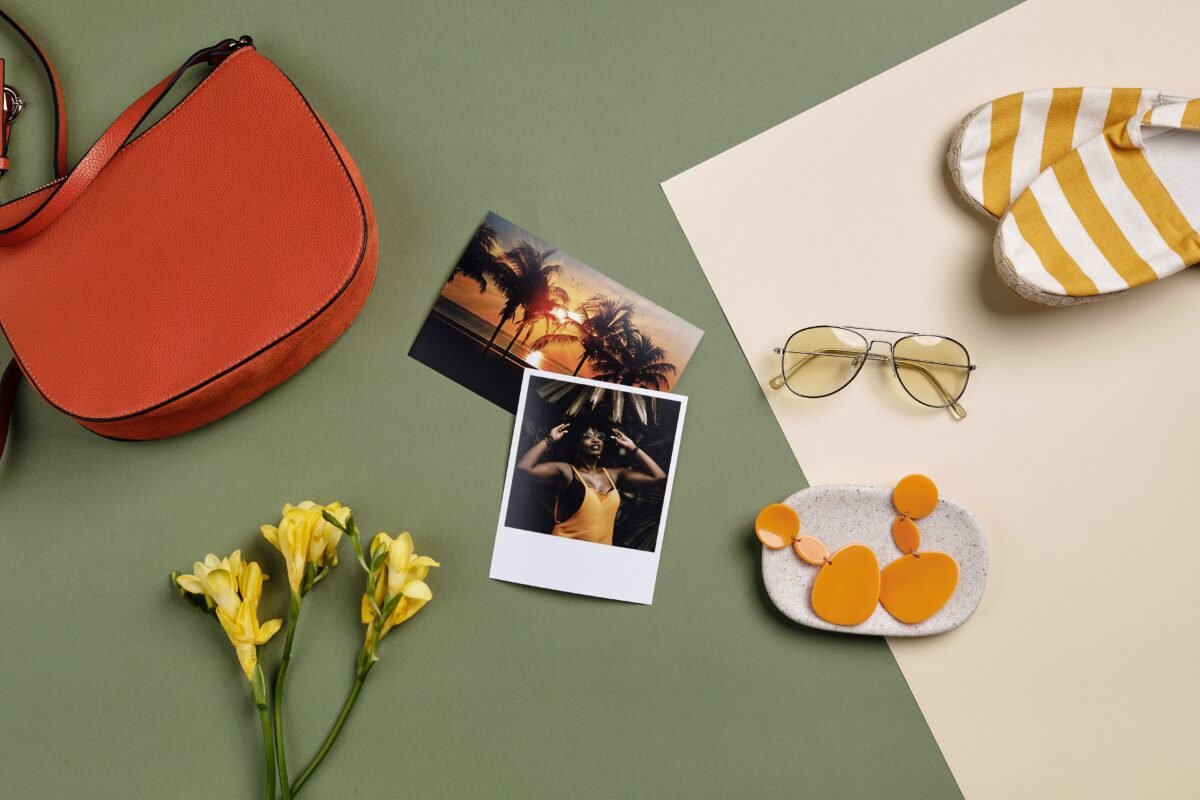
There are several useful ways to sort fashion accessories. Knowing them makes it easier to build a balanced collection and to plan outfits.
Worn and carried accessories
Worn accessories sit on the body: jewellery, hats, scarves, belts, gloves, sunglasses, watches, hair ornaments and ties. Carried accessories are held or slung: handbags, clutches, backpacks, wallets, umbrellas and, historically, fans and walking canes.
Soft and hard accessories
Soft accessories are made from fabric or flexible materials, such as scarves, shawls, ties, hats and gloves. They move with the body and can be worn in several ways. Hard accessories are structured or rigid, such as jewellery, belts with metal hardware, framed bags, sunglasses and watches. They keep their shape whichever way you wear them. The most interesting outfits often mix one of each.
The main categories in detail
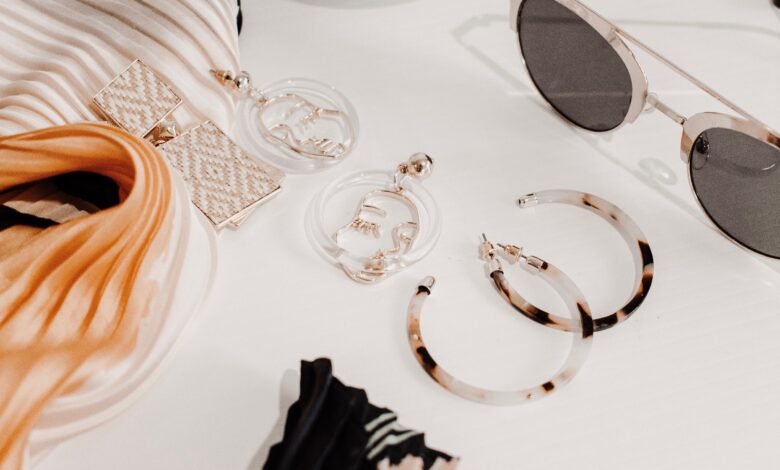
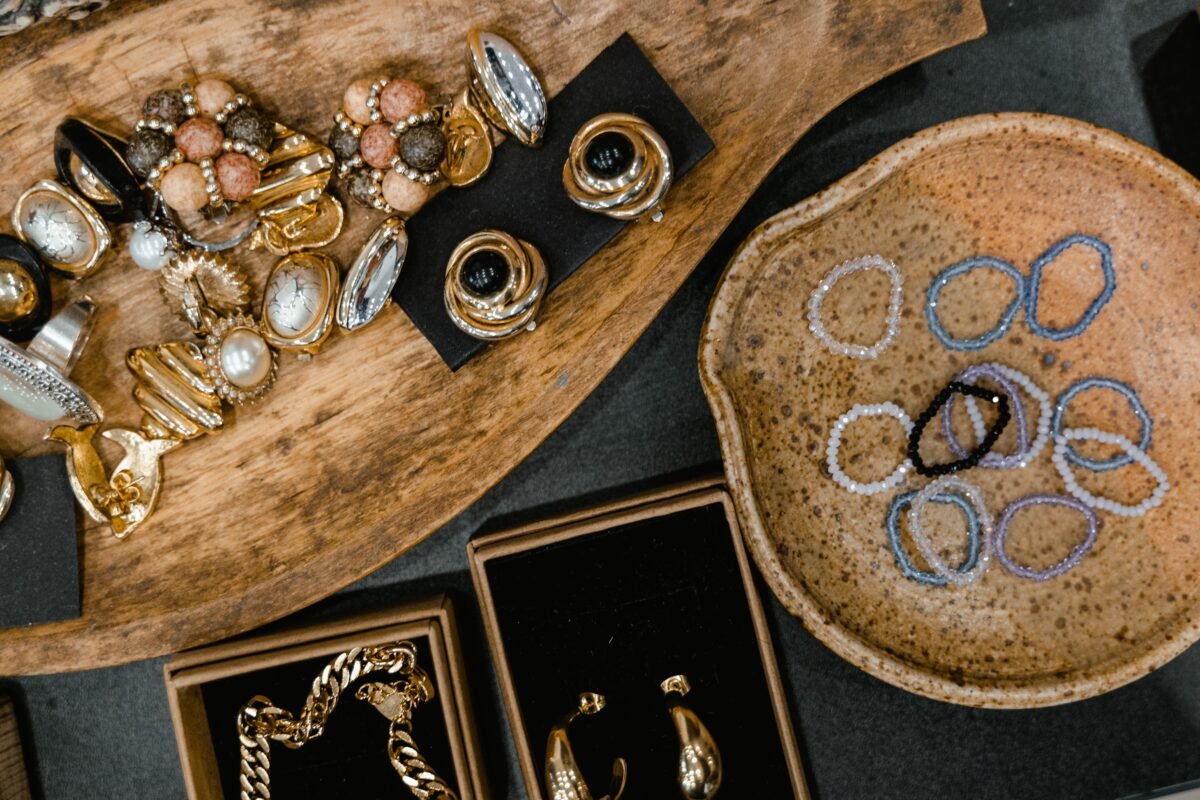
Jewellery. Necklaces, earrings, rings, bracelets, bangles, brooches, cufflinks and anklets. Jewellery is the most varied category, ranging from fine gold and gemstones to costume jewellery made from glass, resin or plated metal. For daily wear, simple pieces that do not snag or irritate are best.
Eyewear. Sunglasses protect against glare and ultraviolet light, and the shape of the frame changes the character of your face and outfit. Prescription glasses are both a medical aid and a fashion item, so frame choice deserves the same thought as any other accessory.
Watches. A watch is one of the few accessories equally loved by men, women and unisex dressers. A slim leather-strap watch suits formal wear, a steel bracelet watch works for both work and weekends, and a sports watch fits active days.
Bags. Totes, crossbody bags, backpacks, clutches and satchels combine the most function with the most visible style. A bag should carry what you need without pulling your posture or your outfit out of shape.
Belts. A belt defines the waist, holds trousers in place and can turn a loose dress or coat into a shaped silhouette. Leather, woven fabric and chain belts each give a different mood.
Hats and headwear. Caps, brimmed hats, berets, beanies, turbans and headscarves protect against sun, cold and rain, and often carry cultural or religious meaning as well.
Scarves, shawls and ties. These are the classic soft accessories. A scarf adds colour near the face, a shawl adds warmth and drama, and a tie or bow tie gives structure to formal shirts.
Hair accessories. Clips, headbands, scrunchies, pins and ornamental combs. They are small, affordable and fast ways to update a look.
Gloves, footwear details and small extras. Gloves, socks, anklets, key chains, pins and pocket squares are easy to overlook, yet they often finish an outfit.
Quick comparison table
| Accessory | Type | Common materials | Best for |
|---|---|---|---|
| Jewellery | Worn, hard | Gold, silver, steel, glass, resin | Daily wear, weddings, gifts |
| Eyewear | Worn, hard | Acetate, metal, polarised lenses | Sun, driving, travel, everyday |
| Watches | Worn, hard | Steel, leather, silicone | Work, formal, sport |
| Bags | Carried, hard or soft | Leather, canvas, nylon, straw | Office, travel, casual |
| Belts | Worn, hard or soft | Leather, woven fabric, chain | Formal, casual, layering |
| Hats and headwear | Worn, soft | Wool, cotton, straw, felt | Sun, cold, cultural dress |
| Scarves, shawls, ties | Worn, soft | Silk, wool, cotton, cashmere | All seasons, formal wear |
| Hair accessories | Worn, hard or soft | Metal, fabric, acetate | Parties, daily styling |
| Gloves and small extras | Worn or carried | Leather, wool, fabric | Cold weather, formal finishing |
Fashion Accessories Around the World
Fashion accessories are not the same everywhere, and that is exactly what makes them interesting. The same item can be a daily necessity in one country and a ceremonial piece in another. Here is a short tour. These are broad examples, since every country has many local traditions.
South Asia. The dupatta, a long scarf draped over the shoulders or head, is a signature accessory in Pakistan, India and Bangladesh, and it changes with fabric from cotton for everyday to embroidered silk for weddings. Bangles, jhumka earrings, nose pins, maang tikka head ornaments and embroidered footwear such as khussas are widely worn, especially for celebrations.
The Middle East and North Africa. Headwear such as the keffiyeh or shemagh has long been used for protection from sun and dust, and today is also a fashion statement. Gold jewellery plays an important role in celebrations and family traditions in many communities, and ornate belts, brooches and decorated slippers are common in traditional dress.
East Asia. In Japan, the obi sash defines the kimono, and kanzashi hair ornaments are worn with traditional dress. In China, jade bracelets and pendants are valued for their beauty and symbolic meaning. Modern East Asian street style is also known for playful bags, hair clips and layered jewellery.
Europe. Europe is closely associated with the silk scarf, the beret, the pocket square and heritage leather goods. Many fashion houses in Paris, Milan and London build their global reputations on bags, belts and small leather items.
Africa. Beadwork is a living tradition, such as the layered collars and bracelets of the Maasai in Kenya and Tanzania, where colours and patterns carry meaning. Headwraps, such as the gele in Nigeria, and woven cloth stoles from West Africa are worn at weddings, graduations and festivals.
The Americas. Native American silver and turquoise jewellery, especially from the Navajo, is admired worldwide. The Panama hat is in fact traditionally woven in Ecuador, and the rebozo shawl is an important accessory in Mexican dress.
The lesson for modern dressers is simple: borrowing across cultures is easiest and most respectful when you learn what a piece means, buy it from the people who make it where possible, and wear it with that meaning in mind.
Fashion Accessories for Men, Women and Unisex Styles
Many older style guides divide accessories strictly by gender. Modern fashion is much more flexible, so it is more useful to think in three groups.
For men. Classic choices include a watch, a leather belt, a tie or bow tie, cufflinks, a pocket square, a wallet, sunglasses and a good bag. A man who owns a watch, a belt and a pair of sunglasses already has a solid foundation. Bracelets, rings and chain necklaces are increasingly common as well.
For women. Jewellery, handbags, scarves, belts, hair accessories and sunglasses give the widest range. Statement earrings and layered necklaces can transform simple outfits, while a good everyday bag does the heavy lifting.
Unisex and gender-neutral. Watches, sunglasses, caps, tote bags, scarves, silver rings, chain necklaces and canvas belts work for everyone. If you are building a minimal collection, these are the most flexible pieces to start with.
Accessories for Every Season
A common mistake is to treat accessories as year-round fixtures. Seasons change what is comfortable, what is practical and what looks right, and the best collections shift with the weather. The advice below follows the northern hemisphere calendar, so readers in the south can swap the months.
Spring. Light scarves in cotton or silk, pastel or floral hair accessories, delicate jewellery and straw or canvas bags suit the mild weather. A lightweight scarf is useful when mornings are cool and afternoons warm.
Summer. Sunglasses with good ultraviolet protection, wide-brimmed hats, breathable woven bags, simple watches and minimal jewellery are the priority. In hot weather, heavy metal pieces can feel uncomfortable, so choose lighter materials and avoid layers of chains.
Autumn. Layering season is ideal for belts, medium-weight scarves, leather bags, brooches and hats. Warm, earthy colours such as rust, olive and burgundy pair well with gold-toned jewellery.
Winter. Gloves, wool or cashmere scarves, beanies, thick belts and structured bags matter most. Practical items such as gloves and hats should be chosen for warmth first and style second, since being cold ruins any look.
Monsoon and tropical climates. In humid and rainy regions such as South Asia and Southeast Asia, consider water-resistant bags, quick-drying fabrics and jewellery that does not tarnish easily. Leather and suede can be damaged by repeated soaking, so keep them for dry days.
Choosing Accessories by Occasion
Choosing by occasion keeps you from over or under-dressing.
- Office and business: a classic watch, a leather belt that matches your shoes, small earrings or a simple necklace, and a structured bag. Keep it understated.
- Weddings and formal events: more elaborate jewellery, an embroidered clutch, a silk scarf or shawl, and cufflinks or a bow tie. Check the dress code and the cultural customs of the event.
- Casual and weekend: sunglasses, a cap, a canvas tote, stackable bracelets and relaxed watches.
- Travel: a crossbody bag with zips, comfortable sunglasses, a large scarf that doubles as a blanket, and jewellery you will not mind losing.
- Religious and cultural settings: follow the local dress guidance. In some places, head coverings, covered shoulders or removal of certain items may be expected.
How to Choose Fashion Accessories
Choosing fashion accessories well saves money and avoids clutter. Use the steps below as a checklist.
- Start with your outfit and your life. Look at the colours, necklines and textures you already wear. Choose accessories that suit your routine, not just a photo.
- Pick one hero piece. A statement necklace, a bold bag or a coloured scarf works best when the other accessories are quiet. If everything shouts, nothing is heard.
- Mind proportion. Small frames suit small faces and delicate pieces, while larger frames and chunkier jewellery can carry bigger, bolder outfits. Balance matters more than rules.
- Match metals and tones, or mix them on purpose. Gold, silver and rose-toned metals can be combined, but do it deliberately, for example by repeating each metal at least twice.
- Check materials and your skin. Some people react to nickel or low-quality plating. Look for hypoallergenic metals such as stainless steel, titanium or solid gold and silver if your skin is sensitive.
- Think cost per wear. A pricier bag or watch you use daily for years can cost less per use than several cheap pieces that break quickly.
- Test for comfort. If a bag strap digs in, a ring pinches or a hat slips, you will stop wearing it. Comfort is part of style.
How to Care for Your Accessories
Good care extends the life of your fashion accessories.
- Jewellery: store pieces separately in soft pouches to prevent scratches and tangling. Remove jewellery before swimming, showering and exercise, and wipe it with a soft cloth after wearing.
- Leather bags and belts: keep them away from direct heat and damp, stuff bags with paper to keep their shape, and clean with products made for leather.
- Silk scarves: follow the care label, often cool hand washing or dry cleaning, and fold them or roll them to avoid sharp creases.
- Sunglasses: clean lenses with a microfibre cloth rather than clothing, and store them in a case.
- Watches: check water resistance ratings before wet use, and have them serviced as the maker recommends.
- Hats: store them on a shelf or in a box, not squashed under other items.
Sustainable and Ethical Accessories
Fashion accessories are small, but they add up. Plastic jewellery, low-quality plated metals and disposable items often end up in landfill within a season or two. A few habits reduce the impact:
- Buy fewer, better pieces that you will really use.
- Repair rather than replace. Jewellers, cobblers and watch repairers can often restore pieces cheaply.
- Look at secondhand and vintage markets for quality at lower cost.
- Support artisans who are fairly paid, especially when buying traditional crafts.
- Read labels on materials and ask brands about sourcing when you can.
- Gift, swap or resell accessories you no longer use.
Common Mistakes to Avoid
- Overloading. Piling on too many statement pieces competes for attention. A useful guideline is to choose one or two focal points.
- Matching everything. A bag, belt, shoes and jewellery in identical shades can look stiff. Coordination is better than exact matching.
- Ignoring the weather and setting. Heavy scarves in heat or delicate suede in rain cause discomfort and damage.
- Buying trends that do not suit you. If a trend does not fit your life, skip it.
- Neglecting fit and quality. Poorly fitting belts, scratchy fabrics and cheap clasps ruin an otherwise good look.
Frequently Asked Questions About Fashion Accessories
What are fashion accessories in simple words?
Fashion accessories are items you wear or carry with your clothes to complete or improve your look, such as jewellery, bags, belts, hats, scarves, watches and sunglasses.
What are the main types of accessories?
The main types are jewellery, bags, eyewear, watches, belts, hats, scarves and ties, hair accessories and small extras like gloves and pocket squares. They can also be grouped as worn or carried and as soft or hard.
What is the difference between soft and hard accessories?
Soft accessories are fabric-based and flexible, such as scarves, ties and gloves. Hard accessories are rigid or structured, such as jewellery, framed bags, watches and sunglasses.
Are shoes fashion accessories?
Shoes are usually classed as clothing or footwear, but many stylists and retailers treat them as accessories when they complete an outfit. It depends on how the item is being used and who is describing it.
What does apparel accessories mean?
Apparel accessories is a more formal, industry term for non-garment items sold alongside clothing. It covers the same ground as fashion accessories, with a stronger focus on retail categories.
Which accessories should everyone own?
A reliable starter set is a watch, a belt, sunglasses, a practical bag, a scarf and one or two simple pieces of jewellery. They work across seasons, genders and occasions.
How many accessories should I wear at once?
There is no fixed number, but a good rule is one statement piece and two or three quieter ones. Adjust according to the occasion and your own comfort.
Final Thoughts
Fashion accessories are the smallest part of your outfit and often the most personal. They carry practical help, cultural memory and individual taste at the same time. If you remember only a few ideas from this guide, let them be these: choose with intention, let one piece lead, match the weather and the occasion, respect where a piece comes from, and look after what you buy. Accessories that are chosen rather than just added will keep earning their place in your wardrobe for years.