The right pair of sandals can carry you through a 12-hour workday, a wedding dinner, a beach holiday, or a hot afternoon of errands. The wrong pair gives you blisters, sore arches and a bad mood by lunchtime.
The trouble is that sandals for women come in dozens of styles, and most guides only show you pretty pictures. They rarely tell you which style suits wide feet, which one is safe to walk in all day, sandals for women or what to check before you buy online.
This guide does both jobs. You will learn the 20 main types of sandals for women, what each is best for, how comfortable and supportive it really is, and what to wear it with. sandals for women Then we go further: foot shape, heel height, materials, sizing, care and common mistakes, with a few tips for hot, humid climates like Pakistan’s.
Which Sandals Should You Choose?
| If you need… | Choose | Why |
|---|---|---|
| All-day walking | Sport sandals, contoured footbed sandals, secure ankle-strap flats | Grip, cushioning and a strap that holds your heel |
| Office or work | Block-heel sandals, closed-back slingbacks, tidy flat sandals | Polished look with stable support |
| Weddings and formal events | Strappy heels, block heels, embellished flats | Dressy finish, with block heels for stability |
| Beach or pool | Slides, flip-flops, rubber sandals | Water-friendly and quick to dry |
| Travel and sightseeing | Sport sandals, fisherman sandals, cushioned flats | Pack light, walk far |
| Wide feet | Adjustable straps, slides with a wide footbed, soft leather | No pinching at the sides |
| Narrow feet | Ankle-strap and T-bar styles, buckle fastening | Strap holds the foot in place |
| High arches or heel pain | Contoured footbed, orthopaedic and cushioned wedges | Supports the arch and spreads pressure |
Keep this table in mind. The sections below explain the reasoning.
What Are the Different Types of Sandals for Women?

Sandals are open footwear held on by straps, a toe post, or a slip-on upper. They differ mainly in three things: sandals for women heel height (flat, low, mid, high), strap design (how the foot is secured) and sole type (thin, cushioned, platform or wedge). Understanding those three makes every style easier to judge.
Here are the 20 types, grouped by family.
Flat Sandals: Everyday Basics
1. Classic flat sandals A thin, flat sole with one or two straps across the foot. They are light, easy to pack and suit almost every casual outfit.
- Best for: errands, college, casual meetups, daily wear
- Comfort note: Thin soles offer little shock absorption. Choose a padded footbed if you walk a lot.
- Pair with: jeans, cotton kurtas, linen trousers, summer dresses
2. Slides Slip-on sandals with a wide band across the top and no back strap. Quick to wear and good for hot days.
- Best for: home, beach, pool, short trips outside
- Comfort note: Easy, but nothing holds your heel. They are not ideal for long walks or stairs.
- Pair with: shorts, joggers, loose shalwar and a simple kurta
3. Flip-flops Flat soles held by a Y-shaped strap between the first two toes. Cheap, light and waterproof when made of rubber.
- Best for: beach, pool, hostel showers, quick walks
- Comfort note: Your toes grip constantly, which can strain the foot over time. Avoid wearing them all day.
- Pair with: swimwear, shorts, casual cotton outfits
4. Thong sandals Similar to flip-flops, but made with nicer materials such as leather or embellished straps. They look more polished, which makes them popular for summer city wear.
- Best for: warm-weather casual outings, light dressy occasions
- Comfort note: Check the toe post for rough stitching, which can rub between the toes.
- Pair with: midi skirts, cropped trousers, simple dresses
5. Ankle-strap flat sandals Flat sandals with a strap that fastens around the ankle. That extra strap makes them far more secure than slides.
- Best for: walking, travel, long days on your feet
- Comfort note: One of the safest flat options if the strap sits comfortably and does not dig in.
- Pair with: dresses, jeans, straight-cut trousers
Strappy and Statement Styles
6. Gladiator sandals Sandals with multiple straps that wrap up the foot and sometimes the calf. sandals for women They look bold and are available in flat and heeled versions.
- Best for: vacations, casual parties, summer styling
- Comfort note: More straps mean more security but also more places to rub. Look for soft lining.
- Pair with: shorts, short dresses, skirts. Avoid long, heavy hems that hide the straps.
7. T-bar sandals A vertical strap runs from the toe area to the ankle strap, forming a “T”. The structure keeps the foot well positioned.
- Best for: office wear, retro looks, narrow to average feet
- Comfort note: Stable and supportive, but a poorly placed T-bar can press on the top of the foot.
- Pair with: midi dresses, tailored trousers
8. Fisherman sandals Closed-style woven or cut-out leather sandals with a mix of open and covered sections. They protect the toes better than most sandals.
- Best for: travel, light hiking, rainy-season walking, all-day comfort
- Comfort note: Often flat and sturdy with good coverage. Check that the leather is soft at the edges.
- Pair with: culottes, jeans, kurtas, relaxed summer outfits
Heeled Sandals
9. Block-heel sandals A thick, solid heel gives stability. sandals for women This is the most practical heeled sandal for women who want height without wobbling.
- Best for: office, weddings, long events, walking in moderate comfort
- Comfort note: A heel of about 4–6 cm is generally easier to manage than a thin high heel.
- Pair with: trousers, sarees, long and short dresses, formal kurtas
10. Kitten-heel sandals A slim, low heel, usually around 3–5 cm. Elegant without being tiring.
- Best for: work, semi-formal events, first-time heel wearers
- Comfort note: Easier on the calves than high heels, but a thin heel is less stable on uneven ground.
- Pair with: tailored trousers, pencil skirts, formal wear
11. Stiletto sandals Thin, high heels, often with minimal straps. Glamorous and best for short wear.
- Best for: formal evenings, weddings, photo-focused events
- Comfort note: Pressure on the ball of the foot is high. Plan to sit often and carry a flat backup.
- Pair with: evening dresses, formal sarees, fitted outfits
Wedges and Platforms
12. Wedge sandals The heel and sole are one continuous piece, sandals for women so weight is spread along the whole foot. They are usually easier to walk in than stilettos of the same height.
- Best for: summer outings, outdoor events, women who want height without sharp heels
- Comfort note: Look for a lightweight wedge. A heavy or stiff one makes walking clumsy.
- Pair with: maxi dresses, jeans, palazzo trousers
13. Platform sandals A thick sole under the entire foot, including the front, which reduces the effective heel drop. Fashionable and surprisingly comfortable if lightweight.
- Best for: events, shopping, adding height with less strain
- Comfort note: Heavy platforms tire the legs. Check the weight, and make sure the sole bends slightly at the ball of the foot.
- Pair with: wide-leg trousers, midi skirts, casual dresses
14. Flatform sandals A flat, thick sole with little or no heel drop. A comfortable way to get height.
- Best for: festivals, casual outings, long days when you want to feel taller without tilting forward
- Comfort note: Stable, but thick soles can feel stiff. Test the flexibility before buying.
- Pair with: jeans, shorts, casual dresses
15. Espadrille sandals Sandals with a rope or jute-wrapped sole, typically on a flat, wedge or platform. Light and summery.
- Best for: dry, warm weather, vacations, brunch
- Comfort note: Rope soles do not like water and can wear out quickly on rough pavement.
- Pair with: linen outfits, cotton dresses, light summer wear
Slip-On and Backless Styles
16. Mule sandals Backless sandals with a covered or semi-covered front. They slip on easily and suit both flat and heeled versions.
- Best for: work, casual wear, quick dressing
- Comfort note: Your toes may grip to keep them on. Choose a snug fit at the front to avoid slipping.
- Pair with: trousers, midi skirts, kurtas with straight pants
17. Slingback sandals Open or semi-open front with a strap behind the heel. The back strap keeps the shoe on more securely than a mule.
- Best for: office, formal daytime events, walking in mild heels
- Comfort note: Check that the heel strap does not rub the Achilles area. An adjustable one is best.
- Pair with: tailored outfits, dresses, formal separates
Performance and Support Sandals
18. Sport sandals Built with adjustable straps, a grippy outsole and a cushioned footbed. Made for movement and wet conditions.
- Best for: travel, long walks, theme parks, light trails, rainy days
- Comfort note: Among the most practical for all-day use thanks to grip and adjustability.
- Pair with: shorts, casual trousers, relaxed outfits
19. Hiking sandals A tougher version of sport sandals with a thicker, more aggressive outsole, firm arch support and secure straps.
- Best for: trails, rivers, mountain trips in warm weather
- Comfort note: Heavier than everyday sandals, but excellent traction and stability.
- Pair with: trekking trousers, quick-dry shorts, outdoor gear
20. Orthopaedic and contoured-footbed sandals Sandals with a shaped footbed that supports the arch and cups the heel. sandals for women Often recommended for people who stand a lot or have foot discomfort.
- Best for: long working hours, standing jobs, mild arch or heel discomfort, everyday comfort
- Comfort note: Support varies, and they may feel firm at first. If you have a medical foot condition, talk to a podiatrist or doctor before choosing.
- Pair with: almost anything casual. Newer designs also look good with smart casual outfits.
Comparison Table: Sandal Types at a Glance
| Type | Best for | Heel / sole | Comfort level | Good with |
|---|---|---|---|---|
| Classic flat | Daily wear | Flat, thin | Medium | Jeans, kurtas |
| Slide | Home, beach | Flat | Medium | Casual wear |
| Flip-flop | Pool, beach | Flat | Low–medium | Swimwear, shorts |
| Ankle-strap flat | Walking | Flat | High | Dresses, trousers |
| Gladiator | Vacations | Flat or heeled | Medium | Shorts, skirts |
| T-bar | Office | Flat to mid | Medium–high | Dresses, trousers |
| Fisherman | Travel, rainy days | Flat | High | Casual outfits |
| Block heel | Work, weddings | 4–6 cm | Medium–high | Dresses, formal kurtas |
| Kitten heel | Semi-formal | 3–5 cm | Medium | Tailored wear |
| Stiletto | Evenings | 8 cm+ | Low | Formal outfits |
| Wedge | Outdoor events | Mid to high | Medium–high | Maxi dresses, jeans |
| Platform | Events, shopping | Thick sole | Medium | Wide-leg trousers |
| Flatform | Casual outings | Thick, flat | Medium–high | Jeans, dresses |
| Espadrille | Dry summers | Flat to wedge | Medium | Linen, cotton |
| Mule | Work, casual | Flat to mid | Medium | Trousers, skirts |
| Slingback | Office, formal | Low to mid | Medium–high | Tailored wear |
| Sport | Long walks | Flat, cushioned | Very high | Shorts, casual |
| Hiking | Trails | Flat, rugged | Very high | Outdoor wear |
| Orthopaedic / contoured | Standing, support | Flat, shaped | Very high | Everyday wear |
Best Sandals for Women by Occasion
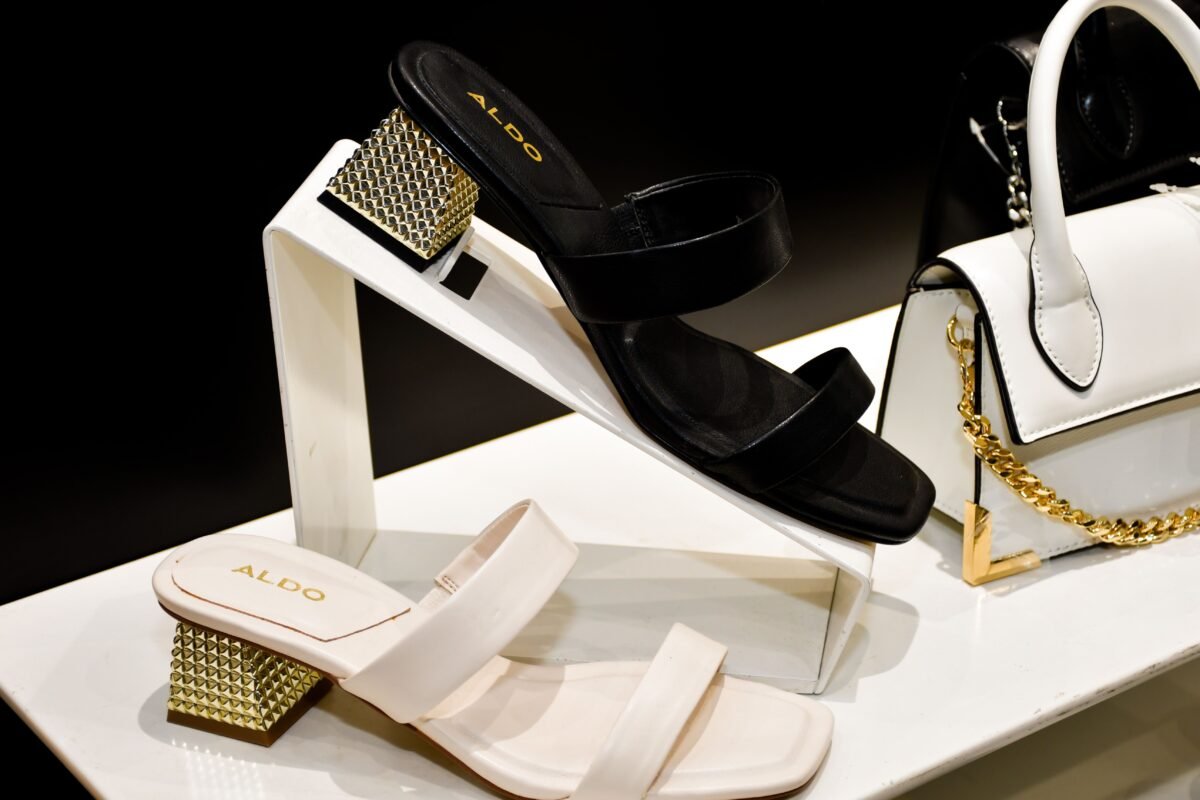
Instead of buying one “perfect” pair, think in terms of use.
Everyday wear. Pick ankle-strap flats, fisherman sandals or contoured-footbed sandals. They stay on, absorb shock and match most outfits.
Work and office. Go for block heels, kitten heels, slingbacks or neat flat sandals in leather. Neutral colours such as black, tan, nude and navy go further. Check your workplace dress code regarding open toes.
Weddings and formal events. Block-heel sandals and embellished flats are the sweet spot between elegant and walkable. sandals for women If you love stilettos, save them for the photos and keep a pair of cushioned flats in your bag.
Travel and sightseeing. Sport sandals or fisherman sandals are the safest. You will walk far, climb steps and deal with weather changes. Break in the shoes before the trip.
Beach and pool. Choose slides, flip-flops or rubber sandals. Leather and suede do poorly with salt water and sand.
Walking long distances. Look for a cushioned footbed, a secure heel strap and an outsole with grip. sandals for women Sport, hiking and ankle-strap sandals are the right category.
Rainy season. Rubber or synthetic soles, textured outsoles and quick-drying straps are best. Smooth leather soles slip on wet tiles.
How to Choose Sandals for Your Foot Shape
Foot shape is the part most buying guides skip, yet it decides whether a pair is comfortable or not.
Wide feet. Look for adjustable buckles or Velcro, sandals for women soft and flexible straps and a broad footbed. Avoid narrow single bands across the forefoot. Slides with a wide upper and cushioned sandals with stretch straps are usually kinder.
Narrow feet. The problem is slipping. Choose ankle straps, T-bars, buckles you can tighten and styles with a defined heel cup. Avoid loose slides.
High arches. You need a footbed that supports the arch rather than leaving it hanging. Contoured and orthopaedic-style footbeds work well. Flat, thin soles can cause aching after short walks.
Flat feet or low arches. Look for firm midsole support and a stable heel. Very soft, flimsy sandals can feel good at first but tire the foot.
High instep. The top of your foot is raised, so tight straps feel painful. Choose adjustable straps, stretch materials, or open designs that do not clamp down.
Bunions or sensitive toes. Avoid hard straps that sit over the sore area. Choose soft leather, a wider toe box and stretchy or adjustable uppers.
Wider toes or toes that overhang the sole. Your toes should sit fully on the footbed. If they hang over the edge, the size or shape is wrong.
If you feel persistent pain, numbness or have a medical foot condition, see a doctor or podiatrist rather than relying on a shoe fix alone.
How to Choose the Right Heel Height and Sole Support

Heel height guide (approximate):
| Height | Category | Who it suits |
|---|---|---|
| 0–2 cm | Flat | Daily wear, walking |
| 3–5 cm | Low | Office, long events |
| 5–7 cm | Mid | Weddings, work, moderate walking |
| 8 cm and above | High | Short events, formal wear |
Check the sole, not only the heel. A good sandal sole should:
- Bend at the ball of the foot, not in the middle of the arch. Test it by gently flexing the shoe.
- Have grip. A smooth plastic sole on wet tiles is an accident waiting to happen.
- Absorb shock. A thin hard sole feels tiring on pavement.
- Be stable. Hold the sandal at the heel and toe and twist it. Very flimsy ones twist like a towel.
Are wedges easier to walk in than stilettos? Usually yes. A wedge spreads your weight over a larger area, sandals for women so it feels steadier than a thin heel of the same height. A heavy wedge can still be tiring, so weight matters.
Best Materials for Women’s Sandals
| Material | Pros | Cons | Best for |
|---|---|---|---|
| Leather | Durable, moulds to your foot, looks premium | Can be pricey, needs care in water | Everyday and work sandals |
| Suede | Soft and stylish | Stains easily, dislikes water | Dry-weather dressy wear |
| Rubber / EVA | Waterproof, light, easy to clean | Can feel sweaty, less breathable | Beach, rainy days, slides |
| Fabric / canvas | Breathable, light, many colours | Absorbs dirt, wears faster | Casual summer wear |
| Raffia / jute | Natural look, lightweight | Weak with moisture | Dry vacations, brunch |
| Cork | Lightweight, cushioned, moulds slightly | Can crack if left wet | Footbeds and comfort sandals |
| Synthetic / PU | Affordable, wide choice | Less breathable, can crack with age | Budget and occasional wear |
Quick rule: for a pair you want to last, choose leather or a good-quality rubber. For a trend piece you will wear a handful of times, synthetic is perfectly fine.
How Should Sandals Fit? A Simple Size and Fit Checklist
Use this when you try on sandals in a shop or when you receive an online order.
- Shop in the afternoon. Feet swell during the day, especially in hot weather.
- Measure both feet. One is usually slightly bigger. Fit the larger one.
- Leave a little toe room. Your toes should not hang over the front, and you should have a small gap (about a thumb’s width is too much; a few millimetres is right) before the end of the sole.
- Check the heel. Your heel should sit inside the footbed, not spill over the back.
- Test straps. They should hold your foot without cutting in. You should be able to slide a finger under them.
- Walk, don’t just stand. Take at least 10–15 steps. Notice any rubbing, slipping or pressure.
- Check the footbed edges. Rough stitching or hard edges cause blisters.
- Try the stairs. If the sandal slips or your heel lifts a lot, it is not secure enough.
- Check sole grip. Look at the underside. A smooth sole is risky on wet floors.
Tips for buying sandals online (especially in Pakistan):
- Always check the brand’s size chart in centimetres and measure your foot against it instead of trusting your usual shoe number.
- Read whether the brand runs small or large in the reviews.
- Confirm the return or exchange policy before ordering, particularly for cash-on-delivery orders.
- Look for photos of the real sole and straps, not only styled images.
- Choose adjustable straps if you are between sizes.
- Note the material. Leather and PU behave very differently in heat.
Sandals for Hot, Humid and Rainy Weather
In warm climates like much of Pakistan, sandals are a year-round essential, but heat and humidity change what works best.
- Breathable uppers such as soft leather or open straps reduce sweat.
- Avoid plastic-heavy designs for long hours, since they trap heat and moisture.
- Choose non-slip soles for monsoon season. Wet marble and tiles are slippery.
- Carry a spare pair if you are going to a wedding. Heels worn for hours in summer heat can leave your feet swollen.
- Pair thoughtfully with traditional wear. Block-heel sandals, embellished flats and neat mules work well with shalwar kameez, kurtas and sarees. Make sure the hem does not catch the strap of a gladiator or ankle-strap sandal.
How to Care for Different Types of Sandals
A little care makes a pair last seasons longer.
Leather sandals. Wipe with a soft, slightly damp cloth, let them dry naturally and apply leather conditioner now and then. Keep them away from direct sun and heaters.
Suede sandals. Use a suede brush to lift dirt, and a suede protector spray before the first wear. sandals for women Avoid water. If they get wet, blot gently and dry at room temperature.
Rubber and EVA. Wash with mild soap and water, scrub gently, and air-dry in the shade. Direct sun for long periods can warp them.
Fabric and canvas. Spot-clean with mild detergent and a soft brush. Let them dry fully to avoid odour and mildew.
Raffia, jute and espadrilles. Keep dry. Brush off dust, and do not soak them.
Cork footbeds. Wipe lightly and avoid soaking. Store away from heat.
General tips:
- Rotate between pairs so each one dries fully.
- Store them in a cool, dry place, not in a hot car or damp cupboard.
- Replace a sandal when the sole has lost its grip or the footbed is permanently compressed.
Common Mistakes When Buying Sandals
- Buying for looks only. A beautiful sandal that blisters you will end up unused.
- Ignoring foot shape. Wide, narrow and high-instep feet all need different features.
- Choosing slides for long walks. Without a heel strap, your foot works hard just to keep the shoe on.
- Skipping the walk test. Standing still tells you very little.
- Wearing new heels all day at an event. Break them in at home first.
- Choosing the wrong material for the weather. Suede in monsoon is a costly lesson.
- Assuming higher price means better comfort. Check construction, not the label.
Frequently Asked Questions About Sandals for Women
What are the most comfortable sandals for women?
Sport sandals, contoured-footbed sandals, cushioned ankle-strap flats and fisherman sandals are generally the most comfortable. sandals for womenThey offer arch support, shock absorption and a secure hold. Comfort is personal, so always match the style to your foot shape.
Which sandals are best for walking?
Choose sandals with a cushioned footbed, a heel or ankle strap and a grippy outsole. Sport and hiking sandals are the strongest options. Avoid thin slides and flip-flops for long distances.
How should women’s sandals fit?
Your heel should sit on the footbed, toes should not hang over the edge, and straps should hold your foot without digging in. sandals for women You should be able to walk several steps without slipping or rubbing.
Are wedges easier to walk in than heels?
Often, yes. A wedge supports the whole foot, so it feels more stable than a thin stiletto of the same height. Lightweight wedges are easiest to manage.
What type of sandals are best for wide feet?
Look for adjustable straps, wide footbeds, soft leather or stretchy uppers. Slides with a roomy upper and buckle sandals tend to work better than narrow strappy designs.
Which sandals are best for weddings and formal events?
Block-heel sandals, embellished flats and kitten heels offer elegance with more stability than stilettos. Choose a pair you have already broken in.
Final Thoughts
There is no single best type among sandals for women. The best pair is the one that fits your foot shape, suits the occasion, matches your climate and feels good after the first ten minutes of walking.
Start by choosing the purpose: daily wear, office, event, travel or beach. Then check the three essentials: fit, support and grip. Finally, think about style and how the pair goes with the clothes you already own. Do that, and you will buy fewer pairs and wear them far more often.