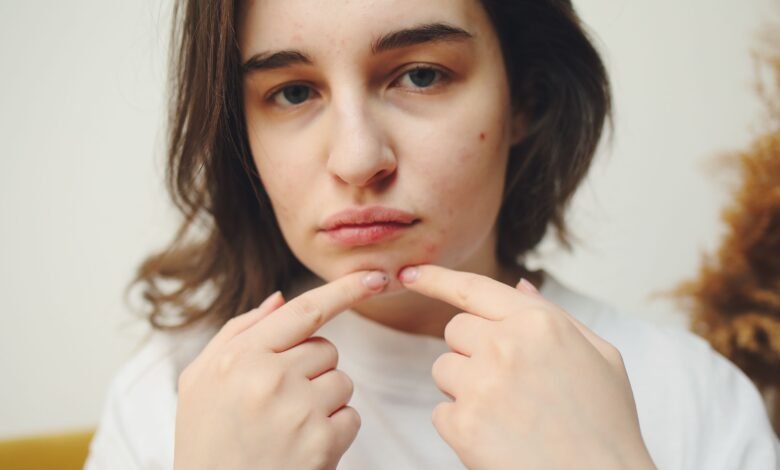
Hyaluronic acid shows up in almost every skincare aisle, and it is easy to see why people with breakouts reach for it. So does hyaluronic acid help acne, or is it just another hyped ingredient? The honest answer is more specific than a simple yes or no, and understanding it can save you money, irritation and months of frustration.
Does Hyaluronic Acid Help Acne?
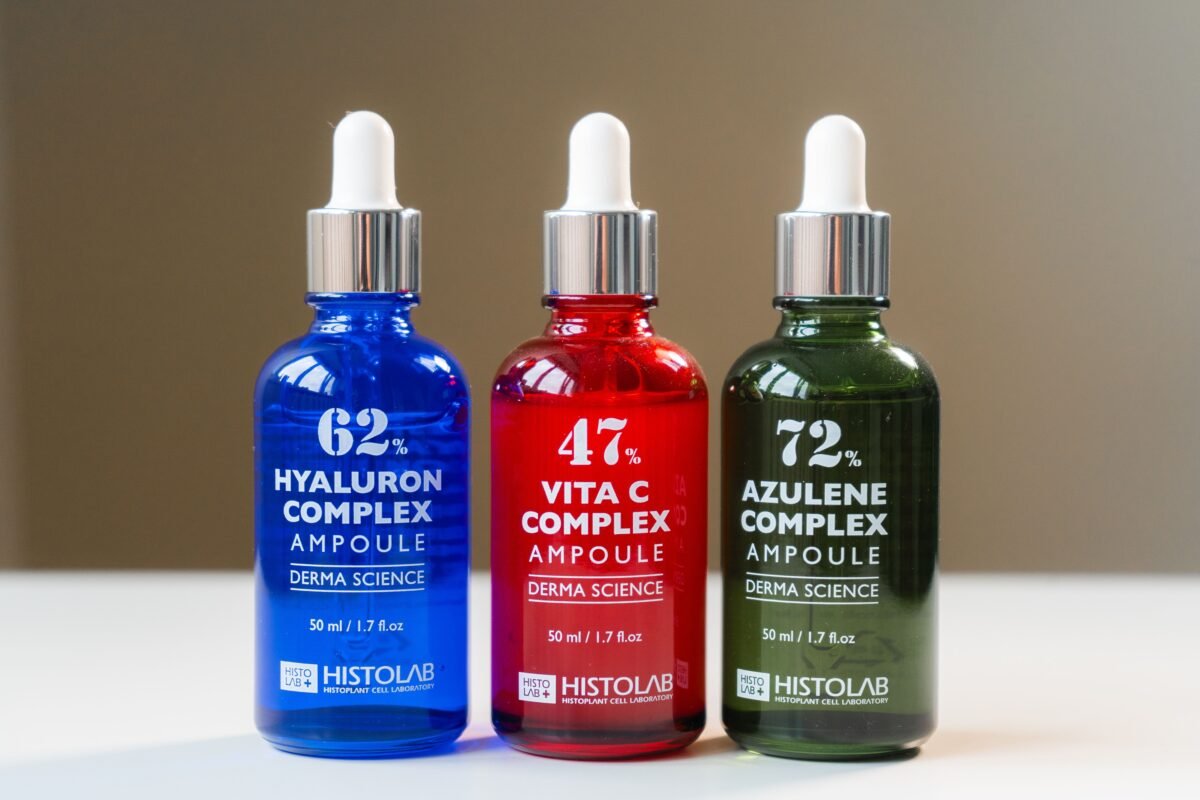
No, not directly. Hyaluronic acid (HA) is a hydrating ingredient, not an acne treatment: it does not kill acne bacteria, unclog pores or clear breakouts. It can, however, does hyaluronic acid help acne help acne-prone skin by relieving dryness and tightness, especially when acne medicines are drying, which makes a consistent routine easier to stick to.
What hyaluronic acid can and cannot do for acne
| Concern | What HA can do | What HA cannot do |
|---|---|---|
| Dry, tight skin from acne treatments | Add water to the skin’s surface and make dryness more comfortable | Replace the acne treatment itself |
| Active pimples and blackheads | Support a gentle, tolerable routine | Kill acne bacteria, unclog pores or shrink existing spots |
| Oily skin that still feels dehydrated | Hydrate without being heavy when the formula is lightweight | Permanently reduce oil production |
| Redness and irritation from retinoids or benzoyl peroxide | Help the skin feel calmer and more comfortable | Prevent all irritation |
| Deep, dented acne scars | Temporarily lift some of them when injected as a filler by a trained clinician | Rebuild scar tissue when used as a serum |
| Dark or red marks left after pimples | Keep skin hydrated while it heals | Fade pigmentation on its own |
What Is Hyaluronic Acid and How Does It Work?
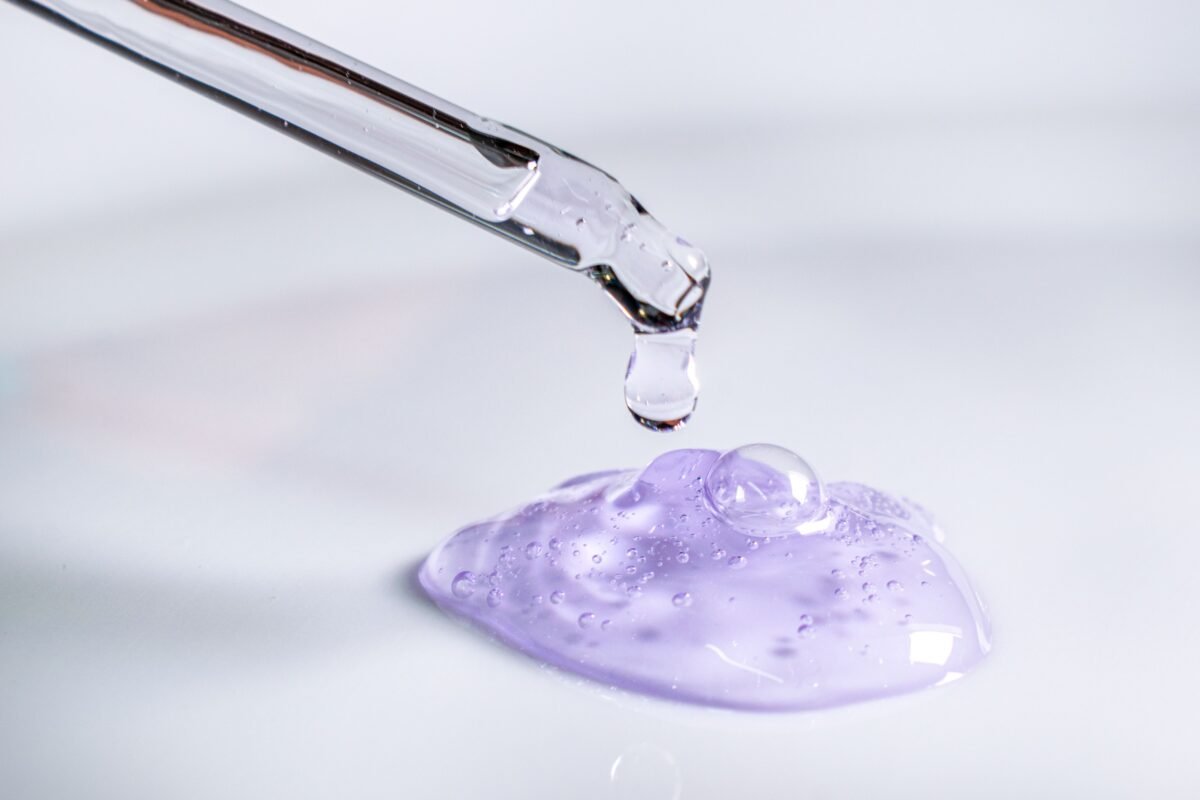
Hyaluronic acid is a molecule your body already makes. does hyaluronic acid help acne It is found in skin, joints and eyes, where it holds water. In skincare it is a humectant, meaning it attracts and binds water. Many serums and moisturisers list it as hyaluronic acid or its salt form, sodium hyaluronate.
There are two things worth knowing about how HA behaves on the skin:
- It holds water, it does not create it. HA pulls moisture from deeper in the skin or from the air around you. Some dermatologists advise sealing it with a moisturiser, particularly in very dry environments, so the water stays where you want it.
- Molecular size varies. Products may list high-molecular-weight HA, which tends to sit on the surface as a hydrating film, or low-molecular-weight and hydrolysed HA, does hyaluronic acid help acne which may penetrate a little further. Research on smaller forms is promising for general skin quality, but there is no solid evidence that one size works better for acne specifically.
A bigger bottle, a higher percentage or a fancier name does not make HA work harder. Concentration is not a quality score, and there is no universal ideal percentage.
Is Hyaluronic Acid Good for Acne-Prone Skin?
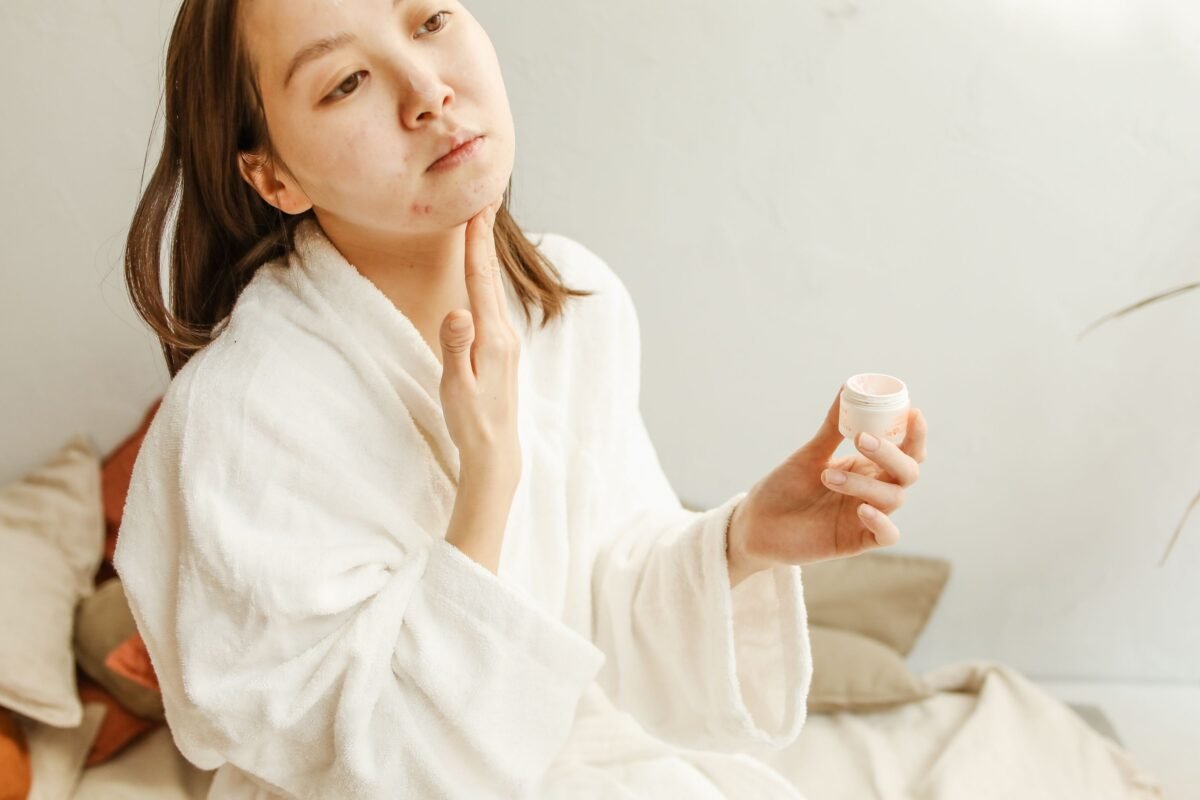
For many people, yes, as a supporting ingredient. Here is why.
1. Acne treatments can be drying. Benzoyl peroxide, salicylic acid, adapalene and prescription retinoids can leave skin tight, flaky or stinging, especially in the first weeks. Dry, does hyaluronic acid help acne irritated skin makes it hard to keep using the treatment that is actually working. A light HA serum and moisturiser can make the routine more comfortable.
2. Oily skin can still be dehydrated. Oil and water are different things. Skin can produce plenty of sebum and still lack water, which can feel tight after cleansing and look dull. HA addresses water, not oil.
3. A comfortable barrier is easier to manage. When the skin barrier is irritated, products sting and redness can look worse. Gentle hydration helps the skin tolerate the rest of your routine.
What HA does not do
It is tempting to read that HA is soothing and assume it must fight acne. It does not. Several competing articles suggest HA reduces oil production or works as an acne treatment, does hyaluronic acid help acne but the evidence for those claims in topical products is weak or indirect. Treat them as unproven.
What the Evidence Actually Says
Health claims vary in how well they are supported. This table separates what is solid from what is hopeful.
| Claim | Evidence strength | What it means for you |
|---|---|---|
| Topical HA hydrates the outer layer of skin | Well supported | A reliable reason to use it |
| HA helps dryness caused by acne treatments | Reasonable, but few acne-specific trials | Sensible as a supportive step |
| HA reduces sebum or oil production | Not established | Do not rely on it for oily skin |
| HA directly treats pimples or prevents breakouts | Not supported | Use proven acne treatments instead |
| HA serum causes acne | Unlikely by itself; the whole formula matters | Check other ingredients and patch test |
| HA filler improves some depressed acne scars | Some evidence, mostly small and low-quality studies | Discuss with a qualified clinician |
| Topical HA serum fades acne scars | Limited or unproven | Do not expect scar correction from a serum |
To give one example, a 2025 systematic review of synthetic dermal fillers for acne scars looked at 26 studies, 14 of which involved HA. HA fillers appeared to show good results with few side effects, does hyaluronic acid help acne but the authors noted that most studies were small and low quality, so firm conclusions about which filler works best are not yet possible. That research is about injections in a clinic, not serums at home.
Can Hyaluronic Acid Cause Acne or Clog Pores?
HA itself is a water-loving molecule and is not considered to clog pores. In most cases, if you break out after starting an HA product, the culprit is something else:
- Other ingredients in the formula. Heavy oils, butters, silicones, fragrance or essential oils can irritate or clog pores in people who are prone to it.
- A new routine all at once. If you start three new products in the same week, does hyaluronic acid help acneyou cannot tell which one caused the problem.
- Coincidence. Acne fluctuates naturally with hormones, stress, sleep, friction and weather.
- Irritation or allergy. Redness, itching, burning or small rashes after a new product are signs to stop, not push through.
A note on the non-comedogenic label. It is helpful, but it is not a guarantee. It does not mean breakouts are impossible for every person, and the term is not strictly regulated. The whole ingredient list matters more than the label on the front.
How to Choose a Hyaluronic Acid Product for Acne-Prone Skin
Instead of chasing the best serum, use this checklist and judge any brand by it.
- Read the full ingredient list, not just the front of the box.
- Prefer lightweight textures, such as watery serums or gel moisturisers, if your skin is oily.
- Be cautious with fragrance and essential oils, especially if your skin is sensitive or reactive.
- Watch for heavy occlusives such as coconut oil or cocoa butter if you are prone to clogged pores.
- Look for supportive extras such as glycerin, panthenol, does hyaluronic acid help acne ceramides or niacinamide, if your skin tolerates them.
- Skip stacking too many actives in one product if you are already using treatments.
- Patch test first. Apply a small amount to a discreet area, such as along the jawline or behind the ear, once a day for a few days. Stop if you see redness, itching or swelling.
- Be sceptical of brand-specific claims. Statements about perfect percentages, secret molecular sizes or exact application orders are often marketing, not medical rules.
How to Use Hyaluronic Acid for Acne
Follow the instructions on your own product first. As a general guide:
- Apply to slightly damp skin. Water gives HA something to hold on to.
- Follow with moisturiser. This helps seal in the hydration.
- Use sunscreen in the morning. Many acne treatments make skin more sun-sensitive, and sun makes dark marks last longer.
- Start once a day and increase if your skin is comfortable.
A simple morning and evening routine
| Step | Morning | Evening |
|---|---|---|
| 1 | Gentle, non-stripping cleanser | Gentle cleanser (double cleanse only if wearing sunscreen or makeup) |
| 2 | Acne treatment, if your clinician has advised it for mornings | Acne treatment as directed on the label or by your prescriber |
| 3 | HA serum on damp skin | HA serum on damp skin, if you want extra hydration |
| 4 | Oil-free or lightweight moisturiser | Moisturiser |
| 5 | Broad-spectrum SPF 30 or higher | None |
There is no single correct layering order for every product. If you are using prescription medicine, follow your prescriber’s instructions about when to apply it and what to put on top.
Can You Use Hyaluronic Acid With Acne Treatments?
In general, HA is gentle and is commonly used alongside acne treatments because it adds comfort rather than extra strength. Here is how it fits with the most common ones:
- Salicylic acid: HA can be used in the same routine to offset dryness. Space them out or use them at different times if your skin becomes irritated.
- Benzoyl peroxide: Moisturising before or after, as advised by your clinician, does hyaluronic acid help acne can reduce dryness and peeling. HA does not weaken the treatment’s effect when applied as part of a normal routine.
- Retinoids (adapalene, tretinoin and others): These are well known for dryness and peeling in the first weeks. HA and a moisturiser can make the adjustment easier. Follow your prescriber’s advice about order.
- Azelaic acid and niacinamide: Often compatible with HA and used alongside it.
If you are pregnant, breastfeeding, or using several prescription treatments, ask your doctor or pharmacist before changing your routine.
Does Hyaluronic Acid Help Acne Scars?
This is where articles often blur two completely different things. Acne marks are not all the same:
| Type of mark | What it looks like | Does topical HA fix it? | What may help (ask a dermatologist) |
|---|---|---|---|
| Atrophic scars (icepick, boxcar, rolling) | Dents or pits in the skin | No | Procedures such as microneedling, lasers, chemical peels, subcision or fillers |
| Post-inflammatory hyperpigmentation | Flat brown or dark marks | Not by itself | Daily sunscreen, azelaic acid and other treatments chosen by a clinician |
| Post-inflammatory erythema | Flat pink or red marks | Not by itself | Time, sun protection and some procedures |
| Raised scars | Firm, thick or lumpy | No | Specialist treatments |
Topical HA vs injectable HA
The HA in a serum and the HA in a filler are different products used for different purposes. A serum sits on the surface of the skin. A dermal filler is a gel injected by a trained clinician to lift certain depressed scars. The results are temporary, so repeat treatments may be needed, and risks include bruising, does hyaluronic acid help acne swelling, lumps and, rarely, serious complications. Always choose a qualified medical professional and do not attempt to buy or inject filler yourself.
What a serum can do is keep skin hydrated while it heals, which supports comfort but does not remove scars.
Does Hyaluronic Acid Cause Purging?
Purging is a temporary flare that can happen when a product speeds up skin cell turnover, such as retinoids and some exfoliating acids. Hyaluronic acid is not an exfoliant and does not normally speed up turnover, so true purging from HA is unlikely.
| What you notice | Likely cause | What to do |
|---|---|---|
| Breakouts in areas you usually break out, soon after starting a retinoid or exfoliant | Purging from the active | Stay consistent if your clinician agrees; it often settles in several weeks |
| Redness, burning, itching or rash after a new HA product | Irritation or allergy | Stop and see a clinician if it does not settle |
| New pimples in unusual areas | Reaction to another ingredient, or a coincidence | Pause new products and reintroduce one at a time |
| Small bumps after heavy products | Clogged pores from the formula | Switch to a lighter product |
Should You Use Hyaluronic Acid During an Active Breakout?
Yes, if your skin tolerates it. does hyaluronic acid help acne A breakout does not mean you should skip moisturiser. Hydration helps a stressed barrier, and a comfortable routine is easier to keep up. Avoid picking, over-scrubbing and adding new actives all at once.
What Actually Treats Acne?
If you want clearer skin, HA is one supporting piece. The ingredients and treatments with the strongest evidence include:
- Benzoyl peroxide
- Topical retinoids, such as adapalene or tretinoin
- Salicylic acid
- Azelaic acid
- Topical antibiotics, usually combined with benzoyl peroxide
- For some people, prescription options such as hormonal treatments or oral medicines, including isotretinoin, which must be supervised by a doctor
A dermatologist can tell you which options fit your acne type, skin tone and medical history.
Who Should Be Careful, and When to See a Dermatologist
HA is generally well tolerated, but it is not right for everyone. does hyaluronic acid help acne Be careful if you have very reactive skin, a history of allergies to skincare, or a skin condition such as eczema or rosacea in addition to acne.
Book an appointment with a doctor or dermatologist if:
- Your acne is painful, deep, nodular or cystic
- You are scarring or developing dark marks
- Over-the-counter treatments have not helped after around two months of consistent use
- Acne is affecting your mood or confidence
- You have sudden severe acne, or acne with other symptoms such as irregular periods or excess hair growth
- You notice swelling, hives or a widespread rash after using a product; if you have trouble breathing or swelling of the lips or face, seek urgent medical care
Common Mistakes to Avoid
- Treating HA as an acne medicine. It supports, it does not cure.
- Applying it to bone-dry skin and wondering why it feels tight. Use damp skin and moisturiser.
- Using too many new products at once. You will not know what is helping or harming.
- Falling for percentage and molecular-weight hype. More is not better.
- Skipping sunscreen. This is the fastest way to prolong dark marks.
- Ignoring the rest of the formula. The ingredient list decides whether a product suits acne-prone skin.
- Buying filler from unqualified sources. This is a medical procedure.
- Waiting too long to get help. Early treatment reduces scarring risk.
Frequently Asked Questions
Does hyaluronic acid help acne?
Not directly. It hydrates skin and can make acne treatments more tolerable, but it does not treat pimples or prevent breakouts by itself
Is hyaluronic acid good for oily and acne-prone skin?
Yes, as a lightweight hydrating step. Oily skin can still be dehydrated, and a gel or serum texture usually works best.
Can hyaluronic acid cause acne or breakouts?
HA itself is unlikely to. Other ingredients in the product, such as heavy oils or fragrance, are more likely causes, so check the full ingredient list.
Does hyaluronic acid clog pores?
HA is not considered pore-clogging, but formulas vary. Choose lightweight products and patch test.
Can hyaluronic acid cause purging?
Not normally. Purging comes from products that speed up skin renewal. If you break out after starting HA, look at the rest of the formula.
How do you use hyaluronic acid for acne?
Apply a few drops to damp skin after cleansing, follow with a moisturiser, and use sunscreen in the morning.
Key Takeaways
- Hyaluronic acid is a humectant that hydrates; it is not an acne treatment
- It can make acne medicines easier to tolerate by easing dryness
- Check the whole ingredient list: the formula, not HA, usually decides whether a product breaks you out
- HA serums do not fix scars; injectable HA is a clinic procedure with limited, mostly low-quality evidence
- Combine HA with proven acne treatments and daily sunscreen, and see a dermatologist for persistent, painful or scarring acne