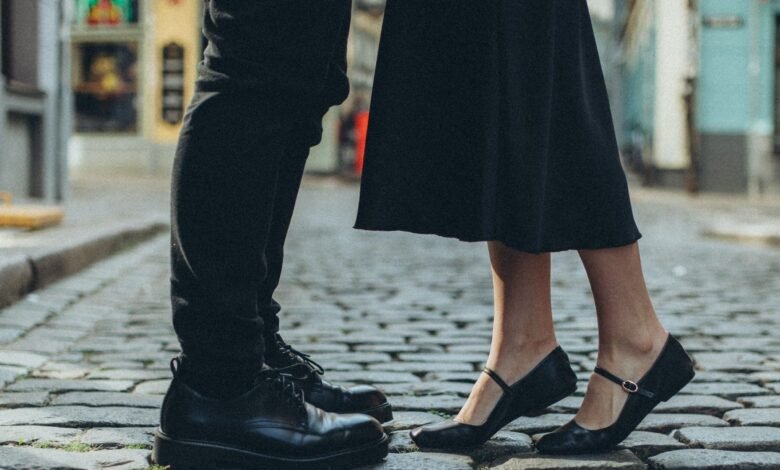
to match shoes with an outfit, work through six questions in order: What is the occasion? How formal is the outfit? What are its shape and hemline? Which color strategy am I using (neutral, tonal or contrast)? Do the textures and season agree? Will the shoes be comfortable for the day? Shoes don’t need to be the same color as your clothes. They need to agree with the outfit on formality, visual weight and mood.
Many guides stop at color. Color matters, but plenty of outfits fail because of a formality clash (elegant dress, heavy hiking boots), a proportion problem (wide trousers swallowing a delicate sandal) or a practical one (new shoes, a long walking day). This guide covers all of it, how to match shoes with outfits with outfit-by-outfit examples for jeans, trousers, skirts, dresses, suits, shorts, traditional clothing and menswear, plus weather, comfort, budget and care.
How to Match Shoes with Outfits: The 6-Step Method
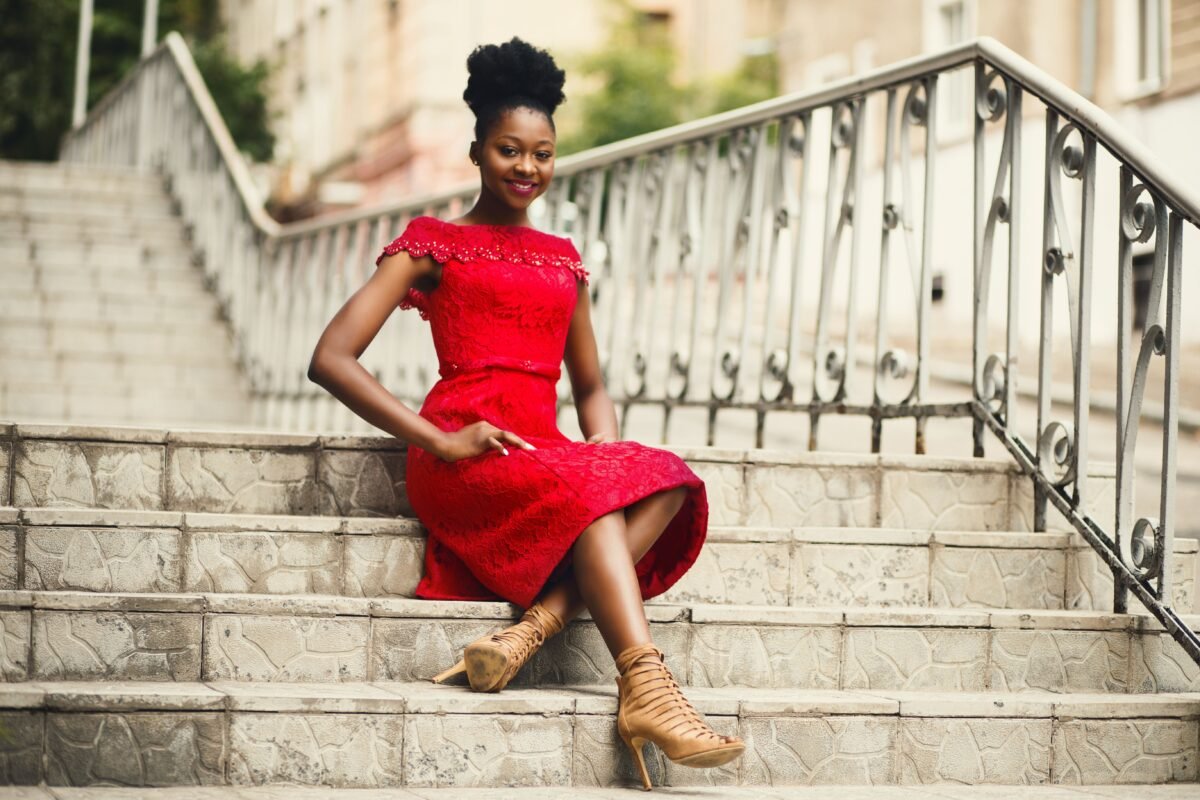
Use these six steps for any outfit. With practice they take under a minute.
1. Start with the Occasion and Dress Code
Before thinking about style, ask where you are going and what you will be doing there.
- A long day of walking, travel or standing? Comfort and grip come first.
- A workplace? Check the dress code. Expectations differ widely between countries, industries and companies, so don’t assume your office matches a stranger’s.
- A ceremony, wedding or religious venue? Customs vary. how to match shoes with outfits Some places expect you to remove shoes, cover your feet or avoid certain materials, so check ahead.
- Outdoors or in rain? Choose materials that cope with the conditions.
If the shoes fail the occasion, no color match will rescue the outfit.
2. Match the Shoe Style to the Outfit’s Formality
Think of shoes on a scale from relaxed to formal. how to match shoes with outfits Your outfit sits somewhere on that scale, and your shoes should sit near it.
| Formality level | Typical shoes | Typical outfits |
|---|---|---|
| Very casual | Flip-flops, slides, running or canvas sneakers, hiking sandals | Shorts, tees, loungewear, beach and sports clothing |
| Casual | Clean sneakers, flat sandals, casual boots, espadrilles, loafers | Jeans, chinos, casual dresses, sweaters |
| Smart casual | Loafers, leather sneakers, ankle boots, ballet flats, block-heel shoes, suede shoes | Tailored trousers, midi skirts, shirt dresses, blazers with jeans |
| Business / professional | Oxfords, derbies, monk straps, pumps (court shoes), polished loafers, closed-toe flats | Suits, tailored separates, formal workwear |
| Formal / evening | Dress shoes, heeled sandals, elegant pumps, patent leather, refined flats | Evening dresses, tuxedos, formal traditional wear |
Mixing levels on purpose can look sharp: a casual white sneaker with a tailored suit works for some people and in some settings. how to match shoes with outfitsThe key is intention. A small clash that looks deliberate beats a big one that looks accidental. If you are unsure, move one step toward the more formal side.
3. Consider Silhouette, Proportion and Hemline
This is the step most guides skip, and it is often why “matching” shoes still look wrong. how to match shoes with outfits Think of visual weight, meaning how heavy or light the shoe looks compared with the outfit.
- Wide or voluminous clothing (wide-leg trousers, maxi skirts, oversized coats) usually looks better with shoes that have enough presence, such as a chunky sneaker, a platform, a sturdy boot or a block heel. A very slim shoe can look lost beneath a lot of fabric.
- Slim or streamlined clothing (skinny jeans, pencil skirts, fitted dresses) works with almost anything. Sleek shoes keep the line clean, and chunky shoes create a deliberate contrast.
- Light, flowing fabrics pair easily with delicate sandals and flats. how to match shoes with outfits Heavy fabrics such as denim, wool and leather pair well with sturdier shoes.
Hemline guide. Where the clothes end affects which shoes show:
| Hem length | What tends to work | Things to watch |
|---|---|---|
| Cropped or ankle-length trousers | Loafers, low-profile sneakers, ballet flats, ankle-baring sandals | Visible ankles show your socks, so choose them deliberately |
| Full-length trousers | Almost anything; hem should sit near the top of the shoe | Hems dragging on the floor wear out quickly, and a hem that is too short can look accidental |
| Mini skirts and shorts | Sneakers, boots, sandals, loafers | Heavy shoes can feel bottom-heavy, so balance with the rest of the outfit |
| Midi skirts and dresses | Ankle boots, sneakers, mid-height heels, flat sandals | The point where the hem meets the shoe can shorten the leg line, so test in the mirror |
| Maxi skirts and dresses | Sandals, sneakers, boots with a lower profile, platforms | Make sure the hem clears the ground so you don’t trip |
Leg line. Some people like an unbroken line from leg to foot. how to match shoes with outfits A shoe that matches skin tone, hosiery or trouser color can create this effect. Others prefer a contrast. Neither is “correct”, so use the one that looks and feels right to you.
4. Choose a Color Strategy: Neutral, Tonal or Contrast
Matching shoes with outfits doesn’t mean copying one color. how to match shoes with outfits It means choosing a strategy and applying it on purpose. There are four easy ones.
| Strategy | How it works | Example |
|---|---|---|
| Neutral | Shoes in black, white, tan, brown, grey, navy or nude go with almost anything | Tan loafers with a blue shirt and cream trousers |
| Tonal | Shoes in a shade of the same color family as the outfit, lighter or darker | Dark green boots with an olive jacket |
| Complementary or contrasting | Shoes in a color opposite or distinct from the main color, for impact | Mustard shoes with a navy outfit |
| Statement | The shoes are the focal point, and everything else stays quiet | Red shoes with a plain grey outfit |
Exact matching is optional. Shoes in the same shade as a dress can look elegant, how to match shoes with outfits but a nearly matching shade can look like a mistake. Either match closely or choose clearly different colors.
Shoes and bag. They don’t need to match. They should simply feel like they belong together in color family, material or formality.
Black and brown together. Yes, you can wear brown shoes with black clothes and black shoes with brown. how to match shoes with outfits Choose a rich shade of brown (dark chocolate, cognac, tobacco) rather than a muddy mid-tone, and keep the rest of the look coherent.
5. Coordinate Texture and Season
Texture changes how a shoe reads:
- Smooth leather and patent look polished and formal.
- Suede and nubuck look softer and warmer, which suits autumn and winter, though they need care in wet weather.
- Canvas, linen and woven shoes look relaxed and suit warm weather and casual outfits.
- Mesh and technical fabrics suit sport and travel.
- Rubber and waterproof materials suit rain and snow.
Pair like with like when you want harmony (a knitted sweater with suede boots) or contrast with intent (a delicate silk skirt with chunky leather boots).
Season matters too, but treat it as a mood guide, not a law. how to match shoes with outfits Lighter colors and open shoes feel natural in summer, and darker colors and closed, insulated shoes feel natural in winter. The mood should agree with the weather and the outfit.
6. Check Comfort, Fit and Practicality
Even the most beautiful match fails if you can’t comfortably wear it. Before you leave the house, ask:
- Is there enough toe room? Toes should be able to move without being squeezed.
- Does the heel stay secure? Slipping heels cause blisters and unsteady walking.
- Do straps sit comfortably without digging in?
- Is there enough cushioning and grip for the surface and distance?
- How long will I be on my feet? Save very high heels or stiff, new shoes for short events.
- Are the shoes broken in? Wear new pairs at home first.
Sizing varies by brand, style and region, so a size on one label may fit differently on another. When in doubt, try shoes on later in the day, when feet are often slightly larger, and wear the socks or hosiery you plan to use. how to match shoes with outfits If you have foot pain or a health condition affecting your feet, speak to a qualified professional (a podiatrist or doctor) about footwear. This guide covers style, not medical advice.
Final mirror test. Look at the whole outfit in a full-length mirror (or a photo). Ask:
- Do the shoes agree with the formality?
- Do they look balanced against the volume of the clothes?
- Does the color strategy feel intentional?
- Can I walk comfortably in them?
If the answer to each is yes, you’ve matched your shoes with your outfit.
How to Match Shoe Colors with Different Outfit Colors
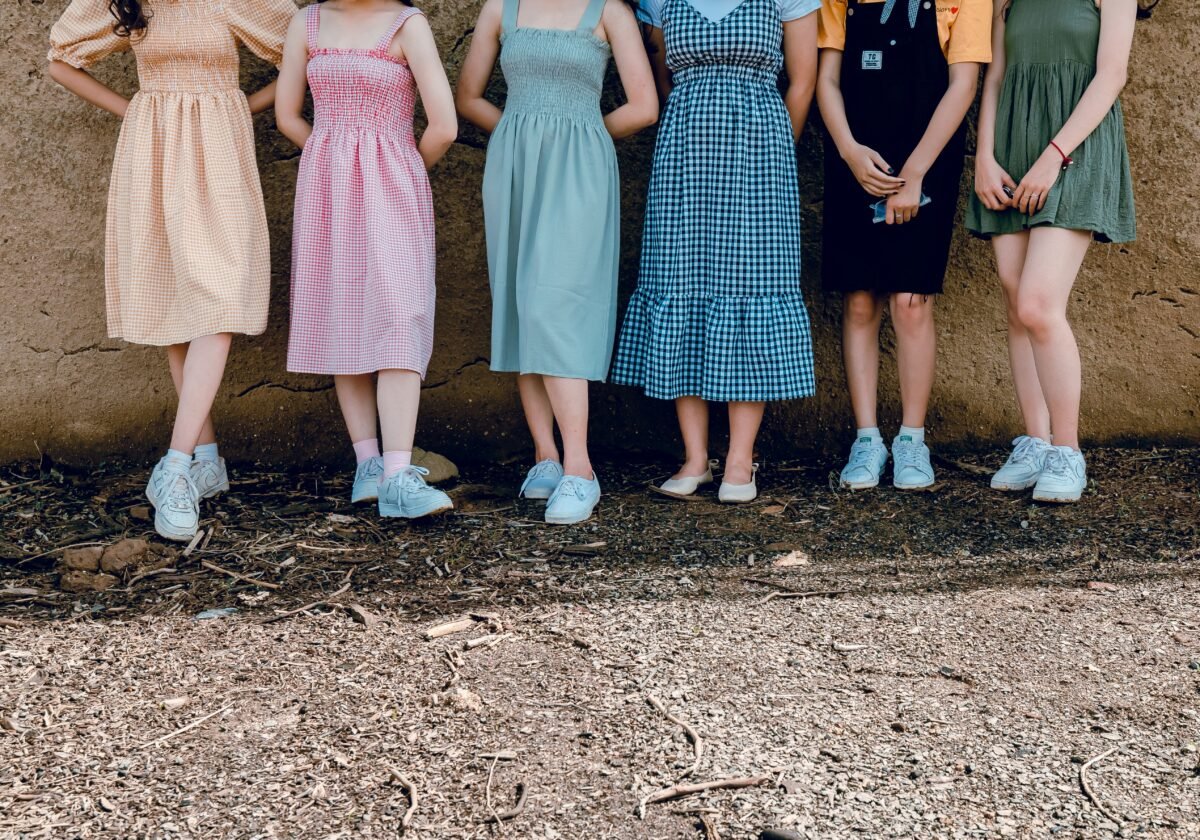
Use this section when color is the main question. how to match shoes with outfits Remember that these are suggestions, not strict rules.
Black, White, Beige, Brown and Gray Outfits
| Outfit color | Easy shoe choices | Bolder choices |
|---|---|---|
| Black | Black, white, nude, tan, metallic, burgundy | Red, cobalt blue, emerald, animal print |
| White or cream | White, tan, nude, brown, light grey, gold | Pastel shades, red, bright tonal accents |
| Beige and camel | Brown, tan, white, cream, navy | Olive green, burgundy, terracotta |
| Brown | Tan, cream, white, deeper brown, olive | Mustard, teal, rust |
| Grey | Black, white, navy, burgundy, silver | Yellow, pink, cobalt |
Navy, Blue, Green, Red and Pastel Outfits
| Outfit color | Easy shoe choices | Bolder choices |
|---|---|---|
| Navy | White, tan, brown, grey, nude, burgundy | Mustard, coral, light blue |
| Blue (bright or light) | White, tan, brown, silver, navy | Orange, yellow, coral |
| Green | Tan, brown, cream, white, navy, gold | Burgundy, rust, blush |
| Red | Black, nude, tan, white, grey | Navy, pink, metallic |
| Pastels | White, nude, light grey, silver, tan | Deeper tonal shades, soft metallics |
| Bright or neon | Black, white or neutral so the outfit remains the star | A tonal or clearly contrasting accent |
Metallic and Statement-Colored Shoes
Metallic shoes (gold, silver, bronze, pewter) act almost like neutrals. They suit evening wear, simple everyday outfits and anything that needs a little shine. For statement colors, how to match shoes with outfits keep the rest of the outfit simple and let the shoes carry the interest. If the shoes are patterned or very bright, let your bag and accessories stay quieter.
Best Shoes to Wear with Different Outfits
Jeans and T-Shirts
Jeans pair with nearly everything, but the cut and hem matter:
- Straight-leg and slim jeans: loafers, sneakers, ankle boots, flat sandals.
- Cropped or cuffed jeans: low-profile sneakers, loafers, ballet flats, sandals.
- Skinny jeans: boots (inside or outside), sneakers, pointed flats.
- Flared or bootcut jeans: shoes with a little height or platform so the hem doesn’t drag, such as boots, platforms or block heels.
- Wide-leg jeans: chunky sneakers, platforms, boots or loafers with some sole thickness.
Casual outfits like jeans and a tee are the best place to experiment with color, since the stakes are low.
Wide-Leg and Straight-Leg Trousers
For wide-leg trousers, aim for a hem that is close to the ground without dragging, and shoes with enough presence to balance the fabric: platforms, chunky loafers, block-heel sandals, sturdy boots or substantial sneakers. Pointed, slim shoes can work if the hem is long enough to partly cover them, how to match shoes with outfits so test it in a mirror. For straight-leg trousers, almost anything works. Choose by formality: loafers or oxfords for smart outfits, sneakers for relaxed ones.
Skirts and Dresses
- Mini skirts and dresses: sneakers, boots, loafers or flat sandals. For a more polished look, add heels or neat flats.
- Midi skirts and dresses: ankle boots, sneakers, loafers, mid-heel pumps or sandals. Watch where the shoe cuts across the leg and test the effect.
- Maxi skirts and dresses: sandals, platforms, sneakers or boots with a streamlined shape. Make sure the hem clears the ground.
- Slip dresses and light fabrics: delicate sandals, ballet flats or sleek heels, or an unexpected boot or sneaker for an edgier mood.
- Shirt dresses and wrap dresses: loafers, ankle boots, flat sandals or clean sneakers.
Office Wear and Tailored Suits
Choose shoes in line with your dress code and your clothing:
- Dark suits: black or dark brown leather oxfords, derbies, monk straps or polished loafers.
- Navy suits: dark brown, burgundy or black leather are classic choices.
- Light or beige suits: tan, brown, white or lighter leather for summer.
- Tailored trousers with a blazer: loafers, pointed flats, low or mid-heel pumps, or refined ankle boots.
- Business casual: leather sneakers, suede loafers or clean desert boots can work where the dress code allows.
Match your belt and shoes in broad color family and finish if you like, but exact matches are not required.
Casual, Travel and Weekend Outfits
For travel, comfort is the priority. Pick shoes that are broken in, easy to slip off at security, supportive for walking and neutral enough to match many outfits. Light sneakers, comfortable slip-ons, how to match shoes with outfits supportive sandals and water-resistant shoes cover most trips. For weekends, add personality with color, texture or an unexpected combination, such as a bright sneaker with a simple outfit.
Formal Events, Parties and Weddings
First, check the dress code and the venue (outdoor lawns, historic buildings, religious spaces). Then:
- Choose shoes you can stand and walk in for the whole event.
- Match or complement the formality of the outfit: how to match shoes with outfits polished dress shoes or elegant sandals and pumps.
- For long gowns and formal traditional wear, the hem often hides much of the shoe, so comfort and balance matter as much as detail.
- Metallics, satin, patent leather and refined leather suit most formal outfits.
- Consider a pair you’ve already broken in, or carry a more comfortable backup.
Traditional and Regional Clothing
Traditional garments often have their own shoe traditions, and many look best with matching footwear:
- South Asian clothing (kurtas, shalwar kameez, sarees, lehengas, sherwanis): juttis, mojaris, kolhapuris, embroidered flats, block-heel sandals or heels, depending on the occasion.
- Middle Eastern and North African clothing (abayas, kaftans, thobes): neat sandals, leather loafers, babouches or flat shoes, depending on the formality and region.
- East Asian clothing (kimono, hanbok, cheongsam): traditional or modern footwear suited to the garment, such as zori or geta with a kimono. Check the customs for the occasion.
- African traditional clothing (agbada, kente, dashiki, wrappers): leather sandals, loafers, flat shoes or heels in complementary tones, depending on the event.
- Western formal and modest dress: polished flats, loafers, low heels and closed-toe shoes all pair well with long hems and layers.
Don’t assume one tradition’s rules apply to another. how to match shoes with outfits When attending an event in a community that isn’t yours, ask the host or a friend what’s customary.
Menswear and Gender-Neutral Outfits
The same logic applies to everyone: match formality, balance proportions, choose a color strategy and check comfort. Some common pairings:
- Chinos and a shirt: loafers, leather sneakers, desert boots, derbies.
- Jeans and a tee or sweater: sneakers, boots, loafers or canvas shoes.
- Suits: oxfords, derbies, monk straps or polished loafers.
- Shorts: clean sneakers, loafers (with or without socks), sandals or boat shoes.
- Wide or tapered trousers: adjust the hem and choose shoes with enough presence to balance the leg.
How to Match Shoes with Your Outfit by Season and Weather
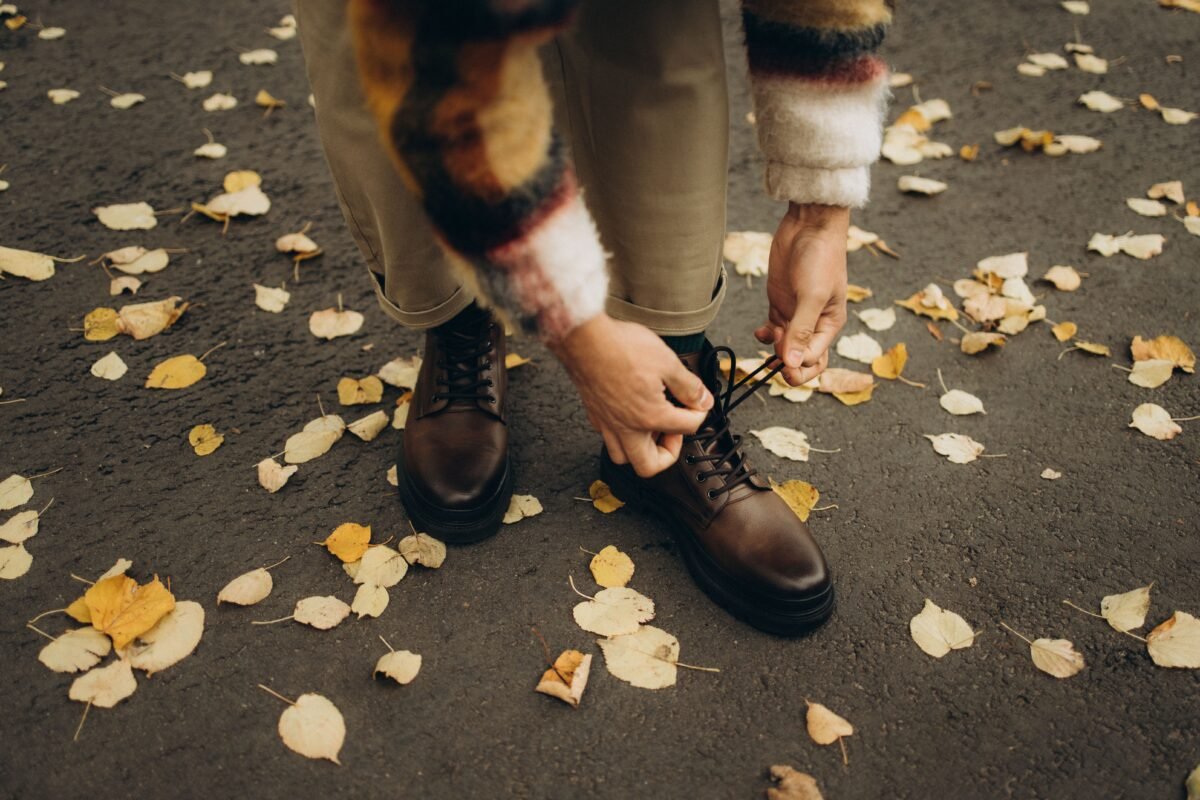
| Condition | Smart shoe choices | Things to consider |
|---|---|---|
| Hot and dry | Breathable sandals, canvas shoes, mesh sneakers, loafers, espadrilles | Choose breathable materials and straps that don’t dig in. Sunscreen on feet if wearing open shoes. |
| Hot and humid | Open sandals, quick-drying shoes, light canvas, mesh | Avoid materials that trap heat; carry a spare pair if you’ll be out all day |
| Rain and wet streets | Waterproof boots, rubber-soled shoes, water-resistant sneakers, rain boots | Good grip is important. Suede and some leathers suffer in wet weather unless protected. |
| Cold | Insulated boots, lined shoes, thicker socks, leather or waterproof materials | Leave a little room for thick socks |
| Snow and ice | Winter boots with grip, waterproof materials | Choose function over fashion for safety |
| Variable weather | Water-resistant sneakers, ankle boots, closed shoes that work with layers | Bring an umbrella or a spare pair if necessary |
Layer your style with the weather. how to match shoes with outfits A floaty summer dress can work with a sturdy boot in a cool season, and a heavy winter coat can work with a lighter shoe indoors. The outfit’s mood and the weather should agree.
How to Build a Versatile Shoe Wardrobe on Any Budget
You don’t need many shoes to match most outfits. A small, well-chosen set covers more than a crowded closet.
A versatile starter set:
- A clean, neutral sneaker (white, off-white, grey or black) for everyday casual outfits
- A comfortable walking shoe or supportive sandal for travel and long days
- A smart flat or loafer for office and smart casual outfits
- A dressier shoe (pump, oxford or elegant sandal) for formal events
- A boot (ankle or taller) for colder months
- A weather-ready pair (waterproof boots or rain shoes) if your climate needs it
Choose neutral colors you can wear with most clothes (black, brown, tan, white, navy or nude), then add one or two colors or textures you love.
| Approach | What it looks like |
|---|---|
| Use what you own | Try your current shoes with outfits you wouldn’t normally pair them with. Photograph the combos you like. |
| Cost-per-wear thinking | A more expensive pair worn weekly can cost less per wear than a cheap pair worn twice. Invest in what you wear most. |
| Pre-loved and secondhand | Resale shops, markets and swaps are good for leather shoes, boots and dress shoes. Check the soles, heels and inner lining carefully. |
| Repair and care | Resoling, heel replacement and polishing extend a shoe’s life and cost less than replacing it. |
| Avoid trend-only purchases | Before buying, imagine at least three outfits you already own that the shoes would work with. |
The three-outfit test. Before buying any shoes, how to match shoes with outfits mentally match them with three outfits from your wardrobe. If you can’t, you may not need them.
Common Shoe-Matching Mistakes and How to Avoid Them
| Mistake | Easy fix |
|---|---|
| Ignoring formality | Choose shoes closer to the outfit’s formality level, or clash on purpose |
| Choosing shoes that overpower or disappear | Balance visual weight with the volume of the clothes |
| Matching colors almost, but not quite | Match closely or contrast clearly |
| Hems dragging or ending awkwardly | Hem trousers for the shoes you’ll wear, or choose shoes to suit the length |
| Following one-size-fits-all rules | Treat rules as starting points and trust the mirror |
| Wearing new or uncomfortable shoes for long days | Break them in first, and carry a backup pair if needed |
| Wearing unsuitable materials for the weather | Check the forecast, and waterproof or protect delicate materials |
| Forgetting socks and hosiery | Choose them as part of the outfit; visible socks should look intentional |
| Buying shoes without testing them with outfits | Use the three-outfit test |
| Neglecting care | Clean, condition and store shoes properly |
Caring for Your Shoes
Well-kept shoes always look better with an outfit.
- Leather: wipe with a damp cloth, condition occasionally and polish to restore color.
- Suede and nubuck: brush gently with a suede brush and use a protective spray designed for suede.
- Canvas and fabric: spot clean with mild soap and a soft brush, and air dry away from direct heat.
- Sneakers: remove laces to wash, wipe soles and let them dry fully.
- Rotate pairs: letting shoes rest between wears helps them dry and keep their shape.
- Use shoe trees or stuffing to keep leather shoes in shape.
- Store them dry and away from direct sun or heat.
Always follow the manufacturer’s care instructions, since materials and finishes vary.
Quick Shoe and Outfit Matching Chart
| Outfit | First choices | Fresh alternatives |
|---|---|---|
| Jeans and tee | Clean sneakers, loafers | Ankle boots, flat sandals, colorful shoes |
| Wide-leg trousers | Platforms, chunky loafers, boots | Block-heel sandals, substantial sneakers |
| Tailored trousers and blazer | Loafers, pumps, oxfords | Leather sneakers, ankle boots |
| Slip or midi dress | Heeled sandals, flats, ankle boots | Clean sneakers, loafers |
| Maxi dress | Flat sandals, platforms | Sneakers, low boots |
| Mini skirt or shorts | Sneakers, boots, sandals | Loafers, chunky shoes |
| Suit | Oxfords, derbies, polished loafers | Dark leather sneakers (if dress code allows) |
| Formal gown or evening wear | Elegant heels or refined flats | Metallic sandals, satin pumps |
| Traditional clothing | Footwear traditional to the garment | Modern flats or heels in matching tones |
| Travel outfit | Cushioned sneakers, supportive sandals | Water-resistant slip-ons |
| Rainy day | Waterproof boots, rubber-soled shoes | Water-resistant sneakers |
A Quick Glossary for International Readers
Footwear names change from place to place:
- Sneakers / trainers / running shoes
- Pumps / court shoes / heels
- Flats / ballet flats / ballerinas
- Loafers / slip-ons / moccasins
- Oxfords / lace-ups / derbies
- Sandals / slides / flip-flops (also called thongs or slippers in some countries)
- Boots / ankle boots / Chelsea boots / Wellingtons / rain boots
- Juttis / mojaris: traditional South Asian flat shoes, often embroidered
- Kolhapuris: traditional leather sandals from India
- Espadrilles: canvas shoes with a rope-style sole
- Babouches: soft slip-on leather shoes from North Africa
Frequently Asked Questions
How do you match shoes with an outfit?
Start with the occasion and formality, consider the outfit’s shape and hemline, choose a color strategy (neutral, tonal or contrast), check texture and season, and make sure the shoes are comfortable. Finish with a mirror check.
Should your shoes match your bag?
No. They can match, but they don’t have to. They should feel as if they belong together in color family, material or formality.
What color shoes go with almost every outfit?
Black, white, tan, brown, navy, grey and nude are the easiest. The best neutral depends on your wardrobe, so choose the shade that works with the clothes you wear most.
Can you wear brown shoes with black clothes?
Yes. Choose a rich brown (dark chocolate, cognac or tobacco) and keep the rest of the outfit coherent. It looks especially good with leather accessories in similar tones.
What shoes look best with wide-leg trousers?
Shoes with some presence usually balance the volume: platforms, chunky loafers, boots, block-heel sandals or substantial sneakers. Slimmer shoes can work if the hem is long enough to partly cover them.
What shoes should you wear with a dress?
It depends on the dress’s length, fabric and formality. Sneakers, sandals, boots, flats, loafers and heels can all work. Use formality and hemline to guide you.
Do shoes need to match the color of your outfit?
No. Shoes can be neutral, tonal, contrasting or a statement, as long as the choice looks deliberate.
How do you choose shoes for a formal occasion?
Check the dress code and the venue, then choose polished, comfortable shoes that match the formality of your outfit. Break in new shoes first, and consider a backup pair for long events.
What shoes are best for travel and walking?
Cushioned, supportive, broken-in shoes in neutral colors that go with several outfits. Slip-on styles can be convenient for airports.
How do you choose shoes for rainy or hot weather?
For rain, choose waterproof or water-resistant materials with good grip. For heat, choose breathable materials and open styles with secure straps. Always prioritize safety and comfort.
Final Thoughts
Learning how to match shoes with outfits is less about memorizing color rules and more about asking the right questions in the right order: What’s the occasion? How formal is the outfit? What shape and hemline are involved? Which color strategy am I using? Do the textures and season agree? And will my feet be comfortable?
Start with a small set of versatile pairs, use the three-outfit test before buying, and trust the mirror over any rule. With a little practice, you’ll match your shoes confidently, whatever you’re wearing and wherever you’re going.