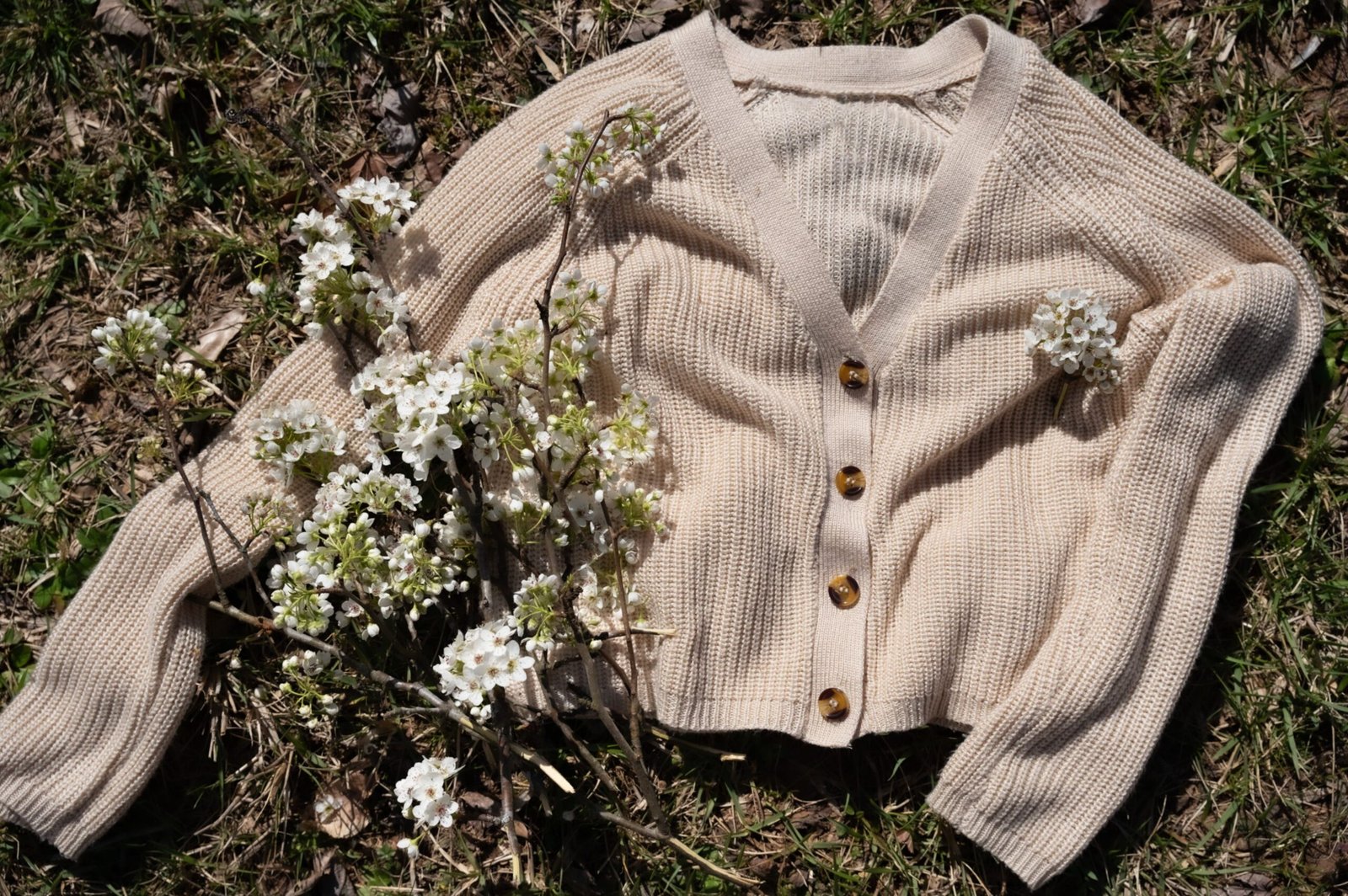
A cardigan is a knitted garment that opens down the front, usually with buttons, a zip or no closure at all. It is worn over a shirt, tee or dress as a layer, and unlike a pullover sweater you do not pull it over your head. That one feature, the open front, is what makes a cardigan so easy to wear, adjust and style.
This guide goes well beyond the basic definition. You will learn where the cardigan came from, how it differs from a sweater, a pullover and a jacket, every major type, which fabrics suit which season, how it should fit, how to style it for different occasions, and how to wash it without ruining it. what is a cardigan If you want a quick answer, read the next section. If you want to choose, wear and care for cardigans like an expert, read on.
What Is a Cardigan? A Simple Definition
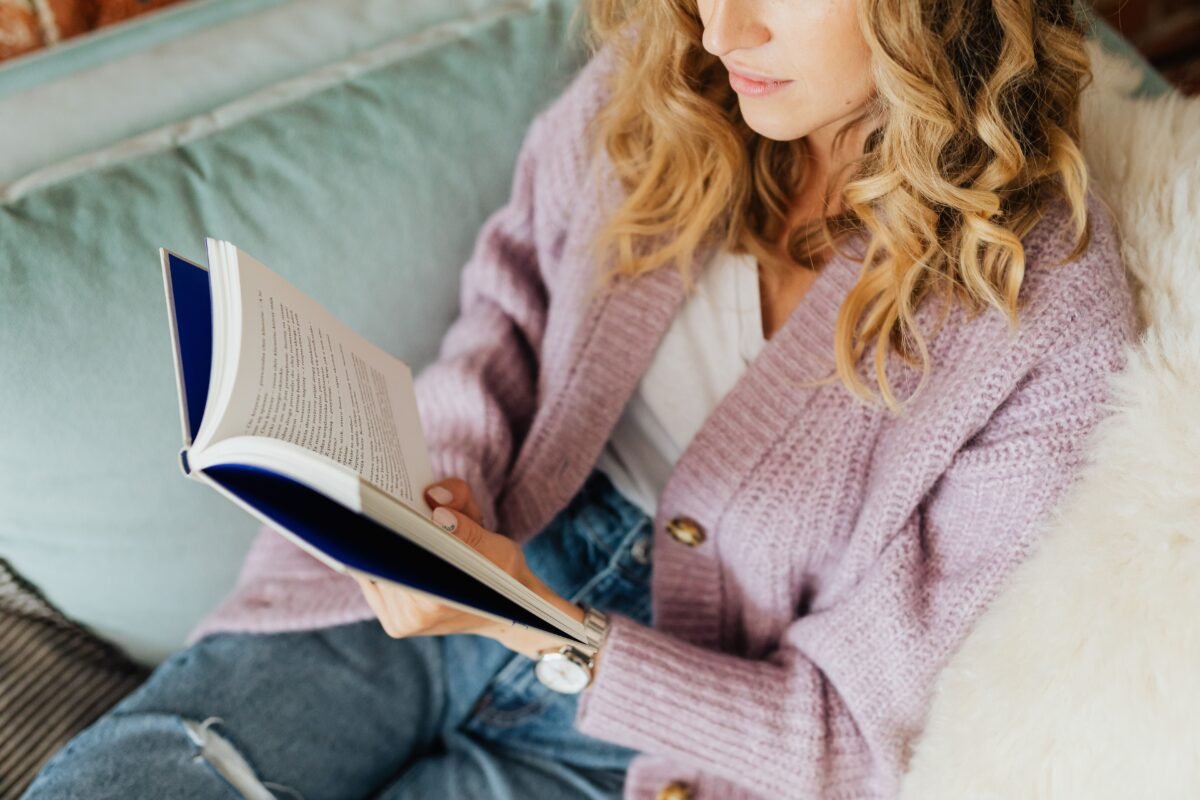
A cardigan is a knitted top with a full-length opening at the front, designed to be worn as an outer layer. It has sleeves, can be fastened with buttons, a zip, hooks or a belt, and can also be worn open. Most cardigans are made from wool, cotton, cashmere or blended yarns.
In British English you will sometimes hear the word “jumper” for pullovers and “cardie” as a casual short form of cardigan. what is a cardigan In American English, “sweater” is the broad word for most knitted tops, and the cardigan is one specific kind of sweater.
Three features define a cardigan:
- An opening from neck to hem. This is the defining trait. If a knitted top opens fully down the front, it is a cardigan.
- A knitted construction. Most cardigans are knitted rather than woven, which gives them stretch, softness and warmth. (Some are made from fleece, jersey or other soft fabrics, but knit is the classic.)
- A layering role. Cardigans are designed to sit over other clothes, although a fine-knit button-up version can be worn on its own.
Where Did the Cardigan Come From? A Brief History
The cardigan is usually traced to the nineteenth century and to James Brudenell, the 7th Earl of Cardigan, a British Army officer who led a cavalry unit during the Crimean War in the 1850s. what is a cardigan The popular story is that knitted, button-fronted woollen waistcoats and jackets became associated with his name, because they kept soldiers warm and were easy to put on over uniforms. Historians debate some details of the tale, but the link between the Earl and the garment’s name is widely accepted.
Here is how the cardigan moved from battlefield to wardrobe:
- Mid-1800s: Knitted woollen jackets with front openings are associated with the military and with practical cold-weather wear.
- Early 1900s: Cardigans become everyday knitwear for men, worn at home, for sport and in cooler weather.
- 1920s: Designer Coco Chanel helps move the cardigan into women’s fashion, pairing soft jersey knits with a modern, relaxed elegance.
- 1950s and 60s: The cardigan becomes a symbol of both smart casual style and quiet, comfortable respectability, worn by everyone from college students to television personalities.
- 1990s: Grunge turns the slouchy, oversized cardigan into a statement of anti-fashion. Kurt Cobain’s worn green mohair cardigan from his 1993 MTV Unplugged performance later sold at auction for hundreds of thousands of dollars.
- Today: Cardigans appear on runways and in everyday wardrobes in every length, fabric and silhouette, from cropped cotton versions to floor-sweeping wool coats.
The lesson from this history is that the cardigan has always been a practical garment first, and a style statement second. That balance is exactly why it has lasted.
Cardigan vs Sweater vs Pullover vs Jacket: What Is the Difference?
These four words are often used as if they mean the same thing. what is a cardigan They do not. The table below shows the differences at a glance.
| Garment | Opening | How you put it on | Typical material | Main purpose |
|---|---|---|---|---|
| Cardigan | Open down the full front | Slip on like a jacket | Knit (wool, cotton, cashmere, blends) | Layering, warmth, style |
| Pullover sweater | None (or a short neck opening) | Pull over your head | Knit | Warmth, everyday wear |
| Jumper | None | Pull over your head | Knit | British word for a pullover |
| Jacket | Open down the front | Slip on | Woven fabric, leather, denim, technical fabrics | Structure, weather protection |
Is a cardigan a sweater?
Yes. In everyday use, “sweater” is the umbrella term for knitted tops, and a cardigan is a front-opening sweater. what is a cardigan A pullover is the other main category. So all cardigans are sweaters, but not all sweaters are cardigans.
Is a cardigan a jacket?
Not quite. A cardigan and a jacket both open at the front, but a jacket is usually made from woven fabric with a firmer structure, and it is designed to block wind or rain. what is a cardigan A cardigan is softer, stretchier and warmer in a cosy way rather than a protective way. A thick, structured wool cardigan can behave like a light jacket, which is why the line sometimes blurs. Fashion people call these “cardigan jackets” or “shackets”.
Cardigan vs pullover: which should you choose?
Choose a cardigan when you want flexibility. You can open it when the room gets warm, button it for a polished look, or wear it loose as a light outer layer. what is a cardigan Choose a pullover when you want a clean, uninterrupted line, such as under a blazer or coat, or when you want maximum warmth with no gaps at the front.
What Are the Different Types of Cardigans?
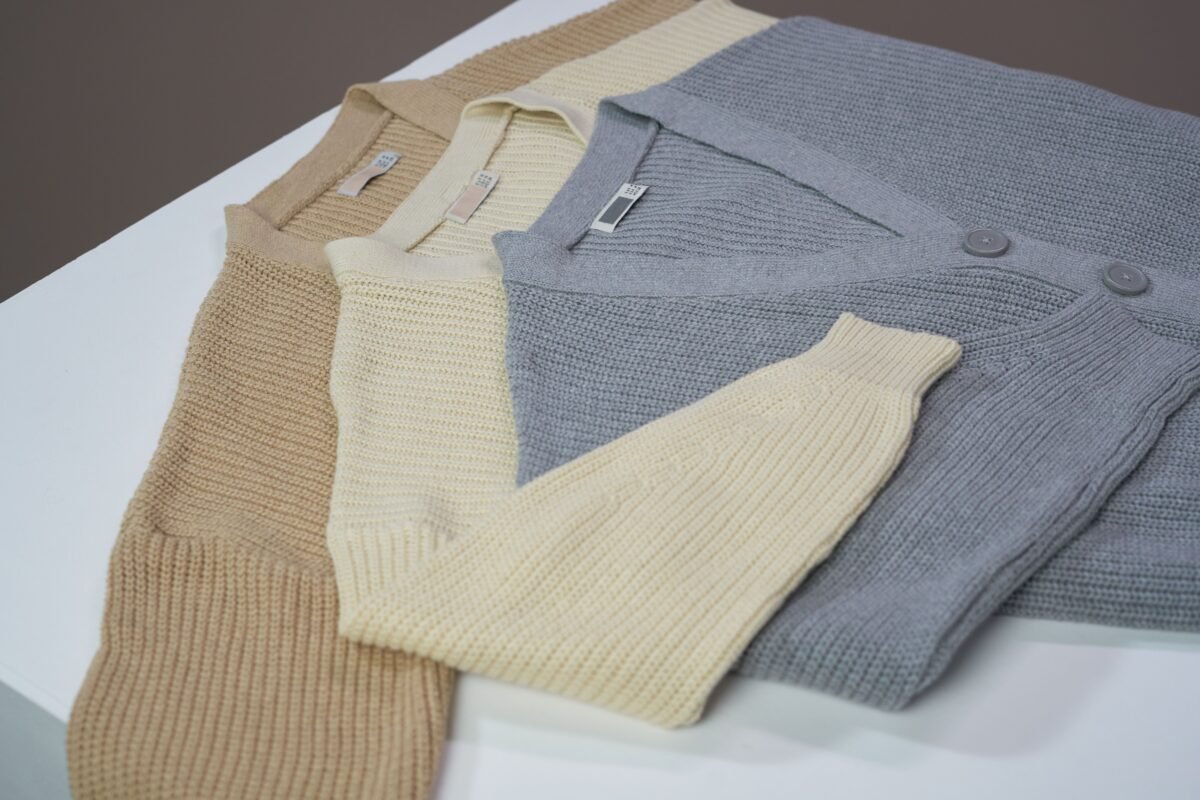
Most guides describe cardigans only by length. In practice, you can classify them in four ways: by length, by neckline, what is a cardigan by closure and by silhouette or knit. Knowing all four helps you describe exactly what you want when you shop.
Cardigan types by length
- Cropped cardigan: Ends at or above the waist. Pairs well with high-waisted trousers, skirts and dresses because it shows off the waistline.
- Hip-length cardigan: Ends around the hip. The most versatile length and a safe choice for work and everyday wear.
- Mid-length or tunic cardigan: Ends at the upper thigh. Good over leggings, slim trousers and straight skirts.
- Longline cardigan: Ends at or below the knee. Creates a long, vertical line and works as a light coat in mild weather.
- Waterfall cardigan: Has soft draped fronts that fall in cascading folds, usually with no closure. Elegant and relaxed.
Cardigan types by neckline
- V-neck: The classic. Flattering on most people, easy over collared shirts and tees.
- Crew neck: A round, close neckline. Looks tidy and slightly traditional, and works well with shirts.
- Shawl collar: A wide, rolled collar that folds across the chest. Cosy and slightly retro, great for cold weather.
- Collarless or open neck: A clean edge with no collar. Modern and minimal.
- Polo or collared cardigan: Has a small shirt-style collar. Smart and a little sporty.
Cardigan types by closure
- Button-front cardigan: The traditional style. Can be worn buttoned, half buttoned or open.
- Zip-up cardigan: Sportier and warmer, because the zip closes the gaps completely.
- Open-front cardigan: No closure at all. Drapes freely and suits layering.
- Wrap or belted cardigan: Overlaps at the front and ties with a belt or sash, which defines the waist.
- Hook-and-eye or toggle cardigan: Uses decorative fastenings for a heritage or outdoor look.
Cardigan types by silhouette and knit
- Fitted cardigan: Follows the body closely. Good for tucking into trousers or wearing under a blazer.
- Boxy cardigan: Straight and square with a relaxed shoulder. Easy and modern.
- Oversized cardigan: Deliberately large with a dropped shoulder. Cosy and fashionable, best balanced with slimmer bottoms.
- Cable-knit cardigan: Features twisted rope-like patterns. Textured, traditional and very warm.
- Rib-knit cardigan: Has vertical ridges that stretch and hug the body. Works as a smart basic.
- Fine-gauge cardigan: Thin, lightweight yarn. Looks refined and fits under jackets.
- Chunky or heavy-gauge cardigan: Thick yarn and large stitches. Maximum warmth and a relaxed look.
- Cardigan coat: A long, heavy cardigan designed to replace a light coat.
What Fabrics Are Cardigans Made From?
Fabric decides how a cardigan feels, how warm it is, how long it lasts and how you should wash it. what is a cardigan Here is a practical comparison.
| Fabric | Warmth | Breathability | Softness | Durability | Care difficulty | Price level |
|---|---|---|---|---|---|---|
| Cotton | Low to medium | High | Medium | High | Easy | Low to medium |
| Merino wool | Medium to high | High | High | High | Medium | Medium to high |
| Lambswool | Medium to high | Medium | Medium | Medium | Medium | Medium |
| Cashmere | High | Medium | Very high | Medium (can pill) | Higher | High |
| Alpaca | High | Medium | Very high | Medium | Higher | High |
| Mohair | High | Medium | Fuzzy, airy | Medium | Higher | Medium to high |
| Linen or linen blends | Low | Very high | Medium (softens with wear) | Medium | Easy to medium | Medium |
| Viscose or modal | Low to medium | Medium | High | Lower | Medium | Low to medium |
| Acrylic | Medium | Low | Medium | High | Easy | Low |
| Blends (wool-nylon, cotton-polyester) | Varies | Varies | Varies | Often higher | Usually easier | Low to medium |
Natural fibres
Cotton is the everyday choice. It is breathable, easy to wash and ideal for spring and summer evenings or air-conditioned offices. It can lose shape over time, so look for tighter knits.
Merino wool is fine, soft and temperature regulating. It keeps you warm in the cold and does not feel heavy indoors. It is often the best all-round choice for a first quality cardigan.
Cashmere is the luxury option. It is exceptionally soft and light for its warmth. It is also more delicate and can pill if it is rubbed often, so treat it gently.
Alpaca and mohair are warm and distinctive. Alpaca feels silky and warm, while mohair has a brushed, fuzzy texture. Both suit cold weather and statement pieces.
Linen gives a crisp, breathable cardigan that is excellent for warm climates and light summer layering.
Synthetic and semi-synthetic fibres
Viscose and modal are smooth and drape beautifully, but they are weaker when wet and can stretch if handled roughly.
Acrylic is affordable, colourfast and easy to wash. It can feel less breathable than natural fibres, and low-quality acrylic pills quickly.
Why blends are worth considering
A blend combines the strengths of two fibres. A merino and nylon blend, for example, adds strength to soft wool. what is a cardigan A cotton and elastane blend adds stretch and shape retention. Check the fibre label: a higher proportion of natural fibre usually means better feel and breathability, while some synthetic content can help durability.
How Should a Cardigan Fit?
Fit is the difference between a cardigan that looks effortless and one that looks accidental. Use this checklist.
- Shoulders: The shoulder seam should sit at the edge of your shoulder bone. The exception is an oversized or dropped-shoulder style, where the extra room is intentional.
- Sleeves: They should end at the wrist bone or slightly below. If the sleeves swallow your hands, size down or choose a style designed that way.
- Body: When buttoned, there should be no pulling across the chest or stomach, and no gaping between buttons. You should be able to fit a thin layer underneath comfortably.
- Length: Match the length to what you wear it with. Cropped suits high waists. Hip-length suits most people. Longline needs a slim base layer to avoid looking bulky.
- Armholes and underarm: There should be enough room to lift your arms without the hem riding up.
- Neckline: It should lie flat and stay in place, not flip open or choke.
Fit tips by body shape and height
- If you are petite: Choose cropped or hip-length cardigans in fine knit, so you do not look swamped. A monochrome outfit helps create a longer line.
- If you are tall: Longline and oversized cardigans balance your height well, and you can handle chunky knits comfortably.
- If you have a fuller bust or midsection: A fine-knit, open-front or waterfall cardigan that drapes straight down is often more comfortable than a tightly buttoned style.
- If you have a broad frame: Look for structured shoulders and a slightly longer length to keep proportions even.
- If you want to define your waist: Choose a belted or wrap cardigan, or a fitted style that ends at the hip.
How to Style a Cardigan
The best thing about a cardigan is that it works across genders, ages and occasions. what is a cardigan These ideas are practical starting points, not strict rules.
Casual outfits
- Wear a long open cardigan over a plain tee and straight jeans, with white trainers or loafers.
- Try an oversized chunky knit with leggings or slim trousers for a cosy weekend look.
- Add a cropped button cardigan over a slip dress for a soft, modern contrast.
Office and work outfits
- Use a fine-knit merino or cotton cardigan as a lighter alternative to a blazer, especially in offices with strong air conditioning.
- Pair a fitted V-neck cardigan with a collared shirt and tailored trousers.
- Choose neutral colours such as navy, charcoal, camel, cream or black for a professional look.
Smart-casual outfits
- Wear a shawl-collar cardigan over a shirt with chinos or dark denim.
- Pair a button-front cardigan with a midi skirt and ankle boots.
- Add a belt to a long cardigan to create shape over a dress or tunic.
Travel and layering
Cardigans are excellent travel pieces because they are light, flexible and easy to carry. Wear one on a plane or train, and layer it over a tee or under a coat as temperatures change. what is a cardigan A fine-knit merino cardigan packs small and resists odours better than most fabrics.
Styling for men
- Wear a button-up or zip cardigan over an Oxford shirt or T-shirt with chinos for a relaxed, tidy look.
- Layer a shawl-collar cardigan under an overcoat in winter.
- Choose earthy colours, such as olive, navy, grey or brown, for a classic menswear feel.
Styling for women
- Wear a cropped cardigan with high-waisted trousers or a skirt to emphasise the waist.
- Use a long waterfall cardigan over a simple dress for easy elegance.
- Throw a soft cardigan over the shoulders for evenings, which is a time-tested way to add polish.
Gender-neutral styling
Oversized, boxy and cable-knit cardigans work well for everyone. what is a cardigan Keep the silhouette relaxed, pick a balanced colour palette, and focus on texture rather than strict gender codes.
What not to pair with a cardigan
- Bulky on bulky: A chunky oversized cardigan over a thick roll-neck and wide trousers can look shapeless. what is a cardigan Balance volume with one slim piece.
- Too many patterns: A busy patterned cardigan over a striped top over patterned trousers competes for attention. Keep at least one piece plain.
- Wrong length for the base layer: A cardigan that ends just above a long untucked shirt can create an awkward double hem. Match or contrast the lengths deliberately.
- Stretched or pilled knitwear for formal events: Condition matters more than brand. A worn cardigan can undermine an otherwise smart outfit.
Should a cardigan be buttoned?
It depends on the look. A fully buttoned cardigan looks neat and traditional. Leaving the bottom button open gives a relaxed, natural drape. what is a cardigan Wearing it open lets the cardigan work as a jacket. A good rule: button it when you want to look polished, leave it open when you want movement and ease.
Can You Wear a Cardigan in Every Season?
Yes, if you choose the right fabric and weight.
- Spring: Lightweight cotton, linen blends or fine merino. Pair with dresses, jeans and light trousers for cool mornings.
- Summer: Thin, breathable cotton or linen cardigans, often worn open or draped over the shoulders for air-conditioned spaces and cooler evenings.
- Autumn: Mid-weight merino, lambswool or cable knits that layer well over shirts and under jackets.
- Winter: Chunky wool, cashmere, what is a cardigan alpaca or mohair, often worn under a coat or scarf for added warmth.
The golden rule is to match fabric to temperature rather than to the calendar. what is a cardigan A light cotton cardigan can be useful all year round, while a heavy wool one belongs to the coldest months.
How to Wash, Dry and Store a Cardigan
Without proper care, even a quality cardigan can shrink, what is a cardigan stretch or pill. what is a cardigan Always read the care label first, then use these general guidelines.
Washing by fabric
| Fabric | Best washing method | Avoid |
|---|---|---|
| Cotton | Machine wash cool or warm on a gentle cycle | High heat, which can cause shrinkage |
| Merino or lambswool | Hand wash in cool water with wool detergent, or use a wool cycle | Hot water, agitation, wringing |
| Cashmere | Hand wash in cool water with mild detergent, rinse gently | Soaking for long periods, twisting |
| Alpaca or mohair | Hand wash gently or dry clean if the label says so | Rubbing and friction |
| Viscose or modal | Cool gentle wash, or follow label closely | Wringing, as it weakens when wet |
| Acrylic or blends | Machine wash on a gentle cycle | High heat, which can damage fibres |
Wash cardigans inside out in a mesh bag if you use a machine, what is a cardigan and close buttons or zips first to keep their shape.
Drying
Never hang a wet cardigan, because the weight stretches the knit. what is a cardigan Press out water by rolling it in a clean towel, reshape it, and dry it flat away from direct heat and sunlight. Do not tumble dry wool or cashmere.
How to prevent and remove pilling
Pilling, those small fuzzy balls, is caused by friction, and it happens even with expensive fabrics. To reduce it:
- Wash less often and always inside out.
- Avoid wearing a cardigan under a rough bag strap, which rubs the same area repeatedly.
- Remove pills with a fabric comb or a battery-powered fabric shaver, working gently over a flat surface.
- Do not pick pills off by hand, which can pull the yarn.
How to fix shrinkage and stretching
If a wool cardigan shrinks slightly, soaking it in lukewarm water with a little hair conditioner, then gently reshaping it flat, can relax the fibres. what is a cardigan For stretched sleeves or hems, lay the cardigan flat and reshape it to its original size while it dries. Severe damage often cannot be fully reversed, so prevention is better.
Storage
- Fold, do not hang. Hanging stretches shoulders. Fold knitwear and store it on a shelf or in a drawer.
- Keep it clean before storing. Moths are attracted to body oils and food residue.
- Use breathable storage and natural repellents. Cedar blocks or lavender sachets help deter moths in wool and cashmere. Avoid sealed plastic bags for long periods, which trap moisture.
How to Choose a Good Cardigan: A Buying Checklist
Before you buy, check the following:
- Fibre content: Read the label. Prefer a high percentage of merino, cotton, cashmere or other quality fibre for natural comfort, and consider blends for durability.
- Knit density: Hold the fabric up to the light. A dense, even knit holds shape better than a loose, see-through one.
- Shoulder seams and fit: They should sit correctly for the style you chose.
- Buttons and buttonholes: Buttons should be firmly sewn, and buttonholes should be neat and not frayed. Spare buttons are a good sign.
- Ribbing: Cuffs, hem and neckband should spring back when you stretch them gently.
- Stitching and seams: Look for even stitching and no loose threads.
- Intended use: Match the weight and fabric to the season and occasion.
- Care requirements: Be honest about whether you will hand wash or dry clean. A delicate cardigan you never care for properly will not last.
Are Cardigans Sustainable?
A well-made cardigan can be one of the most sustainable pieces you own, because knitwear is designed to last for many years when cared for properly. what is a cardigan To buy more responsibly:
- Choose quality over quantity, and buy styles you will wear repeatedly.
- Look for natural or certified fibres, such as responsibly sourced wool, where relevant.
- Repair small holes early, since knitwear can often be darned or mended.
- Wash less, air more, and avoid unnecessary heat.
Be careful with claims. what is a cardigan A label that simply says “eco” tells you little, so check the fibre content and the brand’s actual information about sourcing and care.
Common Cardigan Mistakes to Avoid
- Buying the wrong size for the style. A fitted cardigan that is too tight pulls at the buttons, while an oversized one in a flimsy fabric looks sloppy.
- Hanging knitwear. It stretches the shoulders.
- Washing in hot water. This shrinks wool and damages delicate yarns.
- Ignoring the fibre label. Not every cardigan can be machine washed.
- Wearing the wrong weight for the season. A heavy knit in a warm room is uncomfortable, and a thin one in freezing weather is pointless.
- Overlooking proportions. Balance volume with slimmer pieces and vice versa.
Frequently Asked Questions About Cardigans
What is a cardigan in simple words?
A cardigan is a knitted top that opens down the front and is worn as a layer over other clothes. It usually closes with buttons or a zip, or it can be worn open. It is warmer than a shirt but easier to put on and take off than a pullover.
Is a cardigan a sweater?
Yes. A cardigan is a type of sweater with a front opening. The other main type is the pullover, which you pull on over your head. So every cardigan counts as a sweater, but not every sweater is a cardigan.
Can you wear a cardigan in summer?
Yes, if you choose lightweight cotton or linen. A thin cardigan works well for cool evenings, air-conditioned offices, flights and beach nights. Wear it open or draped over the shoulders so it adds style without making you overheat.
Should a cardigan be buttoned or open?
Both are correct. Buttoned cardigans look neat and formal, while open ones look relaxed and add movement. A popular middle path is to fasten only the middle buttons, which creates a defined shape without feeling stiff.
What is the difference between a cardigan and a pullover?
A cardigan opens fully at the front and slips on like a jacket. A pullover has no front opening and goes over your head. Cardigans are more flexible for layering and temperature changes, while pullovers give a smoother, more continuous line.
Is a cardigan formal or casual?
It can be either. A fine-knit merino or cashmere cardigan in a neutral colour works well in offices and smart settings. A chunky or oversized cardigan is casual. Fabric, fit, colour and what you pair it with decide how formal it looks.
Who invented the cardigan?
No single inventor is recorded. The garment is named after James Brudenell, the 7th Earl of Cardigan, a British Army officer of the Crimean War era. Knitted front-opening jackets became linked to his name, and designers such as Coco Chanel later made the style popular in women’s fashion.
How do you stop a cardigan from stretching out?
Fold it instead of hanging it, wash it gently, and dry it flat. Avoid wringing or tumble drying, and do not overload the pockets. Choosing a dense knit or a blend with a little elastic fibre also helps a cardigan keep its shape.
Final Thoughts: What Is a Cardigan, Really?
So, what is a cardigan? It is a knitted, front-opening layer that combines the comfort of knitwear with the flexibility of a jacket. It has a long history, it comes in more shapes and fabrics than most people realise, and it suits almost every wardrobe, season and occasion.
If you remember only a few things from this guide, remember these: choose the fabric for the climate, choose the length and neckline for your proportions, check the fit at the shoulders, and care for it properly so it lasts for years. Do that, and a good cardigan will become one of the most reliable pieces you own.