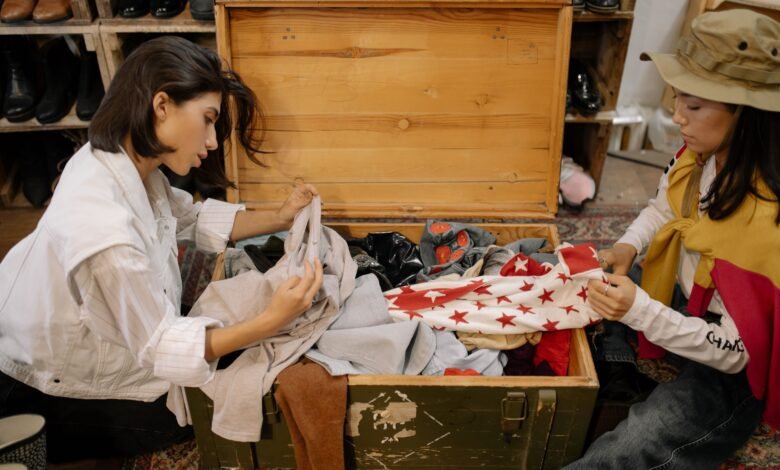
Upcycled clothing is clothing made by transforming old garments, fabric scraps or leftover factory materials into something new that is worth more than what it started as. Instead of melting down or shredding the material, an upcycler keeps the fabric intact and redesigns it into a jacket, dress, bag or other useful item.
This guide explains what upcycled clothing is, how the process works, how it differs from recycling and reusing, which materials work best, where the real benefits and limits lie, and how to make or buy it with confidence.
Quick takeaways
- Upcycling redesigns existing material; recycling breaks it down; reusing wears it again as it is.
- Good upcycled clothing is judged by fit, construction and durability, not just by the story behind it.
- Upcycling can reduce waste and extend a fabric’s life, but it is not automatically the most sustainable choice in every case.
- You can start at home with a needle, thread and one old shirt.
What Is Upcycled Clothing?
Upcycled clothing is any garment that has been created by reworking existing textiles into a new product of higher value, quality or usefulness. The raw material is usually one of three things:
- Pre-consumer waste: factory offcuts, unsold stock, sample garments and deadstock fabric (leftover rolls that were never used).
- Post-consumer waste: garments that someone has already worn and no longer wants.
- Other textiles: bed linen, curtains, tablecloths, military surplus or vintage fabric.
The key word is up. If a T-shirt becomes a cleaning rag, that is usually downcycling, because the item has lost value. If the same T-shirt becomes a well-made tote bag or part of a patchwork jacket, it has been upcycled, because the result is worth more than the starting point.
Upcycled, remade, reworked, refashioned: are they the same?
The industry uses several overlapping terms. Upcycled, remade, reworked and refashioned are often used interchangeably for clothes made from existing garments. “Upcycled fashion” is a slightly broader label that also covers accessories and home items. There is no single legal definition, which is why it helps to ask a brand exactly what material it used and how it was transformed.
How Does Clothing Upcycling Work?

Whether it happens in a home sewing room or a small studio, the process follows the same stages:
- Collect. Gather source material: unwanted garments, offcuts, deadstock or donated fabric.
- Sort. Group items by fibre (cotton, wool, linen, synthetics), colour and condition. Fibre content matters because it decides how the fabric can be washed, dyed and sewn.
- Clean. Wash or dry-clean everything before cutting. Dirt, odours and old stains are much harder to deal with after construction.
- Design. Decide what the final piece will be. Strong upcycling starts with the material in front of you, rather than forcing a pattern onto it.
- Deconstruct. Open seams carefully with a seam ripper. Reusable parts include zips, buttons, pockets, collars and cuffs.
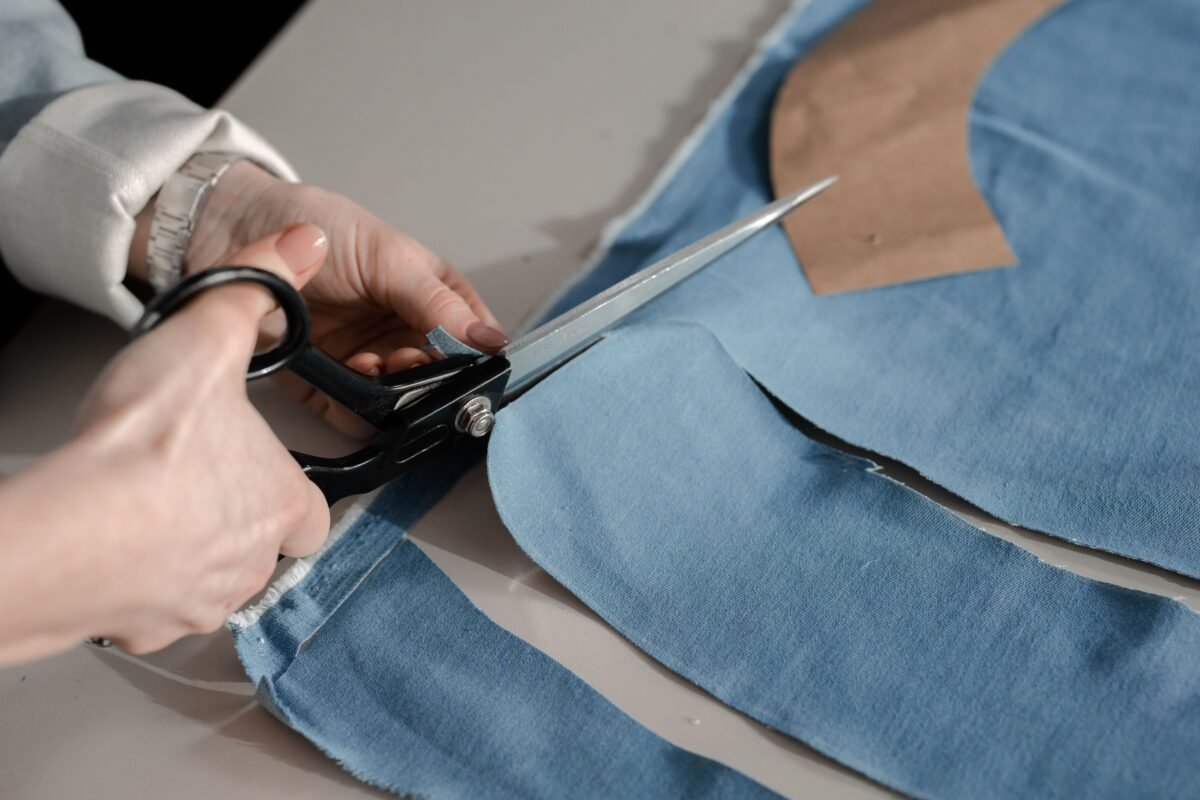
- Reconstruct. Cut, join, patch, dye, embroider or reshape the pieces into the new design.
- Finish. Neaten seams, add linings and fasten details so the garment can handle regular wear and washing.
- Quality-check. Test seam strength, check fit, review the care needs and make sure nothing is likely to fray or fall apart.
The last two steps are where a lot of upcycled clothing falls short, which is why this guide returns to quality again below.
Upcycling vs Recycling vs Reusing Clothes
These three words are mixed up all the time. The easiest way to separate them is to ask: what happens to the material?
| Reusing | Upcycling | Recycling | Downcycling | |
|---|---|---|---|---|
| What happens | The item is worn or used again as it is | The item is redesigned into something new | The fibres are broken down and made into new material | The material is turned into a lower-value product |
| Example | Buying a second-hand jacket | Turning a jacket and old jeans into a patchwork coat | Shredding cotton clothes into fibre to spin new yarn | Cutting old T-shirts into cleaning cloths or insulation |
| Energy and processing | Very little | Low to moderate, mostly labour | Often high (shredding, sorting, spinning) | Moderate |
| Value after | Same | Higher | Varies | Lower |
None of these is always best. Reusing a garment that fits you is usually the lowest-impact option. Upcycling is ideal when a garment is damaged, outdated or unwearable as it is. upcycled clothing Recycling is useful for fabric that cannot be rescued in any other way, though textile recycling at scale is still limited and works best with single-fibre materials.
What Materials Can Be Used for Upcycled Clothing?
Not every fabric upcycles equally well. Here is what makers work with most often:
- Denim. Strong, forgiving and plentiful, denim is a favourite for patchwork jackets, skirts and bags.
- Cotton shirts and sheets. Easy to cut, sew and dye. Good for beginners.
- Linen and natural-fibre fabrics. Soft and breathable, but check the condition first, as older linen can be thin.
- Wool and knitwear. Can be felted or unravelled and reknitted, but takes more skill.
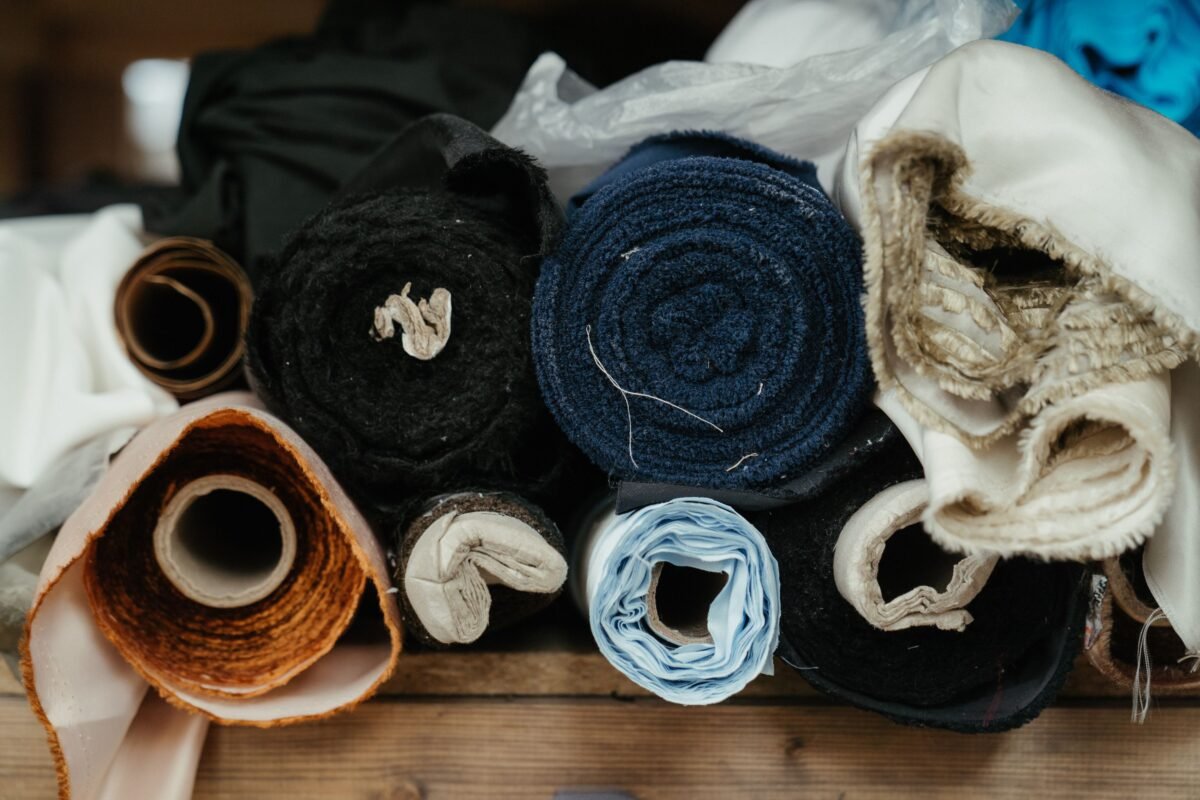
- Deadstock fabric. Unused rolls from mills or fashion houses, often high quality, though availability is unpredictable.
- Factory offcuts. Small pieces ideal for patchwork, trims and accessories.
- Silk and scarves. Delicate but beautiful for blouses, linings and detail work.
- Unconventional textiles. Curtains, tablecloths, parachutes or military surplus can become bags, vests and outerwear.
Materials that need more caution
- Stretch and blended fabrics can be hard to sew without puckering and often lose shape when cut.
- Heavily worn fabric may already be weak and tear soon after reconstruction.
- Garments with unknown dye or finish may bleed or fade when washed together with other pieces.
- Synthetic fabrics can shed microplastic fibres when washed, so it is worth thinking about how the final item will be cared for.
Benefits of Upcycled Clothing
Upcycling can offer real advantages, but they are best described honestly rather than as miracle claims.
It keeps usable fabric out of the waste stream. Every garment that gets a second life is one that does not have to be thrown away. The actual saving depends on what the upcycled item replaces: if it stops someone from buying a brand-new garment, the benefit is bigger than if it is simply an extra purchase.
It extends the life of existing fibres. Producing new fabric takes land, water, energy and chemicals. Using material that already exists avoids part of that footprint, particularly when no new dyeing or heavy processing is needed.
It encourages creativity and individuality. Upcycled pieces are often one-off or limited, which means you are unlikely to see someone else in the same item.
It supports local and small-scale making. Many upcycled brands work in small batches, which can help local tailors, repairers and designers.
It changes how we think about clothing. Learning to fix, alter and rework clothes makes people more aware of what goes into them and more likely to look after what they own.
It can be affordable. At home, the cost is mostly time and a few supplies. When you buy, prices may be higher than fast fashion because the work is labour-intensive, but the value per wear can be strong when the item is well made.
Challenges and Limitations of Upcycled Fashion
A trustworthy guide has to cover the downsides too.
- It is labour-intensive. Deconstructing and reconstructing garments takes time, which usually means higher prices.
- Scale is hard. Every batch of source material is different, so mass production of upcycled clothing is difficult.
- Sizing can be inconsistent. Items made from irregular pieces may not follow standard sizing, so check measurements carefully.
- Durability varies. Patchwork has many seams, and seams are weak points. Quality depends heavily on the maker’s skill.
- Impact is hard to measure. Claims about saved water or carbon often depend on assumptions. Look for brands that explain how they calculated their numbers.
- Supply is uneven. Good deadstock and quality donated garments are not always available in the quantity or colour a designer wants.
- It can be used as marketing. Some brands use the word upcycled loosely for a small trim or a single recycled component. Ask for specifics.
- It is not always the best answer. Wearing and repairing what you already own, or buying a well-made second-hand item, will often have a lower impact than commissioning something new, even from upcycled materials.
Examples of Upcycled Clothing
Here are common types, from simple to advanced, so you can picture what upcycling looks like in practice:
| Starting material | Upcycled result | Difficulty |
|---|---|---|
| Old men’s shirt | Dress, apron, skirt or tote bag | Easy to medium |
| Worn-out jeans | Patchwork jacket, shorts, bag or skirt | Medium |
| Oversized sweater | Cropped cardigan, vest or cushion cover | Easy |
| T-shirt collection | Memory quilt, headbands or tote bags | Easy |
| Bed sheets or curtains | Wide-leg trousers, shirt or summer dress | Medium |
| Several mismatched garments | Reconstructed coat or dress combining panels | Advanced |
| Silk scarves | Camisole top or blouse panels | Medium to advanced |
| Factory offcuts | Patchwork scarf, bag or kids’ clothing | Medium |
How to Upcycle Clothes at Home: Beginner Steps
You do not need a studio to start. Begin with a small, low-risk project.
What you need
- Scissors or fabric shears
- Seam ripper
- Needle and thread (or a basic sewing machine)
- Pins or clips
- Tailor’s chalk or a washable marker
- Measuring tape
- An iron
Project 1: A no-sew T-shirt tote bag (easy)
- Choose a sturdy, plain T-shirt and lay it flat.
- Cut off the sleeves and widen the neckline into a rounded opening.
- Turn the shirt inside out and sew or tie the bottom hem closed, leaving no gaps.
- Turn it right side out. The sleeves’ remaining straps become your handles.
Project 2: A shirt-to-sleeveless dress (medium)
- Pick a long, oversized shirt in a fabric that drapes well.
- Remove the sleeves by cutting along the inside of the seam.
- Take in the sides to shape the waist, pinning before sewing.
- Hem the arm openings and add a belt or ties for shaping.
Project 3: A denim patchwork panel (medium to advanced)
- Cut old jeans into squares of equal size.
- Arrange them in a pattern on the floor before sewing.
- Join the squares in rows, then join the rows, pressing the seams flat as you go.
- Finish the edges with binding so the panel does not fray.
Beginner tips
- Practise on fabric you do not mind losing.
- Wash and iron every item first so it does not shrink later.
- Press every seam; it makes a bigger difference to the finish than almost any other step.
- Keep a scrap box. Leftover pieces can become pockets, patches and trims.
- If a project is too ambitious, ask a local tailor to finish the difficult parts.
How to Choose Quality Upcycled Clothing
Buying upcycled clothing should be about the garment, not just the story. Use this checklist before you buy:
Construction
- Seams are straight, even and neatly finished inside
- Stitching is tight with no loose threads or gaps
- Stress points (underarms, crotch, pocket corners) are reinforced
- Buttons, zips and fastenings are secure and work smoothly
Fabric condition
- No thin or worn patches, stains or odours
- Fabric is suitable for its use (a heavy denim coat vs a delicate silk top)
- Colours and prints match well across panels
Fit and comfort
- Exact measurements are listed (chest, waist, length), not only a size label
- You can move, sit and reach comfortably
- Lining or inside finishes feel good against the skin
Care and durability
- A clear care label or written washing instructions are provided
- Mixed-fabric items have been tested for shrinkage and colour bleeding
- There is a return policy or repair offer
Honesty about the material
- The seller states what the piece was made from
- The seller explains how much of the garment is upcycled
Upcycled Clothing Brands: How to Evaluate Them
Brand lists go out of date quickly, and many articles recommend names without explaining why. Instead of naming brands that may change, use the criteria below to judge any brand you come across. Verify current details on the brand’s own website before you buy.
Ask these questions:
- What exactly is upcycled? The whole garment, a panel or only the trim?
- Where does the material come from? Pre-consumer scraps, deadstock, donated garments or purchased second-hand clothing?
- Is the process explained? Good brands show photos, videos or descriptions of how a piece is made.
- Are claims backed by evidence? If a brand quotes water or carbon savings, it should say how they were calculated.
- Who makes the clothes? Look for information on workers, workshops and pay.
- Is it made to last? Check for repair services, care guidance and sturdy construction.
- Is the pricing realistic? Very cheap upcycled clothing may signal rushed work or unclear sourcing.
A brand that answers most of these clearly is generally a safer bet than one that relies on vague green language.
Where to Buy Upcycled Clothing
- Independent designers and small studios, found through their own websites or craft marketplaces.
- Local markets and craft fairs, where you can inspect the item in person.
- Second-hand and vintage shops that run in-house upcycling lines.
- Local tailors and repair shops, many of whom will rework your own clothes.
- Online marketplaces, though you should check seller reviews and ask questions about measurements and materials.
Commissioning a tailor to rework a garment you already own is often the most sustainable and personal route of all.
Caring for Upcycled Clothing
Because upcycled pieces often combine fabrics, they need a little more care than a standard garment.
- Follow any care guidance supplied, and if there is none, treat the piece as delicate.
- Wash gently and less often, preferably cold, with similar colours.
- Hand wash or use a mesh bag for patchwork, embroidery or delicate trims.
- Dry flat or on a hanger to avoid stretching seams.
- Spot-clean small marks instead of washing the whole garment.
- Repair early. A loose seam or missing button is easy to fix, and much harder once it spreads.
Is Upcycled Clothing Sustainable?
Often yes, but it depends. Upcycled clothing is most sustainable when:
- It replaces something you would otherwise have bought new
- It uses material that would have been wasted
- It is well made and worn many times
- It is cared for and repaired
- It does not involve long-distance shipping or heavy chemical treatments
It is less sustainable when it is bought on impulse, worn once or twice, or used as a way to justify buying more. The most important question is not Is this upcycled? but Will I wear it for a long time?
If you quote environmental statistics on your own site, always cite the original source, include the year and region, and revisit them regularly, since industry figures change.
FAQs About Upcycled Clothing
What does upcycled clothing mean?
It means clothing made by redesigning existing garments or leftover fabric into a new item of higher value. The original material is reused rather than broken down.
How is clothing upcycled?
The material is collected, sorted, cleaned, taken apart, redesigned and sewn into a new piece, then checked for quality and finished.
What is the difference between upcycling and recycling clothes?
Upcycling transforms an item without breaking down the fibres. Recycling breaks the material into raw fibre or pulp to make new products.
Is upcycled clothing sustainable?
It can be, particularly when it replaces a new purchase and is worn often. Its benefits depend on materials, production methods, durability and how you use it.
What materials are used for upcycled clothing?
Common materials include denim, cotton shirts, bed linen, knitwear, deadstock fabric, factory offcuts and silk scarves.
Final Thoughts
So, what is upcycled clothing? It is a way of giving unwanted fabric a second life as something better, from a simple tote bag made from a worn T-shirt to a hand-built patchwork coat. It is creative, practical and often more personal than anything you can buy off the rack.
But the label is not a guarantee. The best upcycled clothing is well made, honestly described and worn for years. Start small, learn as you go and ask good questions when you buy. Pick one old garment from your wardrobe this weekend and see what it could become.