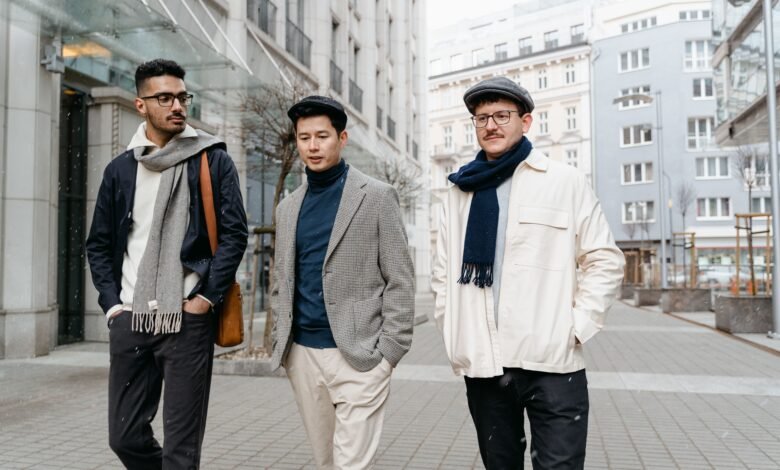
Old money style for men is a quiet, classic way of dressing built on well-fitted clothes, good natural fabrics, muted colours and no visible logos. Think navy blazers, Oxford shirts, fine knitwear, chinos and leather loafers. It describes a look, not your bank balance, and you can build it on any budget.
If you have been searching for old money style men advice and keep finding pages that quietly steer you toward one shop’s products, this guide is different. It is advice-first: what the look actually is, where it comes from, how it differs from quiet luxury and preppy style, old money style men what to buy, where to spend and where to save, how to dress it in hot weather, and how to avoid looking like you are wearing a costume.
At a glance
| Question | Short answer |
|---|---|
| What is it? | Understated, high-quality, classic menswear that does not advertise itself |
| Core idea | Fit and fabric over labels and trends |
| Typical colours | Navy, cream, grey, brown, olive, white |
| Key pieces | Navy blazer, Oxford shirt, knit polo, chinos, loafers, a simple watch |
| Biggest mistake | Dressing like a movie character instead of yourself |
| Budget friendly? | Yes: tailoring, secondhand and care matter more than price tags |
What Is Old Money Style for Men?
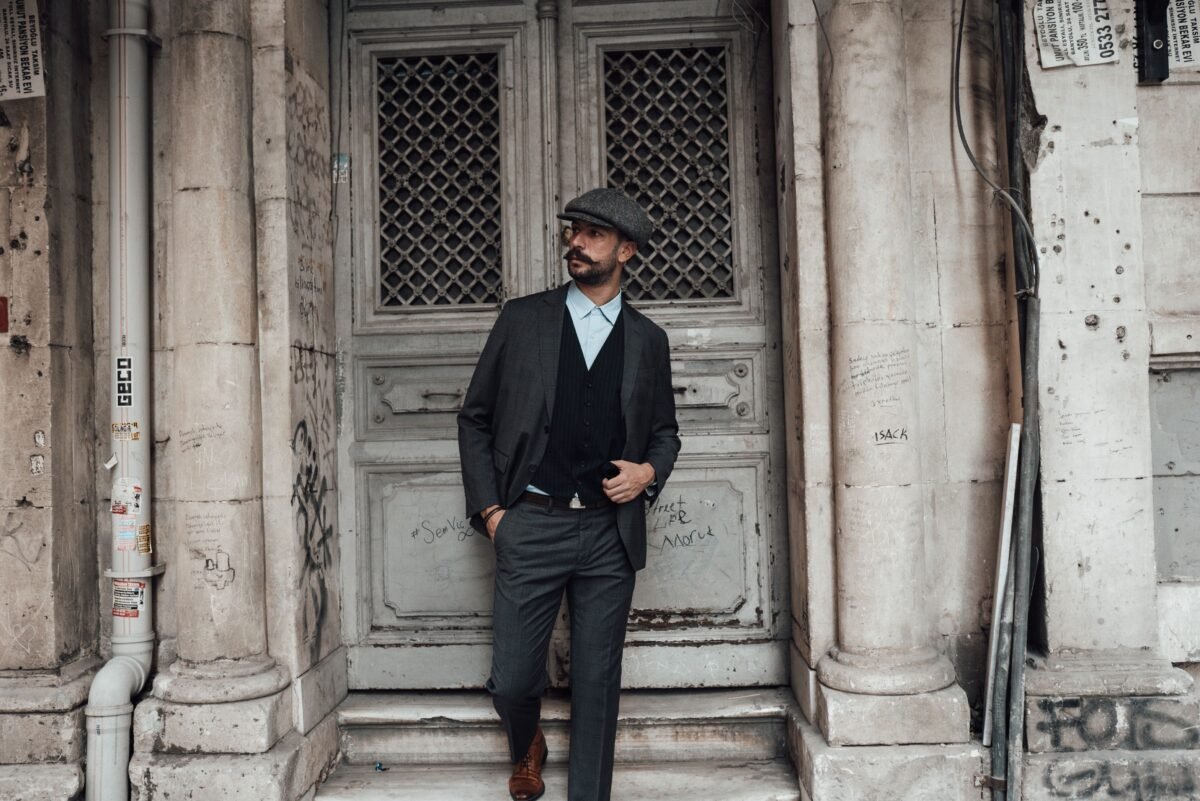
“Old money” originally describes families who have held wealth across generations, as opposed to “new money”, meaning people who recently became wealthy. As a fashion term, it means something much simpler: a way of dressing that looks established, comfortable and unforced.
The defining feature is restraint. old money style men An old money outfit does not try to impress a stranger in three seconds. It looks good because the jacket sits correctly on the shoulders, the fabric drapes well, the shoes are clean and the colours agree with each other. Nothing is shouting.
It helps to be clear about what the style is not:
- It is not about looking expensive. Many people read “old money” as “costly”, but the look depends far more on fit and condition than on price.
- It is not about looking old-fashioned. The goal is timeless, not dated. A well-cut navy blazer works in 2026 just as it did decades ago.
- It is not a personality or a social class. It is one aesthetic among many, and you can borrow from it without pretending to be anyone else.
- It is not a uniform. There is no single “correct” outfit, and anyone who says there is has not looked at how varied the real tradition is.
Where the Look Comes From
No single family, country or decade invented this style. old money style men It grew out of several overlapping traditions, which is why it can feel slightly different depending on who is describing it.
- British country and tailoring tradition. Tweed jackets, wool trousers, waxed outerwear and sturdy leather shoes were practical clothes for people who spent time outdoors and valued durability. They were meant to last and to be repaired, not replaced.
- American Ivy League and East Coast style. The Oxford button-down, the navy blazer, khaki chinos, penny loafers and the crew-neck sweater became associated with American university and club culture through the twentieth century.
- Southern European and Riviera leisure style. Linen shirts, light trousers, suede loafers and unstructured jackets suit warm coastal settings and add a more relaxed, summery branch to the same idea.
The common thread is clothing chosen for comfort, old money style men durability and context rather than display. If you want to go deeper, look at histories of menswear and the Ivy style in particular, and treat any article (including this one) that gives a single tidy origin story with some caution.
Old Money vs Quiet Luxury vs Preppy
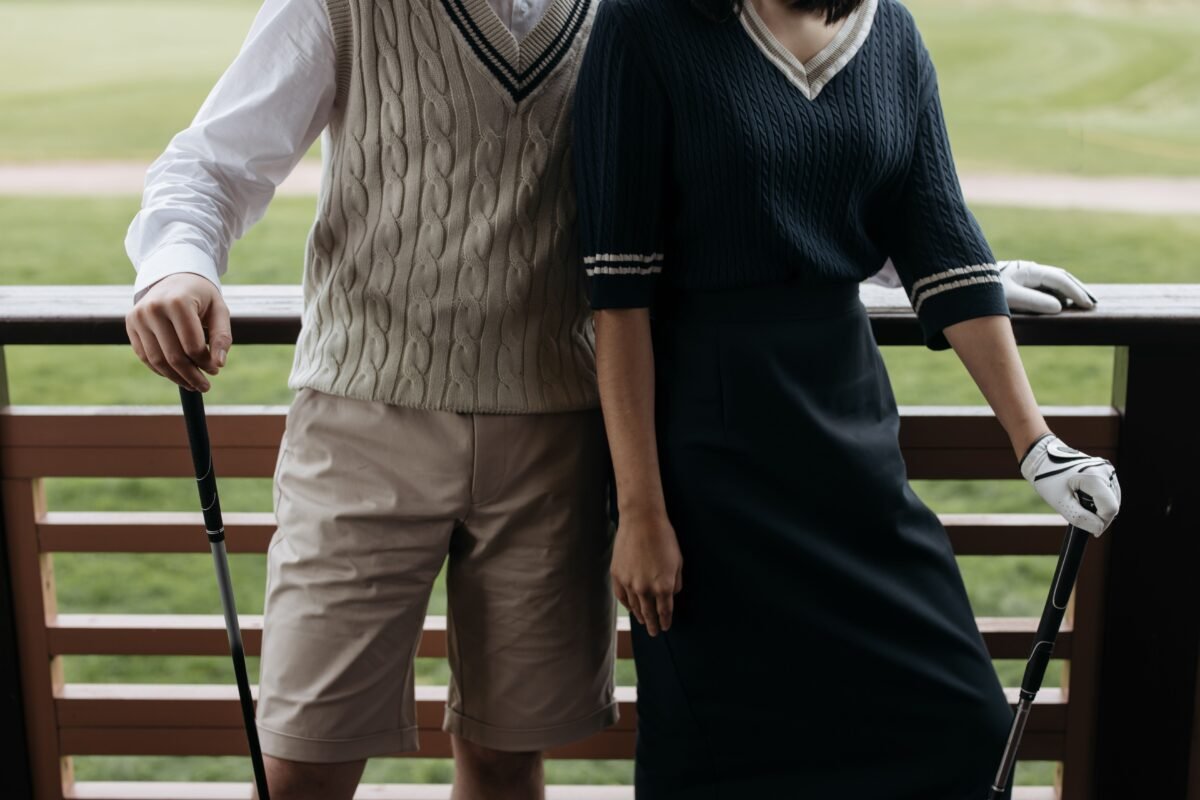
These three terms are constantly mixed up. old money style men They overlap, but they are not the same thing.
| Old money | Quiet luxury | Preppy | |
|---|---|---|---|
| Core idea | Classic, established, lived-in | Very high quality with no logos | Collegiate, polished, a little playful |
| Price level | Can be any, secondhand and mid-range work well | Usually high, premium fabrics and makers | Wide range |
| Typical pieces | Blazer, Oxford shirt, chinos, loafers, knitwear | Cashmere, fine wool, minimal tailoring | Rugby shirts, button-downs, boat shoes, bright accents |
| Colours | Muted and earthy | Neutral, often tonal | Brighter, more contrast, stripes and checks |
| Condition | Well cared for, slightly worn in is fine | Pristine | Neat and crisp |
| Main risk | Looking like a costume | Becoming expensive blandness | Looking too youthful or uniform-like |
In short: quiet luxury is defined by the quality and price of the item, preppy is defined by a collegiate attitude, old money style men and old money is defined by continuity, meaning clothes that look as though they have been chosen sensibly for years. In practice most men mix all three, and that is perfectly fine.
7 Principles of the Old Money Look
1. Fit first, labels last
Fit is the single biggest lever. A modest jacket that fits well looks better than an expensive one that does not.
Check these points on any jacket or shirt:
- Shoulders: the seam should end where your shoulder ends, not past it.
- Sleeves: a jacket sleeve should show about 1 to 1.5 cm (roughly half an inch) of shirt cuff.
- Collar: it should lie flat against your neck and not gap when you move.
- Trouser length: a slight break or no break at all, never pooling over the shoe.
- Chest and waist: you should be able to button a jacket without pulling or creasing in an X shape.
A local tailor can fix sleeve length, trouser hems, old money style men waist suppression and sometimes shoulders at a small fraction of the cost of buying new. This is the most cost-effective upgrade in menswear.
2. Fabric and quality signals
Saying “look for quality” is not useful unless you know what to look at. Here is a practical checklist you can use in a shop or when browsing secondhand.
| Signal | Good sign | Warning sign |
|---|---|---|
| Fabric content | Wool, cotton, linen, cashmere, silk | Mostly polyester or acrylic in tailoring and knitwear |
| Weight and drape | Fabric hangs smoothly and feels substantial | Thin, shiny or clingy fabric |
| Stitching | Even, tight and straight | Loose threads, wavy seams |
| Buttons | Secure, often horn, mother of pearl or good resin | Thin plastic that looks shiny or sharp-edged |
| Pattern matching | Stripes and checks line up at seams | Patterns clash at the pocket or sleeve |
| Knitwear | Dense, springs back when pinched | Thin, stretches and holds a shape when pulled |
| Shoes | Leather uppers, stitched soles, replaceable heels | Glued, plastic-looking soles and shiny coated finish |
Natural fibres are not automatically better, and a blend can be perfectly practical (for example wool with a little elastane for comfort). old money style men The point is that cheap synthetic fabric tends to look shiny, hold odour and pill quickly, which undermines the quiet look.
3. Restraint and no logos
Large logos, brand-all-over prints and loud hardware work against the style. old money style men The idea is that the quality should be noticed by people who look closely, not announced to everyone. If a piece has a small, discreet logo, that is fine. If the logo is the main design feature, it is not the right piece for this look.
4. A muted colour palette
Old money colours are soft, earthy and easy to combine. Use this palette as a starting point.
| Role | Colours | Use |
|---|---|---|
| Base | Navy, charcoal, mid grey, camel, brown | Jackets, trousers, coats, shoes |
| Secondary | Cream, ivory, white, light blue, stone | Shirts, knitwear, summer trousers |
| Accent | Olive, burgundy, forest green, rust, muted yellow | Sweaters, ties, scarves, socks |
Some simple rules help:
- Keep to three main colours in an outfit.
- Match your belt to your shoes, and your watch strap to one of them.
- If you have cool-toned skin, navy, grey and soft blue are easy. old money style men If your skin is warm-toned, camel, olive and cream often look especially natural. These are tendencies, not laws, so trust a mirror over a chart.
- What about black and jeans? This is genuinely debated. Black is rarer in the traditional palette because it can look harsh in daytime, but black leather shoes, black tie formalwear or a black overcoat in winter are all normal. Jeans are acceptable when they are dark, clean, plain and well fitted, and paired with a blazer or knitwear. Distressed, faded or heavily branded denim does not suit the look.
5. Condition and care
A large part of looking “old money” is simply looking well maintained. Clean shoes, ironed collars, old money style men no bobbling on the sweater and no loose buttons do more than any single expensive item. See the care section below for specifics.
6. Repeat wear, fewer pieces
The tradition favours a smaller wardrobe of clothes you wear often and look after. old money style men This is why a capsule approach works so well and why the style is naturally budget friendly once you stop chasing trends.
7. Dress for the context
The look is about suitability. A tweed jacket is wrong on a beach, linen is wrong in a snowy city, old money style men and a three-piece suit is wrong at a barbecue. Matching the occasion and weather is a better signal of taste than any item you wear.
Old Money Style Men’s Wardrobe Essentials
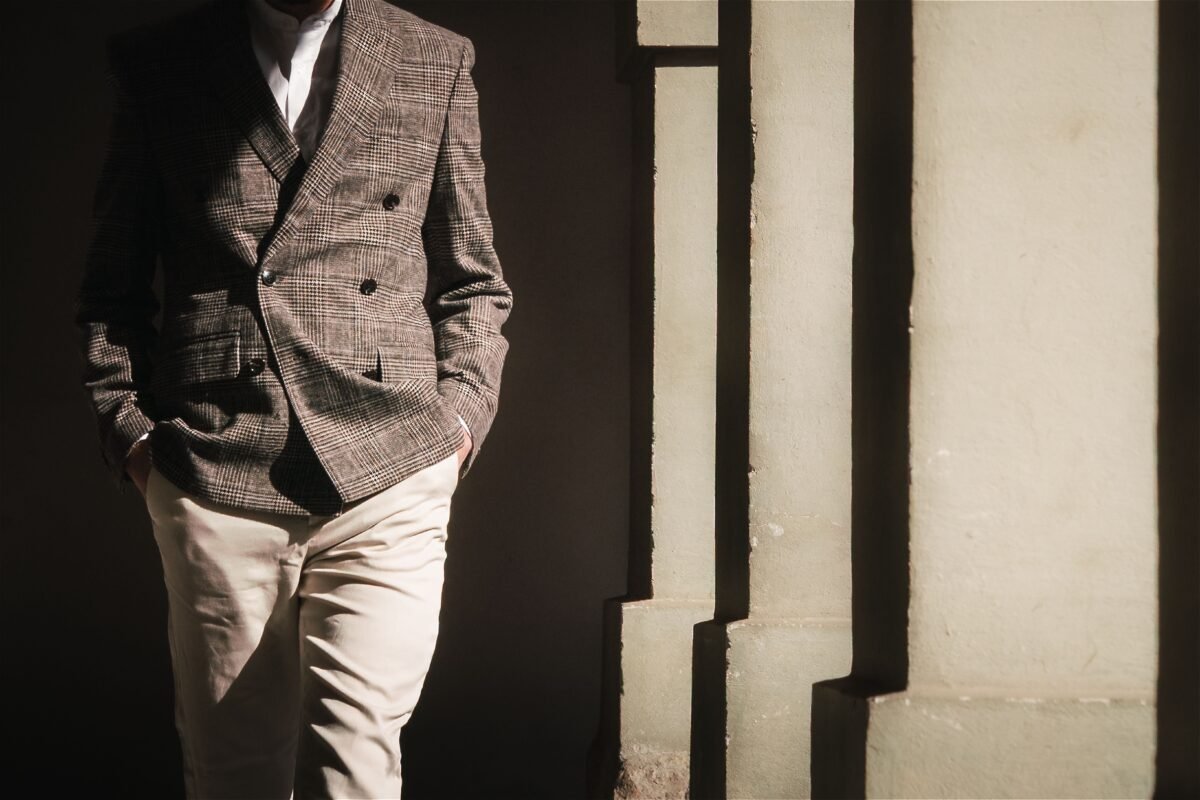
You do not need hundreds of pieces. Around 15 to 20 versatile items can produce dozens of outfits. Here is a capsule checklist, with guidance on where to spend and where to save.
| Item | Best colours | Why it matters | Spend or save? |
|---|---|---|---|
| Navy blazer | Navy | The most versatile jacket you can own | Spend, and tailor it |
| Sport coat or tweed jacket | Grey, brown, olive | Adds texture for cooler months | Spend or find secondhand |
| Oxford button-down shirts (x3) | White, light blue, subtle stripe | Works dressed up or down | Mid-range is fine |
| Dress shirts (x2) | White, pale blue | For formal or office use | Mid-range |
| Knit polo shirts (x2) | Navy, cream | Smart casual in warm weather | Mid-range |
| Fine-gauge sweaters (x3) | Navy, grey, cream | Layering under a blazer | Spend on wool or cashmere |
| Crew-neck sweater | Camel, forest green | Casual weekends | Mid-range |
| Chinos (x2) | Stone, navy, olive | Everyday trousers | Mid-range, tailor the hem |
| Wool trousers (x2) | Grey, charcoal | Office and evening | Spend, and tailor |
| Dark denim (x1) | Dark indigo | Relaxed days | Save |
| Leather loafers | Brown, dark brown | The signature shoe | Spend, and resole |
| Oxford or derby shoes | Dark brown, black | Formal and business | Spend |
| Suede or casual shoes | Tan, brown | Weekends | Mid-range |
| Overcoat | Camel, navy, charcoal | Winter staple | Spend, buy secondhand if needed |
| Leather belt | Brown, black | Matches shoes | Save to mid-range |
| Simple watch | Steel or gold with leather strap | Discreet accessory | Wide range |
| Plain tees and underwear | White, grey, navy | Foundation | Save |
A simple rule of three for building outfits: pick up to three colours, up to three textures (for example smooth cotton, ribbed wool and suede) and keep three levels of formality close together, old money style men such as a blazer, an open-collar shirt and loafers rather than a tuxedo jacket with sports sandals. It is a handy shorthand, not an official rule.
Old Money Outfits for Every Situation
Use these formulas as starting points and adapt them to your own taste.
Casual weekend Cream or navy knit polo, stone chinos, brown suede loafers, a leather-strap watch.
Smart casual or dinner Navy blazer, white Oxford shirt (collar open), grey wool trousers, brown loafers or derbies.
Office or business Grey or navy suit in plain wool, light blue shirt, a knitted or silk tie in a muted colour, dark brown Oxfords, simple belt.
Evening or formal event Dark navy or charcoal suit, white shirt, plain dark tie, black Oxfords. For black tie, a classic black dinner jacket and bow tie is the traditional choice.
Wedding guest Mid-grey or navy suit, light shirt, a subtle tie and a pocket square in a quieter colour. Check the dress code and avoid outshining the groom.
Travel Unstructured navy blazer, cotton shirt, fine-gauge sweater to layer, old money style men stretch chinos and comfortable leather shoes. Pick wrinkle-resistant fabrics.
Relaxed countryside Quilted or waxed jacket, wool sweater, corduroy or moleskin trousers, sturdy boots.
Old Money Summer and Winter Outfits
Summer
Focus on breathable fabrics and lighter colours:
- Linen or cotton shirts in white, light blue or sand
- Knit polos in lightweight cotton
- Light chinos or linen trousers in stone, sand or soft olive
- Unstructured cotton or linen blazer in navy or beige
- Loafers, suede or canvas shoes, sometimes without socks (see the note below on this)
Linen wrinkles. Accept that. old money style men A slightly rumpled linen shirt looks relaxed, but one with deep, unironed creases does not look intentional.
Winter
Think layers and texture:
- Wool or cashmere sweaters under a tweed or flannel jacket
- A camel, navy or charcoal overcoat
- Flannel or heavier wool trousers
- A plain wool or cashmere scarf
- Leather boots or heavy brogues, with leather-soled shoes saved for dry days
Dressing for hot and humid climates
Most guides assume a European or American climate. If you live somewhere hot and humid, such as South Asia, the Gulf, Southeast Asia or parts of Africa and Latin America, old money style men the principles still apply. You just change the materials and proportions.
- Fabrics: cotton, linen, linen-cotton blends, light wool such as tropical wool or fresco weave, and seersucker. Avoid heavy flannel and thick knitwear.
- Cut: a slightly looser fit and unlined or half-lined jackets. Fit should still be clean, just not tight.
- Colours: lighter shades such as sand, cream, light grey and pale blue reflect heat better. Dark navy is fine for evenings.
- Layering: choose a blazer only when you need it, and take it off indoors if appropriate. Short-sleeve knit polos and camp-collar shirts are good options.
- Footwear: suede loafers, leather sandals in formal-casual settings, and leather shoes with breathable linings.
- Practical tip: carry a spare shirt or undershirt if you commute in heat. Looking composed matters more than wearing a jacket.
In very hot weather, old money style men the old money principle of dressing sensibly for the context actually argues for lighter clothes, not for forcing a heavy tweed look.
Clothing Terms: UK vs US
Because readers come from many countries, here are common terms that differ.
| UK | US | Notes |
|---|---|---|
| Trousers | Pants | “Pants” in the UK usually means underwear |
| Jumper | Sweater | Same item |
| Waistcoat | Vest | Part of a three-piece suit |
| Trainers | Sneakers | Rarely part of the look |
| Braces | Suspenders | |
| Dinner jacket | Tuxedo | Black tie |
| Polo neck | Turtleneck | |
| Plimsolls | Canvas sneakers |
Sizing note: jacket sizes differ between regions (a UK or US 40 is roughly a European 50), shirt collars are measured in inches or centimetres, old money style men and trouser sizes may be waist-and-leg or a single number. Measure yourself in both centimetres and inches and check each brand’s size chart instead of relying on your usual size.
Shoes, Watches and Accessories
Shoes
Loafers are the signature shoe. Dark brown leather loafers work with almost everything from chinos to a suit in relaxed settings. Add Oxfords or derbies for formal wear, suede shoes for weekends and boots for winter.
Keep shoes clean, polished and on shoe trees when you can. Resoling a good pair is cheaper than replacing it.
Socks: matching your trouser colour or choosing subtle patterns works well. No-show socks with loafers are common in warm weather, though some prefer socks in all settings. old money style men It is a personal choice, as long as the shoe is in good condition.
Watches
A simple, slim watch with a plain dial on a leather strap or a metal bracelet fits best. It does not have to be a famous or expensive brand. old money style men A clean dial, small case size (roughly 34 to 40 mm) and a classic shape are more important than the name on it.
Belts, sunglasses, scarves and bags
- Belts: plain leather, a simple buckle, matched to your shoes.
- Sunglasses: classic shapes like round or wayfarer-style frames in tortoiseshell or black. Avoid large logos.
- Scarves: wool or cashmere in winter, a light cotton or silk scarf occasionally in spring.
- Bags: a leather briefcase, a canvas and leather tote or a weekender in simple colours.
- Jewellery: minimal. A watch and perhaps a signet ring or a plain wedding band is enough.
A simple accessories rule: wear one or two statement-free pieces and stop there. If you are wearing a pocket square, a scarf, a signet ring, a bracelet and driving gloves at once, you have moved from classic to costume.
Grooming Basics
Grooming should look tidy rather than styled.
- Hair: a classic haircut such as a side part, short back and sides, or a neat tapered cut. Keep it clean and trimmed regularly, every 3 to 5 weeks for most styles. Avoid heavy gel or very sharp fades if you want a softer look.
- Beard: either clean-shaven or a short, well-kept beard. Define the neckline and cheek lines.
- Skin: a basic routine of cleanser, moisturiser and daily sunscreen is enough. See a dermatologist for specific skin concerns.
- Scent: one light fragrance, applied sparingly. Fresh, woody or citrus scents tend to suit the look better than very sweet ones.
- Nails and teeth: clean, trimmed nails and good oral hygiene are part of the polished impression.
How to Dress Old Money on a Budget
You can achieve this look without a large wardrobe budget. The key is to spend where it counts and be patient.
1. Think in cost per wear. A 150-unit blazer worn 100 times costs 1.50 per wear, while a cheap trendy jacket worn five times costs much more per wear.
2. Prioritise this order:
| Priority | What to buy | Budget approach |
|---|---|---|
| 1 | Tailoring | Alter pieces you already own |
| 2 | Shoes | Buy one good pair and resole it |
| 3 | Outerwear | Look for a good blazer or coat secondhand |
| 4 | Knitwear | Wool or cotton sweaters, watch for sales |
| 5 | Shirts and trousers | Mid-range basics in classic colours |
| 6 | Accessories | Simple belts and watches |
3. Shop secondhand. Charity shops, vintage stores and online resale platforms often carry wool jackets and leather shoes at a fraction of retail price. old money style men Check the fabric label, inspect seams and armpits, and have it tailored.
4. Avoid fast-fashion imitations of luxury items. A cheap, shiny copy of a luxury look defeats the point. Plain, simple, well-fitted basics work better.
5. Build slowly. Buy one piece at a time. Start with a navy blazer, two Oxford shirts, a pair of chinos and one pair of loafers, and expand from there.
6. Learn basic upkeep. Sewing on a button, using a fabric shaver on knitwear and polishing shoes cost almost nothing and extend the life of your clothes.
Prices vary widely by country, so use the cost-per-wear idea and price bands rather than fixed numbers. The principle holds in any currency.
Common Mistakes That Look Like a Costume
- Wearing everything at once. Crests, a cravat, driving gloves and a signet ring together look theatrical.
- Copying a character instead of dressing for yourself. Take the principles, not the exact outfit.
- Too much logo or visible branding.
- Poor fit hidden by expensive fabric. A baggy designer jacket still looks wrong.
- Dressing for the wrong climate. Heavy tweed in humid heat is uncomfortable and looks forced.
- Ignoring condition. Scuffed shoes, a wrinkled collar or pilled knitwear break the effect.
- Mixing too many colours or patterns. Two patterns at most, and in different scales.
- Matching formality badly. Smart jacket with athletic shoes or sports shorts is a clash, not a style.
- Treating it as a class performance. The look should feel natural, not like role-play of a social group.
How to Care for Your Clothes
Looking established means looking cared for. Here is a short guide.
- Knitwear: wash wool and cashmere gently by hand or on a wool cycle, using a mild detergent, and dry flat. Do not hang knitwear while wet. Remove pilling with a fabric comb or shaver. Fold rather than hang.
- Linen: wash cool, remove while slightly damp and iron on a high setting with steam. Accept some natural creasing.
- Cotton shirts: wash at suitable temperatures, iron collars and cuffs, and use collar stays.
- Wool tailoring: brush after wearing, air it out, steam out wrinkles and dry clean only when really needed because it wears fibres down.
- Leather shoes: wipe after wear, use shoe trees, rotate pairs so each rests a day, and condition and polish regularly.
- Suede: brush with a suede brush, use a protective spray and avoid wet weather. Treat stains early with a suede eraser.
- Storage: use wide wooden hangers for jackets, fold knitwear and keep clothes in a dry, ventilated space with cedar or lavender if you like.
Frequently Asked Questions
What is old money style for men?
It is a quiet, classic way of dressing based on good fit, natural fabrics, muted colours and a lack of visible logos. It focuses on timeless pieces like blazers, Oxford shirts, knitwear, chinos and loafers.
How do you dress old money on a budget?
Buy fewer, better basics, prioritise tailoring and shoes, shop secondhand, and look after what you own. Cost per wear matters more than the price tag.
What colours are old money?
Navy, grey, camel, brown, cream, white, olive and muted burgundy are the core colours. Keep to about three colours per outfit.
Is old money the same as quiet luxury?
No. They overlap, but quiet luxury emphasises very high-end quality with no logos, while old money emphasises continuity and classic, well-kept clothing at any price level.
What shoes and watches go with old money style?
Brown leather loafers, Oxfords, derbies and suede shoes. A slim, plain-dial watch on a leather strap or a simple metal bracelet works well.
Can you wear jeans or black with old money style?
Yes, with care. Dark, plain, well-fitted jeans can work with a blazer or knitwear. Black is common in formal shoes, black tie and winter coats, but is less common as an everyday base colour.
How do you look old money in hot weather?
Choose linen, cotton and light wool, lighter colours, slightly looser cuts and unlined jackets. Keep the fit clean and the colours muted.
What is the difference between old money and new money style?
Old money style is generally understated and focuses on fit, fabric and longevity. New money style, as the term is used in fashion, is often associated with visible logos and trend-driven pieces. Both are stereotypes, so treat them as loose labels rather than facts about people.
How many pieces do I need to start?
About 15 to 20 well-chosen pieces are enough to create a wide range of outfits. Start with a navy blazer, two Oxford shirts, chinos and loafers.
Do I need expensive brands?
No. Brand names matter much less than fit, fabric and condition. A well-tailored mid-range jacket looks better than an ill-fitting designer one.
Final Throught
Old money style for men is not about money, status or copying a character. It is a practical approach to dressing: choose clothes that fit properly, use good fabrics, stay within a calm colour palette, skip the logos and take care of what you own. Start with one great navy blazer, a few Oxford shirts, well-fitting chinos and a solid pair of loafers. Add pieces slowly, tailor them, and adapt the formulas to your climate and your own taste. If it feels comfortable and looks effortless, you have understood the style.