What Is Boho Style? The Best Complete Guide to Bohemian Fashion (History, Colors, Outfits)


What is boho style? Boho style, short for bohemian style, is a relaxed, creative way of dressing built on flowing silhouettes, natural fabrics, earthy colors, mixed patterns and handmade details. It grew out of the artistic bohemian lifestyle of 19th-century Europe and was shaped by 1960s and 1970s counterculture. At its heart, it values personal expression over fashion rules.
If you have ever seen a flowy maxi dress, a crochet top, layered necklaces and a wide-brim hat and thought “that looks like boho,” you were right. But boho is more than a list of clothes. what is boho style It is a mood, a history and a set of design habits that you can adapt to any body, budget, age and climate.
This guide explains what boho style really means, where it came from (including the common myths), how to recognize it, and how to wear it without looking like you are in costume. what is boho style It covers women, men and unisex looks, every season, hot and cold climates, and affordable and sustainable ways to build a boho wardrobe.
What Is Boho Style? The Simple Definition
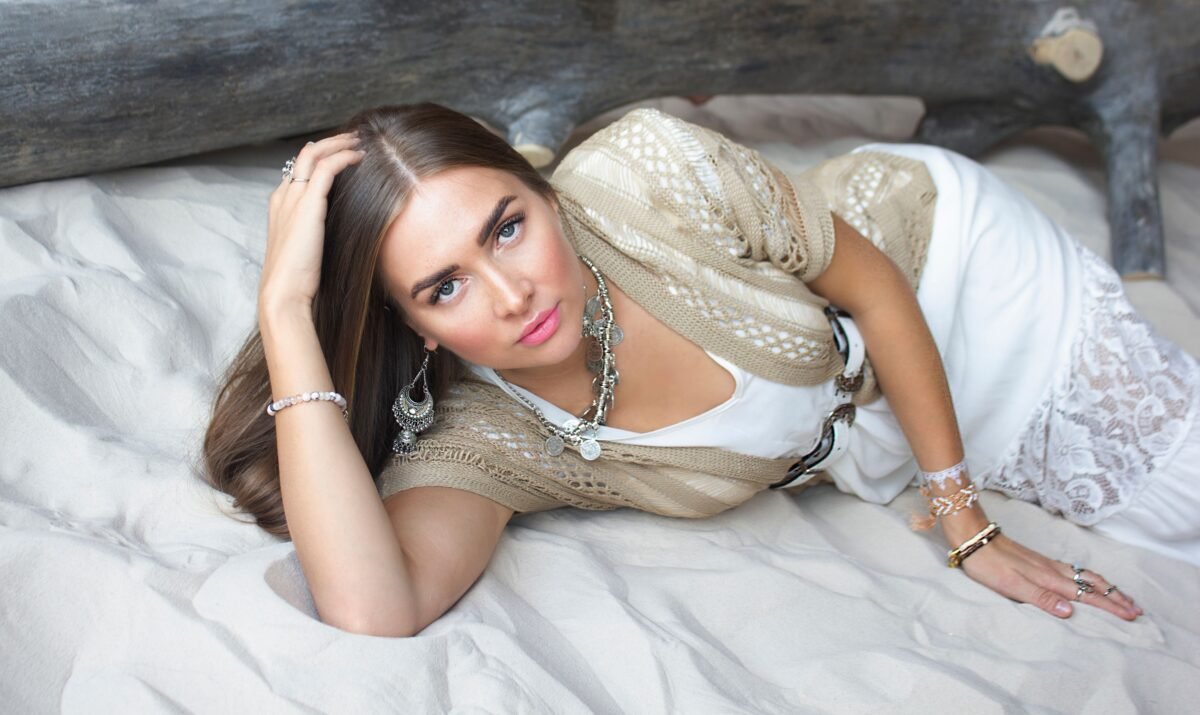
Boho style is a fashion aesthetic that celebrates individuality, creativity and comfort. Instead of a strict uniform, it offers a toolkit: loose and flowing shapes, layered textures, natural materials, what is boho style warm earthy colors, nature-inspired and folk-inspired prints, and handcrafted or vintage details.
Three ideas sit underneath almost every boho outfit:
- Freedom: Clothes should move with you. Structure, stiffness and tight tailoring are not the point.
- Craft: Embroidery, crochet, block printing, fringe, macramé and hand-dyeing are valued because a human made them.
- Eclecticism: Boho mixes eras, cultures and patterns on purpose. The look should feel collected over time, not bought in one trip.
That is why it is hard to say that boho has “rules.” What is boho style, what is boho style then? It is less a dress code and more a way of putting things together so that your clothes tell a personal story.
Boho vs Bohemian: What Is the Difference?
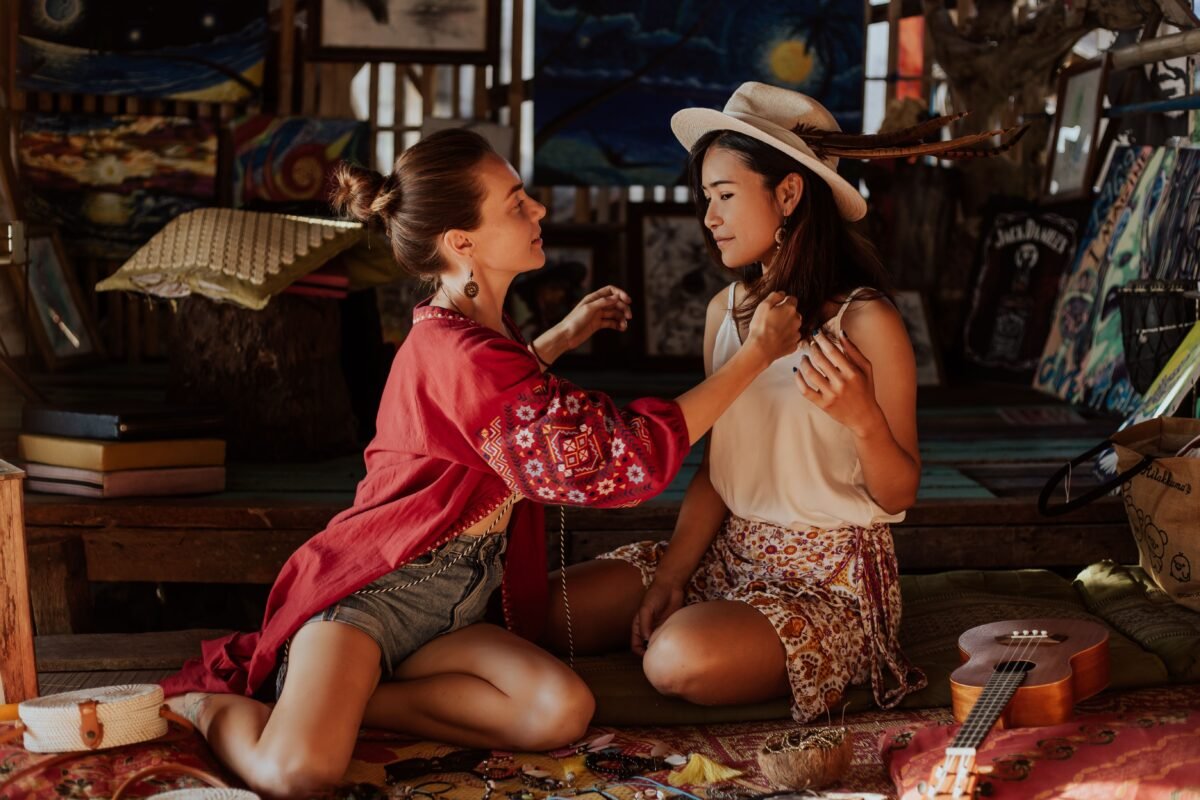
The two words are closely linked, but they are not exactly the same.
| Term | Meaning | Where you see it |
|---|---|---|
| Bohemian | The original word. Describes an unconventional, artistic lifestyle and, by extension, the clothing associated with it. | Art history, literature, fashion history |
| Boho | A shortened, informal version that became common in fashion in the early 2000s. Usually refers to the clothing aesthetic. | Shopping, social media, style guides |
| Boho chic | A more polished, often higher-priced take on boho, with cleaner silhouettes and finer materials. | Designer collections, “elevated” wardrobes |
In everyday use, “boho style,” “bohemian style” and “boho fashion” mean the same thing. what is boho style Boho chic simply signals that the look has been refined.
Where Does Boho Style Come From? A Short History
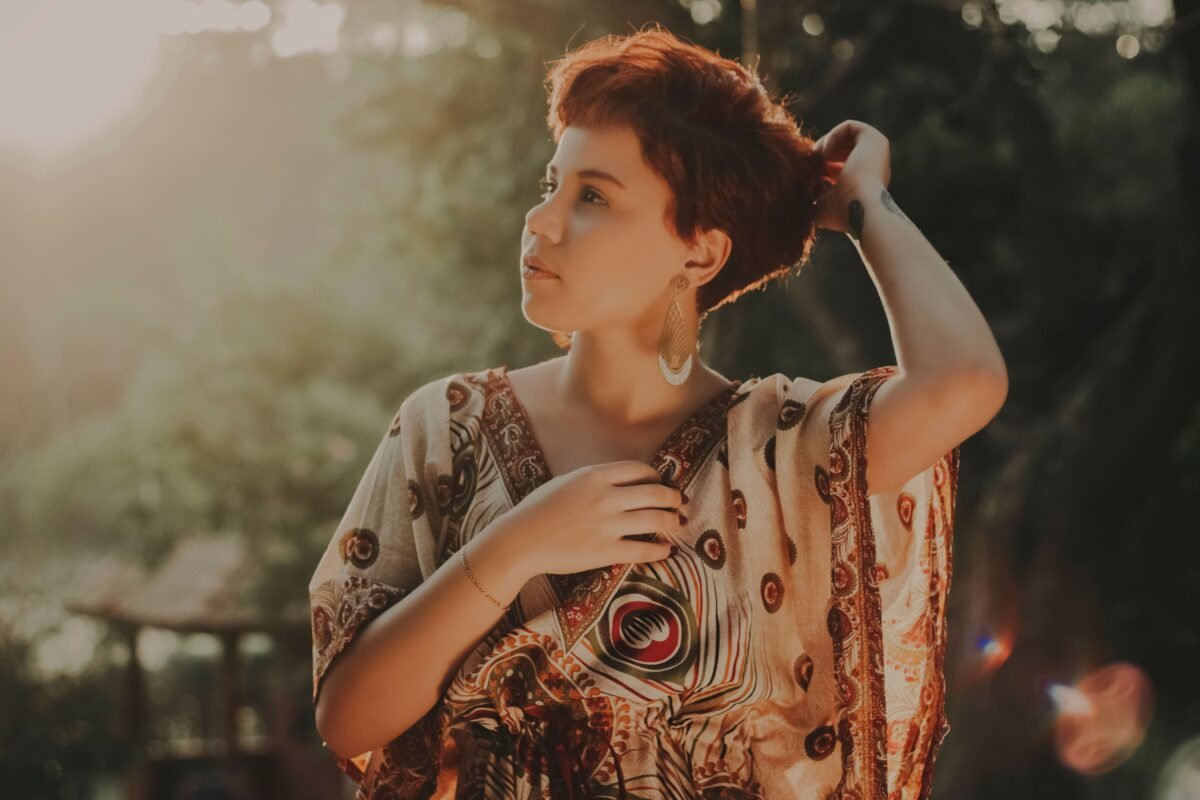
Boho has a layered history, and some of the most repeated stories about it are only half true. Here is a clear version.
The word “bohemian”
In French, bohémien was used for Romani people, because many Europeans wrongly believed they had come from the region of Bohemia (today part of the Czech Republic). By the 19th century, Paris artists, writers and musicians who lived outside middle-class norms, often with little money, what is boho style were nicknamed “bohemians.” The label was a misunderstanding: those artists had little to do with the actual region of Bohemia, and the link to Romani culture was largely a stereotype. The idea was made famous by Henri Murger’s stories of Parisian artist life in the 1840s, later adapted into the opera La bohème by Puccini.
Artistic dress and dress reform
In the second half of the 1800s, artists and designers in Britain and Europe, linked to the Aesthetic and Arts and Crafts movements, promoted looser “artistic dress” as an alternative to corsets and heavy structure. Flowing gowns, rich colors and hand-embroidered details were early cousins of what we now call boho.
Early 1900s: freer silhouettes
Designers such as Paul Poiret helped move fashion away from tight corsetry and toward looser, what is boho style tunic-like and kimono-inspired shapes, influenced by global travel and interest in non-Western clothing. These ideas opened the door for more fluid clothing.
The 1960s and 1970s: the defining era
The look most people picture today took shape during the counterculture of the 1960s and 1970s. Young people embraced vintage and secondhand clothing, what is boho style handmade pieces, embroidery, flared trousers, fringe, beads and natural fabrics. For many, this was a statement against mass production and consumerism. Music festivals such as Woodstock in 1969 helped fix this image in the public mind.
The early 2000s: boho chic
Around 2002 to 2006, boho returned as “boho chic,” popularized by celebrities, street style and designers such as Chloé. Think peasant blouses, long maxi skirts, wide belts, slouchy boots and layered jewelry. The look was relaxed but expensive, and it gave the word “boho” its modern fashion meaning.
The 2010s: festival fashion
Big music festivals such as Coachella pushed boho into a commercial “festival style,” with crochet tops, fringe, flower crowns and denim shorts.
The 2020s: a softer, more refined revival
Fashion media have described several boho revivals in recent years. Luxury houses, including Chloé under Chemena Kamali from 2024, what is boho style brought back flowing dresses, wide sleeves, lace and natural tones in a more tailored, less costume-like form. Because boho is a cycle and not a one-season trend, it keeps returning in new versions.
Boho style timeline
| Period | What happened | Key look |
|---|---|---|
| 1840s | Murger’s Parisian stories popularize the “bohemian” artist image | Shabby-chic artistic dress |
| Late 1800s | Aesthetic and Arts and Crafts movements promote artistic dress | Loose gowns, rich colors, embroidery |
| Early 1900s | Poiret and others loosen silhouettes | Tunics, kimono sleeves |
| 1960s to 1970s | Counterculture and festival era | Fringe, flares, beads, vintage and handmade |
| Early 2000s | “Boho chic” goes mainstream | Peasant tops, maxi skirts, belts, layers |
| 2010s | Festival fashion | Crochet, fringe, flower crowns |
| 2020s | Refined revival on runways and streets | Flowy, tailored, natural tones |
Key Characteristics of Boho Style
If you want to recognize boho style quickly, look for these features:
- Loose, flowing silhouettes: maxi dresses, wide sleeves, tiered skirts, kaftans, tunics.
- Layering: a vest over a blouse, a kimono over a dress, several necklaces at once. Layers add depth and make boho easy to adapt to the weather.
- Natural and tactile materials: cotton, linen, suede, crochet, lace, wool.
- Earthy colors with bright accents: rust, olive and cream, with pops of turquoise or mustard.
- Mixed patterns: paisley with floral, stripes with block print, often within one outfit.
- Handmade details: embroidery, fringe, tassels, macramé, patchwork, beading.
- Cultural and vintage references: from 1970s flares to folk blouses and global textiles.
- A relaxed attitude: hair, makeup and styling look lived-in, not rigid.
Boho Style Colors and Color Combinations
Boho colors usually come from nature: soil, plants, sun, sand and sky.
| Color family | Shades | Works well with |
|---|---|---|
| Earth tones | Terracotta, rust, burnt orange, camel, chocolate brown, sand | Cream, olive, denim |
| Greens | Olive, sage, moss, forest | Mustard, brown, ivory |
| Warm accents | Mustard, honey, gold, saffron | Deep blue, brown, white |
| Neutrals | Cream, ivory, beige, off-white, taupe | Everything; a good base |
| Jewel tones | Burgundy, plum, teal, sapphire, turquoise | Gold jewelry, cream, rust |
| Soft pastels | Dusty pink, lavender, sky blue | Neutrals, sage, tan |
Simple color formula: pick two or three base colors (for example cream, brown and olive) and add one accent (such as turquoise or mustard). what is boho style Mixing patterns is easier when they share at least one color.
Boho prints and patterns
- Paisley: a teardrop motif with roots in South and Central Asia, popular in 1960s and 1970s style.
- Florals: small ditsy florals and large painterly blooms.
- Block print: hand-stamped patterns, traditionally associated with India.
- Ikat: blurred, geometric patterns created by dyeing threads before weaving, found in many parts of Asia.
- Tribal-inspired and geometric prints: use these with care and respect; see the note on cultural appreciation below.
- Tie-dye, batik and patchwork: playful and handmade in feeling.
Boho Fabrics and Textures
Fabric matters as much as shape in boho style. Look for materials that drape, breathe and show texture.
- Cotton and cotton gauze: light, breathable, ideal for hot weather.
- Linen: relaxed, a little wrinkled by design.
- Crochet and macramé: the signature handmade textures.
- Lace and broderie anglaise: romantic detail.
- Suede and leather: for bags, boots, belts, fringe and jackets.
- Silk, viscose and chiffon: fluid, flowy dresses and blouses.
- Wool, chunky knits and corduroy: for cooler seasons.
- Denim: especially flared, patched or embroidered.
Boho Clothing Essentials (Women, Men and Unisex)
You do not need a new wardrobe. A few key pieces are enough to start.
For women
- Maxi or midi dress with a soft print or tiered skirt
- Peasant or embroidered blouse
- Flowy maxi skirt
- Wide-leg trousers or flared jeans
- Crochet or knit cardigan
- Kimono, poncho or long vest
- Denim jacket or suede jacket
For men
Boho is often marketed to women, but it works well for men too, with relaxed shapes and natural textures.
- Linen or cotton shirts with an open collar
- Tunic-style kurtas or loose overshirts
- Loose or wide-leg trousers, or washed denim
- Vintage waistcoats and suede or leather jackets
- Knit cardigans and chunky sweaters
- Leather sandals, boots, or canvas shoes
- Leather bracelets, beaded necklaces, scarves, felt hats
Unisex and gender-neutral looks
The boho emphasis on loose shapes, earthy colors and handmade textures makes it naturally easy to share between genders. Oversized shirts, what is boho style kimono jackets, wide trousers and woven bags work for anyone.
A boho capsule wardrobe checklist
| Category | Pieces to start with |
|---|---|
| Tops | 2 blouses, 1 crochet or knit top, 1 plain tee |
| Bottoms | 1 maxi skirt, 1 pair flared or wide-leg trousers, 1 pair denim |
| Dresses | 1 maxi dress, 1 shorter dress |
| Layers | 1 kimono or vest, 1 cardigan, 1 jacket |
| Shoes | Sandals, ankle boots, one flat or sneaker |
| Accessories | 1 hat, 1 bag, layered necklaces, a scarf |
Boho Accessories, Jewelry and Shoes
Accessories are where boho becomes personal.
- Jewelry: layered necklaces, stacked bangles, large earrings, rings with stones, beaded or shell pieces.
- Hats: wide-brim felt or straw hats, bandanas, headscarves.
- Bags: fringed shoulder bags, woven baskets, soft leather or suede bags.
- Belts: wide leather belts, woven or braided belts.
- Scarves: tasseled, printed or lightweight silk scarves.
- Sunglasses: oversized or round frames.
- Shoes: flat leather sandals, espadrilles, ankle boots, cowboy boots, slouchy boots, clogs, moccasins.
Tip: let one accessory be the star. If you wear a bold necklace, keep earrings simpler.
Boho vs Hippie vs Cottagecore vs Gypsy Style
These terms often get mixed up. Here is how they differ.
| Style | Main idea | Look | Key difference from boho |
|---|---|---|---|
| Boho | Creative, eclectic, relaxed | Flowy, layered, earthy, mixed prints | The broad umbrella |
| Hippie | 1960s and 1970s counterculture and peace movement | Tie-dye, bright colors, bell-bottoms, headbands, beads | More colorful, more political and tied to a specific era |
| Cottagecore | Romanticized rural life | Puff sleeves, gingham, prairie dresses, soft florals | More cozy and pastoral, less global and layered |
| Boho chic | Polished boho | Clean lines, finer fabrics, subtle details | More refined and sometimes more expensive |
| Folk or ethnic-inspired | Traditional regional clothing | Embroidered blouses, woven textiles, artisan prints | Rooted in specific cultures |
| Gypsy style (older term) | Historic fashion label | Layered skirts, scarves, bold jewelry | Many consider the word offensive; see note below |
A note on the word “gypsy”: The term was widely used in fashion for decades, what is boho style but many Romani people consider it a slur and a stereotype. Using “boho” or “bohemian” instead is more respectful and more accurate.
Types of Boho Style: Classic, Modern, Minimalist and Dark
Boho is not one look. It has several branches, so you can pick the one that suits your taste.
| Type | Features | Best for |
|---|---|---|
| Classic boho | Fringe, crochet, paisley, suede, 1970s shapes | People who love the vintage feel |
| Modern boho | Clean cuts mixed with flowy pieces, fewer patterns | Everyday and office-friendly wear |
| Minimalist boho | Neutral palette, natural fabrics, simple shapes | Those who prefer a quiet, calm look |
| Dark boho | Black, deep reds, plum, lace, velvet, silver jewelry | Evening and a moodier style |
| Festival boho | Bold prints, crochet, fringe, bright accessories | Music festivals, beach trips |
| Boho romantic | Lace, ruffles, soft florals, pastel shades | Weddings, garden parties |
How to Dress Boho: A Simple 5-Step Formula
- Start with one hero piece. Choose a dress, skirt, blouse or jacket with a boho feature, such as embroidery, flowy sleeves or a print.
- Balance volume. If the top is loose, pair it with something more fitted, or the other way around. This keeps the look from feeling shapeless.
- Layer with texture. Add a vest, kimono, scarf or knit. Mix at least two textures, such as suede and crochet.
- Pick a color plan. Use two or three base colors plus one accent. Repeat one color in the accessories.
- Finish with one or two accessories. A hat, a woven bag, a necklace stack. Then stop. Boho is eclectic, but the best outfits still have one clear focus.
Example outfit: cream linen blouse, rust-colored wide-leg trousers, suede ankle boots, layered gold necklaces, a woven shoulder bag.
Boho style for different bodies and ages
Boho is one of the most forgiving styles because it relies on drape and layers rather than fitted tailoring.
- Plus-size: choose fabrics with good drape (viscose, soft cotton), define the waist with a belt, and use V-necks or wrap shapes. Long cardigans and kimonos work well.
- Petite: avoid very long layers; try midi lengths, high waists and shorter jackets.
- Tall: maxi dresses, wide-leg trousers and long vests look especially good.
- Over 40, 50 or 60: keep the quality of fabrics high, choose fewer but better accessories, and balance loose pieces with a more structured one, such as a tailored jacket.
- Young or teen: experiment with prints, thrifted jackets and playful accessories.
Boho Style for Every Season and Climate
Boho works across seasons because layering lets you adjust to the weather.
| Season | What to wear | Fabrics and colors |
|---|---|---|
| Spring | Floral maxi dress, light cardigan, denim jacket, ankle boots | Cotton, light knits; soft greens, dusty pink |
| Summer | Sleeveless maxi, linen shirt, crochet top, shorts, sandals, sun hat | Gauze, linen; cream, turquoise, sand |
| Autumn | Midi dress with boots, long cardigan, poncho, corduroy trousers | Wool, suede, corduroy; rust, mustard, olive |
| Winter | Chunky knits, long coat, scarves, layered dress over trousers, lined boots | Wool, faux fur, velvet; burgundy, brown, deep green |
Boho in hot and humid climates
If you live somewhere with heat and humidity, boho is a natural fit because its loose, breathable pieces are practical.
- Choose cotton, linen and gauze; avoid heavy synthetics.
- Pick wide sleeves and loose trousers for airflow.
- Light colors reflect heat; earthy tones still work in thinner fabrics.
- Wear a wide-brim hat or lightweight scarf for sun protection.
- Skip heavy layers; use a thin kimono or shawl that you can carry.
Boho in cold climates
- Layer thin fabrics under chunky knits and long coats.
- Use wool tights, lined boots and thick scarves.
- Keep the boho feeling with texture, fringe and earthy colors.
Boho in modest dress codes
Boho’s long, loose shapes suit modest dressing well. Maxi dresses, long skirts, tunics over wide trousers, long cardigans and scarves can create full coverage without losing the style.
Boho Outfits for Work, Weddings and Festivals
- Work: choose a modern or minimalist boho look. A wrap dress, a neat blouse with wide-leg trousers, or a linen shirt with a tailored blazer. Keep accessories simple.
- Weddings (as a guest): a flowing midi or maxi dress in a soft print or earthy color, delicate jewelry and strappy sandals. Avoid white or cream if the couple wants those colors reserved for the bride.
- Boho weddings (as a bride or groom): lace, crochet, floral details, relaxed tailoring for the groom, flower crowns or loose hair.
- Festivals and beach days: crochet tops, kaftans, denim shorts, comfortable boots or sandals, a crossbody bag, sunglasses.
- Everyday casual: wide jeans or flared jeans with a embroidered blouse, a long cardigan and flat shoes.
Boho Style on a Budget (Thrift and Sustainable Tips)
Boho began as a rejection of mass-produced fashion, so it fits secondhand and sustainable shopping naturally.
- Shop secondhand first: vintage markets, thrift stores and online resale sites are full of suede jackets, lace blouses, silk scarves and flared denim.
- Choose quality over quantity: a few well-made pieces in natural fabrics last longer than many cheap ones.
- Support artisans: look for handmade embroidery, block-printed fabrics and woven bags from makers who are credited and paid fairly.
- Swap and mend: clothes swaps, visible mending and patchwork are very boho.
- Dye or customize: natural dyeing, adding embroidery or patches can refresh old clothes.
- Check the label: natural fibers such as cotton, linen and wool are often easier to repair and recycle than blends.
A note on cultural appreciation
Many boho details come from specific cultures, such as Indian block prints, Uzbek suzani embroidery, what is boho style Mexican embroidered blouses and Moroccan kaftans. A thoughtful approach is to learn where a pattern comes from, buy from the artisans or brands that actually make it, and avoid costume-like use of sacred or ceremonial items, such as feather headdresses.
Common Boho Style Mistakes to Avoid
| Mistake | Why it is a problem | Fix |
|---|---|---|
| Wearing everything at once | Fringe, paisley, beads, hat and layers together can look like a costume | Choose one or two statement features per outfit |
| Too much volume on top and bottom | Shapeless silhouettes hide your frame | Pair a loose piece with a fitted or structured one |
| Cheap, stiff “boho” fabrics | Polyester that does not drape looks flat | Look for soft, flowing natural fibers |
| Ignoring fit | Even loose clothes need good shoulders and length | Tailor hems and sleeves if needed |
| Matching everything | A fully coordinated set is not very boho | Mix textures and patterns with a shared color |
| Overdoing accessories | Too many items distract from the outfit | Pick one star accessory |
| Using sacred symbols as decoration | Can be disrespectful | Choose general motifs or support artisan makers |
| Following trends blindly | Boho is about personality | Choose pieces you will actually wear repeatedly |
Boho Beyond Fashion: Hair, Makeup and Home
- Hair: loose waves, braids, half-up styles, flower or scarf accents, a natural texture. Minimal heat styling.
- Makeup: natural skin, warm bronze or terracotta tones on the eyes and cheeks, soft lip colors, a touch of glitter for festivals.
- Home: layered rugs and textiles, woven baskets, macramé, plants, wooden furniture, handmade ceramics and mixed patterned cushions.
The same principles apply everywhere: natural materials, handmade detail, warm colors and a collected, personal feel.
A Boho Style Glossary
| Term | Meaning |
|---|---|
| Peasant blouse | Loose top with gathered neckline and full sleeves |
| Kaftan | Long, loose tunic or dress, with roots across West Asia and North Africa |
| Kimono jacket | Open, light layer inspired by Japanese kimono |
| Poncho | Blanket-like outer layer with a hole for the head |
| Bell sleeve | Sleeve that widens from the elbow to the wrist |
| Maxi skirt or dress | Floor or ankle length |
| Macramé | Knotted cord craft used for bags, belts and decor |
| Crochet | Hooked yarn technique that creates openwork fabric |
| Block print | Pattern stamped onto fabric with carved wooden blocks |
| Ikat | Fabric made from threads dyed before weaving |
| Fringe | Decorative hanging threads or strips, often on suede |
| Flares | Trousers that widen below the knee |
FAQs About Boho Style
What is boho style in simple words?
Boho style is a relaxed, creative way of dressing that uses flowing clothes, natural fabrics, earthy colors, mixed patterns and handmade details. It focuses on personal expression more than strict fashion rules.
What is the difference between boho and bohemian?
Bohemian is the original term for an unconventional, artistic lifestyle and its clothing. Boho is the shortened modern version used in fashion. In everyday use they mean almost the same thing.
What is the difference between boho and hippie style?
Hippie style is tied to the 1960s and 1970s counterculture and often features bright colors, tie-dye and bell-bottoms. Boho is broader, more eclectic and can be earthy, minimal or polished.
What colors are used in boho style?
Earth tones such as rust, terracotta, olive, sage, mustard, cream and brown are the base. Jewel tones such as turquoise, burgundy and teal often appear as accents.
What fabrics are boho?
Cotton, linen, gauze, crochet, lace, suede, silk, viscose, wool knits and corduroy. Lightweight natural fabrics are especially common.
Can men wear boho style?
Yes. Men can wear linen shirts, loose trousers, vintage waistcoats, knit cardigans, leather accessories and earthy colors. The key ideas of comfort, texture and individuality are not gender-specific.
Is boho style still in fashion in 2026?
Boho moves in cycles rather than disappearing. Luxury brands and fashion media have described a boho revival that began around 2024, with softer and more refined versions of the look. Because the style is built on timeless ideas such as natural fabrics, layering and craft, it stays wearable even when trends move on.
How do I dress boho without looking like I am in costume?
Choose one or two boho features per outfit, mix them with simple basics such as jeans or a plain tee, keep accessories focused, and favor good-quality natural fabrics. Wear what feels like you, not a full “boho uniform.”
Final Thoughts: What Is Boho Style Really About?
So, what is boho style at its core? It is a way of dressing that puts freedom, craft and personality ahead of rules. The flowy dresses, fringe, crochet and earthy colors are just the visible signs of a deeper idea: clothes should feel good, tell a story and belong to the person wearing them.
Start small. Pick one boho piece you love, add a texture or an accessory, and build slowly. Buy secondhand when you can, respect where the designs come from, and adjust the look to your body, your climate and your daily life. That is exactly how boho style has always worked.


