How to Take Off Acrylics Safely at Home (Without Damaging Your Natural Nails)

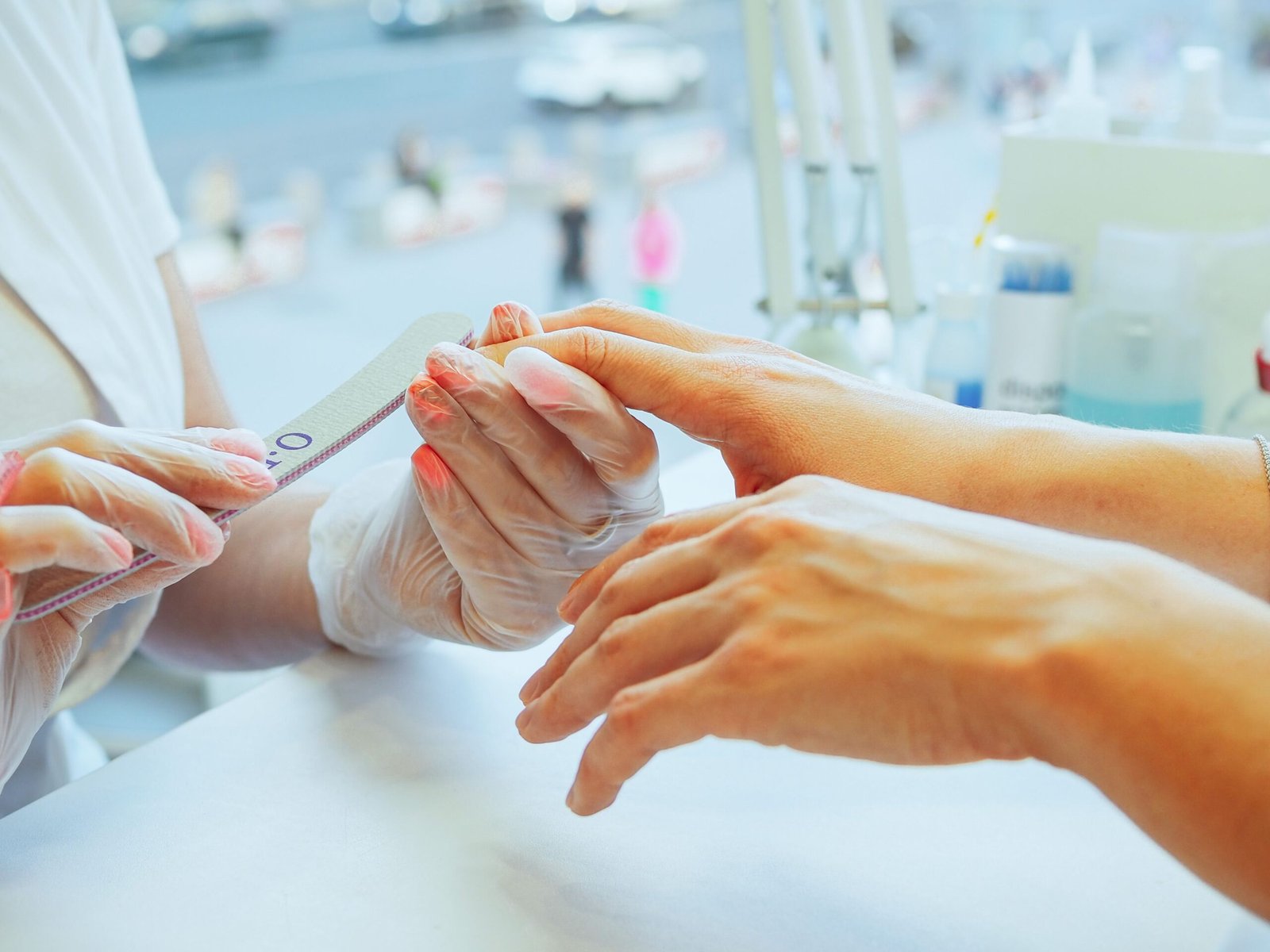
Wondering how to take off acrylics without ripping your nails to shreds? The honest answer is simple: acrylic is a hard plastic-like polymer, so the safe way to remove it is to dissolve it with pure acetone, never to pry, peel or floss it off. Done properly, an at-home soak-off takes roughly an hour, costs very little and leaves your natural nails in good shape. Done badly, it can cause thinning, splitting, pain and even infection.
This guide walks you through everything: how to decide between home and salon removal, the exact step-by-step acetone method (foil and bowl), what acetone-free options can and cannot do, how to take off acrylics which viral hacks to avoid, what to do when the product will not budge, and how to rebuild your nails afterwards.
The Safest Way to Take Off Acrylics
- Trim the free edge short and file off the shiny top layer.
- Protect your skin with petroleum jelly or cuticle oil.
- Soak the nails in 100% pure acetone using the foil or bowl method for about 20 to 45 minutes.
- Check gently every 10 to 15 minutes. Remove only product that has turned soft and flaky.
- Re-soak anything that is still hard. Never force it.
- Buff lightly, wash your hands, then hydrate with cuticle oil and hand cream.
If anything hurts, burns, bleeds or will not soften, stop and see a nail technician.
What Is the Safest Way to Remove Acrylic Nails?

There are really only two safe routes:
- Professional removal. A trained technician files down the bulk of the product, soaks off the rest and checks the nail underneath. This is the safest option, how to take off acrylics especially if the product is firmly bonded, your nails are already weak, or you are unsure what type of enhancement you have.
- Careful at-home acetone soak-off. This is a well-established method when you are patient, have the right supplies and follow stop rules.
Everything else, including floss, cards, tweezers, biting and peeling, relies on mechanical force. Acrylic is bonded to the natural nail with adhesive-like properties, and forcing it off takes layers of your natural nail plate with it. how to take off acrylics That is the main cause of the painful, paper-thin nails people blame on “acrylics” when it was really the removal.
Should You Remove Acrylics at Home or at a Salon?

Use this quick guide before you start.
| Your situation | Best choice |
|---|---|
| Fresh set, product firmly attached everywhere | Salon removal (or very patient home soak) |
| Grown-out set, some product lifting at the edges only | Home soak-off is usually fine |
| Natural nails already thin, painful or peeling | Salon, or wait and consult a professional |
| You are not sure if it is acrylic, gel, dip or hard gel | Salon, or test one nail first |
| Eczema, dermatitis, cuts or irritated skin on fingers | Talk to a doctor or salon first |
| Asthma, pregnancy or strong sensitivity to fumes | Salon, or very well-ventilated space only |
| Any sign of infection (see below) | See a healthcare professional, do not DIY |
When You Should Not Remove Acrylics at Home
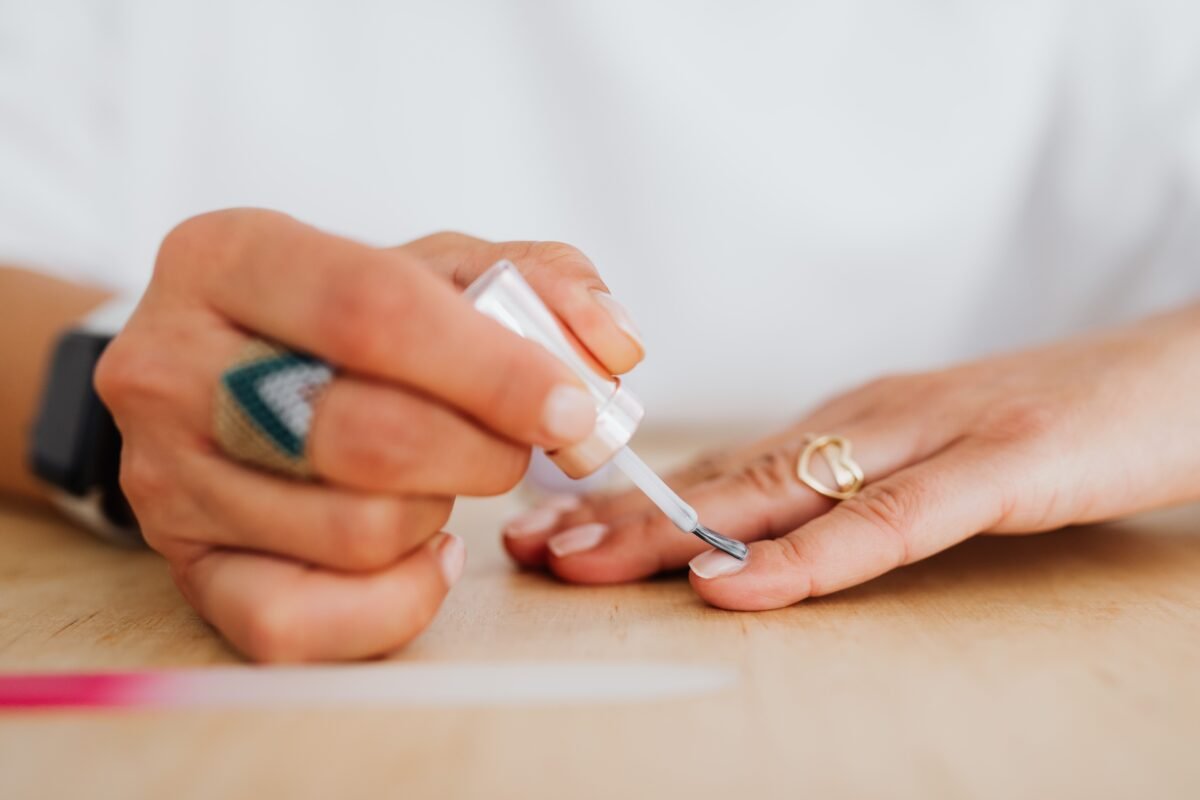
Skip the DIY approach and get professional help if you notice:
- Pain, throbbing or heat under or around a nail
- Green, black or dark patches trapped under the acrylic
- Swelling, redness, pus or discharge around the cuticle
- A nail that is lifting from the nail bed or has a separation underneath
- Open cuts, cracked skin or a skin condition on the fingers
- Product that stays rock-hard after several full soak cycles
Trapped moisture under a lifted acrylic can encourage bacteria or fungus. how to take off acrylics Discoloration under a lifted enhancement is a reason to get checked, not to keep experimenting.
First, Identify What You Are Removing
Not every “fake nail” comes off the same way. Many guides ignore this, and it is where most home removals go wrong.
| Type | How it comes off |
|---|---|
| Acrylic (liquid and powder) | Pure acetone soak, after filing the top layer |
| Dip powder | Very similar to acrylic: file, then pure acetone soak |
| Gel polish | Acetone soak (usually faster than acrylic) |
| Hard gel / builder gel | Does not soak off in acetone; it must be filed down, which is best left to a professional |
| Press-ons with adhesive tabs | Warm soapy water and gentle lifting, or oil |
| Press-ons with nail glue | Acetone soak (nail glue dissolves in acetone) |
If you are not sure, how to take off acrylics ask your technician at your next visit or choose salon removal. Soaking hard gel in acetone for an hour will only dry out your skin.
What You Need Before Removing Acrylics
Gather everything first so you are not hunting for supplies with acetone-soaked fingers.
- 100% pure acetone. Regular nail polish remover (especially “acetone-free” or conditioning formulas) is too weak to dissolve acrylic.
- A coarse nail file (about 100/180 grit) and a buffer
- Nail clippers (use a sturdy pair, not your good manicure scissors)
- Aluminum foil cut into squares, plus cotton balls or pads (foil method)
- A glass or ceramic bowl, wide enough for your fingertips (bowl method). Acetone can damage plastic and some finishes.
- Petroleum jelly or thick cuticle oil to protect skin
- A wooden cuticle stick or soft orangewood stick for gentle checking
- Cuticle oil and a rich hand cream for afterwards
- A towel to protect your table, and good ventilation
Acetone Safety Rules (Read Before You Start)
Acetone is effective but it is also highly flammable and strongly drying.
- Work near an open window or with a fan, never in a closed room.
- Keep it away from flames, candles, cigarettes, hot appliances and sparks.
- Never microwave or directly heat acetone. If you want it warm, place the sealed container in a warm water bath only, and keep it away from any heat source.
- Avoid contact with eyes and keep it away from children and pets.
- Do not use acetone on skin that is cut, cracked or irritated.
- Store it in a tightly closed original container.
- Acetone can damage plastics, varnished wood and some synthetic fabrics, so cover your table.
How to Take Off Acrylics With Acetone (Step by Step)
Set aside about 60 to 90 minutes. Time varies with product thickness, how to take off acrylics brand and how well you filed. The ranges below are guides, not guarantees. Let the acrylic tell you when it is ready.
Step 1: Trim only the free edge if safe to do so
Clip the extra length from the tip of your nails. Cut in small nibbles rather than one big squeeze, because a hard clip can crack the product and pull on the natural nail underneath. how to take off acrylics Stop trimming when you are close to where the nail bed begins. Do not cut into the area attached to your own nail.
Step 2: File the surface carefully
Using a coarse file, remove the glossy top coat and thin the acrylic surface until it looks dull and matte. This lets acetone reach the product. how to take off acrylics File in smooth strokes in one direction and avoid pressing hard. You are thinning the acrylic, not your natural nail. If you start to feel heat or see pink beneath the product, stop filing.
Why this step matters: Acetone cannot dissolve what it cannot touch. Skipping filing is the number one reason acrylic “will not come off” at home.
Step 3: Protect your skin and prepare your method
Apply petroleum jelly or a thick layer of cuticle oil around the nails, on the cuticles and on the surrounding skin. how to take off acrylics Avoid getting it on the acrylic itself, because it will block the acetone.
Then choose a method.
Step 4: Soak and check without rushing
Foil method (best for beginners and for staying mobile):
- Soak a cotton piece in pure acetone so it is wet but not dripping.
- Place it on the nail, covering the whole acrylic surface.
- Wrap the fingertip firmly with foil so the cotton stays pressed against the nail.
- Repeat on all fingers, one hand at a time.
- Wait 15 minutes, then check one finger.
Bowl method (best for thick sets and faster results):
- Pour enough pure acetone into a glass or ceramic bowl to cover the nails.
- Submerge the fingertips of one hand.
- Soak for about 15 minutes, then check.
- Keep your fingers in the bowl only as long as needed, and rest your skin between rounds.
Step 5: Gently remove only softened product
When the acrylic looks cracked, flaky or gummy, use a wooden stick to gently push the softened product from the base towards the tip. how to take off acrylics It should slide off with almost no effort.
- If it moves easily, keep going.
- If you have to scrape, press hard or feel any pain, stop and re-soak for another 10 to 15 minutes.
Patience is the whole technique. how to take off acrylics A few extra soak rounds are always better than one aggressive scrape.
Step 6: Buff and wash
Once the acrylic is gone, you may see a thin film or ridges. Lightly smooth with a soft buffer, using minimal pressure. how to take off acrylics Wash your hands with mild soap and warm water to remove residue.
Step 7: Rehydrate immediately
Massage cuticle oil into the nails and surrounding skin, how to take off acrylics then apply a rich hand cream. Acetone strips moisture, so do not skip this.
Foil Method vs. Bowl Method: Which Should You Choose?
| Foil method | Bowl method | |
|---|---|---|
| Skin exposure to acetone | Lower (limited to the fingertip) | Higher (whole fingertips submerged) |
| Mess | Low | Higher risk of spills |
| Speed | Moderate | Often faster for thick product |
| Can you use your other hand? | Yes, but difficult | Not really |
| Supplies | Foil, cotton, acetone | Glass bowl, acetone |
| Best for | Beginners, small sets, sensitive skin | Thick sets, experienced removers |
If you are new to this, start with foil. If one hand finishes much faster than the other, that is normal.
Can You Take Off Acrylics Without Acetone?
This is the most misunderstood question in nail care, so here is the clear answer: how to take off acrylics no common household substance reliably dissolves acrylic the way pure acetone does. Alternatives may help loosen a grown-out set, but they do not melt bonded acrylic.
What Acetone-Free Remover Can and Cannot Do
Acetone-free polish remover is designed to remove nail polish. It uses gentler solvents that do not break down acrylic polymer. how to take off acrylics It may clean residue, but soaking in it will mostly waste your time and dry your skin. “Acetone-free” does not automatically mean safer or equally effective.
Why Oil and Warm Water May Not Dissolve Bonded Acrylic
Cuticle oil and warm water can soften the skin and help creep into small gaps when acrylic is already lifting. They are useful as support (for comfort, for press-ons with tabs or for very grown-out edges) but they do not break down well-bonded acrylic. how to take off acrylics If you try this, expect no result on a firm set and do not respond by pulling harder.
Why Floss, Cards and Prying Tools Are Risky
The viral “floss it off” and “slide a credit card underneath” tricks work only by breaking the seal mechanically, and they usually take the top layers of your natural nail with them. how to take off acrylics Even when acrylic is partly lifted, forcing it can tear the nail plate and cause pain, bleeding and long recovery.
If an enhancement is already loose from months of growth, a technician may carefully trim it away. That is a very different situation from forcing a firmly attached set to pop off.
A Realistic Acetone-Free Option
If you want to avoid acetone entirely, the best choice is not a hack. It is a professional, who can use e-file techniques, remover products or a mix to take the product down safely. how to take off acrylics If you simply prefer to reduce exposure, use the foil method so only your fingertips touch acetone, and always add oil.
Hacks and Habits to Avoid
- Peeling or picking it off. Takes layers of natural nail with it.
- Biting acrylics off. Damages teeth and nails.
- Using dental floss, credit cards or metal tools to lift product. Mechanical force is the main source of damage.
- Using an e-file (electric drill) at home without training. It is very easy to thin or burn the nail plate. Leave it to professionals.
- Heating acetone. Fire and fume hazard.
- Soaking for hours. Longer is not better; it only dries out your skin.
- Wearing the product past its time. Overgrown acrylic puts leverage on the nail and can lead to lifting and trapped moisture.
Common Mistakes That Damage Natural Nails
- Skipping the filing step. Acetone cannot reach the product, so people scrape instead.
- Using weak remover. Regular or acetone-free polish remover will not dissolve acrylic.
- Scraping before the product is soft. If you need force, it is not ready.
- Skipping skin protection. Dry, white, cracked skin is avoidable.
- Over-buffing afterwards. Natural nails are already thin; sand lightly.
- Putting on a new set immediately. Give your nails time to recover if they are weak.
- Ignoring pain. Pain is a stop sign, not an obstacle.
Troubleshooting: What If the Acrylic Will Not Come Off?
| Problem | Likely cause | What to do |
|---|---|---|
| Acrylic is not softening after 30 to 45 minutes | Top layer was not filed enough, or remover is not pure acetone | Re-file lightly, refresh the acetone and soak again |
| Only one or two nails resist | Thicker product on those nails | Re-soak just those nails |
| Product turns gummy but will not slide off | Needs more time | Re-wrap for 10 more minutes and test again |
| Leftover film or patches after removal | Normal residue | Soak briefly again, or lightly buff |
| Nail looks pink, tender or sore | Over-filing or thin nail | Stop filing, rest nails, see a professional if painful |
| Acetone seems weak | Old, diluted or not 100% acetone | Check the label and use fresh pure acetone |
| Hard gel or builder gel that will not budge | Not soak-off | Do not keep soaking; see a technician |
If you have tried two to three proper soak cycles and still nothing is moving, book a technician. how to take off acrylics At that point you are most likely dealing with hard gel or very thick product.
Stop Signs: When to Pause Immediately
Stop what you are doing if you notice:
- Sharp pain, burning or throbbing
- Bleeding or exposed pink tissue
- Redness, swelling or pus
- A strong chemical smell making you dizzy or lightheaded
- The natural nail starting to lift
- Acrylic that stays hard after repeated soak cycles
Rinse your hands, rest, and get professional advice if symptoms continue.
How to Care for Your Nails After Acrylic Removal
Your nails will probably look thinner, flexible, ridged or slightly dull at first. how to take off acrylics That is usually temporary as long as you were gentle. Here is a simple recovery timeline.
Right After Removal
- Wash hands, then apply cuticle oil and hand cream.
- Avoid more acetone, hot water soaks and harsh soaps.
- Do not paint with polish right away if your nails feel sensitive.
Days 1 to 7
- Reapply cuticle oil several times a day and hand cream after every wash.
- Keep nails short and filed with a gentle glass or fine-grit file.
- Wear gloves for dishes and cleaning.
- Do not use your nails as tools.
Weeks 2 to 4
- Continue oiling and moisturising daily.
- Consider a strengthening treatment if recommended by your technician.
- Give your nails a break from extensions if they remain thin or painful.
Longer Term
Fingernails grow at roughly 3 mm a month, and a full nail typically takes around four to six months to regrow, so improvement can feel slow. how to take off acrylics A balanced diet and good general health help, and if your nails stay weak, split badly or change colour or shape, ask a doctor. Biotin and other supplements may be marketed for nail health, but evidence is mixed, so check with a healthcare professional before taking them.
Frequently Asked Questions
How long does it take to remove acrylic nails?
Plan on roughly 60 to 90 minutes at home, including filing, soaking, gentle removal and aftercare. Thick or heavily built-up sets may take longer. A salon removal is usually quicker because of professional tools and technique.
Can I remove acrylic nails without acetone?
Not reliably. Acetone-free polish remover, oils and warm water do not dissolve well-bonded acrylic. They can support a grown-out or loosening set, but the safe alternative to acetone at home is a professional technician.
Is dental floss safe for removing acrylics?
No. Floss works by forcing the product to separate from the nail and often damages the natural nail. Even if a nail seems loose, forcing it can cause pain and tearing. Use acetone patiently or visit a technician.
Can I use regular nail polish remover?
Regular polish remover is usually too weak, and anything labeled “acetone-free” will not dissolve acrylic. You need 100% pure acetone for a proper soak-off.
Does removing acrylics damage your nails?
Proper removal does not have to. Most damage comes from pulling, prying or filing too aggressively. If you use acetone correctly and aftercare consistently, nails typically recover over time, though temporary thinness and dryness are common.
Can I take off acrylics if I am pregnant?
If you are pregnant or have a respiratory condition, choose very good ventilation or, better, a salon, and ask your doctor if you have any concerns about solvent exposure.
Final Thoughts: The Smart Way to Take Off Acrylics
Knowing how to take off acrylics comes down to three rules: dissolve, do not force; stop when it hurts; and hydrate afterwards. File the surface, use pure acetone with the foil or bowl method, remove only what is soft, and give your natural nails time to recover. Skip the viral floss and card hacks, and do not be afraid to hand the job to a technician if the product is stubborn or your nails are fragile.
Handle your nails gently now, and they will thank you at your next set, or when you decide to go natural.