

Foundation makeup is a tinted base product applied to the face to even out skin tone, cover discoloration and create a smoother canvas for the rest of your makeup. It comes in many formats (liquid, cream, powder, stick, serum and more), in a range of coverage levels from sheer to full, and in finishes from matte to dewy. what is foundation makeup? Choosing the right one depends on your skin type, the look you want and, most importantly, your shade and undertone.
This guide explains everything a beginner needs: what foundation is, what it does, how the types differ, what is foundation makeup? how to find your shade, how to apply it, and how to fix the most common problems.
Foundation in 30 Seconds
- What it is: a pigmented base makeup for the face and, sometimes, the neck.
- What it does: evens out skin tone, softens the look of redness, dark spots and uneven patches, and gives makeup a more uniform base.
- What it does not do: it is not skincare, it does not “fix” skin conditions, and it is not required. Wearing it is a personal choice.
- The three decisions that matter: format (liquid, powder, cream, etc.), coverage and finish, and shade and undertone.
- Biggest beginner mistake: matching the shade on the wrist or in shop lighting instead of testing on the jawline in daylight.
What Is Foundation Makeup and What Does It Do?
Foundation is a base makeup. “Base” simply means the layer that goes on first, before products like blush, bronzer, highlighter, what is foundation makeup? eyeshadow and lipstick. Most foundations are a mix of pigment (to match skin colour), a carrier such as water, oil, silicone or powder (to spread the pigment), and extra ingredients that affect texture, finish and wear time.
What foundation can do:
- Even out skin tone. It can reduce the look of redness, uneven colour and visible discoloration.
- Create a smoother-looking surface. Some formulas blur the look of texture, though no foundation changes the actual texture of skin.
- Control shine or add glow. Matte formulas reduce the look of shine, while dewy formulas add a fresh, luminous look.
- Help other makeup sit more evenly. A uniform base makes blush, contour and bronzer easier to blend.
- Offer extras. Some include SPF or skincare-style ingredients, but check the label, because SPF in foundation is rarely applied thickly enough to replace a dedicated sunscreen.
What foundation cannot do: it cannot treat acne, what is foundation makeup? eczema, rosacea or any medical condition. If you have persistent skin concerns, speak to a qualified dermatologist.
Why Do People Use Foundation?
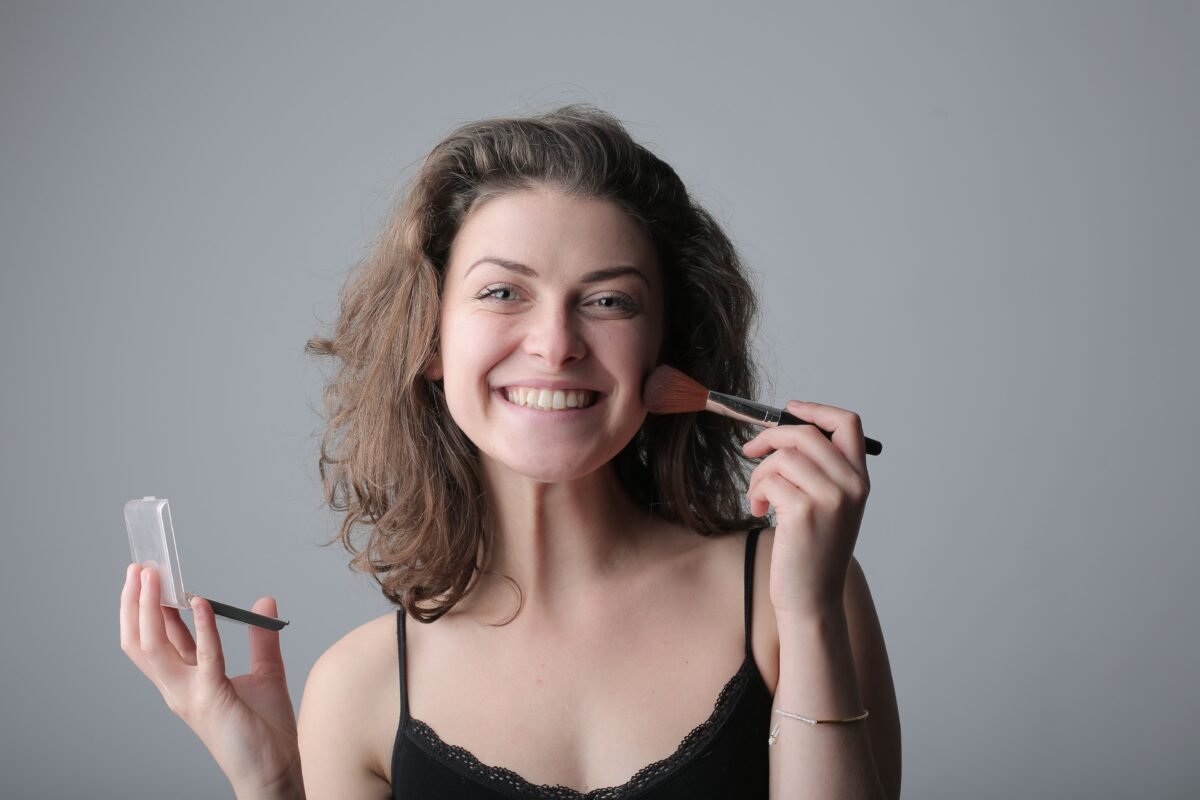
People wear foundation for very different reasons, and none of them is “wrong”:
- To get an even, polished look for work, events or photos
- To cover temporary breakouts, redness or dark circles
- To match the face to the neck and body tone
- To create a long-lasting base for a full makeup look
- For performance, stage or camera work, where stronger coverage is useful
Many people also prefer lighter options like skin tints, what is foundation makeup? or skip base makeup altogether. Foundation is a tool, not a rule.
What Are the Different Types of Foundation Makeup?
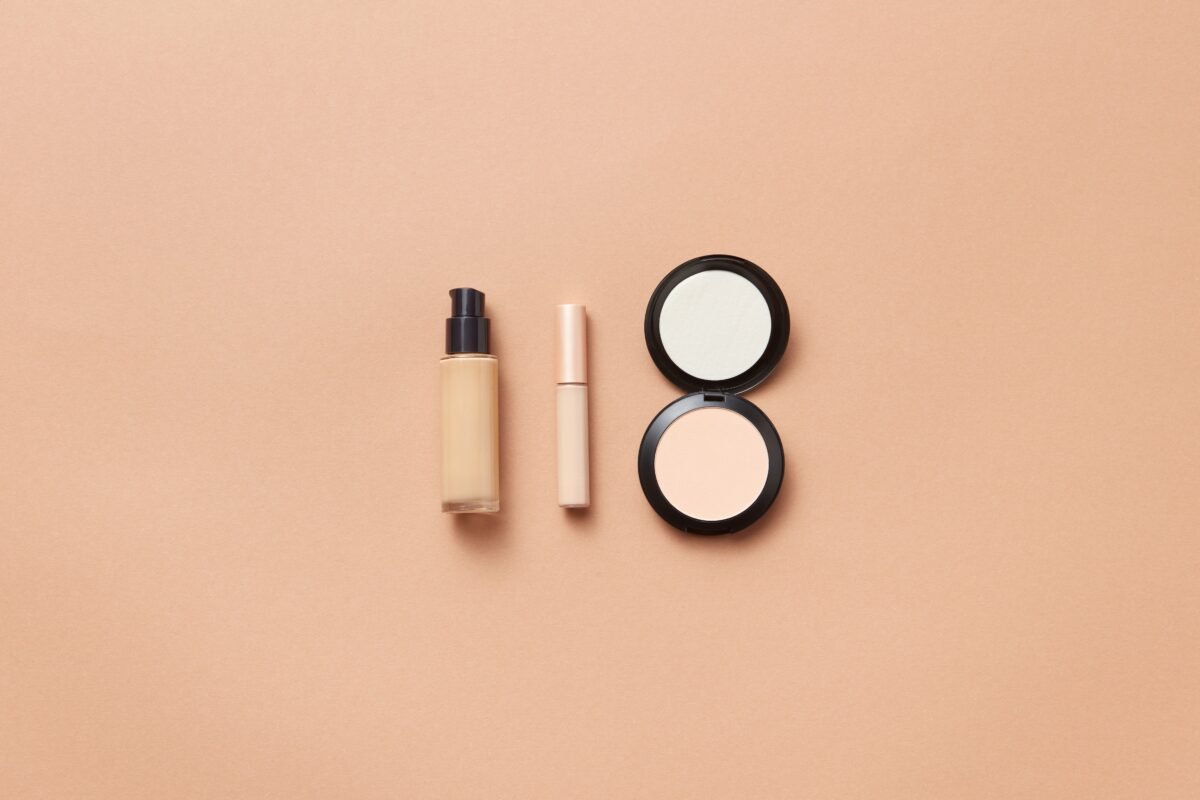
The format of a foundation affects how it feels, how it looks and how it wears. Here is an honest comparison, with pros and limitations for each.
Liquid Foundation
The most widely available format, sold in bottles, pumps and droppers. what is foundation makeup? Liquid foundations range from lightweight and sheer to full coverage and can be water-based, silicone-based or oil-based.
- Best for: beginners, everyday wear, most skin types (choose the formula carefully).
- Pros: easy to blend, huge shade ranges, many finishes available.
- Limitations: some formulas can look patchy on very dry or textured skin, and some can feel heavy or move around on very oily skin.
Powder Foundation
Available as pressed or loose powder. It is applied with a brush or sponge and usually gives lighter coverage that can be built up.
- Best for: oily or combination skin, quick touch-ups, a lightweight feel.
- Pros: portable, absorbs oil, usually matte to natural.
- Limitations: can emphasise dry patches or fine lines, and can look flat or cakey if over-applied.
Cream Foundation
A richer, thicker formula, usually sold in a compact or pot. Cream foundations often provide medium to full coverage.
- Best for: dry or mature skin, special occasions, people who want more coverage.
- Pros: comfortable on dry skin, buildable coverage, good for targeted use.
- Limitations: can feel heavy, and may crease or look shiny on oily skin without setting.
Stick Foundation
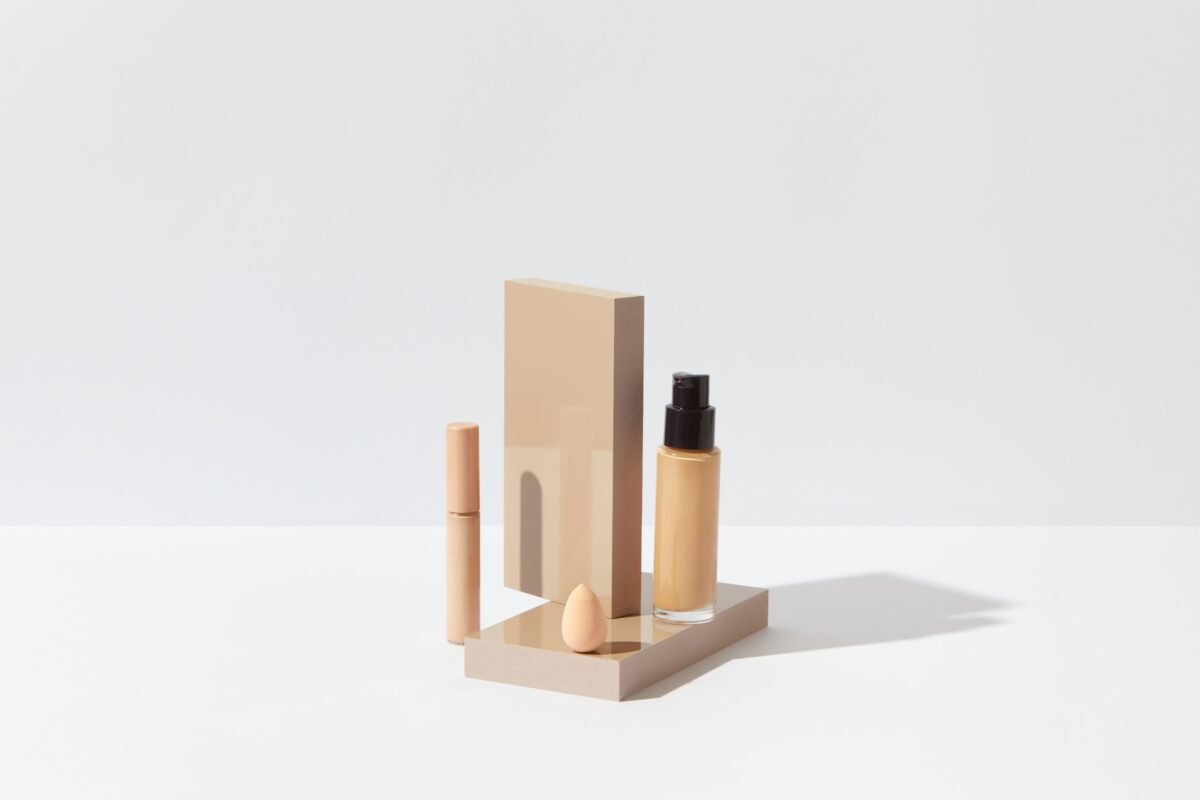
A solid, twist-up or push-up format, convenient for travel and fast application.
- Best for: quick routines, travel, targeted coverage.
- Pros: no mess, easy to carry, usually medium to full coverage.
- Limitations: needs careful blending, and some formulas can feel dense or sit on texture.
Serum Foundation and Skin Tint
These are lightweight, fluid formulas that provide sheer to light coverage with a skin-like finish. what is foundation makeup? A skin tint is closer to a tinted skincare-style product than a traditional foundation.
- Best for: natural, “no-makeup makeup” looks, warm weather, everyday casual wear.
- Pros: very comfortable, easy to apply with fingers, a fresh look.
- Limitations: limited ability to hide strong discoloration, and shorter wear on very oily skin.
Other Formats You May See
- Cushion foundation: a liquid foundation soaked into a sponge inside a compact. Convenient and usually light to medium coverage.
- Mousse or whipped foundation: airy and lightweight, often with a soft-matte finish.
- Spray or airbrush foundation: applied as a fine mist. It works best with practice and the right equipment.
Quick Comparison Table
| Format | Typical coverage | Typical finish | Best for | Watch out for |
|---|---|---|---|---|
| Liquid | Sheer to full | Any | Most people, beginners | Wrong formula for your skin type |
| Powder | Light to medium | Matte to natural | Oily skin, touch-ups | Dryness, cakiness |
| Cream | Medium to full | Natural to satin | Dry or mature skin | Creasing on oily skin |
| Stick | Medium to full | Natural to matte | Travel, speed | Blending takes care |
| Serum / skin tint | Sheer to light | Natural to dewy | Everyday, minimal looks | Limited coverage |
| Cushion | Light to medium | Natural to dewy | Convenience, on the go | Fewer shades in some ranges |
Coverage vs Finish: Two Different Things Beginners Often Mix Up
This is one of the most misunderstood parts of foundation. Coverage is how much the product hides. what is foundation makeup? Finish is how the skin looks once it dries. A foundation can be full coverage and dewy, or light coverage and matte. They are separate choices.
Foundation Coverage Levels
Sheer and light coverage. Evens out tone while letting freckles, texture and natural skin show through. Good for everyday wear and a natural look.
Medium coverage. Visibly reduces redness and minor discoloration while still looking like skin. The most versatile level and a good starting point for most beginners.
Full coverage. Masks most discoloration, spots and redness. It can look flawless in photos and on stage, but needs careful blending and thin layers to avoid a heavy or mask-like look.
A useful tip: most modern foundations are buildable, which means you can apply a thin layer first and add more only where you need it. what is foundation makeup? Starting light is easier than removing excess.
Foundation Finishes
| Finish | How it looks | Often suits |
|---|---|---|
| Matte | Flat, shine-free, velvety | Oily skin, humid weather, long events |
| Natural | Skin-like, neither shiny nor flat | Most skin types, everyday wear |
| Satin | Soft, subtle glow | Normal to combination skin |
| Dewy | Fresh, glowing, light-reflecting | Dry or normal skin, a youthful glow |
These are general guides, not rules. Plenty of people with oily skin enjoy a satin finish, and plenty with dry skin enjoy a soft matte one, particularly with the right skin prep.
How to Choose the Right Foundation for Your Skin Type
Skin type is a useful starting point, but treat the tips below as guidelines. Individual products vary widely, what is foundation makeup? so testing matters more than labels.
- Dry skin: look for hydrating liquid, cream, serum or dewy formulas. Prep with moisturiser, and avoid heavy powder or ultra-matte formulas, which can emphasise dry patches.
- Oily skin: try oil-free, lightweight or matte-to-natural formulas, and set only the areas that get shiny. A mattifying or oil-control primer can help, but avoid over-drying the skin, because that can trigger more oil.
- Combination skin: a natural or satin liquid works well for many people. You can use different products on different areas, such as setting just the T-zone.
- Normal skin: you have the most flexibility. Choose by coverage and finish preference.
- Mature skin: hydrating, light to medium coverage formulas usually look the most natural. Heavy layers and a lot of powder can settle into fine lines, so use thin layers.
- Sensitive skin: look for fragrance-free formulas where possible, and patch test a new product on a small area such as behind the ear or the inner forearm. If irritation occurs, stop using it. Persistent reactions are worth discussing with a healthcare professional.
- Acne-prone skin: “non-comedogenic” is a common label, but it is not a guarantee for every person. Choose lightweight formulas, keep brushes and sponges clean, and remove makeup fully each night. For active or severe acne, ask a dermatologist for advice.
Whatever your skin type, skin prep is the secret behind most good foundation days. Cleansed, what is foundation makeup? moisturised skin (and sunscreen in the daytime) gives any formula a better surface to sit on.
How to Find Your Foundation Shade and Undertone
Wrong shade is the number one reason people say foundation “doesn’t work”. Here is a clear process.
Step 1: Understand Skin Tone vs Undertone
- Skin tone (depth) is how light or deep your skin looks on the surface: for example fair, light, medium, tan, deep or rich.
- Undertone is the subtle colour beneath the surface: cool (pink or blue tint), warm (yellow, peachy or golden tint) or neutral (a mix of both).
Two people can have the same depth and completely different undertones, what is foundation makeup? which is why the same “medium” shade can suit one person and look orange or grey on another.
Step 2: Check Your Undertone (No Single Test Is Perfect)
Use two or three of these together and look for a pattern:
- Vein colour in natural light: mostly blue or purple may suggest cool, mostly green may suggest warm, and a mix may suggest neutral. This can be hard to judge on deeper skin tones.
- Jewellery: if silver flatters you more, you may lean cool. If gold does, you may lean warm. If both look good, you may be neutral.
- Sun reaction: if you tend to burn and turn pink, you may lean cool. If you tan easily, you may lean warm.
- White vs cream fabric: pure white against your face may flatter cool undertones, while off-white or cream may flatter warm ones.
If the results conflict, you are probably neutral or olive. That is common and nothing to worry about.
Step 3: Test the Shade Properly
- Test on your jawline, not your wrist. The face and neck are the areas you want to match, and the wrist is often a different colour.
- Pick three shades that seem closest, and swipe them in stripes along the jawline.
- Wait 10 to 15 minutes. Some foundations change as they dry or oxidise (see below).
- Check in natural daylight. Shop lighting can make nearly any shade look right. Walk to a window or step outside with a mirror.
- Choose the one that seems to disappear into the skin, and blend it down the neck to check there is no line.
Step 4: Allow for Seasonal Changes
Skin often changes colour between seasons. Many people need two shades, a lighter one for winter and a deeper one for summer, and they mix them in between.
Shade Matching Online
When you cannot test in person, look for brands that offer detailed shade descriptions, undertone labels, what is foundation makeup? swatches on a range of skin tones and generous return or sample policies. Read reviews from people with a skin tone and undertone like yours, and order sample sizes first where possible.
What Is Oxidation?
Oxidation is when a foundation looks deeper, orange or darker after a while on the skin. It can be caused by the formula reacting with your skin’s what is foundation makeup? natural oils and the air. This is exactly why waiting 10 to 15 minutes during the shade test is important.
How to Apply Foundation Step by Step
What You Need
- Moisturiser and sunscreen (daytime)
- Primer, optional
- Foundation
- A tool: fingers, a sponge or a brush
- Concealer, optional
- Setting powder or setting spray, optional
The Method
- Start with clean, moisturised skin. Wait a couple of minutes for the moisturiser and sunscreen to settle, so the foundation does not slide around.
- Add primer if you want one. It is optional. Primers can help with oil control, hydration or grip, depending on the type.
- Use a small amount. Start with one pump or a pea-sized amount for the whole face. You can always add more.
- Dot it on the centre of the face. Place small dots on the forehead, cheeks, nose and chin, where most discoloration sits.
- Blend from the centre outward. Blend toward the hairline, jaw and ears. Blend down the jawline so there is no visible edge.
- Build coverage only where needed. Tap a second thin layer over redness, spots or blemishes rather than layering everything heavily.
- Apply concealer after foundation. Concealer goes where you still need extra coverage. This usually means fewer products and a lighter finish. Some people prefer concealer first for dark circles, which is fine too, so find what works for you.
- Set where needed. If your skin gets shiny, use a light dusting of setting powder in the T-zone. A setting spray can help melt layers together and extend wear.
Fingers vs Sponge vs Brush
| Tool | Result | Best for | Tip |
|---|---|---|---|
| Fingers | Natural, skin-like, warm and quick to melt in | Skin tints, creams, light coverage | Wash your hands first |
| Damp sponge | Seamless, airbrushed, lightweight | Most liquids and creams | Squeeze out excess water and press, don’t drag |
| Foundation brush | Smooth, more coverage | Liquid foundation, full coverage | Use light, circular or buffing motions |
| Powder brush | Soft and diffused | Powder foundations | Tap off excess before applying |
Foundation Application Mistakes to Avoid
- Using too much product at once
- Skipping the neck or jawline blend
- Applying foundation over dry, flaky skin with no moisturiser
- Layering powder over every part of the face
- Choosing a shade by the bottle or the bottle cap colour instead of testing it
- Never cleaning brushes and sponges
Foundation vs Concealer vs BB Cream vs CC Cream vs Skin Tint vs Tinted Moisturiser
These products overlap, which confuses a lot of beginners. Here is the difference.
| Product | Main job | Typical coverage | Notes |
|---|---|---|---|
| Foundation | Even out the whole face | Sheer to full | The most versatile base |
| Concealer | Cover specific areas (under-eyes, spots) | Medium to full | Used in small areas, not all over |
| BB cream | A hybrid of light base makeup and skincare-style benefits | Light to medium | A related product, not an exact substitute for every foundation |
| CC cream | Aims to colour-correct redness or dullness | Light to medium | Formulas vary widely between brands |
| Skin tint | A sheer, skin-like wash of colour | Sheer | Great for a natural look |
| Tinted moisturiser | Moisturiser with a light tint | Sheer | Usually the lightest option |
Is foundation the same as makeup? No. Makeup is the broad category that includes lipstick, eyeshadow, mascara and more. what is foundation makeup? Foundation is one specific product within it, the base for the face.
Common Foundation Problems and How to Fix Them
My foundation looks cakey. You are likely using too much product or too many layers. Use less, blend with a damp sponge, and moisturise properly first. Skip heavy powder.
It looks patchy or clings to dry areas. Exfoliate gently, hydrate well, wait for your skincare to absorb, and switch to a more hydrating formula if needed.
It separates or slides off during the day. It can happen if your skincare layers do not agree with your foundation, such as mixing silicone-based primer with a water-based foundation, what is foundation makeup? or the reverse. Let each layer settle and try a compatible primer and foundation pair.
It creases in fine lines. Use a thinner layer, choose a lighter or more hydrating formula, and go easy on powder.
It turns orange or dark (oxidation). Try a slightly lighter or less warm shade, test for 10 to 15 minutes before buying, and consider a different formula.
It looks too light or grey. This often means the undertone or depth is off. Look for a shade with more warmth or depth, and check the shade in daylight. what is foundation makeup? Be wary of certain full-coverage formulas in flash photography, which can look lighter in photos.
It looks shiny by noon. Use a lighter, oil-free formula, set only the T-zone, and keep blotting papers handy. Pressing, rather than rubbing, avoids lifting the product.
Foundation transfers onto my clothes or mask. A thin layer, a setting powder or spray, and a transfer-resistant formula can help.
It looks different in photos. Some formulas with SPF or certain mineral ingredients can look lighter under flash. If you are going to an event, take a test photo with flash beforehand.
Humid or hot weather. Choose lighter formulas, skip heavy layering, and set your base. Carry blotting papers for touch-ups instead of adding more powder.
Foundation Safety, Hygiene and Shelf Life
- Patch test new products, especially if you have sensitive skin or allergies. Stop using any product that causes irritation.
- Clean your tools regularly. Brushes and sponges collect oil, bacteria and product. Many people wash brushes weekly and sponges after every few uses, but follow the care instructions for your tools.
- Check the PAO symbol. The small open-jar icon with a number (for example “12M”) shows how many months the product is generally intended to be used after opening. what is foundation makeup? Throw it away sooner if it changes smell, colour or texture.
- Do not share foundation or applicators.
- Remove foundation every night. Use a gentle makeup remover or cleanser before bed.
- Pump or tube packaging is generally more hygienic than open pots that you dip into with your fingers.
- Avoid absolute claims. No foundation can make you look “years younger” or cure skin problems. Look for honest, evidence-based descriptions on labels.
Frequently Asked Questions About Foundation Makeup
What is foundation makeup used for?
Foundation is used to even out skin tone, cover redness and discoloration, and create a smooth base for other makeup. The amount of coverage depends on the product you choose.
Is foundation the same as makeup?
No. Makeup is a broad category, and foundation is one product within it, specifically the base for the face.
What is the difference between foundation and concealer?
Foundation evens out the whole face, while concealer is a thicker, more pigmented product used on small areas such as under-eyes or blemishes.
Which type of foundation is best for beginners?
A medium-coverage liquid foundation or a skin tint is usually the easiest to start with. Both are forgiving, easy to blend and easy to build up.
How do I choose foundation for my skin type?
Match the formula to your skin: hydrating and dewy for dry skin, lightweight and oil-free for oily skin, natural or satin for combination skin. Always test the formula on your face before committing.
How do I find my foundation undertone?
Check veins, jewellery that flatters you, and how you react to the sun. If the results are mixed, you are likely neutral. Then test shades along your jawline in daylight.
Should foundation be lighter or darker than your skin?
It should match your skin as closely as possible, with no visible line at the jaw or neck. Foundation that is lighter or darker than the skin tends to look like a mask.
Is liquid or powder foundation better for oily skin?
Both can work. Lightweight, oil-free liquids and pressed powders are popular for oily skin. The best choice depends on the coverage and finish you like, and your climate.
Final Thoughts: How to Start
Foundation makeup is simply a tinted base that evens out the look of your skin. You do not need to wear it, and you do not need a full-coverage formula to look good. If you are just starting out:
- Choose a medium-coverage liquid foundation or a skin tint in a natural finish.
- Find your shade on the jawline, in daylight, after waiting 10 to 15 minutes.
- Prep your skin with moisturiser and, in the daytime, sunscreen.
- Apply a small amount, blend from the centre outward, and build only where you need it.
- Keep your tools clean and remove your makeup every night.
With a little practice, the right formula and the right shade, foundation becomes one of the easiest products to use.





One Comment