You have probably had this experience. A dress looks perfect online. The color is beautiful, the neckline is exactly what you wanted, and the fabric looks gorgeous. Then you try it on and something feels off. In most cases the problem is not the color or the fabric. It is the silhouette.
The silhouette of a dress is the overall outline it creates when you wear it. It decides how closely the fabric follows your body, where the waist sits, how much volume the skirt has, and how freely you can move. Two dresses can share the same color, length, and neckline and still look completely different because their shapes are not the same.
Learning the different dress silhouettes makes shopping far easier, especially online, where you cannot touch the fabric or see how a dress moves. Dress Silhouettes From the classic A-line silhouette and the sleek sheath to a dramatic mermaid silhouette dress and a relaxed trapeze, every shape offers its own mix of structure, movement, and visual effect.
One idea runs through this whole guide. The best silhouette is not the one that is trending, and it is not the one a chart says you “must” wear. It is the one that suits your taste and feels comfortable on you.
What Is a Dress Silhouette?

A dress silhouette is the overall shape or outline of a dress, from the shoulders down to the hemline. Fit, waist placement, skirt volume, fabric, and construction all shape it.
An A-line dress widens gradually toward the hem and forms a shape like the letter A. A sheath follows the natural lines of the body more closely. A ball gown pairs a fitted top with a very full skirt. Dress Silhouettes These outlines describe a garment’s basic structure without getting into smaller details like buttons or embroidery.
People also use terms like garment silhouette, frock silhouette, and fashion dress silhouette for the same idea. Whatever the name, the question is always the same: what is the outer shape of this piece when it is worn?
Dress Silhouette vs. Dress Style: What Is the Difference?

People often use “silhouette” and “style” as if they meant the same thing, and the confusion is understandable. Silhouette dress styles are built from several separate elements:
- Silhouette: the overall outline, such as fitted, straight, flowing, or flared.
- Neckline: the shape around the neck, like V-neck, sweetheart, square, or boat.
- Fabric: satin, chiffon, cotton, jersey, and so on.
- Length: mini, midi, tea-length, or maxi.
- Sleeves: sleeveless, cap, puff, or long.
- Overall style: the complete combination of all the above plus any decorative details.
One silhouette can appear in many styles. Dress Silhouettes An A-line dress might be a simple cotton piece for daily wear or a structured satin gown for a formal evening. The outline is the same, but the style is different.
Why Silhouette Matters When You Choose a Dress
A dress silhouette affects more than looks. It changes how a dress feels, how easily you walk, sit, and dance, and how practical it is for a specific occasion.
Compare a narrow sheath with a full ball gown. Both can look polished at a formal event, but wearing them is very different. The sheath takes up little space and fits closely. Dress Silhouettes The ball gown needs room every time you walk, sit, or move through a crowd.
Silhouette also decides how much waist definition you get. Some designs mark the waist with seams or fitted construction. Others hang loosely from the shoulders or let fabric flow from a raised waistline. Knowing these differences helps you buy what you will actually enjoy wearing, instead of following rigid fashion rules.
Three Quick Ways to Identify Any Dress Silhouette
You do not need a fashion degree to recognize clothing silhouettes. Three simple checks work for most dresses, even in a small online product photo.
1. Find the waistline. Does the dress have a seam at the natural waist, a raised seam just under the bust, or a dropped waist below the natural waistline? Some dresses have almost no waist shaping.
2. Check how closely it follows the body. A bodycon dress hugs the body, while a shift hangs loosely. A sheath follows the body’s lines but is usually more structured than a relaxed shift.
3. Trace the skirt from waist to hem. Does it widen gradually, stay straight, or flare sharply near the knee? This check is especially helpful for telling apart A-line, column, trumpet, and mermaid shapes.
When you look at product photos, follow the outer outline of the dress instead of focusing on color, print, or neckline.
13 Types of Dress Silhouettes You Should Know
These are the most popular types of dress silhouettes. Each one offers a different approach to fit, shape, and movement. Learn the key feature of each and you will be able to compare dresses quickly and shop with confidence.
1. A-Line Silhouette
The A-line silhouette is one of the most recognizable shapes in fashion. Dress Silhouettes The upper part is fitted or lightly defined, and the skirt widens gradually from the waist to the hem, tracing the letter A.
Its defining feature is the gentle flare. Unlike a dress with a dramatically full skirt, an A-line silhouette dress creates a balanced outline without heavy volume. It appears in everything from casual cotton dresses to formal gowns in structured fabrics. A knee-length version suits daytime events, while a floor-length satin or mikado gown looks formal.
Fabric makes a big difference. Dress Silhouettes Lightweight materials move softly, while structured ones help the skirt keep its shape. Because the A-line silhouette appears across so many categories and occasions, it is a useful one to know first.
2. Sheath Silhouette
A sheath dress is slim and fairly close-fitting, following the body’s natural lines from top to hem. It has a narrow, streamlined look with no dramatic skirt flare.
Unlike a shift dress, a sheath usually has more shaping through seams and darts, which gives it a more defined fit. Sheath dresses are common in professional wardrobes and polished formal outfits. Dress Silhouettes A knee-length version in structured cotton or suiting fabric looks refined at the office, while a textured or embellished version works for evening events.
Comfort depends on fit and fabric. A good sheath leaves enough room to walk and sit without feeling tight. If you like a close fit and a clean outline, this silhouette is worth trying.
3. Shift Silhouette
The shift silhouette dress is known for its straight, relaxed shape. It hangs from the shoulders with little waist definition, letting the fabric fall without clinging to the body.
Its simple construction is its signature. Many shift dresses have minimal waist shaping and a loose fit through the torso. A sleeveless cotton shift works well in warm weather, while a long-sleeved version in heavier fabric looks more polished. Pockets, prints, necklines, Dress Silhouettes and hem lengths can change without altering the basic shape.
The main difference between shift and sheath is shaping. A sheath follows the body’s lines more closely, while a shift hangs freely.
4. Fit-and-Flare Silhouette
A fit-and-flare dress has a fitted bodice and waist, then a skirt that opens outward. The contrast between the defined top and the fuller bottom gives it its look.
It resembles an A-line, but the transition from fitted waist to full skirt is usually more noticeable. The skirt can be gathered, pleated, or paneled, and these details change both volume and movement. Fit-and-flare dresses come in casual and formal versions. A cotton design suits daytime, while satin or chiffon works for parties. If you like a defined waist and a skirt with plenty of movement, this is a silhouette to try.
5. Empire Waist Silhouette
The empire waist has a raised waistline just below the bust, and the fabric falls from that point to form the skirt. The high seam is its most recognizable feature.
Empire dresses often use lightweight fabrics like chiffon, soft cotton, and flowing silk, which fall naturally without adding bulk. You will see this silhouette in romantic dresses, summer outfits, and formal gowns. To spot it, look for a seam or fitted section directly under the bust, with looser fabric below.
6. Wrap Silhouette
A wrap dress has overlapping front panels that cross the body and tie or fasten at the waist. This construction makes the fit somewhat adjustable, though how much depends on the pattern and fabric.
Wrap dresses usually create a V-neckline, and they come in many sleeve lengths, skirt shapes, and hemlines. A lightweight printed wrap works for casual days, while a satin or jersey one suits an evening out. The wrap construction is easy to spot in photos, which makes this silhouette simple to recognize while shopping.
7. Bodycon Silhouette
A bodycon silhouette dress is designed to fit closely against the body for a figure-hugging outline. The name comes from “body-conscious” styling.
Stretch fabrics containing elastane or spandex are common because they flex and recover their shape. Bodycon dresses are popular for parties, evenings, and statement looks, and they may include ruching, cutouts, or asymmetrical details.
Bodycon and sheath can both look fitted, but they are built differently. A sheath relies on structure and shaping, while a bodycon relies on stretch. When choosing one, check fabric recovery, seam placement, and whether it stays comfortable when you sit and move.
8. Slip Silhouette
The slip dress takes its minimal design from traditional slips. It usually has narrow straps, a simple bodice, and a fluid shape that falls along the body.
Satin and silk-like fabrics are popular because they drape softly and have a subtle sheen. A slip dress is very versatile. Wear it with sandals for a casual look, or with heels and accessories for the evening. Dress Silhouettes Layering it with a blazer or cardigan adds even more options. Some slip dresses follow the body closely and others hang loosely, so check the fit details. What defines the slip is minimal construction, thin straps, and fluid fabric.
9. Column Silhouette
A column dress creates a long, fairly straight outline from the upper body to the hem, with little outward flare. It can be fitted or moderately relaxed.
This shape is common in formal and eveningwear. A floor-length satin column gown looks elegant, while a jersey version suits less formal occasions. Compared with a sheath, Dress Silhouettes a column emphasizes a long vertical line, while a sheath is more closely shaped to the body. Heavier fabrics make the outline more structured, and lightweight ones add movement.
10. Mermaid Silhouette
The mermaid silhouette is dramatic. The dress fits closely through the bodice, waist, and hips, then opens into a pronounced flare around the knee or lower leg, like a mermaid’s tail.
A mermaid silhouette dress is popular for formal gowns, evening wear, and bridal fashion. Structured satin, mikado, and similar fabrics hold the shape well, Dress Silhouettes while softer fabrics give a more fluid flare. Because the skirt stays narrow for much of its length, walking and taking bigger steps may need extra attention. The easiest way to spot a mermaid is by the placement and size of the flare, which begins low.
11. Trumpet Silhouette
The trumpet silhouette looks similar to the mermaid, but it begins flaring higher, usually around mid-thigh. The upper body stays fitted before the skirt gradually opens.
Trumpet dresses are common in formal gowns and occasion wear, and they pair well with structured bodices, sweetheart necklines, or off-the-shoulder details. Dress Silhouettes The key difference from the mermaid is where the flare starts. A trumpet opens around mid-thigh, while a mermaid stays fitted until nearer the knee. Fabric changes the effect too. Structured materials give a crisp flare, and softer ones give a gentler transition.
12. Ball Gown Silhouette
A ball gown silhouette dress has a fitted bodice and a dramatically full skirt, which makes it one of the easiest formal shapes to recognize. Layers of fabric, structured petticoats, or other supports help the skirt keep its volume.
Ball gowns are linked with weddings, formal celebrations, and special events. Taffeta, mikado, and layered tulle create different levels of structure. The top half can be strapless, long-sleeved, or sweetheart-shaped without changing the basic silhouette. Think practically, though. Dress Silhouettes A very full skirt needs extra room for walking, sitting, dancing, and moving through crowded spaces, so check how the dress moves before choosing it.
13. Trapeze Silhouette
A trapeze dress has a narrow upper section that widens toward the hem, forming a loose triangle.
Unlike a typical A-line, which often has more waist shaping, a trapeze hangs freely from the upper body. It suits casual clothing and appears in sleeveless, short-sleeved, and long-sleeved versions, often in lightweight cotton or linen blends. Short trapeze dresses look playful and airy, Dress Silhouettes while longer ones create a flowing outline. The key difference from A-line is where the widening begins. A trapeze expands from higher on the garment, while an A-line usually has clearer waist definition.
Wedding Dress Silhouettes: What to Know Before You Shop

Wedding dress silhouettes follow the same basic principles as everyday dresses, but the stakes feel higher. You will wear this dress for hours, sit in it, walk in it, Dress Silhouettes and probably dance in it. Understanding the types of wedding dress silhouettes helps you walk into a bridal appointment knowing the vocabulary.
The most common silhouettes for a wedding gown are:
- A-line wedding dress: an A-line silhouette wedding dress is a classic choice because it offers a gentle flare without heavy volume. It is comfortable to walk and sit in, and it works across many fabrics.
- Ball gown: the most traditional and dramatic option, with a fitted bodice and a very full skirt.
- Mermaid: a mermaid silhouette wedding dress fits closely through the hips and flares near the knee. It makes a bold statement but needs thought about movement.
- Trumpet: a slightly more forgiving cousin of the mermaid, with the flare starting higher.
- Sheath or column: a sleek, minimal option, often chosen for simple or modern weddings.
- Empire waist: a soft, flowing option, popular for outdoor or relaxed celebrations.
Different silhouettes of wedding dresses create very different moods. A ball gown feels grand and traditional. A sheath feels minimal and modern. An empire waist feels romantic and airy.
When you search for silhouette dresses for a wedding, remember that fabric and construction change the result. A mikado A-line looks crisp and architectural, while the same A-line in chiffon looks soft and fluid. Dress Silhouettes Try on more than one silhouette, even ones you did not expect to like. Many people find that the silhouette they imagined is not the one that feels best once they are wearing it.
Dress Silhouettes for Body Types: A Gentler Way to Think About It
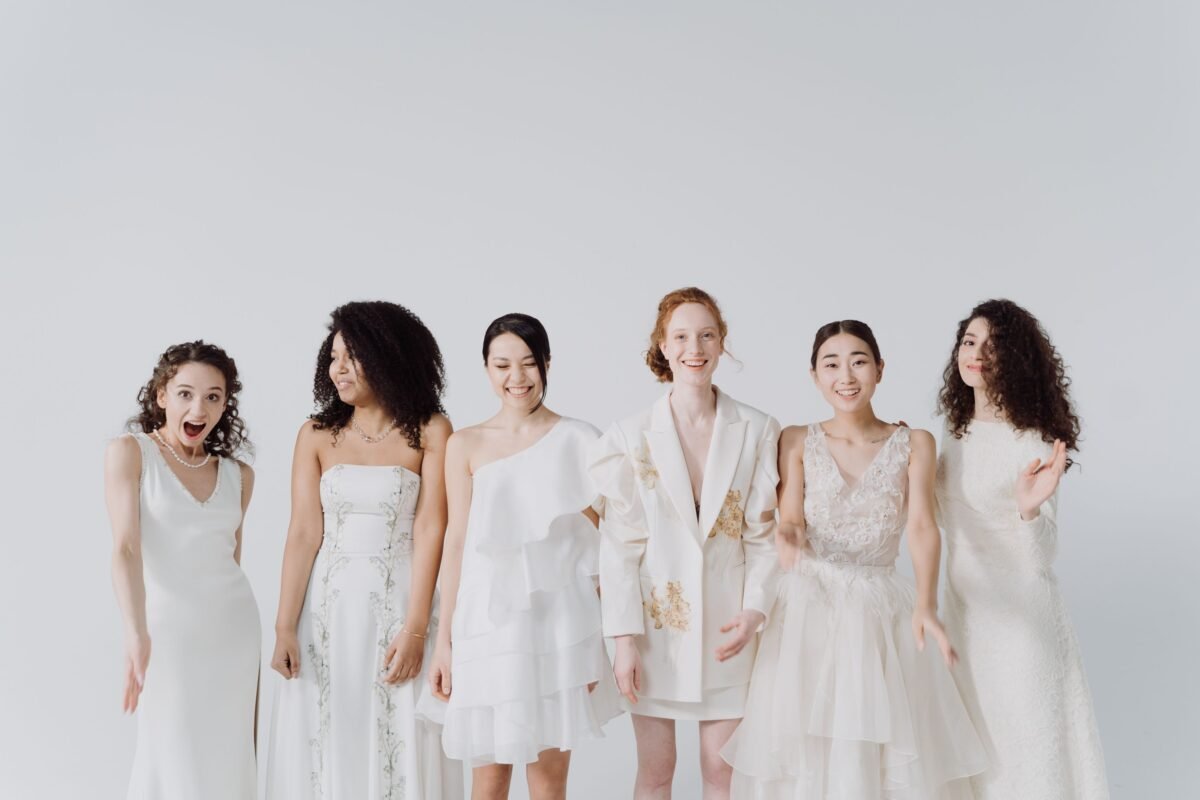
Many guides about dress silhouettes for body types hand you a strict chart and tell you what to wear. That approach can be limiting, because bodies do not fit neatly into categories, and what feels good matters more than what a rule says.
A better way to use the idea of the best dress silhouette for your body type is to treat it as a starting point for experimenting, not a verdict. Here is a flexible way to think about it.
Start with comfort. Think about the clothes you reach for most often. If you love fitted tops and structured skirts, you may enjoy sheath, bodycon, or slip silhouettes. If you prefer a defined top with movement below, A-line and fit-and-flare dresses may suit you. If you like relaxed clothing, shift and trapeze are worth exploring.
Decide how much waist definition you like. Some people enjoy a clear waist seam. Others prefer fabric that hangs freely. Options include a natural waist (A-line, fit-and-flare), a raised waist (empire), a dropped waist, or minimal waist definition (shift, trapeze).
Consider the proportions you enjoy highlighting. If you like drawing attention to the shoulders and neckline, you might enjoy a statement top with a simple skirt. If you like emphasizing the waist, a fitted waist with a fuller skirt is an option. These are personal choices, not corrections.
The same applies to wedding gown silhouettes by body type. The “best wedding dress silhouette” is the one that lets you move, breathe, and feel like yourself on the day. Bring several silhouettes to your fittings and judge them by how they feel, not by a chart.
Which Silhouette Fits Which Occasion?
Your lifestyle matters as much as your shape. Here are some suggestions, not strict rules.
- Everyday wear: shift, A-line, wrap, and trapeze dresses offer practical styling and easy movement.
- Work: sheath dresses and structured A-line designs look polished.
- Weddings and formal events: ball gown, mermaid, trumpet, and column silhouettes bring different levels of drama.
- Parties and evenings: slip and bodycon dresses create sleek, streamlined outfits.
For silhouette wear in general, think about the event’s dress code, the length of the day, Dress Silhouettes and how much you will move. Imagine yourself in the dress from the first hour to the last.
The Black Silhouette Dress: A Wardrobe Staple
A black silhouette dress deserves its own mention, because black shows the outline of a dress more clearly than almost any other color. With no print or color to distract the eye, the shape does all the work. That is why a black dress silhouette is a favorite for evening events and minimalist wardrobes.
A black sheath looks sharp and professional. A black slip dress feels understated and modern. A black bodycon silhouette dress makes a bold statement, Dress Silhouettes while a black A-line or fit-and-flare works from daytime to dinner. Because black is so shape-focused, it is a great way to test a new silhouette before committing to a bolder color or print.
Silhouette Comparison Table
| Silhouette | Defining Feature | Overall Look |
|---|---|---|
| A-line | Gradual flare from the waist | Balanced and classic |
| Sheath | Close-fitting, relatively straight | Sleek and structured |
| Shift | Minimal waist shaping | Relaxed and simple |
| Fit-and-flare | Fitted bodice, fuller skirt | Defined waist and volume |
| Empire waist | Raised waist below the bust | Flowing and soft |
| Wrap | Overlapping front panels | Adjustable and defined |
| Bodycon | Close-fitting stretch construction | Figure-hugging |
| Slip | Minimal construction, fluid drape | Soft and understated |
| Column | Long, narrow shape | Streamlined |
| Mermaid | Flares near the knee | Dramatic |
| Trumpet | Flares around mid-thigh | Structured and flowing |
| Ball gown | Fitted bodice, very full skirt | Dramatic and formal |
| Trapeze | Widens from the upper body | Loose and airy |
Look-Alike Silhouettes: How to Tell Them Apart
Some silhouettes look almost identical in photos. These comparisons help.
A-line vs. fit-and-flare: both widen toward the hem, but fit-and-flare usually has a more defined waist and a fuller skirt. Compare the waist construction and skirt volume.
Sheath vs. shift: a sheath follows the body’s lines more closely, while a shift hangs freely. Check the side seams and the fit at the waist and hips.
Trumpet vs. mermaid: both are fitted on top with a flared skirt. Look at where the flare begins and how much room the lower skirt has.
A-line vs. trapeze: an A-line has more waist definition, while a trapeze widens from higher up and hangs loosely.
Common Mistakes People Make With Dress Silhouettes
Confusing A-line with fit-and-flare. Check how the skirt begins to expand instead of judging only by the hemline.
Mixing up sheath and shift. A soft shift may look fitted in some photos, so look at the construction and side profile.
Assuming fabric does not change the look. A structured cotton A-line keeps a defined outline, while a chiffon A-line looks softer and more fluid. Fabric directly affects how a garment hangs and moves.
Choosing only by trend. A popular silhouette may look great in a campaign photo but not suit your daily life. Think about how often you will wear it and how comfortable it feels.
How Fabric and Construction Change a Dress Silhouette
The silhouette of a dress depends on more than its pattern. Fabric and construction decide how it holds its shape and moves.
Structured fabrics keep a defined outline. Taffeta is crisp and good for volume, mikado is common in formal and bridal gowns, and structured cotton holds its shape better than lightweight cotton. These help A-line and ball gown silhouettes keep their form.
Soft fabrics flow with movement. Chiffon is light and sheer, satin is smooth with a sheen, silk drapes elegantly, and lightweight jersey follows the body. They can make the same pattern look quite different.
Construction details matter too. Seams join pieces and set the shape. Dress Silhouettes Darts are small stitched folds that shape the fabric around curves. Pleats add volume or structure. Waist placement, whether natural, raised, or dropped, changes proportions. These details explain why two dresses with similar outlines can still fit and move differently.
Tips for Finding Your Favorite Dress Silhouette
Finding your preferred shape is a process of observation and experimentation, and you do not have to settle on one forever. Different silhouettes can suit different moods, seasons, and occasions.
- Review your wardrobe. Notice which dresses you wear most and what they share.
- Save photos you like. Compare outlines, not just colors and prints.
- Test for comfort. When trying a dress on, walk, sit, and raise your arms.
- Experiment. If you always wear A-line, try a shift or column and see how it feels.
- Compare similar shapes side by side. This shows which small details matter most to you.
There is no single silhouette everyone should wear. Your favorite is the one that reflects your style and works for the way you live.
Frequently Asked Questions About Dress Silhouettes
What are the most common types of dress silhouettes?
The most common are A-line, sheath, shift, fit-and-flare, wrap, and empire waist. Other popular ones include bodycon, slip, column, mermaid, trumpet, ball gown, and trapeze.
What is the difference between a dress style and a silhouette?
A silhouette is the overall outline. A style is the broader design, including neckline, sleeves, fabric, length, and details.
Which dress silhouette is the most versatile?
A-line, wrap, and shift dresses are very versatile because they come in many lengths, fabrics, and designs.
What is the best dress silhouette for my body type?
There is no single answer. Start with the fits you already enjoy, compare waist placement, skirt volume, and movement, and try several shapes.
What are the main types of wedding dress silhouettes?
The most common are A-line, ball gown, mermaid, trumpet, sheath or column, and empire waist.
Are mermaid and trumpet dresses the same?
No. A trumpet flares around mid-thigh, while a mermaid flares closer to the knee or lower leg.
What is the difference between A-line and fit-and-flare?
Fit-and-flare has a more defined waist and a fuller skirt, while A-line widens more gradually.