What Is a Sundress?
A sundress is a lightweight, casual dress made for warm weather. It is typically sleeveless, with thin straps, wide straps, a halter neck or no straps at all, and it is cut from breathable fabric such as cotton or linen. The skirt is usually loose or flowing, and the length can be mini, midi or maxi.
That is the quick answer. If you have ever stood in a shop wondering whether a dress counts as a sundress or just a summer dress, What Is a Sundress the rest of this guide settles it. You will get a simple checklist, a comparison with similar dresses, a fabric guide, a style breakdown, outfit ideas for different occasions and care tips.
In this guide:
- A quick definition and a 5-point sundress checklist
- Why people argue about what counts as a sundress
- Sundress vs summer dress, slip dress, shift dress and jumper dress
- Types of sundresses by neckline, silhouette and length
- Best fabrics, with a practical comparison
- How to choose one for your climate, comfort and occasion
- How to style a sundress, plus shoes, layers and accessories
- Care tips and FAQs
What Makes a Dress a Sundress? The 5-Point Checklist
People disagree on the exact boundaries, but most definitions come back to the same features. The more of these a dress has, What Is a Sundress the more likely it is a sundress.
- Warm-weather purpose. It is designed to keep you cool in heat, sun and humidity.
- Lightweight, breathable fabric. Think cotton, linen, lawn, seersucker or soft viscose rather than heavy satin or thick knit.
- Little or no sleeve coverage. Thin straps, wide straps, halter necks, tank-style tops or strapless tops are typical.
- Relaxed, casual feel. It suits daytime, outdoor and leisure settings rather than formal dress codes.
- Easy shape. Many sundresses have a loose or flowing skirt, though fitted bodices and smocked tops are very common.
A useful rule: if a dress looks right on a sunny afternoon at a market, a picnic or the beach boardwalk, What Is a Sundress it is probably a sundress.
Lightweight, Breathable Fabric
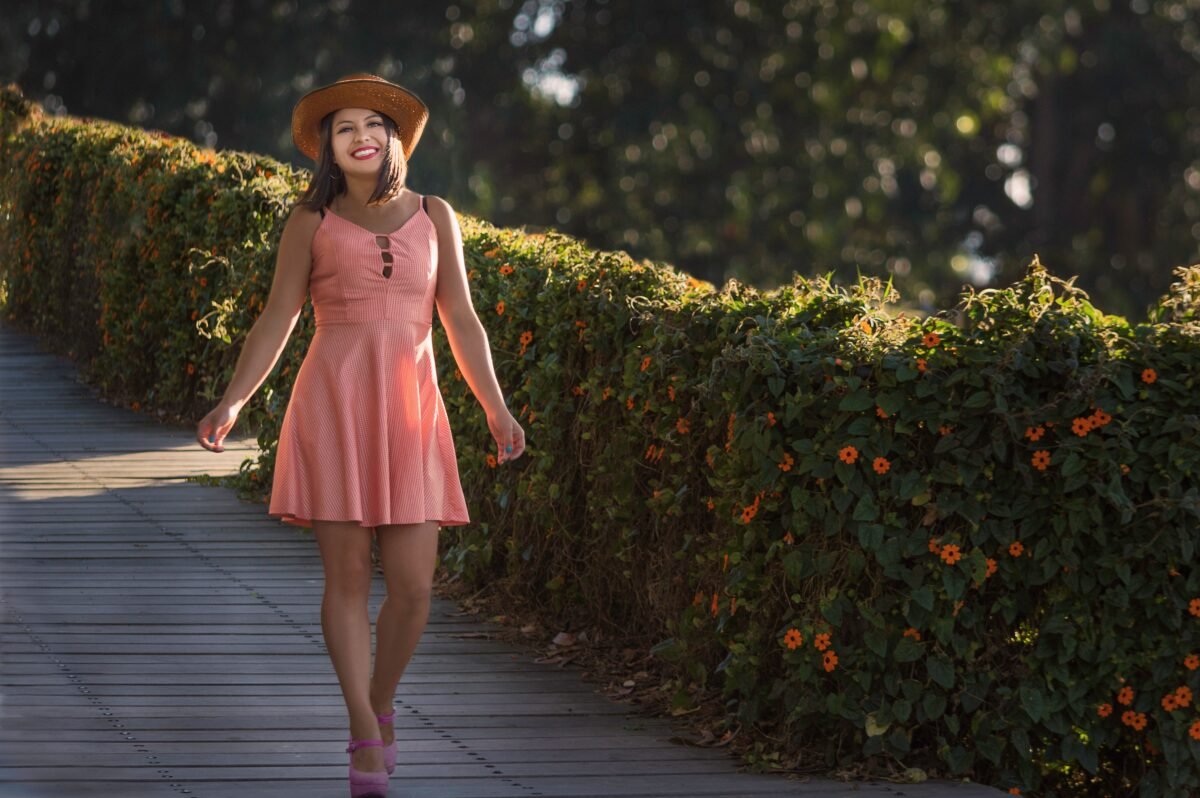
Fabric is the quiet clue. A sundress should move air, not trap it. Natural and plant-based fibres such as cotton and linen are classic choices because they let heat and moisture escape. What Is a Sundress Light viscose or rayon blends offer a softer drape and are also common.
Straps, Necklines and Sleeve Coverage
Most sundresses are sleeveless. Within that, the options are wide: spaghetti straps, wide tank straps, halter necks, square necks, sweetheart necks, tie shoulders and strapless bandeau tops. What Is a Sundress Short flutter sleeves or cap sleeves sit on the borderline, which leads to the next question.
Fitted Bodice or Relaxed Fit
Some sundresses are loose from top to bottom. What Is a Sundress Others have a fitted or smocked bodice with a fuller skirt. Both count, as long as the overall feel stays easy and casual.
Why Do People Disagree About What Counts as a Sundress?

If you search the question online, you will find strong opinions on both sides. What Is a Sundress That is because the word “sundress” describes a feel and a purpose as much as a strict pattern.
The strict view: A sundress must be sleeveless (or strapped), lightweight, casual and made for summer sun. Anything with sleeves, structure or a dressy fabric belongs in another category.
The flexible view: Any easy, breezy dress that you would wear in hot weather can be called a sundress, even with short sleeves or a more tailored cut.
A practical way to decide: Ask three questions.
- Would it be comfortable in real heat?
- Is it casual and relaxed rather than formal or structured?
- Does it show the shoulders, or is it very light on coverage at the top?
If the answer is yes to all three, call it a sundress with confidence. If it is yes to only one or two, “summer dress” is the safer label. What Is a Sundress Neither term is wrong, and retailers often use them interchangeably.
Sundress vs Summer Dress: What Is the Difference?
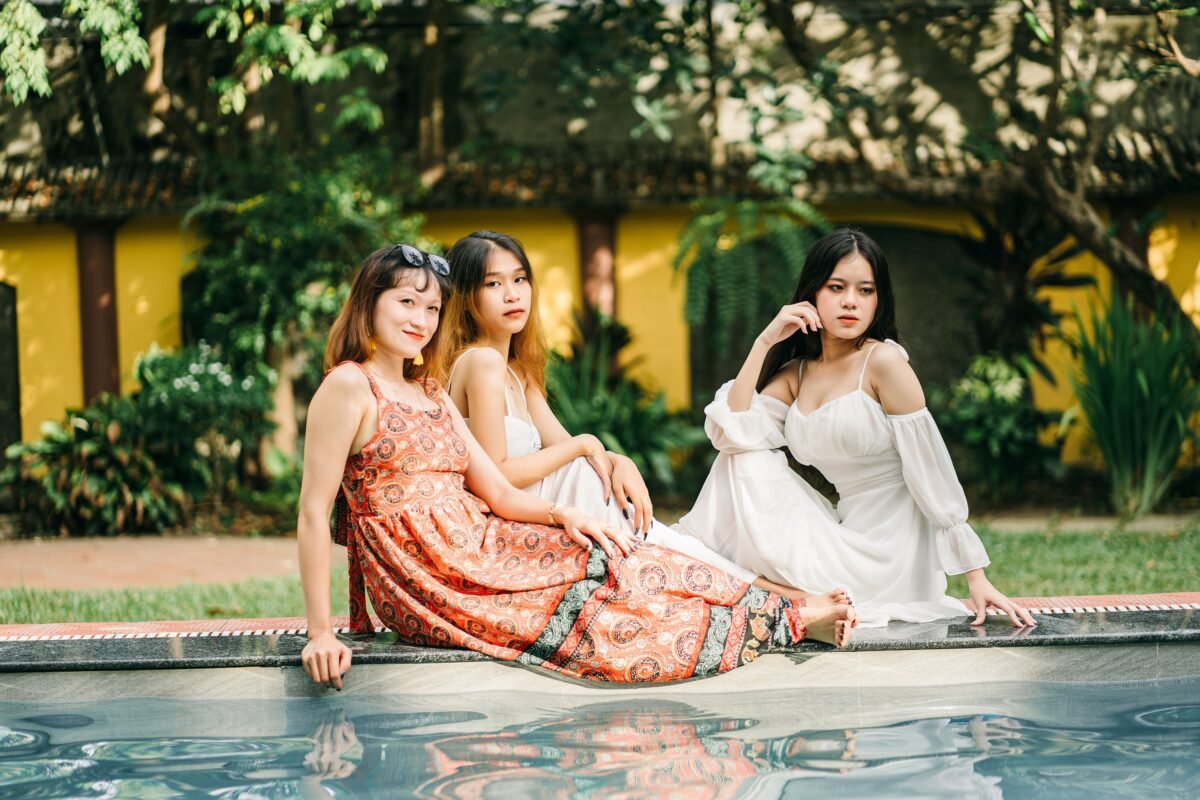
Think of it as a square-and-rectangle relationship. Every sundress is a summer dress, but not every summer dress is a sundress.
- A summer dress is any dress suited to warm weather. It might have sleeves, a collar, a shirt-dress buttoned front, a wrap shape or a dressier fabric.
- A sundress is a more specific type: casual, lightweight and typically sleeveless or strappy.
So a linen shirt dress with short sleeves is a perfectly good summer dress, but most people would not call it a sundress. What Is a Sundress A cotton dress with thin straps and a flowing skirt is both.
Sundress vs Slip Dress, Shift Dress and Jumper Dress
Several dress names get mixed up. Here is how they compare.
| Dress | Typical look | Fabric | Overall feel | Is it a sundress? |
|---|---|---|---|---|
| Sundress | Straps or sleeveless, loose or fitted bodice, easy skirt | Cotton, linen, lightweight blends | Casual, warm-weather | Yes |
| Summer dress (general) | May have sleeves, collars or wraps | Light fabrics | Varies | Sometimes |
| Slip dress | Slim, bias-cut, thin straps, often smooth and clingy | Satin, silk-like fabrics | Slinky, dressier | Sometimes, but usually more evening or layered |
| Shift dress | Straight, structured, minimal waist definition | Cotton, crepe, ponte | Office-friendly, neat | Rarely, unless sleeveless and casual |
| Jumper (pinafore) dress | Sleeveless overdress, usually worn over a top | Denim, cord, cotton | Layered, casual | Sometimes, in warm weather without a heavy layer |
| Maxi dress | Floor-length | Any | Varies | Yes if casual, lightweight and sleeveless or strappy |
A slip dress in satin can feel like a sundress on a warm evening, What Is a Sundress but its fabric and silhouette make it more of an evening or layering piece. A cotton slip-style dress with relaxed fit leans closer to a sundress.
Popular Types of Sundresses
Once you understand the basics, it helps to know the common variations. What Is a Sundress You can mix and match across these categories: a dress might be a tiered maxi with a halter neck, for instance.
By Silhouette
A-line and fit-and-flare: Fitted at the top, then widening gently from the waist. A forgiving, classic shape that moves well.
Tiered: Stacked layers of fabric that add volume and movement. Light, airy and good for breezy days.
Smocked bodice: Elasticated, gathered fabric at the chest or waist. It stretches for comfort and gives a flattering fit without zips.
Shirred or empire waist: Gathering at the bust or just below, with a free-flowing skirt.
Wrap style: A wrap bodice with a tie waist. Adjustable and flexible for different fits.
Shift or straight: A simple, unfitted cut that skims the body.
By Neckline and Straps
Spaghetti straps: Thin, delicate and very summery. Check for adjustable straps for a better fit.
Wide tank straps: More coverage and support, with a casual, sporty feel.
Halter neck: Straps join behind the neck. Shows the shoulders and suits many occasions.
Strapless / bandeau: Smocked or boned tops hold the dress up. Great for sunny days, though some people prefer more security.
Square or sweetheart neck: More structured shapes that suit slightly dressier sundresses.
Tie-shoulder: Adjustable bows at the shoulders add style and a custom fit.
By Length
Mini: Above the knee. Lightest and coolest, best for very hot weather.
Midi: Mid-calf. Versatile, polished and good for work, brunch and travel.
Maxi: Ankle or floor length. Elegant and easy, with good coverage for the legs.
A longer length does not make a dress less of a sundress. What counts is fabric, straps and casual feel.
Best Fabrics for Sundresses
Fabric affects comfort more than almost anything else. What Is a Sundress Here is a plain-English comparison.
| Fabric | How it feels | Breathability | Wrinkles | Best for | Watch out for |
|---|---|---|---|---|---|
| Cotton | Soft, familiar, easy | High | Moderate | Everyday wear, most climates | Can crease and may shrink if washed hot |
| Linen | Crisp, textured, airy | Very high | High (part of its charm) | Hot, dry weather, relaxed looks | Wrinkles easily, can feel stiff at first |
| Rayon / viscose | Smooth, fluid drape | Good | Moderate | Flowy styles, warm and humid days | Can be delicate and shrink if not cared for properly |
| Cotton blends (e.g. cotton-linen) | Balanced | High | Lower | Travel and daily wear | Quality varies |
| Seersucker | Puckered, lightweight | High | Low | Hot weather, casual outfits | Casual look only |
| Lawn / voile | Very light and sheer | High | Moderate | Hot weather with lining | May be see-through without a slip |
| Polyester blends | Smooth, durable | Lower | Low | Travel, easy care | Can feel warm and sticky in heat |
Tip: Hold the fabric up to a window. If you can see through it clearly, check whether the dress is lined. A lining or a slip adds coverage without adding much heat.
About sun protection: Some brands make sundresses with UV-protective fabrics, often labelled with a UPF rating. A dress with a UPF label offers a tested level of protection, but dresses without a label vary widely, and exposed shoulders and arms still need sunscreen. If sun safety matters to you, check the label and look for a trusted rating rather than assuming any dress will protect you.
How to Choose a Sundress for Your Needs
Instead of choosing by body type stereotypes, What Is a Sundress choose by what you actually need from the dress. Five questions will narrow things down quickly.
1. Climate
- Hot and dry: Linen, cotton and loose silhouettes.
- Hot and humid: Lightweight cotton, rayon and very airy shapes that do not cling.
- Mild or changeable: Cotton blends and styles that layer well with a cardigan or jacket.
2. Comfort and Movement
Check the stretch, the straps and the armholes. Raise your arms, sit down and walk quickly in the changing room. What Is a Sundress A comfortable sundress lets you do all three without tugging.
3. Coverage
Think about where you want more or less coverage: shoulders, chest, back and hem length. Wide straps, What Is a Sundress higher necklines, lined skirts and longer lengths all offer more coverage without losing the sundress feel. You can also add a light layer over the top.
4. Fit
- Straps: They should sit comfortably on your shoulders and not slip or dig in. Adjustable straps are very helpful.
- Bust and waist: Smocked and wrap styles adapt more easily. Fitted bodices need the right size.
- Skirt: Check for room to move. A very tight skirt will feel restrictive in warm weather.
- Length: Try it with the shoes you plan to wear, as this changes the look.
- Petite and tall: Petite shoppers can look for shorter midi lengths and higher waistlines. Tall shoppers may prefer maxi or longer midi options to avoid a too-short hem. Many brands now offer petite, tall and extended sizes.
5. Occasion
A printed cotton mini suits a beach day. A solid linen midi with structured straps suits brunch or a relaxed office. What Is a Sundress Choose the fabric, length and neckline to match where you will wear it.
How to Style a Sundress
One sundress can look very different depending on shoes, What Is a Sundress layers and accessories. Here are outfit formulas for common situations.
Casual Daytime
Formula: Cotton sundress + white or tan sneakers or flat sandals + crossbody bag + sunglasses.
Keep things simple. A denim jacket adds a layer for breezy mornings.
For Work or Smart-Casual Offices
Check your workplace dress code first. What Is a Sundress Many relaxed offices accept sundresses with a bit of structure.
Formula: Midi sundress with wide straps + lightweight blazer or cardigan + loafers or low block heels + structured tote.
Choose solid or subtle prints and keep the neckline modest if the office is more conservative.
At the Beach or by the Pool
Formula: Cotton or gauze sundress over swimwear + slides or flat sandals + straw hat + tote bag.
Choose quick-drying fabrics, and avoid delicate materials that can be ruined by sand, sunscreen and salt water.
On Holiday and Travel
Formula: Wrinkle-resistant midi or maxi sundress + comfortable walking sandals + light scarf or cardigan + small crossbody bag.
A scarf or light layer helps in air-conditioned places and when visiting churches, What Is a Sundress temples or museums with coverage rules.
Brunch, Picnics and Daytime Events
Formula: Tiered or A-line sundress in a bright print or soft pastel + espadrilles or strappy sandals + woven bag + simple jewellery.
A Casual Wedding or Garden Party
Check the invitation. For casual daytime weddings, a dressier midi or maxi sundress in a refined fabric may work.
Formula: Midi sundress in satin-blend, crepe or good-quality cotton + heeled sandals or wedges + clutch + delicate jewellery + light wrap.
If the dress code says formal or black-tie, choose a formal dress instead.
An Evening Out
Formula: Solid-colour sundress or slip-style dress + strappy heels or flat dress sandals + small bag + statement earrings + light jacket.
What Shoes and Accessories Go With a Sundress?
Shoes
- Flat sandals: The classic, easy option for everyday wear.
- Sneakers: Clean white or neutral sneakers give a relaxed, modern look.
- Espadrilles and wedges: Add height while staying summery.
- Block heels or heeled sandals: Dress up the look for events or evenings.
- Ankle boots: Great for cooler days and cross-seasonal outfits. Lightweight leather or suede works well.
- Loafers or ballet flats: Smart casual choices for work.
Bags and accessories
- Crossbody bag or small shoulder bag for daytime.
- Straw or woven tote for the beach and holidays.
- Wide-brim hat, sunglasses and a scarf for sun protection and style.
- Delicate necklaces and earrings, with simple pieces for busy prints and statement pieces for plain dresses.
What to wear over a sundress: A denim jacket, linen shirt tied at the waist, lightweight cardigan, kimono, blazer or cropped knit all work. What Is a Sundress Choose the layer for the weather and the formality of the occasion.
Can You Wear a Sundress in Spring or Fall?
Yes. A sundress can work for most of the year when you layer smartly.
Spring: Add a cropped jacket, cardigan or trench coat. Wear closed-toe shoes or sneakers, and choose slightly heavier fabrics such as cotton blends.
Autumn (fall): Pair a midi sundress with a fitted knit or shirt underneath, What Is a Sundress tights or opaque stockings, ankle boots and a longer coat or leather jacket.
Winter: Layering a sundress over a long-sleeve top or turtleneck with tights and boots can work in mild climates, but it is better to wear it as a transitional piece than a winter staple.
The rule: keep the sundress as the base, What Is a Sundress then build the temperature with layers beneath, over and around it.
Common Sundress Mistakes to Avoid
- Buying for looks and ignoring fabric. A beautiful dress in heavy or non-breathable material will be miserable in heat.
- Skipping the see-through test. Check in natural light and consider a slip if needed.
- Ignoring strap fit. Straps that slide or dig in ruin an otherwise good dress.
- Wearing the wrong dress for the dress code. A very casual sundress is not right for formal events or strict offices.
- Forgetting sun protection. Exposed shoulders and arms need sunscreen or a light cover-up.
- Overlooking washing instructions. Rayon, linen and delicate prints can shrink or fade if washed incorrectly.
- Choosing a length you cannot move in. Test sitting, walking and stairs.
How to Care for a Sundress
Good care keeps colours bright and fabrics soft.
- Read the label first. Different fabrics need different care, and the label is the most reliable guide.
- Wash gently. Cold or cool water and a mild detergent suit most sundresses. Delicate fabrics like rayon may need hand washing or a delicates bag.
- Turn the dress inside out. This protects prints and reduces friction.
- Avoid high heat. Hot dryers can shrink cotton and damage elastic in smocked bodices. Air drying flat or on a padded hanger is usually safer.
- Iron or steam at the right setting. Linen can handle higher heat and benefits from a damp press. Rayon and viscose prefer low heat or a steamer.
- Treat stains quickly. Sunscreen, sweat and food stains are easier to remove when fresh.
- Store carefully. Fold knits and smocked dresses to avoid stretching. Hang woven dresses on padded hangers, away from direct sunlight.
- Rotate your dresses. Wearing and washing in rotation reduces wear on any one piece.
Sundress Glossary
- Bodice: The upper part of a dress, from the shoulders to the waist.
- Smocking: Gathered, stretchy stitching that creates a fitted but flexible texture.
- Shirring: Rows of gathered elastic thread that give stretch.
- A-line: A shape that is narrow at the top and gradually widens toward the hem.
- Fit-and-flare: Fitted through the bodice with a skirt that flares out from the waist.
- Halter neck: Straps that connect behind the neck, leaving the shoulders and upper back open.
- Bandeau: A strapless straight-across neckline.
- Tiered: A skirt made of stacked layers or ruffles.
- Lining: A thin inner layer sewn inside a dress to add opacity and comfort.
- Drape: The way a fabric hangs and moves on the body.
- UPF: Ultraviolet Protection Factor, a rating for how much UV radiation a fabric lets through.
Frequently Asked Questions
What exactly is considered a sundress?
A sundress is a casual, lightweight dress designed for warm weather, usually sleeveless with straps or an open neckline and made from breathable fabric. The skirt is typically loose or flowing, but fitted bodices and smocked tops are common.
What is the difference between a sundress and a summer dress?
A summer dress is any dress suitable for warm weather, including styles with sleeves or a dressier look. A sundress is a more specific, casual type that is typically sleeveless or strappy. All sundresses are summer dresses, but not all summer dresses are sundresses.
Can a sundress have sleeves?
Traditionally, no, but modern interpretations are flexible. A dress with very short flutter or cap sleeves can still feel like a sundress if it is lightweight, casual and made for hot weather. Longer or structured sleeves usually move it into the general summer dress category.
Are sundresses supposed to be loose-fitting?
Not always. Many are loose and flowing, but sundresses with fitted or smocked bodices are common. What matters is that the dress is comfortable and lets air move around the body.
What fabrics are best for sundresses?
Cotton and linen are popular because they are breathable. Rayon or viscose gives a softer drape, cotton blends reduce wrinkles, and seersucker is light and textured. Choose based on your climate and how much care you want to put in.
Can you wear a sundress to work?
Often yes, in smart-casual or relaxed offices. Choose a midi length, wider straps or a modest neckline, then add a blazer or cardigan and closed shoes. Always check your workplace dress code.
What shoes look best with a sundress?
Flat sandals, clean sneakers, espadrilles, wedges and block heels all work. For cooler weather, try ankle boots. For work, loafers or ballet flats are polished options.
Can you wear a sundress in spring or fall?
Yes. Layer with a jacket, cardigan or denim jacket, add tights or a long-sleeve top underneath, and swap sandals for boots or sneakers.
Final Thoughts
So, what is a sundress? It is a light, casual, warm-weather dress, usually sleeveless or strappy, made to keep you comfortable and look relaxed. The boundaries are a little flexible, but the checklist makes it simple: warm-weather purpose, breathable fabric, little or no sleeve, casual feel and an easy shape.
When you shop, focus on fabric, fit, coverage and occasion rather than labels alone. Layer it for cooler days, dress it up with the right shoes and accessories, and wash it with care. Do that, and one good sundress will earn its place in your wardrobe again and again.