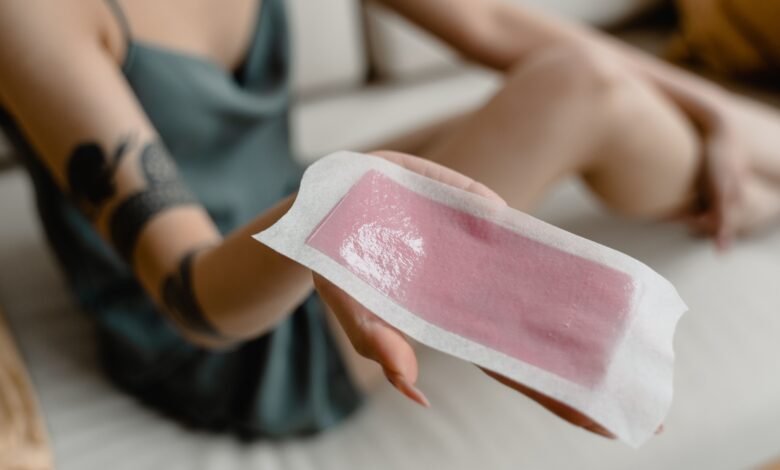
Does Waxing Reduce Hair Growth Waxing can slow regrowth for some people, but it does not permanently stop hair growth. Waxing pulls each hair out from the root, so it takes time for a new hair to reach the surface, which is why results last longer than shaving. Some regular waxers also notice that hair grows back sparser or finer over time, but this is not guaranteed, and dermatologists disagree on how much waxing really changes the follicle. The only methods dermatologists describe as permanently reducing hair growth are laser hair removal and electrolysis.
That is the honest version, and it is a more useful one than the promise of “hair-free in a few sessions” that many salon pages make. In this guide you will learn how waxing works on the hair and follicle, what you can realistically expect after one session and after many, Does Waxing Reduce Hair Growth why results differ so much from person to person, how waxing compares with shaving, laser and electrolysis, and how to wax safely.
Jump to: Does waxing really reduce hair growth? · How waxing removes hair · Short-term vs long-term effects · Does hair grow back thinner? · How long smooth skin lasts · What affects regrowth · Waxing vs shaving vs laser vs electrolysis · Risks · Aftercare · FAQs
Does Waxing Actually Reduce Hair Growth?

It depends on what you mean by “reduce.” There are three different things people expect, and the answers are not the same:
- Does waxing make hair take longer to show up again? Yes. Because the hair is removed from the root rather than cut at the surface, regrowth has to start from below the skin. Waxing results typically last about three to six weeks, compared with a few days for shaving.
- Does regular waxing make hair grow back thinner or sparser? Possibly. Some people, and some practitioners, report finer or slower regrowth after months of consistent waxing. A dermatologist quoted in a HuffPost piece said waxing may reduce the volume of hair over time compared with shaving, while another said this is not a given.
- Does waxing permanently stop hair growth? No. Waxing is considered temporary or, at best, semi-permanent. Dermatologists consistently point to laser and electrolysis as the methods that permanently decrease hair growth.
So the fair summary is: Does Waxing Reduce Hair Growth waxing reliably delays regrowth, may thin it for some people with consistent use, and does not permanently remove hair. Anyone who tells you otherwise is overselling.
How Waxing Removes Hair

To understand why results vary, it helps to know the basic anatomy and the way hair grows.
Hair shaft, root and follicle: what is the difference?
- The hair shaft is the visible strand above the skin.
- The root (or bulb) sits at the base of the strand, below the surface.
- The follicle is the small pocket in the skin that produces the hair, and it is the structure that decides whether a hair grows back.
Shaving cuts the shaft at the surface. It does not touch the follicle, which is why shaving cannot change how thick or dark your hair grows, despite the common myth. Does Waxing Reduce Hair Growth Waxing grips the shaft and pulls it out, usually taking the root with it. The follicle itself stays in the skin, ready to produce another hair. That last point is why waxing cannot be called permanent: the factory is still there.
The hair growth cycle: anagen, catagen and telogen
Hair on your body does not all grow at once. Every follicle cycles through phases independently:
- Anagen (growth phase): the hair is actively growing and attached firmly at the root.
- Catagen (transition phase): growth stops and the follicle shrinks briefly.
- Telogen (resting phase): the old hair rests, then sheds as a new one begins to form.
At any given moment, only a portion of the hairs on a body area are in the growth phase. Hairs in a resting phase may be too short to grip, so they stay behind after waxing and appear a few days later, which is why you can see “stragglers” soon after an appointment. Does Waxing Reduce Hair Growth This is also why waxing works best when hair is long enough for the wax to grab, usually around a quarter of an inch or a little more, and why regular scheduling matters.
Simple way to picture it: waxing resets the visible hair for the hairs it catches, but it can only catch what is ready. Over several sessions, you remove hairs across different stages, so the area looks more even, and some people feel the regrowth becomes lighter.
Short-Term vs Long-Term Effects of Waxing

What happens after the first appointment
After your first wax, the area is smooth because the hairs came out from the root. New hairs begin to appear as the follicles produce them, Does Waxing Reduce Hair Growth and the tips are tapered naturally rather than blunt, so regrowth often feels softer than the stubble that follows shaving. Many people see visible regrowth around the two to three week mark, with full regrowth by about four to six weeks, though hair on fast-growing areas such as the underarms and bikini line returns sooner.
There is no real “reduction” in hair density after one session. What you notice is simply time: the delay between removal and regrowth.
What regular waxing may change
Some people find that after repeated, consistently spaced waxing:
- Regrowth looks finer or sparser in some areas.
- Hairs come back at slightly different times, so fewer hairs are visible at once.
- Sessions feel less painful because there is less hair to remove and the skin becomes accustomed to the process.
Practitioners often describe this as the follicle being weakened by repeated pulling. That idea is plausible and widely reported, Does Waxing Reduce Hair Growth but it is not firmly established as a universal, permanent effect, and large controlled studies are limited. It is best treated as a possible outcome, not a promise. A reasonable expectation is “maybe a little less hair over time,” not “no hair”.
Why you should be wary of fixed timelines
Some articles claim you will see results after exactly three, six or twelve months. Does Waxing Reduce Hair Growth Real-world results are far more varied. Genetics, hormones, hair type, body area and how consistently you wax all matter, and some people notice no change at all. If a source gives a fixed timeline with no qualifier, treat it with caution.
Does Waxing Make Hair Grow Back Thinner?
For some people, yes, but not for everyone, and not permanently. Here is what is true and what is not.
True: Hair removed at the root grows back with a natural tapered tip, which can feel softer than the blunt edge of shaved hair. Some regular waxers notice sparser, finer regrowth over time.
Not true: The idea that shaving makes hair grow back thicker or darker is a myth. Shaving trims the shaft and does not change the follicle, and this is why waxing and shaving differ mainly in how long results last, not in how thick hair grows.
Uncertain: How much a follicle can be “weakened” by waxing. Individual responses vary widely, and dermatologists do not all agree that waxing meaningfully reduces hair in the long run. If thinner regrowth is your main goal, set your expectations on the cautious side.
How Long Does Waxing Keep Skin Smooth?
Most people get about three to six weeks of smoothness from waxing, Does Waxing Reduce Hair Growth depending on the body area and how fast their hair grows. Shaving results usually last only a few days. For comparison, areas where hair grows quickly, such as the underarms, bikini line and eyebrows, may need a wax every two to four weeks to stay smooth, while arms and legs may stretch longer.
| Body area | Typical regrowth speed | Common waxing interval |
| Eyebrows and upper lip | Fast | About 2 to 4 weeks |
| Underarms | Fast | About 3 to 4 weeks |
| Bikini line | Fast | About 3 to 5 weeks |
| Legs | Moderate | About 4 to 6 weeks |
| Arms | Moderate | About 4 to 6 weeks |
| Back and chest | Varies | About 4 to 6 weeks |
These are rough ranges, not rules. Does Waxing Reduce Hair Growth Your own hair cycle decides the schedule. To get the cleanest results, let the hair grow to about a quarter of an inch before your next appointment, and avoid waxing the same area too frequently, because waxing too soon can irritate the skin and increase ingrown hairs.
What Affects Hair Regrowth After Waxing?
If you have friends who swear waxing changed their hair and others who saw nothing, both can be right. These factors drive the difference:
Genetics and hormones
How much hair you have, how coarse it is and how fast it grows are mostly set by genetics and hormones. Hormonal changes (puberty, pregnancy, menopause, Does Waxing Reduce Hair Growth certain medical conditions and some medications) can change growth patterns regardless of how you remove hair. If new or excessive hair growth appears suddenly, speak with a doctor, because this can sometimes signal an underlying condition that waxing will not address.
Body area and hair type
Fine, light hair may respond differently from thick, coarse hair, and areas like the underarms and bikini line have faster cycles than legs or arms. Curly hair can curl back toward the skin as it grows, which affects ingrown hair risk as well as how regrowth looks.
Consistency and appointment spacing
People who wax consistently on a regular schedule tend to report the most noticeable changes, because they are catching hairs in similar phases of the cycle. Irregular waxing, long gaps and switching between shaving and waxing can mean you keep disrupting the cycle without building a pattern.
Skin condition and technique
A skilled technician who pulls the wax in the right direction and removes the root fully gives better results than a poor technique, which can break hairs at the surface (which then behave like shaved hair) and irritate the skin.
Waxing vs Shaving vs Laser vs Electrolysis
Choosing a hair removal method depends on how long you want results to last and how much commitment and cost you are comfortable with.
| Method | How it works | Typical results | Permanence | Main drawbacks |
| Shaving | Cuts hair at the skin surface | A few days | None | Frequent upkeep, razor irritation, nicks |
| Waxing | Pulls hair out from the root | About 3 to 6 weeks | Temporary, possible thinning for some | Pain, irritation, ingrown hairs, regular appointments |
| Laser hair removal | Light energy targets pigment in the hair to damage the follicle | Significant reduction after multiple sessions | Long-term reduction, not always complete | Cost, multiple sessions, works best on dark hair and suitable skin tones |
| Electrolysis | Current applied to individual follicles | Permanent removal for treated follicles | Permanent | Slow, time-consuming, cost |
A board-certified dermatologist quoted in a Yahoo Lifestyle feature said an 80 percent or greater reduction in hair growth is a common result after a series of laser treatments, and that waxing, by contrast, Does Waxing Reduce Hair Growth must be continued indefinitely. Dermatologists also note that electrolysis can be used where laser is less effective, such as on white or grey hair.
Which should you choose? If you want smooth skin for a few weeks without a long-term commitment, waxing is a solid option. If your goal is long-term or permanent reduction, ask a qualified professional about laser or electrolysis. If you only need a quick tidy-up, shaving is the cheapest and simplest choice.
Waxing Risks and Skin-Safety Considerations
Waxing is common and generally safe when done properly, but it is not risk-free. Does Waxing Reduce Hair Growth Being honest about the downsides is part of making a good decision.
Irritation, burns and ingrown hairs
- Redness, bumps and tenderness are common right after waxing and usually settle within a day or so.
- Ingrown hairs can occur with any hair removal method. Some dermatologists consider waxing one of the more frequent causes, particularly on the bikini line and legs.
- Folliculitis (inflamed follicles) and acne-like breakouts can follow waxing in some people.
- Burns are possible if wax is too hot or applied badly, which is one reason to avoid DIY wax that you overheat in a microwave.
- Skin lifting or tearing can happen on thin, fragile or sun-damaged skin.
- Infection risk rises when tools or wax are reused unhygienically.
When to postpone waxing or ask a professional
Skip waxing and speak to a doctor or dermatologist first if you:
- Use topical retinoids (such as tretinoin) or other products that thin the skin. Dermatologists often advise stopping them for about five to seven days before waxing the treated area, and you should follow your prescriber’s advice.
- Take oral acne medication or other prescription drugs that affect skin fragility. Ask your prescriber before waxing.
- Have sunburn, broken skin, rashes, cuts, active infections, cold sores or eczema flares on the area.
- Have moles, warts, varicose veins or other skin growths in the area to be waxed. Waxing should not be done over these.
- Have diabetes, circulation problems or a condition that slows healing.
- Are pregnant and unsure how your skin will react, because skin can be more sensitive.
Choose a hygienic provider
A reputable salon uses clean applicators, never double-dips a stick into shared wax, wears gloves, Does Waxing Reduce Hair Growth Does Waxing Reduce Hair Growth and uses fresh strips or discards used wax appropriately. If a setup looks unclean, leave. Your skin is worth more than a discount.
Waxing Aftercare: What to Do Between Sessions
Good aftercare reduces irritation and ingrown hairs, which also helps results look better.
Right after waxing (first 24 to 48 hours):
- Keep the area clean and avoid touching it with unwashed hands.
- Skip hot baths, saunas, steam rooms and heavy workouts that cause sweating or friction.
- Avoid tanning, sunbeds and strong sun exposure, and use sunscreen on exposed areas.
- Wear loose, breathable clothing.
- Avoid perfumed products, harsh scrubs and exfoliating acids.
- Use a gentle soothing product if the skin feels sore.
Between sessions:
- Begin gentle exfoliation after the skin has calmed down, usually after a couple of days, to help prevent ingrown hairs.
- Moisturize regularly so the skin stays supple.
- Do not pick at or squeeze bumps.
- Let hair grow to a waxable length before the next appointment instead of waxing too early.
Before your appointment:
- Let hair grow to about a quarter of an inch.
- Clean the skin and avoid applying heavy lotions or oils beforehand.
- Skip retinol and exfoliating products on the area for a few days, as advised by your provider.
- Take it easy on caffeine and alcohol if you are sensitive, since some people find the skin feels more tender.
What Is a Realistic Expectation?
Here is the honest summary you can share with a friend:
- You will get smooth skin for roughly three to six weeks, depending on the area.
- Regrowth may feel softer than shaved stubble.
- With consistent waxing over many months, some people notice sparser or finer regrowth, but many notice little change.
- If you want permanent reduction, waxing is not the right tool.
- Prepare for possible irritation or ingrown hairs, and look after your skin between sessions.
Set expectations this way and you will not be disappointed, and you will be better placed to decide whether waxing fits your goals.
Frequently Asked Questions
Does waxing reduce hair growth permanently?
No. Waxing is temporary. Some regular waxers see thinner or slower regrowth, but permanent reduction is generally associated with laser hair removal and electrolysis, not waxing.
How many waxing sessions are needed to notice a difference?
There is no fixed number. Some people notice softer, sparser regrowth after several consistent sessions over a few months, while others notice little change. Results depend on genetics, hormones, hair type and body area.
Does waxing make hair grow back thinner?
It can for some people, particularly with consistent waxing over time, but it is not guaranteed. Regrowth also tends to feel softer than shaved hair because the tips are tapered.
How long does hair take to grow back after waxing?
Typically about three to six weeks, though hair on fast-growing areas such as the underarms, bikini line and eyebrows may reappear sooner.
Is waxing better than shaving for regrowth?
Waxing keeps skin smooth longer, since hair has to regrow from the root. Shaving results usually last only a few days. Shaving does not change thickness or darkness, which is a common myth.
Can waxing damage hair follicles?
Waxing puts stress on the follicle and some practitioners say repeated pulling can weaken it, which may explain thinner regrowth in some people. It can also inflame follicles and cause folliculitis or ingrown hairs. The extent of lasting follicle damage is not well established.
What are the common side effects of waxing?
Redness, tenderness, small bumps, ingrown hairs, folliculitis, and occasionally burns, lifting of skin or infection if hygiene is poor.
What is the difference between waxing and laser hair removal?
Waxing removes hair from the root but leaves the follicle intact, so hair grows back. Laser uses light energy to damage the follicle, and with a series of treatments it can significantly reduce hair growth over the long term, though it works best on certain hair and skin combinations and costs more.
Final Thoughts
Waxing is a good way to keep skin smooth for several weeks, and some people enjoy sparser, softer regrowth after sticking with it. But it is not a permanent solution, and it is not a guaranteed way to thin your hair. If you want long-term reduction, talk to a qualified professional about laser or electrolysis. If you simply want a longer-lasting alternative to shaving, waxing is a reasonable choice, as long as you choose a hygienic provider, prepare your skin and care for it afterward.
If you notice sudden or excessive hair growth, persistent skin reactions or anything that worries you, see a doctor or dermatologist instead of relying on any hair removal method alone.