Walk through any clothing store and you will find joggers in almost every section: gym wear, loungewear, streetwear, even smart-casual collections. They have become one of the most popular everyday trousers, but many shoppers still wonder what separates them from sweatpants, track pants, or ordinary casual trousers. Is it the cuffs? The fabric? The fit?
This guide answers all of that. You will learn what joggers are, how to recognize them, how they compare with similar pants, which types exist, how they should fit, what are joggers which fabrics work best for different purposes, how to style them, and how to wash them so they last. The guide is written for everyone, whether you are shopping for men’s joggers, women’s joggers, or a unisex pair.
What Are Joggers?

Joggers are casual, comfort-focused trousers with a tapered leg that narrows toward the ankle, where an elastic or ribbed cuff holds the hem in place. Most pairs also have an elastic waistband, usually with a drawstring, and a relaxed fit through the hips and thighs. This combination gives you room to move through the upper leg while keeping the lower leg neat and close to the ankle.
If you want a quick test, look at the hem. Pants that gather at the ankle with a cuff or ribbed band, and have a soft, stretchy waist, are almost certainly joggers. what are joggers The term “jogger pants” means exactly the same thing. The name comes from their original sporty purpose, but today they are worn far beyond running, from errands and travel to relaxed workdays and weekend outfits.
Key Features That Make Joggers Different
Several details work together to make a pair of pants a jogger:
- Elastic waistband: a stretchy waist that sits comfortably without a zip or button. Many pairs add a drawstring so you can adjust the fit.
- Tapered leg: the leg narrows from the thigh toward the ankle instead of staying straight or widening.
- Ribbed or elastic ankle cuffs: the defining feature. The cuff holds the hem against the ankle, so the fabric does not drag on the floor.
- Relaxed upper fit: extra room through the hips and thighs for movement.
- Soft, flexible fabric: usually cotton, fleece, jersey, or a stretch blend.
- Practical pockets: side pockets are standard, and some pairs add back pockets, zip pockets, or cargo pockets.
A pair does not need every feature to count as a jogger, but the tapered leg and cuffed ankle are the most reliable signs.
How Joggers Have Evolved Beyond Workout Wear
Joggers started as functional sportswear, but they now sit comfortably inside athleisure, the broad category of clothing that blends athletic comfort with everyday style. what are joggers Designers and brands now make joggers in many fabrics and finishes, including lightweight woven versions that look closer to tailored trousers. This is why one pair might suit a gym session while another works for a casual office day.
That variety is also why choosing the right pair can feel confusing. The sections below break it down step by step.
Joggers vs. Sweatpants vs. Track Pants
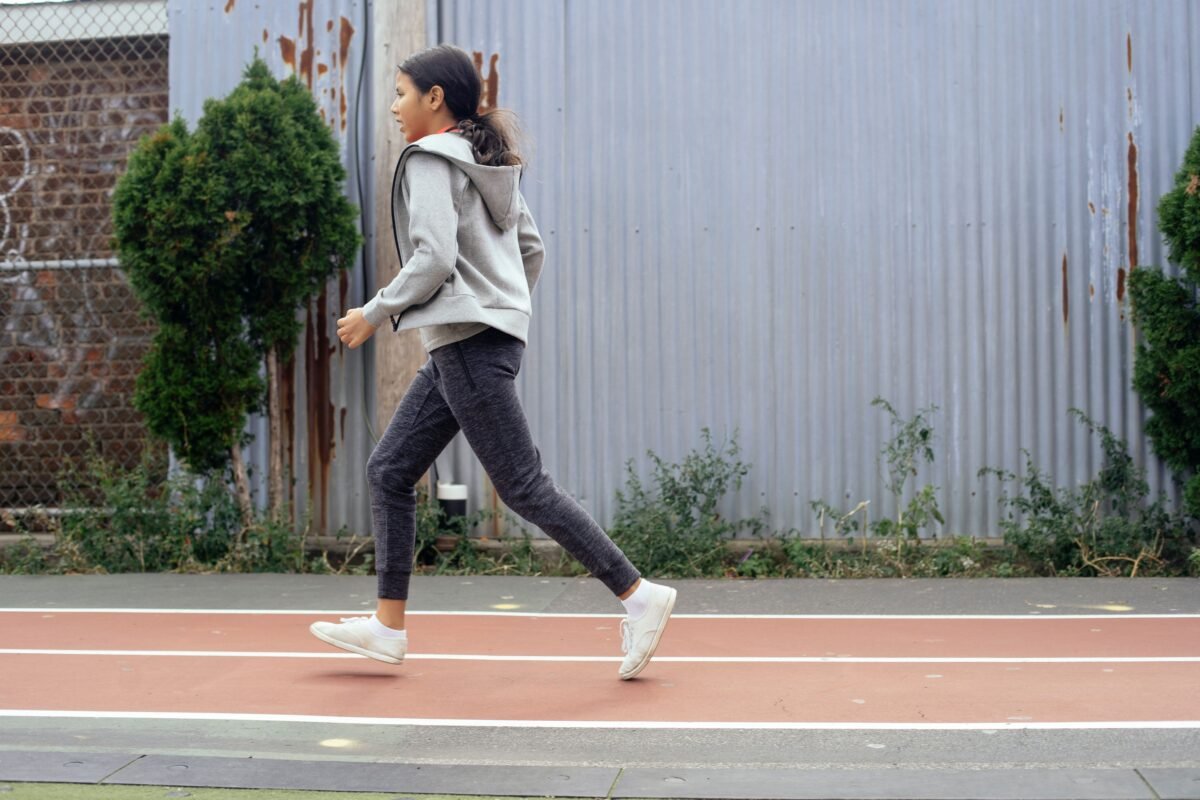
These three are often confused because all are comfortable, what are joggers elastic-waisted pants. The differences are small but useful to know, especially when you are shopping online and relying on product descriptions.
| Feature | Joggers | Sweatpants | Track Pants |
|---|---|---|---|
| Leg shape | Tapered toward the ankle | Usually straight or relaxed | Usually straight, sometimes slightly tapered |
| Hem | Ribbed or elastic cuff | Open hem or loose cuff | Open hem, sometimes with zip ankles |
| Typical fabric | Cotton, French terry, fleece, polyester blends | Heavier cotton or fleece | Lightweight polyester or nylon |
| Main purpose | Everyday wear, gym, travel, casual outfits | Lounging, warmth, home comfort | Sports, warm-ups, training |
| Fit | Relaxed top, narrower bottom | Loose throughout | Straight and often slim |
| Dressing up | Easiest to style up | Hardest to dress up | Sporty look, limited styling |
Differences in Fit and Shape
The biggest visual difference is the leg. Joggers narrow toward the ankle and finish with a cuff. Sweatpants usually hang straight down and may have an open hem. Track pants are typically straighter and sleeker, often with side stripes or snap or zip details at the ankle.
Differences in Fabric and Purpose
Sweatpants are traditionally made from thicker fabrics for warmth and lounging. Track pants use lighter synthetic fabrics designed for movement and warm-ups. what are joggers Joggers cover the widest range, from soft cotton to technical blends, which is why they are the most versatile of the three.
Note that brands do not always use these words consistently. Some stores label tapered sweatpants as joggers, and some call track bottoms joggers. When in doubt, check the product photo for the cuffed hem and tapered leg.
Different Types of Joggers
With so many options, it helps to think of joggers in two groups: types based on fit and shape, and types based on purpose. A single pair can belong to both. For example, you can buy slim-fit joggers made for running, or relaxed joggers made for lounging.
Types of Joggers by Fit and Shape
Slim-Fit Joggers
Slim-fit joggers sit closer to the body through the thighs and legs while keeping the cuffed ankle. They create a neat, streamlined outline and work well if you prefer a sharper look. Check for stretch in the fabric so they stay comfortable when you sit or squat.
Tapered Joggers
Tapered joggers are fuller at the hips and thighs and narrow gradually toward the ankle. This is the classic jogger shape and the one most people picture. It offers a good balance of comfort and tidiness, and it suits most shoes and outfits.
Relaxed and Baggy Joggers
These have generous room through the hips, thighs, and often the lower leg. They give a loose, comfortable fit and a streetwear-influenced look. Because of the extra fabric, they pair best with fitted tops so the outfit does not feel shapeless.
Straight-Leg and Wide-Leg Joggers
Straight-leg and wide-leg versions are cut with less taper, and some skip the cuff entirely. Strictly speaking, they sit between joggers and sweatpants. what are joggers They are a good choice if you find a tapered ankle too restrictive, and wide-leg versions create a relaxed, fashion-forward silhouette.
Cuffed and Cropped Joggers
Cuffed joggers have a clearly defined ribbed band at the ankle. Cropped joggers end above the ankle bone, which shows off your shoes and suits warmer weather. A cropped length works best when the cuff is snug, so the shape stays neat.
Cargo Joggers
Cargo joggers add large side pockets, often with flaps or snaps, to the jogger shape. They are practical for carrying a phone, keys, or a small wallet, and they give a utility-inspired look. If you dislike bulk at the thighs, choose slimmer pockets or a more tapered cut.
Types of Joggers by Purpose
Running and Training Joggers
Made for movement, these are usually lightweight and often use polyester or nylon blends with stretch. Look for breathable, moisture-wicking fabric, a secure waistband, what are joggers and zip pockets so small items do not bounce around. Joggers for running should feel light and never restrict your stride.
Gym Joggers
Joggers for gym use need stretch, flexibility, and sweat management. A medium-weight stretch fabric allows squats and lunges without pulling. Choose a waistband that stays in place and a cuff that is not so tight that it presses on your ankle.
Lounge and Travel Joggers
For long flights, road trips, or relaxed days at home, softness matters most. Cotton jersey, French terry, and fleece are popular because they feel gentle on the skin. Deep, secure pockets are especially helpful when you are traveling.
Smart Joggers
Smart or dressy joggers use woven or crepe-style fabrics, what are joggers cleaner lines, and a more tailored taper. They are designed to look closer to trousers while keeping an elastic waist. They are useful for relaxed workplaces and casual events, though they still depend on the dress code.
How Should Joggers Fit?

Fit decides whether joggers feel excellent or irritating. Use these checks when trying on a pair or reading a size chart.
Waist and Rise
The waistband should sit comfortably without digging in or sliding down. Pull the drawstring to fine-tune it, but the pair should still feel secure when it is loosely tied. what are joggers The rise is the distance from the crotch seam to the top of the waistband. A higher rise sits at or near the natural waist and gives more coverage, while a lower rise sits on the hips. Choose the one that stays put when you bend and sit.
Thigh and Leg Shape
You should be able to squat, climb stairs, and sit cross-legged without feeling any pulling. The fabric should not cling tightly across the thighs unless you chose a slim fit on purpose. If you see tight horizontal creases across the lap when standing, the pair is probably too small through the thigh.
Ankle Cuffs and Inseam
The inseam is the length from the crotch to the hem. For classic joggers, the cuff should rest at or just above the ankle, with a little fabric gathering above the band. what are joggers The cuff should hold the leg in place but not leave deep marks on your skin. If the pants pile heavily over your shoes, the inseam is too long for a jogger look. If they stop well above the ankle bone, you have a cropped fit.
A Quick Movement Test
Before you buy, do three simple things: squat, lift your knee high, and sit down. If you can do all three comfortably, the fit works. Also check that the waistband does not roll and the pockets lie flat.
Which Fabric Is Best for Joggers?
The right fabric depends on how and where you will wear them.
Cotton and French Terry
Cotton is soft, breathable, and easy to care for, which makes it a good everyday choice. French terry is a cotton fabric with a smooth outer face and a looped, soft inside. what are joggers It feels cozy without being too heavy, so it suits spring, autumn, and indoor comfort. Cotton absorbs moisture and dries slowly, so it is not ideal for intense workouts.
Fleece and Warm Fabrics
Fleece has a soft, brushed inside that traps warmth. It is the best option for cold weather, lounging, and winter travel. It can feel too hot indoors or during exercise, so save it for cooler days.
Polyester, Nylon, and Stretch Blends
These synthetic fabrics are lightweight, quick-drying, and often designed to wick moisture away from the skin. They are the better choice for running, training, and hot weather. what are joggers Stretch blends that include elastane add flexibility. Pure synthetics can feel less breathable than natural fibers for some people, so look for fabrics described as breathable.
Fabric by Purpose: Quick Guide
| Purpose | Best fabric type | Why it works |
|---|---|---|
| Everyday casual | Cotton, French terry | Soft, breathable, easy to wear |
| Cold weather and lounging | Fleece | Warm and cozy |
| Running and gym | Polyester or nylon blends with stretch | Lightweight, quick-drying, flexible |
| Travel | Cotton blends, soft jersey | Comfortable for long hours |
| Smart-casual | Crepe or woven stretch fabrics | Cleaner, more tailored look |
Remember that fabric blends vary, so always check the composition label instead of relying on the product name alone.
How to Style Joggers for Different Occasions
One reason joggers are so popular is how easy they are to style. The key is to balance their relaxed shape with the rest of your outfit.
Everyday Casual Outfits
For errands and weekends, pair joggers with a plain t-shirt, a hoodie, what are joggers or a casual overshirt. Sneakers are the natural choice. If your joggers are relaxed or baggy, keep the top more fitted. If they are slim, you can wear a looser top.
Gym and Workout Outfits
Keep it functional. Pair joggers with a moisture-wicking tee or tank and supportive trainers. In cooler weather, add a light zip-up layer for warm-ups and cool-downs.
Travel and Airport Outfits
Comfort and practicality come first. Choose soft joggers with secure pockets, then add a comfortable tee, a light jacket, and slip-on shoes that are easy to remove at security. Layers help when cabin temperatures change.
Smart-Casual Styling
You can wear joggers in a smart-casual way if you choose the right pair and the setting allows it. Pick dark, plain joggers in a woven or crepe-style fabric with no logos or heavy branding. what are joggers Pair them with a crisp shirt, a knit top, or a blazer, and finish with clean leather sneakers or loafers. This will not suit strict dress codes, so always check your workplace or event rules first.
What Shoes Go With Joggers?
Clean sneakers are the safest choice. Running shoes suit sporty looks, minimalist leather sneakers suit smart-casual outfits, and boots work well with relaxed or cargo styles. what are joggers For cropped joggers, low-profile shoes show off the ankle neatly.
Seasonal Styling
In summer, choose lightweight, breathable joggers and pair them with tees or tank tops. In winter, switch to fleece joggers and layer with sweaters, coats, and warm socks.
What to Check Before Buying Joggers
A pair that looks great online can disappoint in person. This checklist helps you avoid that.
Size, Fabric, Pockets, and Waistband
- Size chart: compare your measurements with the brand’s chart instead of assuming your usual size fits.
- Fabric composition: check the percentage of cotton, polyester, and elastane. Stretch helps comfort and movement.
- Pockets: make sure they are deep enough for a phone and lie flat. Zip pockets are useful for running and travel.
- Waistband: look for a soft, wide elastic band and a drawstring that is well attached.
Comfort and Quality Checklist
- Cuff tightness: the cuff should hold the hem without leaving marks.
- Opacity: hold the fabric up to the light, especially for lighter colors, to check it is not see-through.
- Seam quality: look for even, tight stitching, especially around pockets and the crotch.
- Fabric weight: match it to the season and activity.
- Return policy: fit varies between brands, so a clear return or exchange policy is valuable.
How to Wash and Care for Joggers
Good care keeps joggers soft and helps them hold their shape.
- Follow the care label. It gives the safest instructions for your specific fabric.
- Wash with similar colors. This prevents dye transfer, especially with dark or bright shades.
- Turn them inside out. This reduces pilling and protects prints and finishes.
- Use a gentle cycle and cool or warm water. Hot water can cause cotton to shrink and can damage stretch fibers.
- Avoid fabric softener on performance fabrics. It can reduce moisture-wicking ability.
- Dry carefully. Air drying is gentlest. If you use a dryer, choose low heat, because high heat can shrink cotton and weaken elastic.
- Check cuffs and waistbands. Heat is the biggest enemy of elastic, so avoid ironing directly on ribbed cuffs.
Different fabrics behave differently. Cotton and French terry may shrink slightly if washed hot, fleece can pill if washed with rough items, and synthetics generally dry fast but can hold odors, so wash them soon after workouts.
Frequently Asked Questions About Joggers
Are Joggers the Same as Sweatpants?
Not exactly. Both are comfortable and elastic-waisted, but joggers have a tapered leg with a cuffed ankle, while sweatpants usually hang straighter and often have an open hem. Brands sometimes mix the labels, so check the shape in the photos.
Can You Wear Joggers Casually?
Yes. Casual wear is where joggers are most popular. They suit errands, weekends, travel, and relaxed meetups, and they pair easily with tees, hoodies, and sneakers.
Are Joggers Suitable for Running?
Some are. Joggers for running should be lightweight, breathable, and stretchy, usually made from polyester or nylon blends. Heavy cotton or fleece joggers can feel warm and hold sweat, so they suit lounging better.
Are Joggers Casual or Athletic Wear?
Some are. Joggers for running should be lightweight, breathable, and stretchy, usually made from polyester or nylon blends. Heavy cotton or fleece joggers can feel warm and hold sweat, so they suit lounging better.
Should Joggers Be Tight or Loose?
Neither extreme. They should be relaxed enough to let you move freely through the hips and thighs, and neat enough at the ankle to keep the cuff in place. Slim, regular, and relaxed fits are all valid, so choose based on comfort and preference.
Can I Wear Joggers to the Office?
It depends on your dress code. In relaxed or creative workplaces, smart joggers in dark, plain, woven fabrics may be fine. In formal environments, they are usually not appropriate. When unsure, ask or follow what colleagues wear.
Final Thoughts: How to Choose the Right Joggers
Joggers are popular because they combine comfort, flexibility, and easy style. Once you understand the core features, which are an elastic waist, a tapered leg, and a cuffed ankle, you can pick the right pair for your needs instead of guessing.
Start with your main purpose. If you want everyday comfort, choose tapered cotton or French terry joggers. If you train or run, pick breathable stretch fabrics with secure pockets. For lounging and travel, go for soft, warm materials. For smart-casual outfits, choose clean, dark, woven styles without heavy branding.
Then check the fit using the waist, thigh, and ankle tests, read the fabric composition, and care for them according to the label. With the right pair, joggers can be the most comfortable and versatile trousers in your wardrobe.