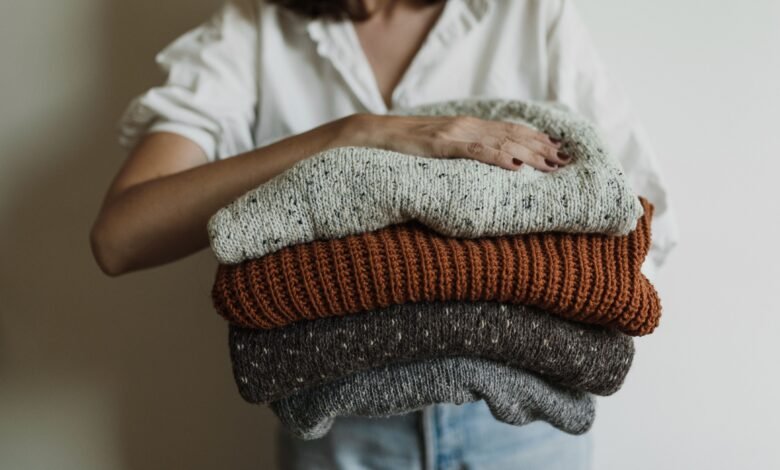
how to wash wool sweater A good wool sweater is one of the best things in your wardrobe. It keeps you warm, it looks great for years, and it rarely smells bad. It is also the one garment people are most afraid to wash. Everyone knows a story about a favourite jumper that came out of the washing machine small enough to fit a child.
The good news is that wool is far tougher than its reputation. Once you understand why wool shrinks, and which three things cause the damage (heat, agitation and the wrong soap), washing it at home becomes easy and even a little relaxing. This guide shows you exactly how to wash wool sweater styles of every type, including merino, lambswool, cashmere and wool blends, with the right temperatures, timings and drying methods. You will also learn how to remove stains, fix a sweater that has started to shrink, stop pilling, and store your knitwear so it lasts for decades.
How to Wash a Wool Sweater in 6 Steps

If you only have a minute, here is the short version of how to wash wool sweater garments safely:
- Read the care label to see whether the sweater is hand wash, machine washable or dry clean only.
- Fill a basin with cool to lukewarm water (about 30°C, never above 40°C) and add a small amount of wool detergent.
- Turn the sweater inside out and press it under the water gently. Do not scrub, rub or twist.
- Soak for 5 to 10 minutes, then drain and rinse with water of the same temperature until the water runs clear.
- Press out the water, never wring. Roll the sweater in a clean towel to remove moisture.
- Dry flat on a fresh towel or drying rack, away from direct sun and heat. Reshape it while damp.
The rest of this guide explains each step in detail, so you understand the “why” and never have to guess.
Why Wool Sweaters Shrink (and Why Washing Them Is Not Actually Risky)

To wash wool well, it helps to know what is happening inside the fibre. Each wool fibre is covered in tiny overlapping scales, a bit like the scales on a pine cone. When wool is exposed to heat, how to wash wool sweater moisture and friction at the same time, those scales lock together. The fibres tangle, tighten and cannot slide apart again. This process is called felting, and it is what people call “shrinking.”
That means three things damage a wool sweater in the wash:
- Heat: hot water and hot dryers open the scales and make them lock.
- Agitation: rubbing, wringing, twisting and fast machine spinning push the fibres together.
- Harsh detergent: ordinary laundry powders and liquids are alkaline and often contain enzymes that can attack the protein in wool, leaving it rough and weak.
Remove those three causes and wool washes beautifully. Wool is also naturally resistant to odour and dirt, so you will not need to wash your sweater very often, which is better for the fabric and for the planet.
How Often Should You Wash a Wool Sweater?
Less often than you think. Wool does not hold on to body odour like cotton or synthetic fabrics do, and it releases moisture into the air. For a sweater worn over a shirt or base layer, a good rule is to wash it after every 5 to 10 wears. If you wear it directly against your skin, or you sweat in it, wash it after every 2 to 3 wears.
Wash sooner if you see visible stains, how to wash wool sweater if the sweater smells of smoke, food or perfume that airing does not remove, or if you plan to store it for the season. Over-washing is one of the main reasons knitwear wears out and loses its shape.
Between washes, hang the sweater in fresh air in the shade for a few hours, or lay it flat and let it rest for a day. Wool recovers its shape and freshness surprisingly well when you simply let it breathe.
Step 1: Check the Care Label Before You Wash
Every wool sweater has a care label sewn inside, usually at the side seam or the back neck. This tiny tag is the most important piece of information you have, how to wash wool sweater because the manufacturer knows the yarn, the dye and the knit.
Here is what the common symbols mean for knitwear:
| Label Symbol | What It Means | What You Should Do |
|---|---|---|
| Tub with a hand | Hand wash only | Follow the hand wash method below |
| Tub with a number (30°C or 40°C) and a line underneath | Gentle machine wash at that maximum temperature | Use the wool or delicate cycle, in a mesh bag |
| Tub with “Wool” or a wool-cycle mark | Machine washable wool | Use the wool program at 30°C or cold |
| Tub crossed out | Do not wash | Dry clean or professional care only |
| Square with a horizontal line | Dry flat | Never hang or tumble dry |
| Crossed-out triangle | Do not bleach | Never use bleach or stain removers with bleach |
| Crossed-out tumble dryer | Do not tumble dry | Always air dry |
If the label is missing or unreadable, treat the sweater as hand wash only. how to wash wool sweater That is always the safest choice. If it is labelled dry clean only, or it has beads, sequins, leather trims or a delicate lining, take it to a professional cleaner.
What You Need Before You Start
Gather everything first so you are not rushing once the sweater is wet.
- A clean basin, sink or bathtub (about 5 to 8 litres of water for one sweater)
- A detergent made for wool, silk or delicates (pH-neutral and free of enzymes and bleach)
- Two or three large, clean, light-coloured towels
- A mesh laundry bag (if machine washing)
- A flat drying rack or a dry spot where you can lay the sweater out
- Optional: a thermometer to check the water, white vinegar, and a soft clean cloth for spot treatment
A quick note on detergent: look for products labelled “wool wash” or “for delicates.” how to wash wool sweater Many people have good results with baby shampoo in an emergency, but regular laundry detergent is a poor choice for wool. A mild, neutral formula protects the natural lanolin and softness of the fibre.
How to Hand Wash a Wool Sweater (Best Method for Every Type of Wool)
Hand washing is the gentlest and safest way to clean any wool sweater, and it is the method most care experts recommend when you are unsure. It takes about 20 minutes of your time, plus drying.
Step 1: Prepare the Sweater
Lay the sweater flat and check it for stains, holes and loose threads. Fix any loose threads before washing, because water can make small snags bigger. Turn the sweater inside out. how to wash wool sweater This protects the outside surface from friction and helps prevent pilling.
If you have a stain, treat it first (see the stain removal section below).
Step 2: Fill the Basin with the Right Water Temperature
Fill your basin with cool to lukewarm water, around 30°C. how to wash wool sweater It should feel barely warm or neutral on your wrist. Never use hot water. The maximum safe temperature for most wool is 40°C, but staying nearer 30°C is safer for merino, lambswool and especially cashmere.
Important: keep the temperature the same from wash to rinse. A big jump between hot and cold water shocks the fibres and can cause felting.
Step 3: Add Wool Detergent
Add a small amount of wool detergent, usually about a teaspoon to a tablespoon, how to wash wool sweater depending on the product and the size of the basin. Always follow the label. Swish the water with your hand until the detergent is fully dissolved before the sweater goes in. Never pour detergent directly onto the fabric.
Step 4: Submerge and Soak for 5 to 10 Minutes
Place the sweater in the water and gently press it down until it is fully wet. how to wash wool sweater Let it soak for 5 to 10 minutes. Most wool needs no longer than that. Cashmere and very fine knits should stay closer to 5 minutes. Heavier chunky knits can take the full 10.
During the soak, gently squeeze the sweater a few times to move the soapy water through the fibres. Do not rub, scrub, twist or stretch it. If one area is dirtier, such as the cuffs or collar, press that area gently between your fingers.
Step 5: Rinse Thoroughly
Drain the dirty water without lifting the sweater by its own weight, how to wash wool sweater because wet wool is heavy and will stretch. Refill the basin with clean water at the same temperature. Press the sweater gently to rinse out the soap, then drain again. Repeat two or three times until the water is clear and no suds remain.
No-rinse wool washes exist, but a final rinse is still a good idea if you have sensitive skin.
Step 6: Remove Excess Water Without Wringing
This is the step where most sweaters are ruined. Never wring or twist wool. Instead, press the sweater against the side of the basin to squeeze out water, then lift it carefully with both hands under its full weight, supporting the body and the sleeves.
Lay it flat on a thick, clean towel. Roll the towel up with the sweater inside, like a sushi roll, and press gently along the length. The towel absorbs a lot of water. Unroll and move on to drying.
How to Machine Wash a Wool Sweater Safely
Can you put a wool sweater in the washing machine? Yes, but only if the care label allows it, and only if you follow some strict rules. Modern machines with a dedicated wool program are designed to mimic hand washing, and many wool sweaters are labelled machine washable. If you are asking how to wash wool sweater styles in the machine without shrinking them, here is the safe process.
- Confirm the label. Look for the machine wash symbol or a wool-cycle mark.
- Turn the sweater inside out and place it in a mesh laundry bag. The bag reduces friction and stops the sleeves from stretching.
- Wash it with other delicates only. Do not include jeans, towels, zips or anything rough. Wash only one or two sweaters at once, and keep the drum no more than one-third full.
- Choose the wool or hand wash cycle. If your machine has neither, choose the delicate cycle with cold water.
- Set the temperature to 30°C or cold. Never go above 40°C.
- Use wool detergent in the amount recommended on the bottle. Do not use fabric softener or bleach.
- Choose the lowest spin speed. Fast spinning stretches and distorts knitwear. If you can, pick a spin of around 600 rpm or lower, or skip the spin and remove the water by hand with a towel.
- Remove the sweater straight away when the cycle ends. Wet wool left in a pile creases, can stretch and may pick up dye from other items.
If you are in doubt about your machine, the hand wash method is always safer.
Hand Wash vs Machine Wash: Which Is Better for a Wool Sweater?
| Factor | Hand Wash | Machine Wash (Wool Cycle) |
|---|---|---|
| Safety for the fibre | Safest | Safe only if label allows |
| Best for | Cashmere, lambswool, vintage, hand-knit, delicate items | Machine-washable merino and wool blends |
| Water temperature | About 30°C | 30°C or cold |
| Time needed | About 20 minutes plus drying | A few minutes of effort plus the cycle |
| Risk of shrinking | Very low | Low if rules are followed |
| Risk of stretching | Low with careful lifting | Higher if spin speed is too fast |
When in doubt, hand wash. When in a hurry and the label allows it, use the wool cycle in a mesh bag.
How to Wash Different Types of Wool Sweaters
Not all wool is the same. A fine cashmere sweater needs more care than a thick Shetland knit. Here is how to adjust the method for each type.
How to Wash a Merino Wool Sweater
Merino is a fine, soft wool, and it is the most forgiving of all. Many merino sweaters are machine washable, how to wash wool sweater especially those treated for washability. Use the wool cycle at 30°C in a mesh bag, or hand wash for 5 to 10 minutes. Merino dries faster than thick wool, so check it after a few hours.
How to Wash a Lambswool Sweater
Lambswool is soft, warm and a little more prone to felting than merino. Hand washing is best. Use cool water, minimal detergent and a short soak. Keep movement to a minimum, and press rather than wring.
How to Wash a Cashmere Sweater
Cashmere is luxurious and delicate, so treat it with extra care. how to wash wool sweater Always hand wash unless the label clearly says otherwise. Use cool water around 25 to 30°C and a detergent made for cashmere or wool. Soak for just 5 minutes. Lift the sweater slowly with both hands, never by one sleeve. Dry flat and reshape the neckline and cuffs while it is still damp.
How to Wash a Shetland or Chunky Hand-Knit Sweater
Heavy and hand-knit sweaters hold a lot of water and stretch under their own weight. Wash them by hand and support the weight at all times. Press out water with towels rather than lifting a dripping sweater. Drying can take up to 48 hours, so use a large rack and turn the sweater once or twice.
How to Wash a Wool Blend Sweater (Wool and Cotton, Acrylic or Polyester)
Blends are usually a little more robust, but the wool part still reacts to heat. Follow the care label, how to wash wool sweater wash in cool water, and avoid the tumble dryer. The synthetic content may dry faster, but flat drying is still best.
How to Wash a Pashmina or Angora Sweater
These are the most delicate fibres of all. Angora in particular sheds and felts easily. Wash only when truly needed, use a very short soak and consider professional cleaning if the label suggests it.
How to Remove Stains from a Wool Sweater
Act quickly, but gently. Fresh stains are much easier to remove than old ones. The golden rules are: blot, do not rub; use cool water, never hot; and avoid bleach.
- Food and drink (coffee, wine, juice): Blot with a clean cloth, then dab with cool water and a drop of wool detergent. Blot again and rinse. For red wine, keep blotting until the cloth stays clean.
- Oil and grease: Sprinkle cornstarch or baking soda on the spot, leave for 15 to 30 minutes to absorb the oil, then brush it off softly and wash as normal.
- Sweat and deodorant marks: Soak the area in cool water mixed with a little wool detergent for a few minutes, then wash the whole sweater.
- Mud: Let it dry completely first, then brush it off with a soft brush before washing.
- Ink and unknown stains: Do not experiment. Take the sweater to a professional cleaner, because the wrong product can set the stain permanently.
Never put chlorine bleach on wool. It dissolves the fibre and turns white wool yellow. Avoid enzyme-based stain removers for the same reason.
How to Dry a Wool Sweater Without Stretching or Shrinking It
Drying is just as important as washing. Many sweaters are perfectly washed and then ruined on the drying rack.
- Roll in a towel and press gently to remove water, as described above.
- Lay the sweater flat on a dry towel or a mesh drying rack. Do not hang it on a hanger or a washing line, because the weight of the water pulls the shoulders and sleeves out of shape.
- Reshape it by hand. Smooth the body, line up the sleeves, straighten the neckline and cuffs. Match the original size.
- Keep it away from heat and direct sun. Do not dry on a radiator, near a heater or in a tumble dryer. Heat causes shrinking and sun fades colour. A shaded, airy room is perfect.
- Turn it over after a few hours and replace the towel if it is soaked. This helps both sides dry evenly.
- Be patient. A wool sweater usually needs 24 to 48 hours to dry completely, depending on thickness and humidity.
Once it is dry, let the sweater rest for a day before wearing, how to wash wool sweater so the fibres can settle back into shape. A quick steam or a light press with a cool iron and a cloth on top can remove any creases. Never press directly on the wool.
What to Do If Your Wool Sweater Shrinks (How to Fix It)
Don’t panic. If the sweater is only slightly smaller, you can often relax the fibres and gently stretch it back. This works best on mild shrinkage that happened recently.
- Fill a basin with lukewarm water and add a tablespoon or two of hair conditioner or baby shampoo. These soften the fibres.
- Soak the sweater for 10 to 15 minutes.
- Press out the water gently and roll the sweater in a towel.
- Lay it flat on a dry towel and carefully stretch it back to its size, how to wash wool sweater working a little at a time from the shoulders, body and sleeves.
- Pin or hold the shape in place if needed and leave it to dry flat. Repeat if necessary.
If the sweater has felted heavily and feels thick and stiff, the fibres have bonded permanently and you will not be able to reverse it fully. In that case, consider giving it to a smaller person, or use the fabric for a craft project.
How to Stop Pilling and Care for Fuzzy Balls on Wool
Pilling, the formation of small fuzzy balls on the surface, is very common on new wool sweaters and is not a sign of poor quality. It happens where fibres rub together, especially under the arms and where a bag strap sits. Short fibres work loose, tangle and form pills.
- Do not pull the pills off with your fingers, because that can damage the knit.
- Use a fabric shaver, a wool comb or a pumice-style sweater stone and gently remove them.
- Wash the sweater inside out to reduce friction.
- Avoid wearing it with rough bags, belts or jewellery in the same spot.
- Pilling reduces over time as the loose fibres are removed.
How to Freshen a Wool Sweater Without Washing It
Because wool resists odour, a fresh-air break often works better than a wash. Try these simple methods:
- Hang the sweater outdoors in the shade for a few hours, or by an open window.
- Use a garment steamer on a low setting to relax the fibres and release odours.
- Lay it flat with a few drops of a wool-safe fabric spray nearby, never directly on the fabric.
- Place it in a breathable cotton bag with a cedar block or lavender sachet.
If there is a smell of smoke or cooking, a short soak in cool water with a splash of white vinegar can help. Rinse well afterwards.
How to Store Wool Sweaters (So They Last for Years)
Proper storage keeps your sweaters in shape and protects them from moths.
- Always clean the sweater before storing. Moths are drawn to body oils, sweat and food traces.
- Make sure it is completely dry. Any dampness can lead to mould or a musty smell.
- Fold, never hang. Hanging stretches the shoulders. Fold the sweater neatly and stack it loosely.
- Use breathable storage. Cotton bags, linen covers or a drawer are ideal. Avoid sealed plastic bags, which trap moisture.
- Add natural moth deterrents such as cedar blocks or lavender sachets. Replace or refresh them every few months.
- Check on your sweaters every month or two for signs of moth damage and air them out.
For long-term storage over summer, wash first, dry fully, and fold the sweaters into a clean cotton pillowcase or a breathable garment box.
Common Mistakes When Washing a Wool Sweater
Avoid these mistakes and you will avoid most disasters:
- Using hot water or switching between hot and cold water.
- Wringing, twisting or scrubbing the sweater.
- Using regular laundry detergent, bleach, or an enzyme-based cleaner.
- Adding fabric softener, which coats the fibres and reduces breathability.
- Hanging a wet sweater to dry, which stretches it.
- Using the tumble dryer or drying near a heater.
- Washing a wool sweater with heavy items such as jeans or towels.
- Leaving it wet in a pile or in the machine after the cycle.
- Ignoring the care label.
- Over-washing. Wool needs less washing than most fabrics.
When Should You Dry Clean a Wool Sweater?
Dry cleaning is not always necessary. Choose it if the label says “dry clean only,” if the sweater has decorative elements, a lining or structured tailoring, or if it is a very expensive piece you do not want to risk. how to wash wool sweater For everyday merino, lambswool and blends, careful home washing is gentler, cheaper and just as effective. Ask your cleaner to use a gentle process, and avoid having the same sweater dry cleaned too often.
Wool Sweater Washing Checklist (Save or Print)
- Check the care label and test the colour on a hidden seam if the sweater is new.
- Fix loose threads and treat stains.
- Turn the sweater inside out.
- Use cool to lukewarm water (about 30°C, never above 40°C).
- Use a small amount of wool detergent.
- Soak for 5 to 10 minutes. No scrubbing.
- Rinse in water of the same temperature until clear.
- Press out water. Never wring.
- Roll in a towel.
- Lay flat, reshape, and dry away from heat and sun.
- Let it rest before wearing, then store folded.
Frequently Asked Questions About Washing Wool Sweaters
Can I wash a wool sweater in the washing machine?
Yes, if the care label says it is machine washable. Use the wool or delicate cycle at 30°C or cold, put the sweater inside out in a mesh bag, use wool detergent and choose a low spin speed. If the label says hand wash only or the sweater is cashmere, wash by hand.
What is the best water temperature for washing a wool sweater?
Around 30°C, which feels barely warm. Never go above 40°C, and keep the rinse water at the same temperature as the wash water.
How long should I soak a wool sweater?
Five to ten minutes is enough. Fine knits like cashmere need closer to five minutes. Longer soaks do not clean better and can stress the fibres.
Can I use regular detergent on a wool sweater?
It is best not to. Regular detergents are harsh and may contain enzymes that damage the protein in wool. Use a mild, pH-neutral detergent made for wool or delicates.
Can I use fabric softener or vinegar on wool?
Fabric softener is not recommended because it can coat the fibres. A small splash of white vinegar in the rinse water is sometimes used to remove soap residue and odours, but it is optional.
Can I put a wool sweater in the dryer?
No. Heat and tumbling cause felting and shrinking. Always dry wool sweaters flat, away from heat. Only dry in a tumble dryer if the care label specifically allows it.
How do I wash a wool sweater without shrinking it?
No. Heat and tumbling cause felting and shrinking. Always dry wool sweaters flat, away from heat. Only dry in a tumble dryer if the care label specifically allows it.
Final Thoughts: Washing Wool Sweater Garments Is Easier Than You Think
Wool does not need to be complicated. The whole secret of how to wash wool sweater styles safely comes down to a few habits: cool water, a gentle wool detergent, no rubbing or wringing, and drying flat away from heat. Follow these and your sweaters will stay soft, warm and well-shaped for many years.
Start with the care label, choose hand washing when in doubt, and give your knitwear time to rest and dry properly. A little patience at the sink saves you from the heartbreak of a shrunken favourite, and it keeps your wardrobe looking beautiful season after season.