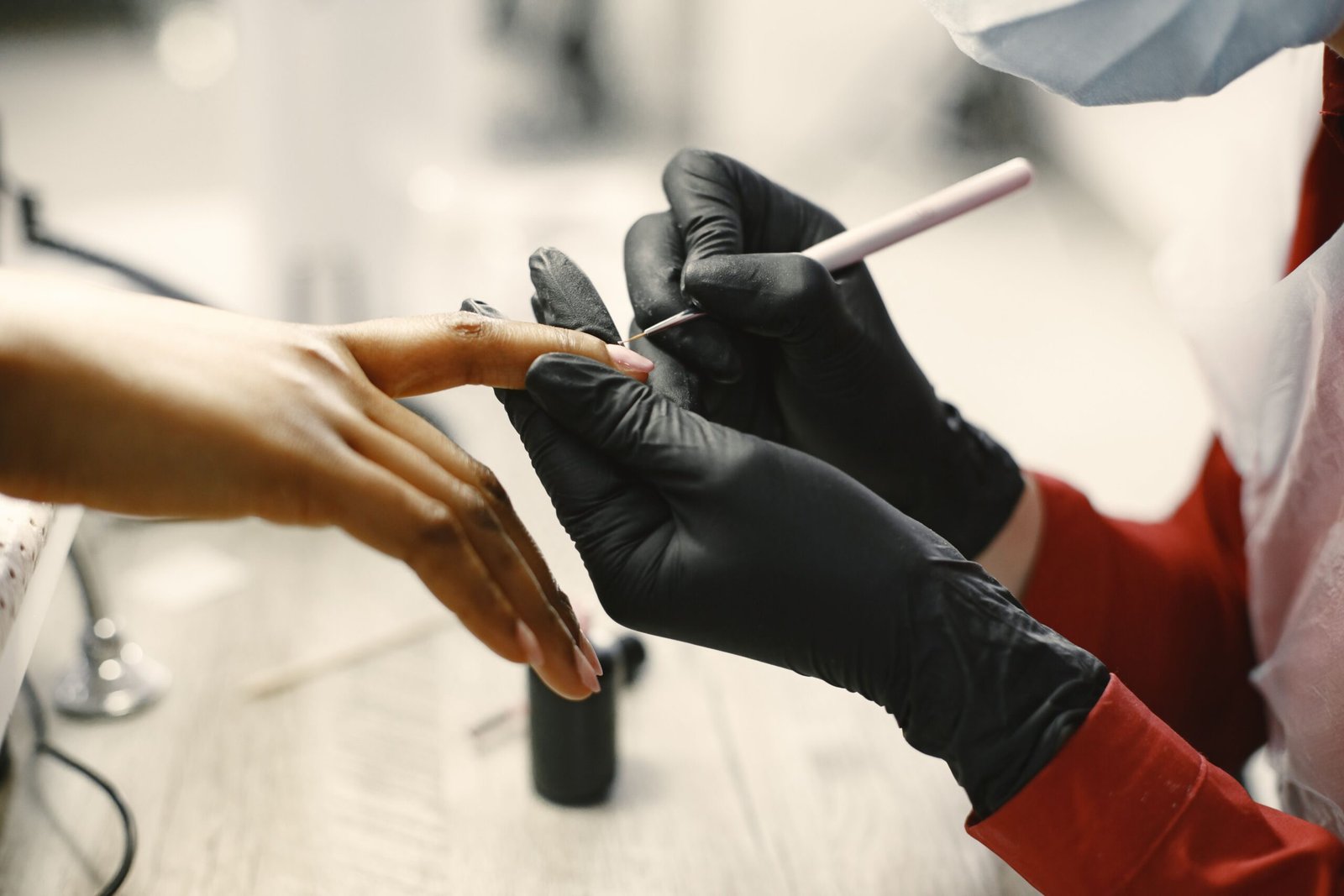
A Russian manicure is a dry manicure that uses an electric nail file (an e-file) with small, fine bits to clean the skin around the nail, remove loose tissue and prepare the nail for polish. It usually involves no soaking and no clippers, and it is often finished with gel polish. Fans love the neat, clean look and long wear. What Is a Russian Manicure Dermatologists warn that aggressive work on the cuticle area can raise the risk of irritation and infection, so technician training and hygiene matter far more than the name of the technique.
What Is a Russian Manicure?
If you are asking what is a Russian manicure, here is the plain answer: it is a detailed, precision-style manicure where a technician uses a rotating electric file and tiny bits to work around the nail edges, rather than soaking the hands and trimming the cuticle with nippers. Because the nails are not soaked first, it is often called a dry manicure or e-file manicure.
The technique became hugely popular through social media videos that show a very clean, sharply defined nail edge, sometimes described as a “no-cuticle” or “floating” look. Many people attribute its roots to Russia and Eastern Europe, and the name stuck, but the exact origin story varies depending on who tells it. What Is a Russian Manicure The key point for you as a client is not where it started, but what is physically done to your nails and skin.
A Russian manicure is not one standardized method. The steps, the bits and the depth of work differ from one technician to another. What Is a Russian Manicure That is why two people can have the same “Russian manicure” and very different experiences, one gentle and tidy, the other rough and damaging.
Cuticle vs. Eponychium: The Anatomy You Need to Know

Much of the debate about this manicure comes down to two terms that are often confused.
- The cuticle: a thin, clear layer of dead tissue that sticks to the surface of the nail plate as the nail grows out from the base. This is the part that can be gently loosened and removed without harm when done carefully.
- The eponychium: the living skin at the base of the nail, where the nail plate emerges from beneath the proximal nail fold. This tissue is alive. It forms a seal that helps keep bacteria, fungi and moisture out of the area where new nail cells are formed.
In everyday language, people call both of these “the cuticle.” That is where problems start. Gently clearing a little dead tissue from the nail surface is one thing. What Is a Russian Manicure Cutting, scraping or grinding living skin at the nail fold is another, because that skin acts as a protective barrier. Breaking it can create tiny openings for germs.
The American Academy of Dermatology advises against cutting your cuticles for this reason. What Is a Russian Manicure Many nail professionals respond that a trained technician can safely remove only the dead tissue. Both views make sense, and the real question is how deep and how carefully the work is done.
How Does a Russian Manicure Work?

The technique relies on three ideas:
- Dry preparation: The nails are not soaked, so the skin stays firm and the technician can see clearly where dead tissue ends and healthy skin begins.
- Precision with e-file bits: Small bits spinning at controlled speeds lift and polish away loose skin and tidy the nail fold. Different bits have different shapes and grits, each meant for a particular task.
- Clean surface for polish: With the area around the nail carefully cleaned, gel polish can be applied close to the skin line without flooding the sides. Many people feel this gives a neater finish and helps the color last longer.
The tool is the same kind of electric file used in acrylic and gel services, but in a Russian manicure it is used in a more detailed way around the delicate skin. This is why skill is the deciding factor. What Is a Russian Manicure An e-file in trained hands can be controlled and gentle. In untrained hands it can burn, cut or thin the nail.
What Happens During a Russian Manicure?
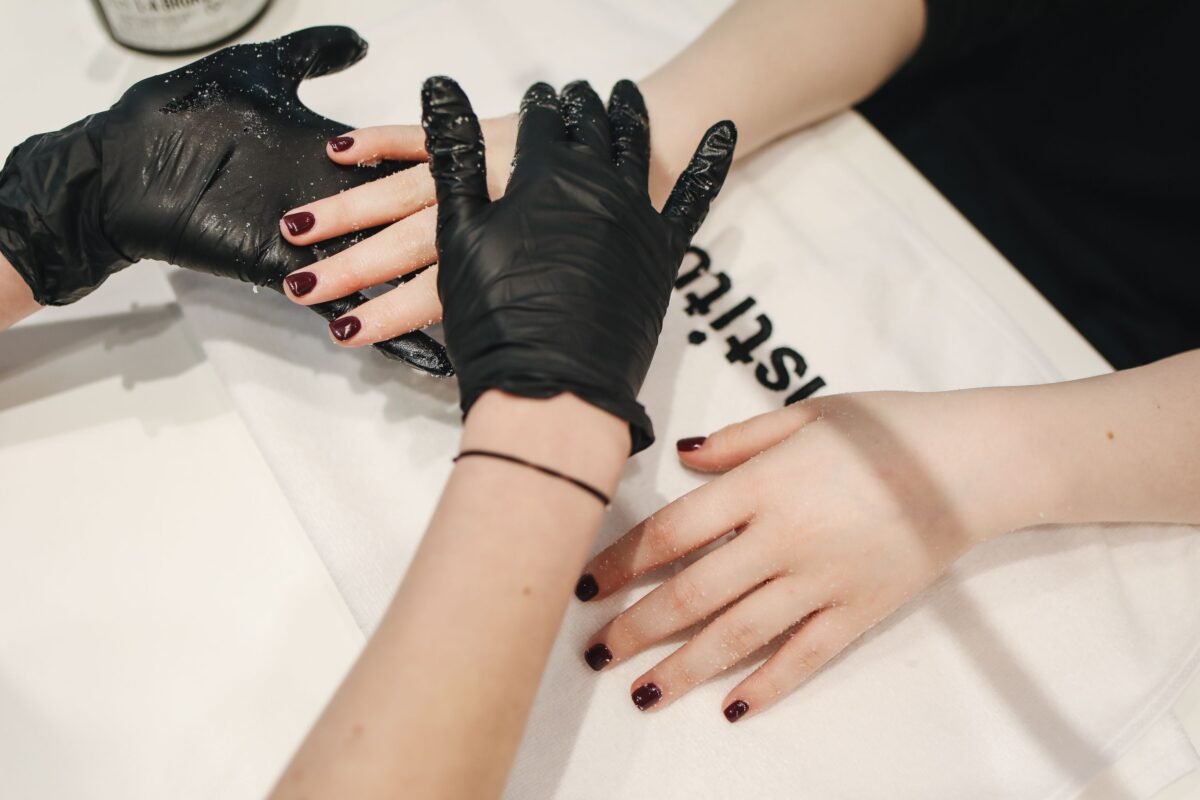
Procedures differ, but a typical appointment follows this order. Expect roughly one and a half to two hours for a full service with gel polish, What Is a Russian Manicure though the time depends on the technician, the design and your nail condition.
Step 1: Consultation and hand preparation
A careful technician asks about your health, nail history and any skin or nail conditions. They should also sanitize your hands. What Is a Russian Manicure Skipping this conversation is a warning sign.
Step 2: Dry nail preparation
The nails are cleaned and checked. Old polish is removed if needed. Nothing is soaked, so the skin remains dry and firm.
Step 3: E-file work on the nail fold and cuticle area
Using small bits, the technician removes loose dead tissue and tidies the edges around the nail. In a careful service, this should be light work with little or no pain, What Is a Russian Manicure bleeding or heat. If you feel stinging, burning or sharp pain, say so immediately.
Step 4: Shaping and surface preparation
The free edge is shaped and the nail surface is lightly buffed so the polish can grip. What Is a Russian ManicureOver-filing at this stage can thin the nail, so it should be minimal.
Step 5: Gel polish application and curing
Base coat, color and top coat are applied in thin layers, each cured under a UV or LED lamp. What Is a Russian Manicure A neat application leaves a tiny gap at the skin line so the product does not touch the surrounding skin.
Step 6: Finishing and cuticle oil
The technician cleans the nails, applies cuticle oil and hydrating lotion, and should give you aftercare instructions.
Russian Manicure vs. Regular Manicure vs. Gel Manicure
People often compare these services as if they were three separate things, but “gel” describes the polish while “Russian” and “regular” describe the preparation method. What Is a Russian Manicure A Russian manicure can include gel polish, and a regular manicure can too.
| Feature | Regular (wet) manicure | Gel manicure | Russian (dry e-file) manicure |
| Skin preparation | Soak, then push back and sometimes nip cuticles | Often similar to regular manicure | Dry, using an e-file and small bits |
| Main tool | Pusher, nippers, hand files | Same, plus gel and lamp | Electric file, plus gel and lamp |
| Polish type | Regular lacquer | Gel, cured under a lamp | Usually gel, but not always |
| Typical time | Shorter | Moderate | Usually longer |
| Look | Classic | Glossy, long-lasting | Very clean, sharp edges around the nail |
| Skill required | Moderate | Moderate | High |
| Main risk | Over-trimming, nicks | Nail thinning, allergy from product, UV exposure | Damage to the nail fold, thinning, infection risk if overdone or poorly sanitized |
| Wear time | Days to about a week | Often two to three weeks | Often two to four weeks, depending on prep and nail growth |
Wear time is an estimate. What Is a Russian Manicure Nail growth, your daily activities, the product and the technician’s application all change the result.
What Are the Benefits of a Russian Manicure?
When it is done by a trained professional with proper hygiene, people commonly like:
- A very clean, polished look around the nail edges.
- Neater polish application, since the area is carefully prepared.
- Longer wear for some people, because the polish sits close to the skin line and is less likely to lift from loose skin.
- Precision for detailed nail art, because the edges are clearly defined.
- A smoother grow-out if the technician avoids rough work.
A fair note: some salons claim this manicure makes nails “healthier.” There is no strong evidence that the technique itself improves nail health. What Is a Russian Manicure The benefits are mostly cosmetic. A neat look and good wear are real advantages, but they are not medical benefits.
What Are the Risks and Side Effects?
Safety is the most important part of this topic, so here is a clear, balanced look.
Cuticle and nail fold damage
The skin around your nails is a barrier. Aggressive e-file work can thin, tear or scrape this barrier. What Is a Russian Manicure Small injuries may not be obvious at the time but can leave the skin open to bacteria and fungi.
Infection risk
Two common infections linked to nail-area damage are:
- Paronychia: an infection of the skin around the nail, causing redness, swelling, warmth, pain and sometimes pus.
- Fungal nail infection (onychomycosis): can cause discoloration, thickening and brittleness of the nail.
Most people who get a Russian manicure do not develop an infection, but the risk rises if the skin barrier is damaged or tools are not properly cleaned.
Nail thinning, sensitivity and ridges
Over-filing the nail plate with the e-file can thin the nail, making it flexible, sensitive or prone to splitting. What Is a Russian Manicure Heat from friction can also cause a burning sensation and, in some cases, damage to the nail bed.
Allergic reactions to gel products
Some people develop contact dermatitis from ingredients in gel polish, such as acrylates. Symptoms include itching, redness, peeling skin or swelling around the nails. This risk is not unique to Russian manicures, What Is a Russian Manicure but being treated close to the skin can raise exposure if product touches the skin.
Scarring and long-term damage
Repeated trauma to the nail fold or the area where the nail grows (the matrix) can occasionally cause lasting changes, What Is a Russian Manicure such as ridges or abnormal nail growth. This is uncommon but worth knowing about.
Why tool sterilization matters
Bits and metal tools can carry germs between clients if they are not cleaned correctly. Wiping a bit with a cloth or spraying it with disinfectant is not the same as proper sterilization. What Is a Russian Manicure Reusable metal tools should be cleaned and sterilized according to the standards where you live, often with an autoclave. Files, buffers and other porous items should be single-use and given to you or thrown away after your appointment.
Is a Russian Manicure Safe?
The honest answer is: it depends on the technician, the technique and the person. A careful, well-trained professional who limits work to loose dead tissue, avoids cutting or grinding living skin, uses clean tools and stops if there is pain, can reduce the risk. An inexperienced technician, a deep cuticle cut, or a poorly cleaned tool can raise it.
Dermatologists generally recommend gentle cuticle care rather than aggressive removal. If you love the look, What Is a Russian Manicure the safest approach is to choose a highly qualified technician, ask the right questions, and avoid repeating the service too often.
How to Choose a Qualified Nail Technician
Training requirements differ by country and state, and in some places there is no specific certification for e-file use. What Is a Russian Manicure That makes it your job to ask questions. Before you book, check these points:
- Licensing and training. Is the technician licensed where required? Have they completed specific e-file training?
- Sterilization. Do they use an autoclave or another approved method for reusable tools? Are bits sealed in a sterile pouch when opened?
- Single-use items. Do they use a new file and buffer for each client?
- Bit control. Do they use fine bits and low to moderate speed around the skin?
- Clean workspace. Are surfaces wiped and are hands washed or sanitized before the service?
- Willingness to adapt. Will they stop if you feel pain and leave the skin if you ask?
- Portfolio and reviews. Do their photos show healthy skin around the nails, not red or raw edges?
Red flags: bleeding, a technician who dismisses pain, tools taken from an open drawer, no explanation of hygiene, or promises of “permanent” cuticle removal.
How Long Does a Russian Manicure Take and Last?
Time: Many appointments take around 90 minutes to two hours. Nail art, removal of old gel or extensions can add more.
Wear: Many clients keep their manicure for around two to four weeks. How long it actually lasts depends on:
- How your nails grow, since faster growth shows the gap sooner
- The products and technique used
- Your daily habits, such as water exposure, cleaning chemicals and typing
- Whether you use your nails as tools
A long-lasting manicure is not a reason to leave gel on for too long. Waiting several weeks past the recommended time raises the risk of lifting, What Is a Russian Manicure moisture trapped under the polish and nail damage during removal.
Russian Manicure Aftercare Tips
Good aftercare protects your skin and helps your manicure last.
- Apply cuticle oil daily. It keeps the skin soft and supports the barrier.
- Moisturize your hands, especially after washing.
- Wear gloves for cleaning and washing dishes.
- Do not pick or peel polish. Peeling gel can pull off layers of the nail.
- Do not cut or dig at the skin between appointments, even if it looks rough.
- Do not use your nails as tools. Use the pad of your finger or a proper tool.
- Watch your skin. Mild tenderness for a day or so can happen, but redness, swelling, pain or pus that continues or worsens needs attention.
- Get gel removed professionally, or follow safe removal steps rather than forcing it off.
- Give your nails breaks now and then, especially if they feel thin or sensitive.
When to see a doctor: Contact a healthcare professional if you notice persistent redness, swelling, throbbing pain, pus or discharge, fever, or a nail that is changing color or shape. Do not wait if the area is spreading or very painful.
Who Should Avoid or Delay a Russian Manicure?
Talk to a doctor or dermatologist before booking, or consider skipping the service, if any of these apply:
- Diabetes or poor circulation, since infections can be more serious and heal slowly
- A weakened immune system
- Active skin or nail conditions such as eczema, psoriasis, warts, fungal infection or an existing infection around the nail
- Broken, inflamed or very sensitive skin around the nails
- A history of reactions to gel products or acrylates
- Very thin or damaged nails, which may not tolerate filing
- Frequent nail biting or skin picking, which already weakens the skin barrier
This section is general information and not medical advice.
Safer Alternatives to a Russian Manicure
If you want a neat manicure without deep work around the skin, consider these options:
- A gentle traditional manicure where the technician softens skin, pushes back loose tissue lightly and avoids cutting living skin.
- Cuticle care without removal. Oil, moisturizer and gentle pushing back can make cuticles look tidy.
- A “light” e-file service, where the bit is used only on the nail surface and visibly dead tissue, with the skin fold left alone.
- Regular polish, which is easier to remove and avoids repeated gel use.
- Short, natural nails with a clean shape, which can look polished with little prep.
Ask your technician what they can do to give a neat finish while leaving the living skin intact.
Common Mistakes to Avoid
- Choosing by price or hype alone. A bargain service with poor hygiene is not a bargain.
- Not asking about sterilization.
- Ignoring pain. A manicure should not hurt.
- Booking too often. Frequent deep work gives your skin less time to recover.
- Trying it at home with a cheap e-file and no training. This is a common cause of injury.
- Believing “no cuticles” is permanent. Skin and nails keep growing.
- Leaving gel on too long.
Is a Russian Manicure Worth It?
It can be a good choice for someone who values a very neat, precise finish, finds a highly trained technician and is in good health. It is a poor idea for people with higher infection risk, What Is a Russian Manicure for anyone who is uncomfortable with e-file work close to the skin, or for anyone who wants a quick, budget service from an unverified salon.
The technique is not automatically dangerous, and it is not automatically superior. The result comes down to skill, hygiene and restraint. What Is a Russian Manicure If a technician is careful and transparent, you can enjoy the look with lower risk. If something feels wrong, trust that feeling and stop.
Frequently Asked Questions
What is a Russian manicure in simple words?
It is a dry manicure that uses an electric nail file with small bits to clean and tidy the skin around the nails. It usually skips soaking and clippers, and it is often finished with gel polish for a neat, long-lasting look.
Is a Russian manicure safe?
It can be reasonably safe in trained hands with clean, sterilized tools, but risks rise with aggressive work on the nail fold or poor hygiene. Dermatologists generally recommend gentle cuticle care. Choose a qualified technician and stop the service if you feel pain.
Does a Russian manicure damage nails?
It can if the technician over-files the nail plate or works too deeply around the skin, causing thinning, sensitivity or irritation. Careful, light technique lowers the risk. If your nails already feel weak, ask for a gentler service or take a break.
Why are Russian manicures controversial?
The debate centers on removing the cuticle and working on the living skin at the nail fold, which protects against infection. Some professionals say careful dead-tissue removal is safe, while dermatologists warn that aggressive work can break the barrier.
How long does a Russian manicure take?
Most appointments take about 90 minutes to two hours, though time varies with the technician, nail condition and any nail art. Removing old gel or extensions adds time. Ask for an estimate when you book.
How long does a Russian manicure last?
Many people keep the result for around two to four weeks. Nail growth, polish quality, daily habits and application technique all affect wear. Do not leave gel on much longer than recommended, since that can harm the nail.
Final Takeaway
A Russian manicure is a dry, e-file-based technique that creates a very clean look around the nail. The appeal is real, but so is the need for caution. The living skin at the base of your nail is a protective barrier, and the safest manicure respects it. Choose a trained, licensed professional, ask about sterilization, speak up if anything hurts, and look after your hands between appointments. If you have a health condition that affects healing or infection risk, check with a doctor first.