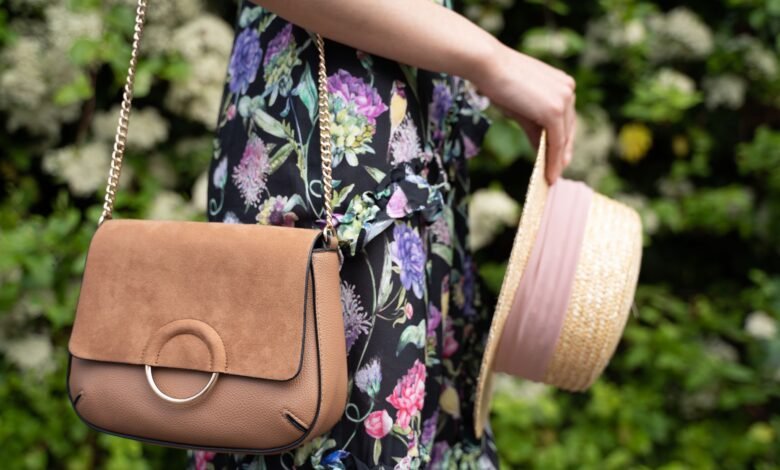
to accessorize an outfit well, decide what the outfit is missing (shape, color, interest or polish), pick one focal accessory to supply it, then support that piece with quieter ones that share a color, metal or mood. Check the look in a mirror, remove one item if it feels crowded, and make sure everything is comfortable enough to wear all day.
That is the whole method. The rest of this guide shows you how to apply it to jeans, dresses, suits, knitwear, modest and layered clothing, uniforms and special-occasion looks, how to accessorize outfits in hot or cold weather, with a big budget or none at all.
Why Accessories Make Such a Difference
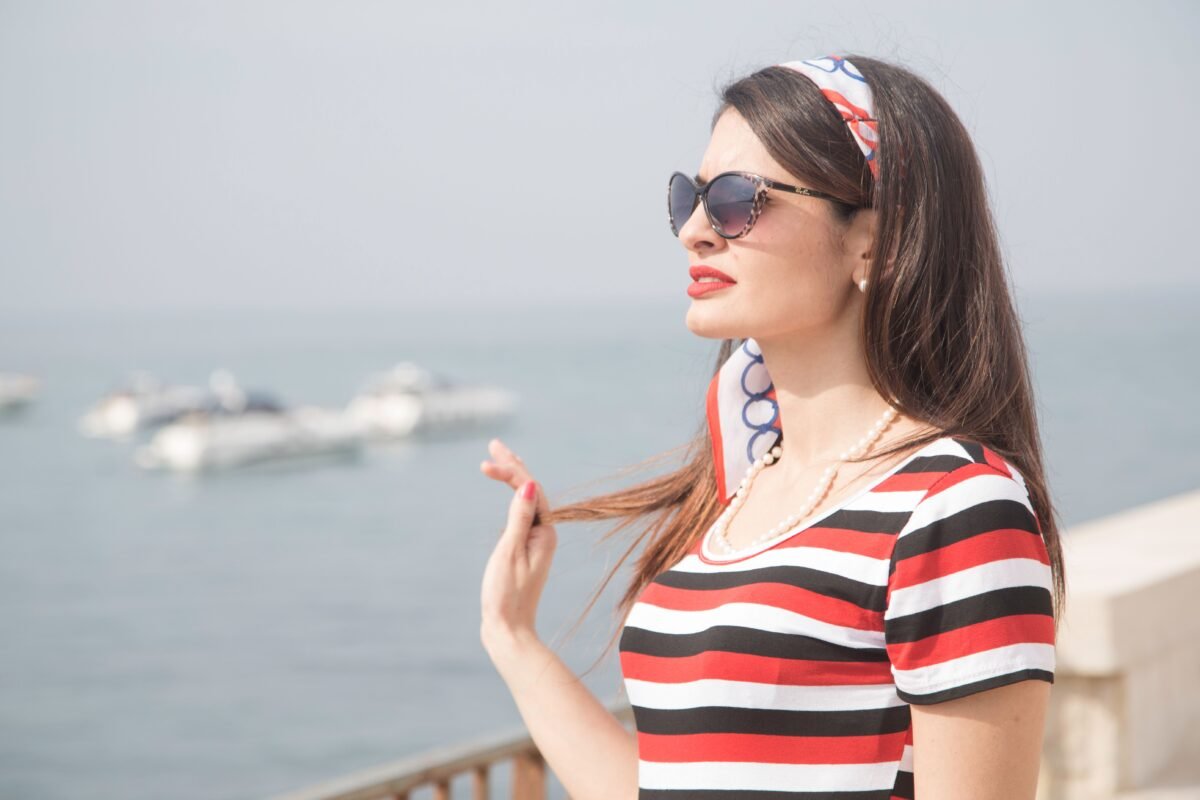
Two people can wear the same plain shirt and trousers and look completely different. The difference is usually in the details. Accessories do four jobs:
- They add focus. A bold earring, a scarf or a sharp belt gives the eye somewhere to land, so the outfit looks planned instead of random.
- They change the mood. Sneakers and a canvas tote say “relaxed”. Leather loafers and a structured bag say “professional”. The clothes stay the same.
- They create shape. A belt can define a waist on a loose dress. A long necklace can lengthen a high neckline. A hat can add height and balance.
- They make clothes go further. One dress with three different sets of accessories is three different outfits. That is why accessories are the cheapest way to expand a wardrobe.
Accessories should also serve you. A beautiful necklace that irritates your skin, or a bag too heavy for your commute, is not a good accessory, however stylish it looks. how to accessorize outfits This guide treats comfort and practicality as part of style, not an afterthought.
How to Accessorize Outfits Step by Step
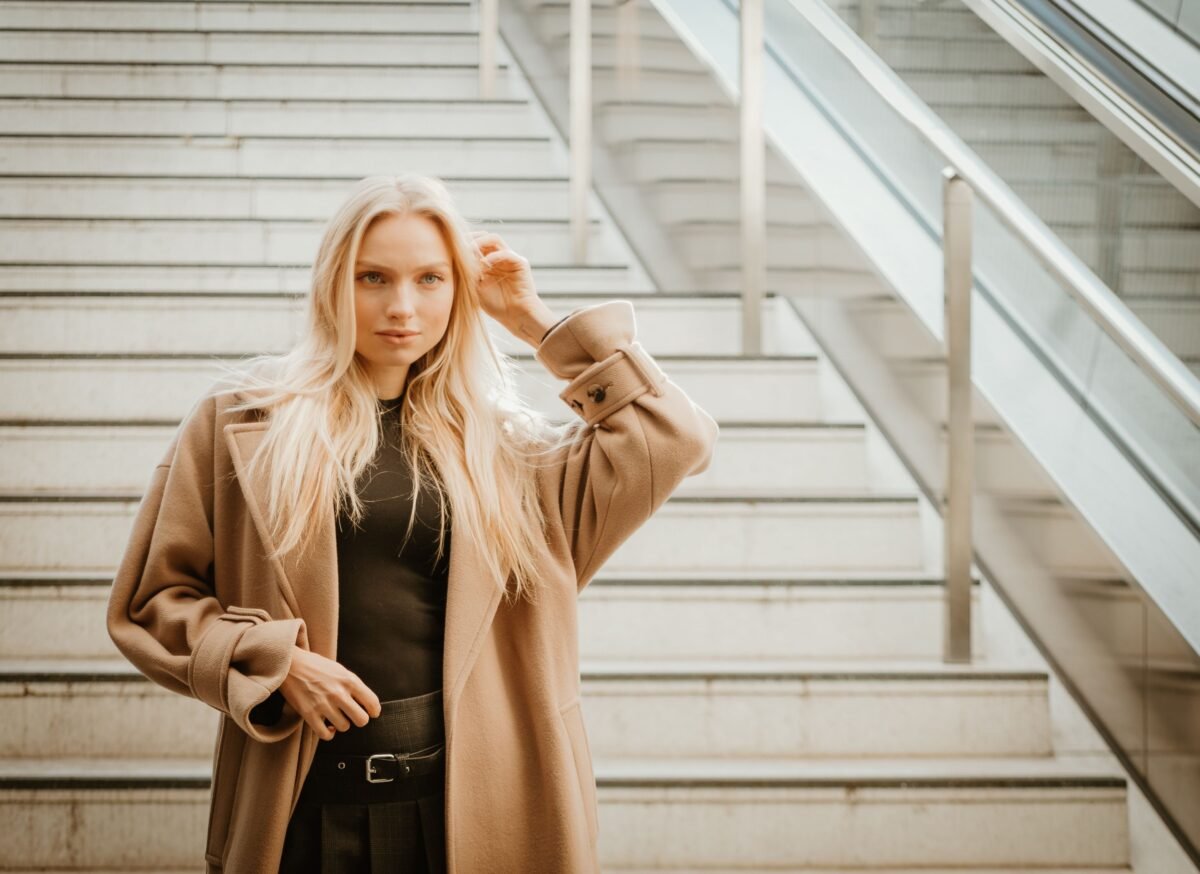
Use this five-step method for any outfit. Once it becomes habit, it takes about a minute.
1. Start With the Outfit and the Occasion
Look at what you are wearing before you reach for anything. Ask three questions:
- Where am I going? An office, a wedding, a long flight and a weekend market all need different levels of polish and practicality.
- What is already busy? Bold patterns, heavy embellishment and bright color already attract attention. Plain, solid or neutral outfits have room for more.
- What is missing? Maybe the outfit looks shapeless (add a belt), flat (add texture or color), too casual (add structure) or too stiff (add something relaxed).
The neckline matters too. A high neckline pairs well with earrings or a longer pendant. how to accessorize outfits A V-neck suits a shorter necklace that follows its line. A very detailed neckline often needs no necklace at all.
2. Choose One Focal Accessory
Pick a single “hero” piece. It could be statement earrings, how to accessorize outfits a colorful scarf, a sculptural bag, a wide belt, a bold watch or an eye-catching pair of shoes. Everything else should support it rather than compete with it.
A useful rule of thumb: one loud piece, the rest quiet. If you wear dramatic earrings, keep your necklace delicate or skip it. If your bag is bright, let your jewelry be simple.
3. Balance Color, Texture and Pattern
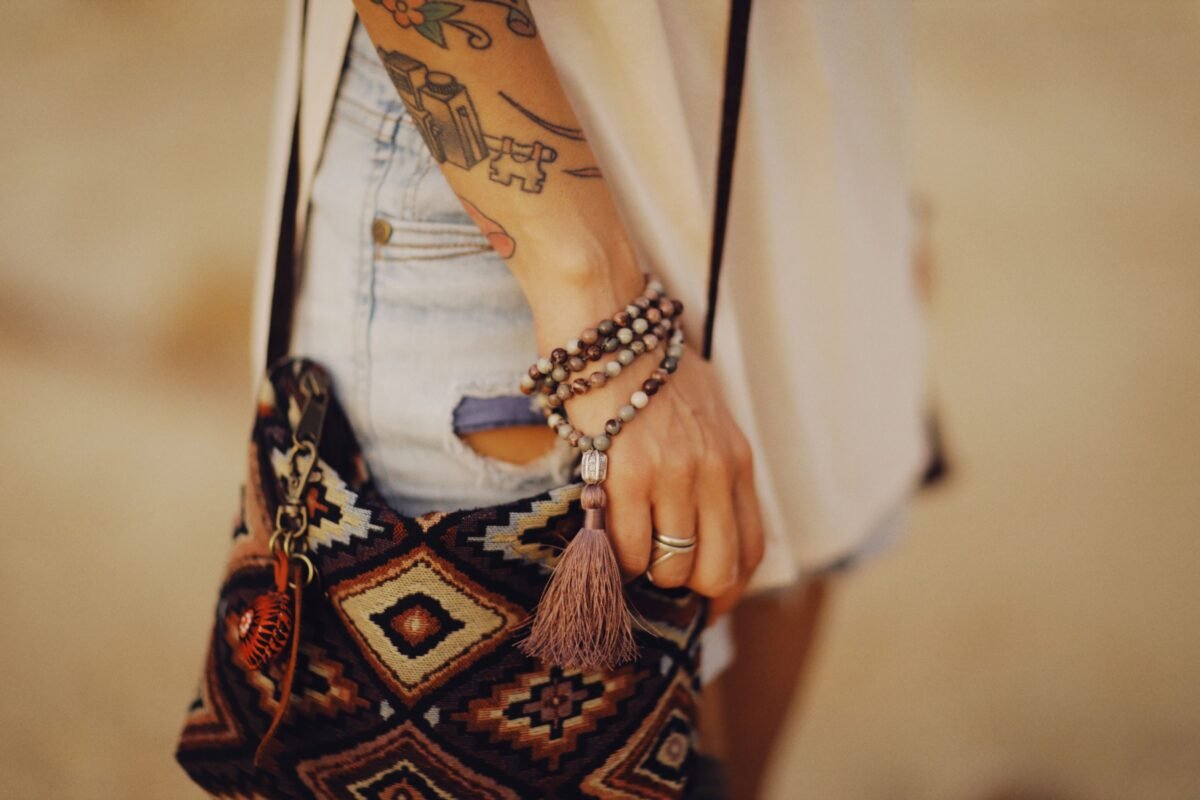
Once you have your hero, build around it using one of these approaches:
- Match: repeat a color already in your outfit (a green stripe in your top, a green scarf).
- Complement: pick a color opposite or next to your main color on the color wheel, such as navy with a mustard accent.
- Neutral support: use black, white, tan, grey, silver or gold to let your clothing or hero piece shine.
- Texture contrast: pair smooth fabrics with something tactile, such as a silk top with a woven belt, or a knit sweater with a polished metal watch.
Color analysis and “seasonal palettes” can be helpful if you enjoy them, but they are optional guidance, how to accessorize outfits not rules. If a color makes you feel confident, it works for you. Contrast also matters: some people like soft, low-contrast combinations, others like high-contrast ones. Neither is wrong.
4. Consider Scale, Proportion and Silhouette
Scale is how big or small an accessory looks compared with you and your clothes. A few easy guidelines:
- Chunky with sleek, delicate with voluminous. Oversized accessories look striking against streamlined clothing. With voluminous clothing, choose more delicate pieces so the look doesn’t feel heavy.
- Match accessory size to the garment and to your own sense of comfort, not to a “correct” body type. Petite, tall, broad or curvy, you can wear large or small pieces. What matters is whether the proportions look intentional to you.
- Think in lines. A long pendant creates a vertical line, a wide belt creates a horizontal one, and a headscarf or hat frames the face. Use lines to add the shape you want.
5. Finish With Shoes and a Bag, Then Edit
Shoes and bags anchor an outfit. Choose them for the occasion and for how far you will actually walk or carry them. how to accessorize outfits They don’t need to match each other. Make sure they belong in the same “world” of formality, color or material.
Then do a final check in a full-length mirror (or a photo if you don’t have one):
- Is there one clear focal point?
- Do the colors and metals feel like they belong together?
- Can I sit, walk, reach and carry things comfortably?
- If I took one thing off, would the look improve? If yes, take it off.
Editing is the step most beginners skip, and it often separates a polished outfit from a cluttered one.
How to Choose the Right Accessories
Once you know the method, here is how to choose within each category.
6. Jewelry: Earrings, Necklaces, Bracelets and Rings
- Earrings frame the face and are often the easiest hero piece. Studs and small hoops are quiet. Long drops and large shapes are bold. If your hair is down and covers your ears, choose earrings that stay visible or skip them.
- Necklaces work best when they respect the neckline. When layering chains, choose clearly different lengths (for example one collar-length, one mid-length) so they don’t tangle into a single mass.
- Bracelets and bangles suit short or pushed-up sleeves. If you wear a watch too, keep the combination balanced: a bold watch with a simple bracelet, or the reverse.
- Rings are personal. One statement ring is a focal point. A few thin rings spread across fingers look relaxed. Avoid rings that are tight or hard to remove in hot weather, when fingers can swell.
If you have sensitive skin, how to accessorize outfits look for hypoallergenic materials such as surgical-grade stainless steel, titanium, niobium or solid gold, and test new pieces for short periods first.
7. Bags: Size, Shape and Practicality
A bag is the accessory you use most, so it should earn its place.
- Structured bags (firm sides, defined shape) look polished and suit work and formal outfits.
- Soft bags (slouchy totes, hobos, crossbody pouches) look relaxed and suit casual dressing and travel.
- Size matters. A bag too tiny for your phone and keys is frustrating, how to accessorize outfits and one that is too large can overwhelm a slim outfit.
- Comfort: padded or wider straps spread weight, and crossbody styles keep your hands free. If you have back, shoulder or mobility concerns, lighter materials and secure closures make a big difference.
Your bag does not have to match your shoes. A common color, material or level of formality is enough.
8. Belts: Adding Shape and Definition
Belts do more than hold up trousers. A belt over a loose dress, long cardigan or shirt creates a waistline and breaks up a large block of color. Match the belt width to the garment: how to accessorize outfits slim belts for light fabrics and fine knits, wider belts for coats and heavier fabrics. Wear it at your natural waist, your hips or wherever it looks and feels best. There is no single correct place.
9. Scarves, Hats and Hair Accessories
- Scarves can be worn at the neck, in the hair, tied on a bag handle or around a ponytail. They are one of the best ways to bring in color and pattern for very little money.
- Hats frame the face and add personality. Brimmed hats give sun protection, beanies add warmth, and caps keep things casual. Choose a size that fits comfortably and stays on in wind.
- Hair accessories (clips, headbands, bandanas, pins) suit every hair type and length. Pick a grip suited to your hair so they stay put without pulling.
In many places and communities, head coverings carry cultural or religious meaning. how to accessorize outfits If you wear one, treat it as part of your outfit rather than an add-on, and let its color and fabric guide your other accessories.
10. Watches, Sunglasses and Other Finishing Details
These often-forgotten pieces change an outfit’s tone quickly. A slim leather-strap watch looks smart, a sports watch looks active, and a bold metal watch becomes a focal point. how to accessorize outfits Sunglasses in classic shapes (round, square, aviator, cat-eye) work with most looks. Choose frames that fit securely and offer proper UV protection. Smaller details such as cufflinks, a pocket square, a brooch or a keychain also add personality.
Tip 11: How to Accessorize Different Outfits
These formulas are starting points, not rules.
| Outfit | Easy formula | Optional extras |
|---|---|---|
| Jeans and a T-shirt | One hero piece (statement earrings, bold belt or bright bag) + comfortable shoes | A watch, a light scarf, sunglasses |
| Simple or little black dress | One focal point + one supporting piece. Set the mood with shoes: sneakers for casual, heels or polished flats for evening | A wrap, a clutch, a hair accessory |
| Workwear and tailored outfits | Structured bag, quality watch or belt, discreet jewelry | A silk scarf, pocket square, simple cufflinks |
| Casual weekend looks | Crossbody bag, cap or sunglasses, relaxed jewelry | A bandana, canvas belt, layered bracelets |
| Formalwear and special occasions | Statement jewelry or an eye-catching bag, not both | A clutch, shawl, refined hair accessory |
| Knitwear and sweaters | Long pendant, scarf or belt over the knit for shape | Chunky earrings, a beanie, a watch |
| All-black outfit | Texture plus one touch of color or metal | A bright scarf, metallic belt, interesting shoes |
Jeans and a T-Shirt
A plain tee and jeans are a blank canvas, so a single accessory transforms them. how to accessorize outfits Add a leather belt and loafers for smart-casual, or sneakers, a cap and a crossbody bag for relaxed.
A Little Black Dress or Simple Dress
Because the dress is simple, you choose the mood. how to accessorize outfits Try delicate jewelry and flats for daytime, then swap to a bolder earring, a clutch and heels for evening. A belt can reshape a loose cut.
Workwear and Tailored Outfits
Keep accessories refined and practical: a structured bag that holds your essentials, a watch, a good belt and subtle jewelry. A scarf, pocket square or tie adds personality without breaking a dress code. how to accessorize outfits If your workplace has rules (uniforms, safety rules, jewelry limits), follow them first and use your remaining choices, such as watch strap, scarf, hair accessory or bag, for individuality.
Casual and Weekend Looks
Comfort leads here. Choose a bag that is easy to carry, shoes that suit walking and one or two fun details such as layered bracelets, a bandana or a statement cap.
Formalwear and Special Occasions
For weddings, galas and ceremonies, check the dress code and cultural context, then choose one star: statement jewelry, or an eye-catching bag or wrap. Keep the rest polished and quiet. how to accessorize outfits Make sure your shoes are comfortable enough for the whole event.
Modest, Layered and Traditional Clothing
Accessories work beautifully with longer, layered and traditional clothing. Belts and sashes add shape over tunics, abayas, kaftans, long cardigans, kurtas and shalwar kameez. how to accessorize outfits Scarves, shawls and dupattas bring color and texture. Brooches, pins and statement earrings add detail while suiting modest dressing. Choose slim or flowing pieces so they sit comfortably over several layers. Traditional jewelry, heirlooms and regional designs deserve to be worn proudly and often need nothing else.
Menswear and Gender-Neutral Styling
Everything in this guide applies to anyone. Common accessories include watches, belts, bracelets, rings, pendants, scarves, caps, ties, tie clips, cufflinks, pocket squares, sunglasses and bags. how to accessorize outfits Use the same principles of one focal point, balanced scale and comfort. There is no “men’s” or “women’s” version of good proportion.
Tip 12: How to Coordinate Colors, Metals and Textures
Colors. Pick a hero color and repeat it once or twice, such as in a scarf and in earrings. A neutral outfit (black, white, grey, beige, navy) welcomes any accent. A colorful outfit does best with neutral accessories.
Metals. You can mix gold and silver. Repeat each metal at least twice, or use a mixed-metal piece such as a two-tone watch to connect them. Rose gold and copper blend with both. how to accessorize outfits Matching metals is simple and safe, but mixing is perfectly acceptable.
Textures. Pair opposites: shiny with matte, smooth with woven, soft with structured. If everything has the same texture, the outfit can look flat.
Patterns. A patterned outfit usually needs plain accessories. To mix patterns, choose different scales, such as a small print with a large one, and share a color between them.
Tip 13: How Many Accessories Should You Wear?
There is no magic number. “Three accessories per outfit” and “remove one before leaving” are shortcuts, not laws. Use these checks instead:
- Minimalist look: one or two quiet pieces, such as a watch and small earrings.
- Balanced look: one hero piece plus two or three supporting items.
- Maximalist look: many layered pieces, unified by one color, metal or theme.
If the outfit feels busy, simplify. If it feels unfinished, add one item. A plain outfit can take more, and a busy outfit needs less.
Tip 14: Accessorize for Climate, Travel and Comfort
Good style works in real life. Adapt your accessories to the weather, your journey and your body.
| Situation | Smart accessory choices |
|---|---|
| Hot or humid weather | Lightweight jewelry, breathable scarves, wide-brim hats, UV-protective sunglasses, canvas or woven bags, watches with breathable straps |
| Cold weather | Scarves, gloves, beanies and ear warmers; belts over coats; insulated shoes or boots; a larger bag that fits layers |
| Rain and wind | Water-resistant bags, hats that stay on, hair accessories with a firm grip, shoes with traction |
| Travel | A secure crossbody bag, a versatile scarf that doubles as a wrap, a small jewelry roll, neutral accessories that match many outfits, comfortable walking shoes |
| Long days on your feet | Cushioned shoes, a lightweight bag, jewelry that doesn’t snag or irritate |
Practical comfort checklist:
- Weight: heavy earrings or bags can cause headaches or sore shoulders over a long day.
- Skin sensitivity: if certain metals irritate you, choose hypoallergenic materials and keep pieces clean and dry.
- Fasteners: magnetic closures, lobster clasps and larger fasteners are easier with limited hand mobility. Slip-on shoes and stretch bracelets can help too.
- Safety: avoid dangling pieces around machinery, how to accessorize outfits kitchens, sports and young children.
- Security when traveling: wear valuable jewelry discreetly and keep documents in a zipped bag.
Tip 15: Build a Versatile Accessory Collection on Any Budget
You don’t need to spend a lot to accessorize well.
| Approach | What it looks like |
|---|---|
| Use what you own | Raid your wardrobe for scarves, belts, hats, old jewelry, a family watch, even ribbons. Try the no-shopping challenge below. |
| Pre-loved and secondhand | Charity shops, thrift stores, markets, swaps and resale apps are excellent for jewelry, scarves, bags and belts. |
| Affordable basics | Simple hoops or studs, a plain belt, a neutral crossbody bag and a classic scarf go with almost everything. |
| Invest selectively | Spend more on what you use most: a durable everyday bag, comfortable shoes, a good watch or hypoallergenic daily jewelry. |
A starter capsule (about ten pieces):
- Small studs or hoops
- One statement earring or necklace
- A watch you like
- A neutral belt
- A versatile scarf
- A practical everyday bag
- A dressier bag or clutch
- Comfortable everyday shoes
- Sunglasses
- One seasonal piece (a hat, gloves or a bold color)
Choose colors and metals you already like, so every piece works with several outfits.
The no-shopping challenge: for one week, style five outfits using only things you already own. Photograph each one, then note which accessory made the biggest difference. how to accessorize outfits You will learn your own style faster than any article can teach you, and you will often find you needed less than you thought.
Common Accessorizing Mistakes and How to Avoid Them
| Mistake | Easy fix |
|---|---|
| Too many focal points | Choose one hero piece and make the rest quieter |
| Ignoring the neckline | Let the neckline guide your necklace, or skip the necklace |
| Accessories too tiny or too huge | Check scale against your outfit in a full-length mirror |
| Forgetting comfort | Test weight, fit and fastenings before a long day |
| Matching everything exactly | Aim for harmony, not identical sets |
| Statement pieces against busy patterns | Simplify the accessory or the outfit |
| Ignoring the occasion | Check the dress code, climate and how far you’ll travel |
| Neglecting care | Clean and store pieces properly (see below) |
| Following rules that don’t fit you | Treat every rule as a suggestion and trust your own taste |
How to Care for and Store Accessories
A little care makes accessories last for years.
- Jewelry: put it on after applying perfume, lotion and hairspray, and remove it before swimming, showering and exercising. Wipe with a soft dry cloth. Store pieces separately in pouches or a lined box to prevent scratches and tangles. Silver and some plated metals tarnish, so keep them in airtight bags or with anti-tarnish strips. Avoid harsh chemicals on pearls, opals and other delicate stones.
- Leather bags and belts: wipe with a soft cloth, keep away from heavy moisture and store in a dust bag, lightly stuffed so they keep their shape.
- Scarves: check the label. Silk and wool often need gentle washing or dry cleaning. Fold or roll them rather than hanging them in a way that stretches the fabric.
- Hats: store on a shelf or hat stand so the brim keeps its shape, and avoid crushing.
- Sunglasses: keep them in a case and clean with a soft microfiber cloth.
- Repair early: a loose clasp, missing stone or worn strap is easier and cheaper to fix sooner, and a local repair shop can often help.
Care needs vary by material and maker, so always follow the guidance that came with your piece.
A Quick Glossary for International Readers
Accessory words change from place to place:
- Handbag / purse (the meaning of “purse” differs between regions)
- Sneakers / trainers
- Sweater / jumper / pullover
- Scarf / muffler / shawl / stole / dupatta
- Bangle / bracelet / cuff
- Fanny pack / bum bag / waist bag
- Sunglasses / shades
- Brooch / pin
- Earrings: studs / hoops / drops / danglers
Frequently Asked Questions About Accessorizing Outfits
How do you accessorize an outfit for beginners?
Start with one accessory. Look at your outfit, pick a single focal piece such as earrings, a scarf or a belt, then add one quiet supporting item. Check it in a mirror and remove anything that feels like too much.
How many accessories should you wear at once?
There is no fixed number. Many people like one statement piece plus one to three quieter ones. If the outfit feels crowded, remove something. If it feels unfinished, add one item.
Should your handbag match your shoes?
No. They should feel as if they belong together in color, material or formality, but they don’t need to be identical.
Can you mix gold and silver jewelry?
Yes. Repeat each metal at least twice, or use a mixed-metal piece to connect them. Rose gold and copper also help bridge the two.
How do you accessorize a plain outfit?
A plain outfit is the perfect canvas. Add one bold piece, such as colorful earrings, a patterned scarf or an interesting bag, and keep the rest simple. Texture and color are the easiest ways to add interest.
What accessories work best with jeans and a T-shirt?
A belt, a watch, sunglasses, a crossbody bag, small hoops or a scarf. Choose the mood you want: sneakers and a cap for casual, loafers and a belt for smart-casual.
How do you choose accessories for a formal event?
Check the dress code and choose one star: statement jewelry, or a special bag or wrap. Keep everything else refined, and make sure your shoes are comfortable for the whole event.
How can you accessorize an outfit without spending money?
Use what you own. Try a scarf as a belt or hair tie, a different belt, pieces borrowed from family or friends, or items you rarely wear. Clothes swaps and secondhand shops are low-cost options too.
How do you balance statement jewelry with patterned clothes?
Choose either a bold pattern or bold jewelry, not both. If you want both, pick jewelry in a color already in the pattern and keep its shape simple.
Which accessories are useful for a travel wardrobe?
A secure crossbody bag, a versatile scarf, neutral jewelry that goes with everything, sunglasses, a hat suited to the climate, a small jewelry pouch and comfortable walking shoes.
Final Thoughts
Learning how to accessorize outfits is less about rules and more about a few repeatable habits: look at the outfit and occasion, choose one focal accessory, balance color, texture and scale, finish with practical shoes and a bag, and edit. Add comfort, climate and budget to the picture, and you can style any outfit with confidence, whether it’s a T-shirt and jeans or a formal celebration.
Start small. Tomorrow, pick one outfit, add a single accessory and see what changes. Your style will develop from there, one finishing touch at a time.